















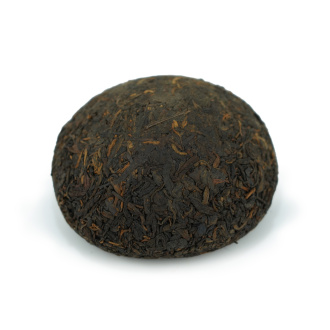
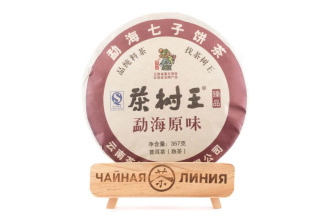
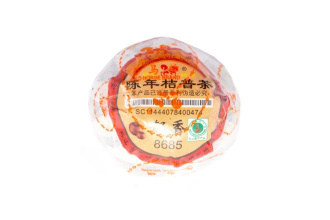
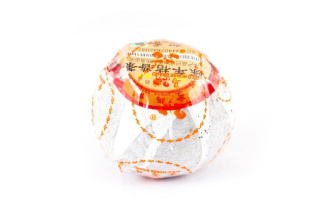

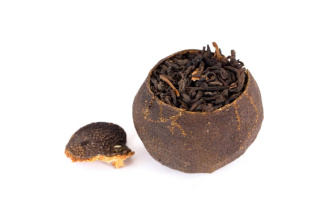
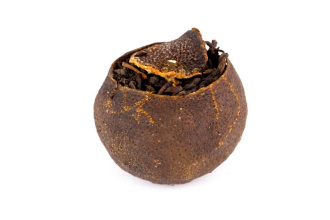


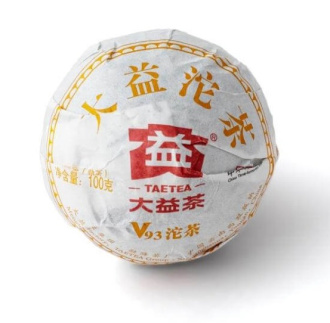

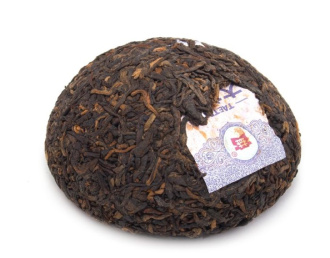

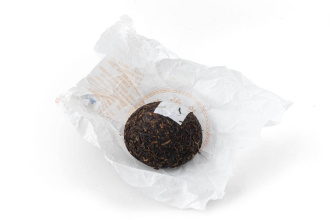

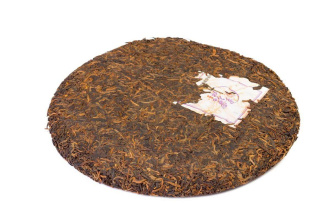





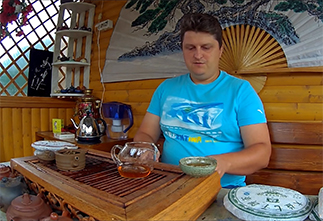
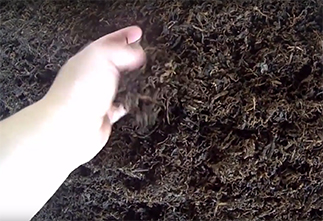
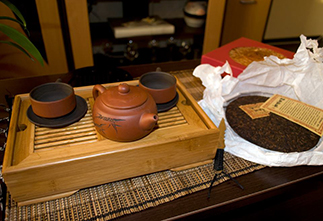
A common question is: how to brew pu-erh tea properly? Sometimes the phrase "to get high" is added. And everyone has their own interpretation of this phrase. Some mean vigor, others intoxication. So how do you brew pu-erh tea properly? Let's consider several options.
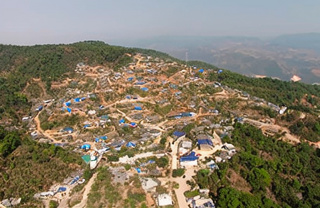
Traveling through the tea mountains, we found ourselves in another land of blue roofs - the village of Zhongcai, which is located in the Menghai district of Yunnan province. According to tradition, we were shown another local tea tree, which, according to the Chinese, is at least a million years old :) The village is very authentic, not designed for tourists, there are many wild pu-erhs there and, of course, we were warmly received. They treated us to local cuisine and tea. We also asked the residents about the prices of tea and how they have changed in recent years.
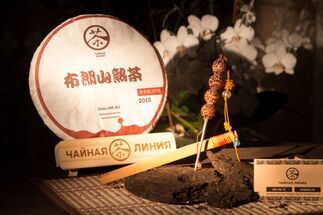
The tea ceremony holds a special place in the centuries-old Eastern tradition. While its essence remains constant, the nature and external manifestations of the tea ceremony vary among different cultures. Each Chinese province has its own distinct tea ceremony and tea used: for example, residents of the southern provinces prefer green tea, while those in the northern provinces prefer red tea. Oolong tea is more commonly used in Fujian Province, while Pu'er tea is widely known in Yunnan Province.


