



-
8 Saturation
-
5 Aftertaste
-
9 Aroma
-
5 Effect
-
7 Balance
-
5 Body
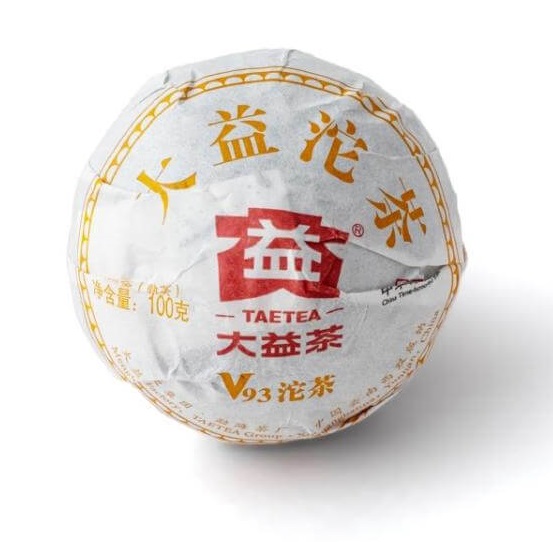
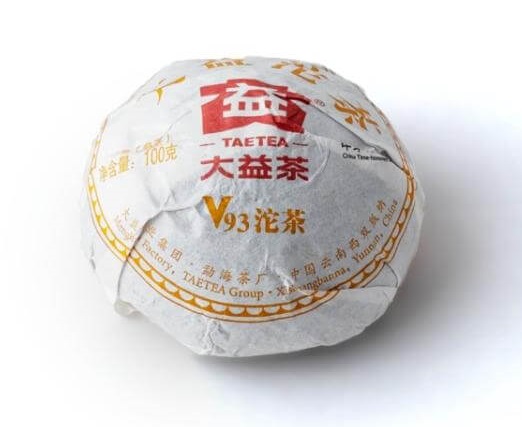
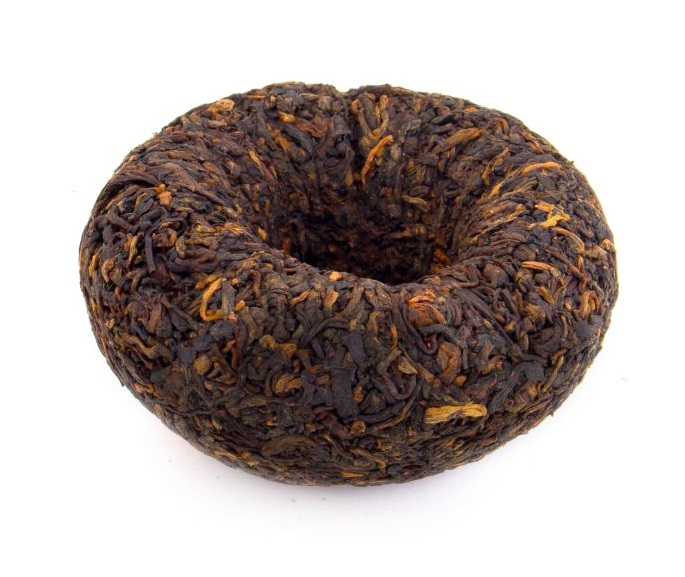
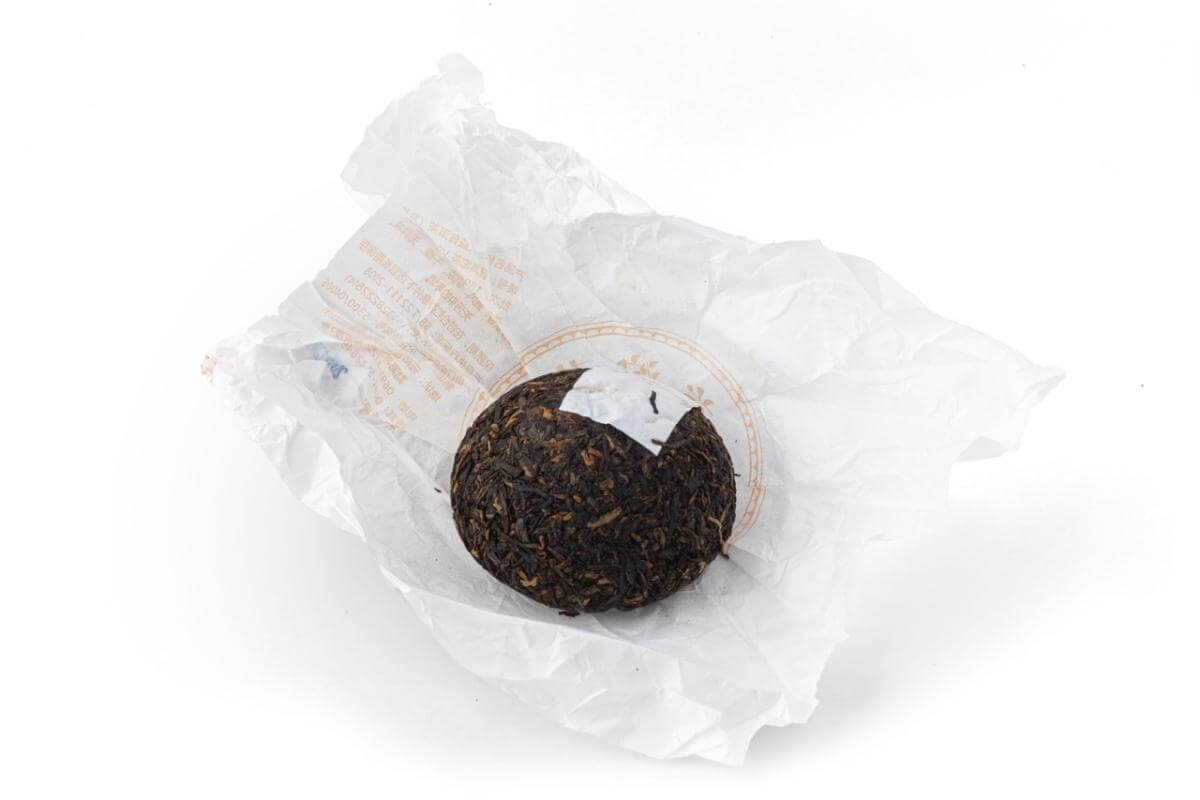
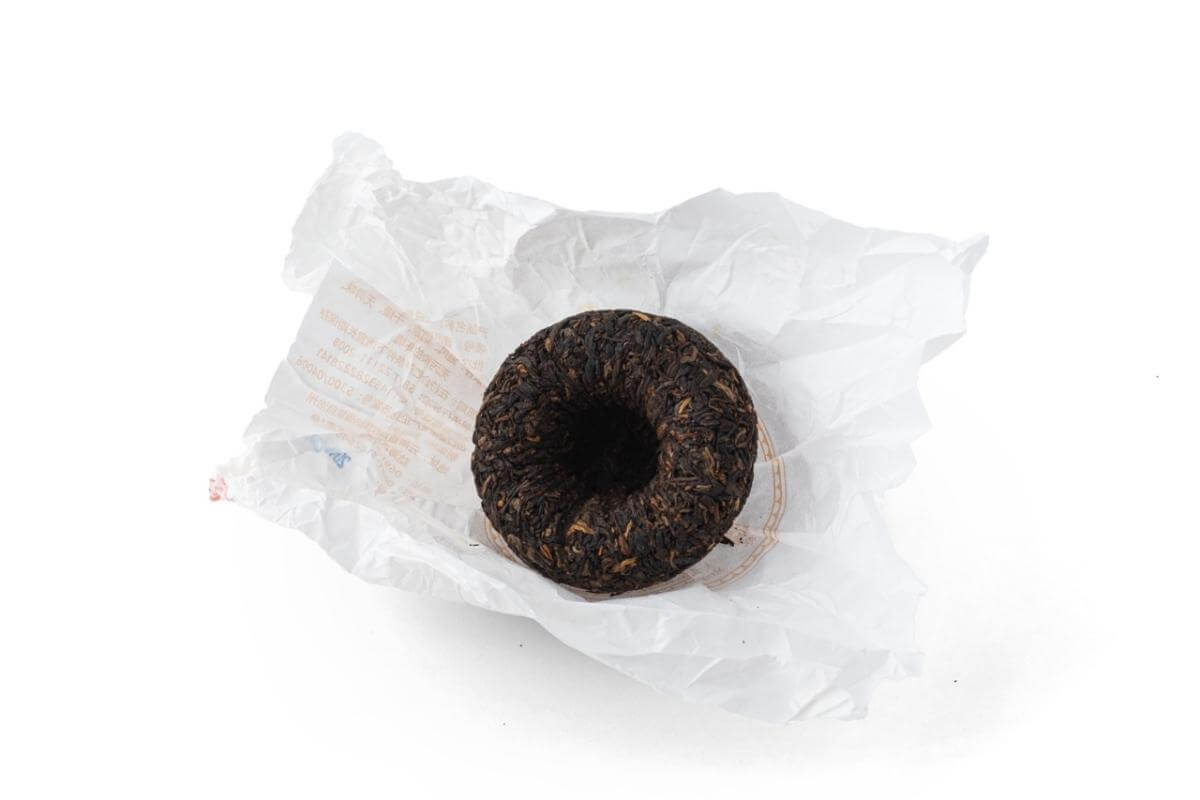
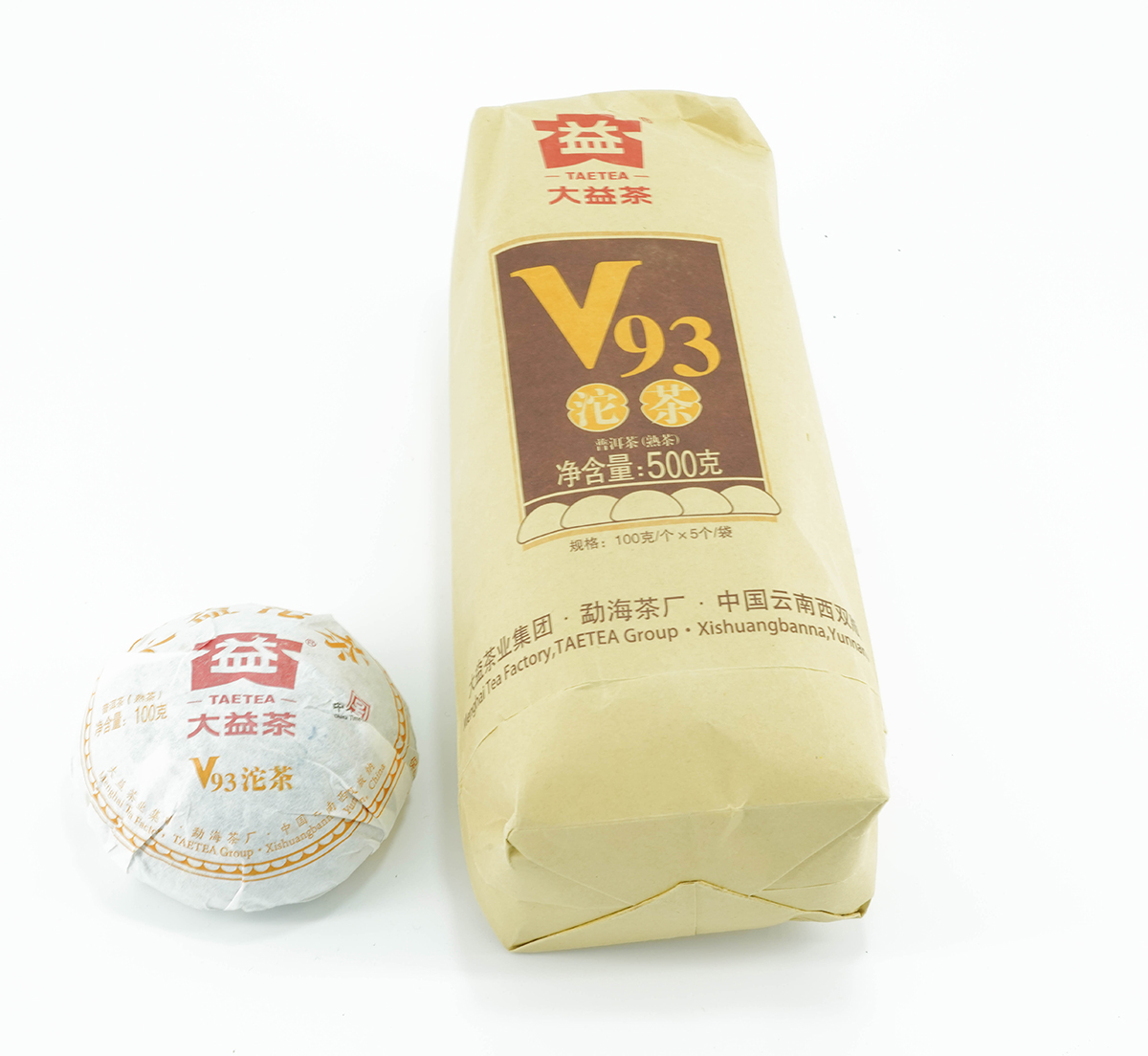
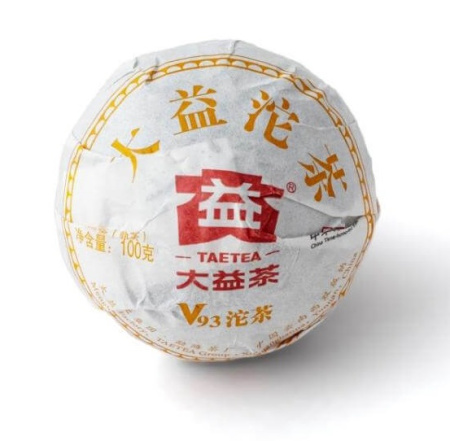
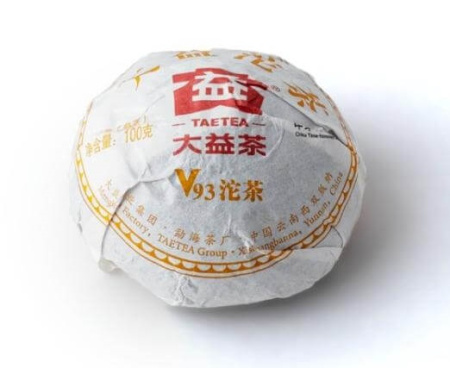
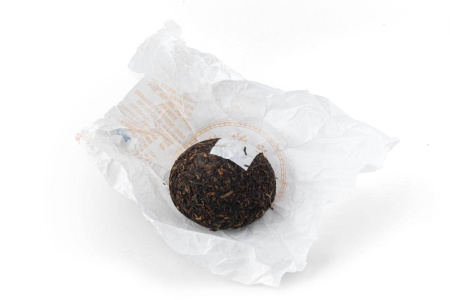
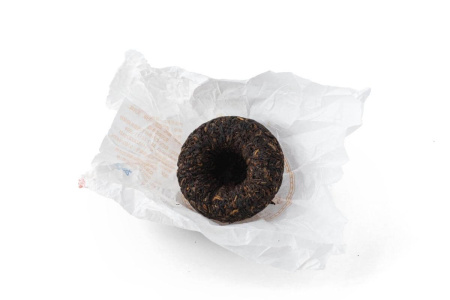
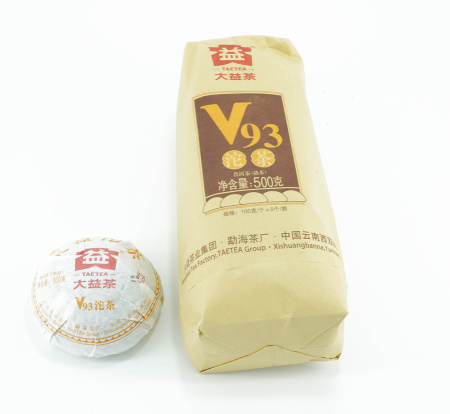
The legendary V93 shu pu-erh from the renowned Menghai brewery, affectionately known among tea lovers as "Veshka," is considered the embodiment of the classic shu pu-erh taste. The 2018 "Veshka" was a remarkable success, truly classic and unique.
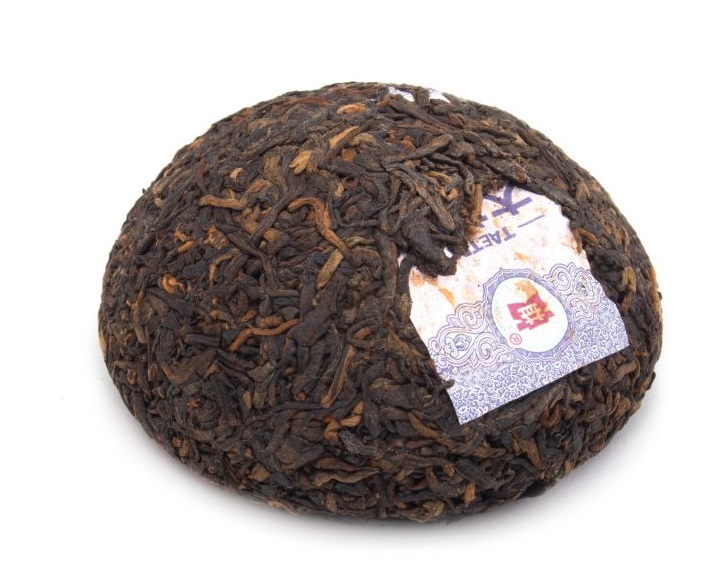
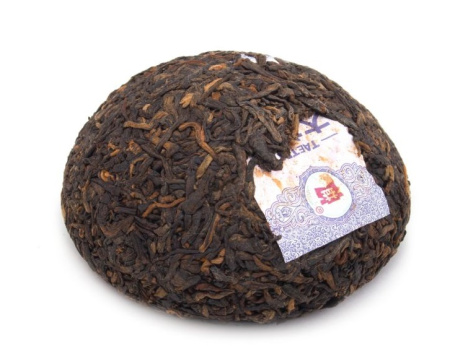
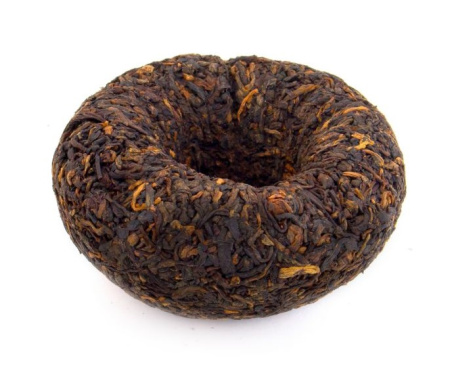
When dry, it has a bright, velvety aroma with a slight acidity and a chocolate-creamy-nutty profile.
The "V93" infusion is oily, viscous, and enveloping. The flavor is rich in chocolate-covered prunes, nutty undertones, and creamy caramel notes that play harmoniously in the background. Throughout the tea session, the flavor changes smoothly, with notes of dark chocolate and walnut gradually taking center stage.
The finished infusion is a dark reddish-brown. This pu-erh tea blossoms beautifully in a Yixing clay teapot and holds up to six full steeps.
The finish is rich, long, and dense, suggesting creamy homemade baked goods, nuts, and prunes.
A pleasant feature is that the 2018 "V93" shu pu-erh tea has a strong, classic tea effect. Its effects are clearly noticeable: it sobers, infuses strength, determination, and charisma. It promotes vigor, clarifies the mind, increases qi (vital energy), and calms the nervous system.
Vyshka is perfect for morning tea, performs well during the day, and is very good in the evening. Its convenient 100-gram To Cha format, reasonable price, clear flavor, and strong tea body make V93 Pu-erh an ideal choice for everyday tea drinking.
|
Name in Chinese
|
大益普洱沱茶V93 |
|
Pinyin
|
dàyì pǔěr tuóchá V93 |
|
Translation
|
Dai V93 Puer Nest |
|
Country
|
Китай |
|
District
|
Xishuangbanna Dai Autonomous Prefecture |
|
Provinces
|
Юньнань (云南) |
|
Manufacturer
|
Мэнхай (勐海) |
|
Date of raw material production
|
2018 |
|
Year of pressing
|
2018 |
|
Recipe
|
V93 |
|
Pressing form
|
То ча (гнездо) |
|
Declared weight, g
|
100 |
- Reviews
- Vkontakte
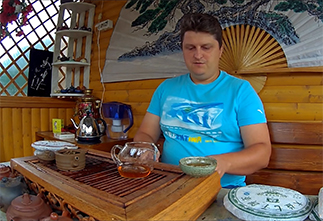

Menghai (Chinese: 勐海 茶厂, pinyin: měnghăi cháchăng, official website of the plant: http://www.dayitea.com ) is one of the oldest and most respected tea brands in China. Menghai Tea Factory produces more than 750 tons of tea of more than 120 types per year. The plant owns 220,000 acres of tea plantations, it is the second largest plant in the province, the number of people working there exceeds 800 people. 48 products of the plant have been awarded at various times by the provincial and national governments.
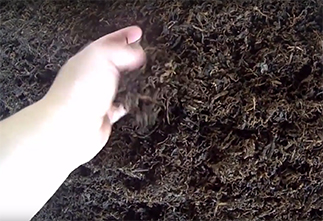
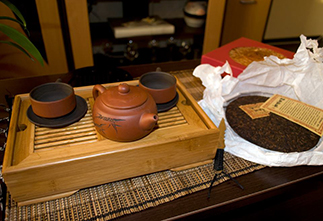
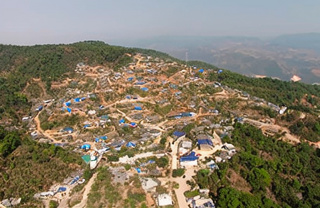
Traveling through the tea mountains, we found ourselves in another land of blue roofs - the village of Zhongcai, which is located in the Menghai district of Yunnan province. According to tradition, we were shown another local tea tree, which, according to the Chinese, is at least a million years old :) The village is very authentic, not designed for tourists, there are many wild pu-erhs there and, of course, we were warmly received. They treated us to local cuisine and tea. We also asked the residents about the prices of tea and how they have changed in recent years.
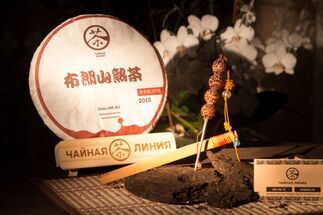
The tea ceremony holds a special place in the centuries-old Eastern tradition. While its essence remains constant, the nature and external manifestations of the tea ceremony vary among different cultures. Each Chinese province has its own distinct tea ceremony and tea used: for example, residents of the southern provinces prefer green tea, while those in the northern provinces prefer red tea. Oolong tea is more commonly used in Fujian Province, while Pu'er tea is widely known in Yunnan Province.
Need a consultation?
Our specialists will answer any question of interest


