



Наука – как правильно заваривать пуэр
A common question is: how to brew pu-erh tea properly? Sometimes the phrase "to get high" is added. And everyone has their own interpretation of this phrase. Some mean vigor, others intoxication. So how do you brew pu-erh tea properly? Let's consider several options.
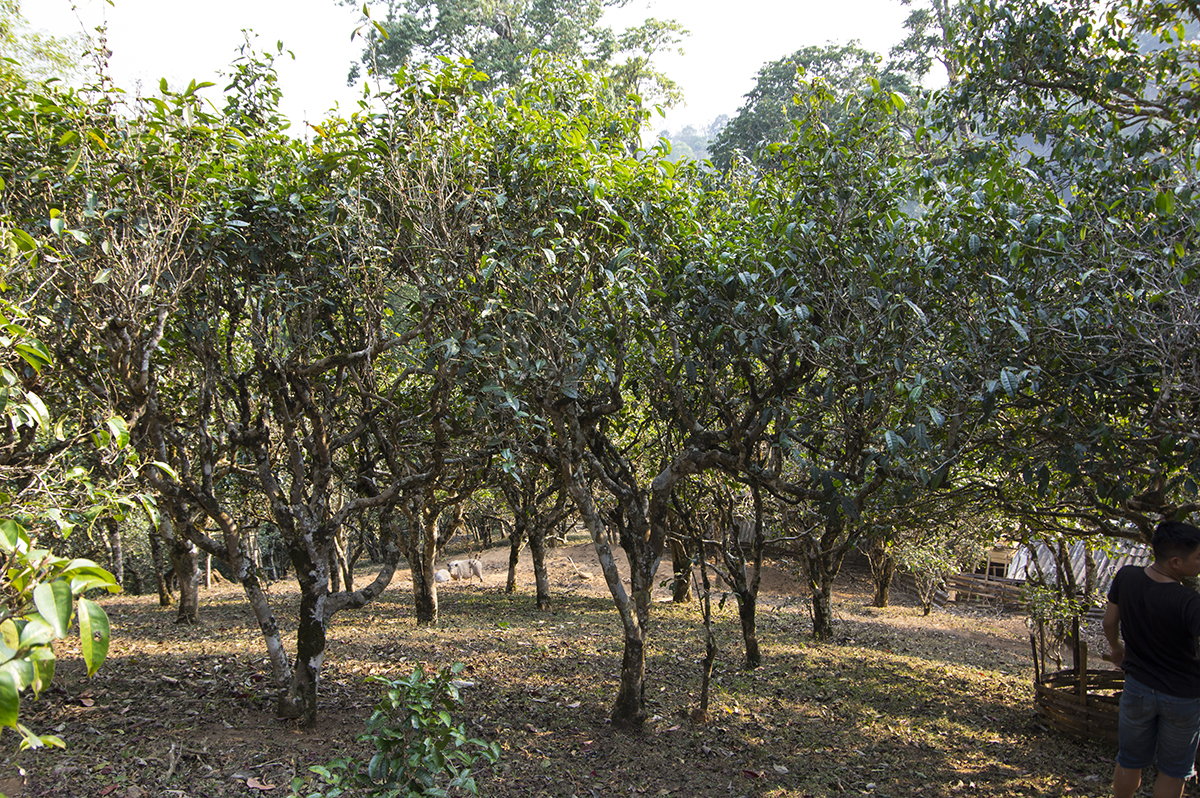
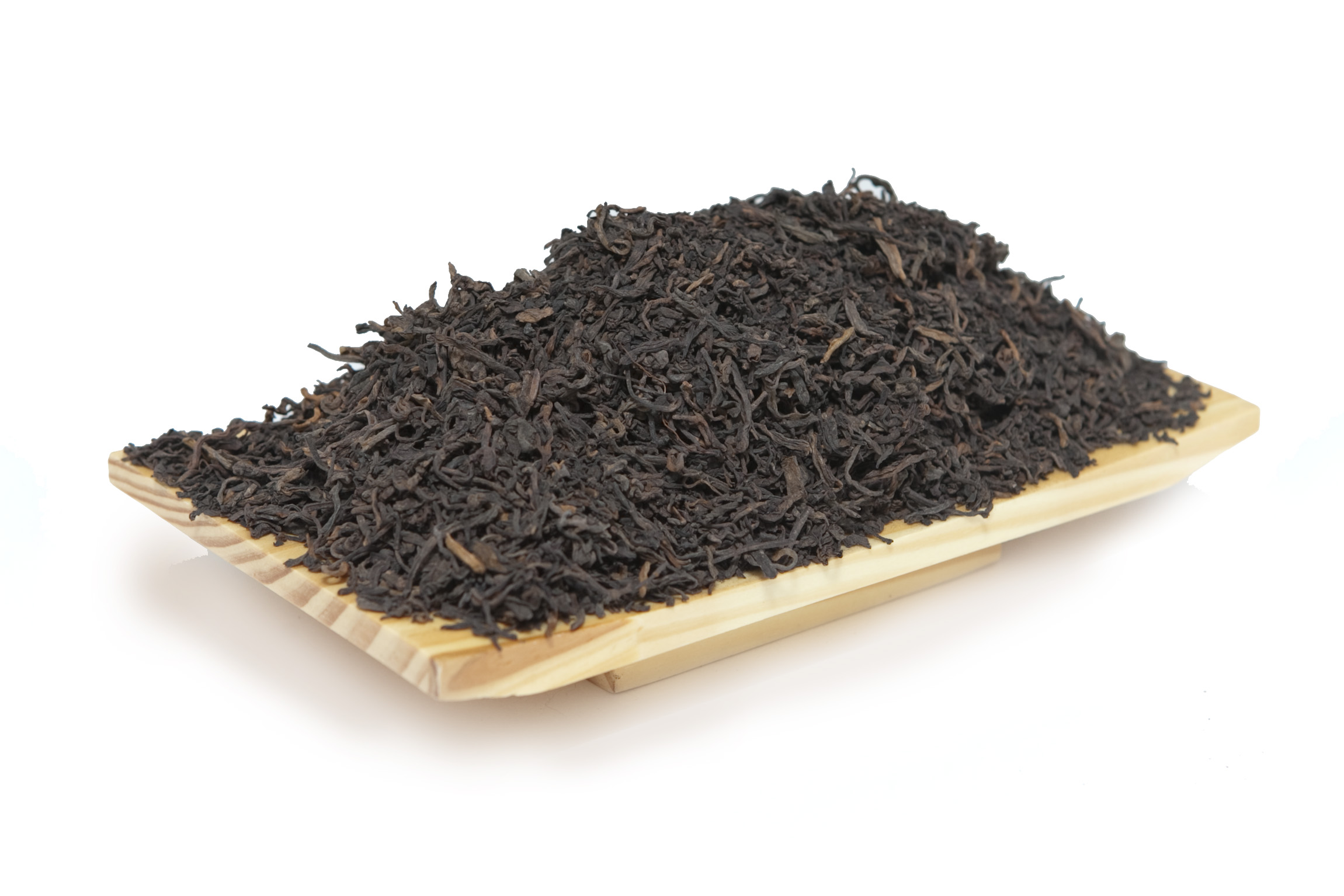
Let's start with brewing temperature. Anyone with even the slightest interest in tea and tea culture knows that the temperature of the water for brewing directly depends on the degree of fermentation of the tea. The most highly fermented tea is shu pu-erh . For it, a temperature of 90-100°C is generally recommended . For sheng pu-erh, a temperature of 85 to 95°C is recommended , depending on the age of the tea: the older the tea leaf, the higher the water temperature should be.
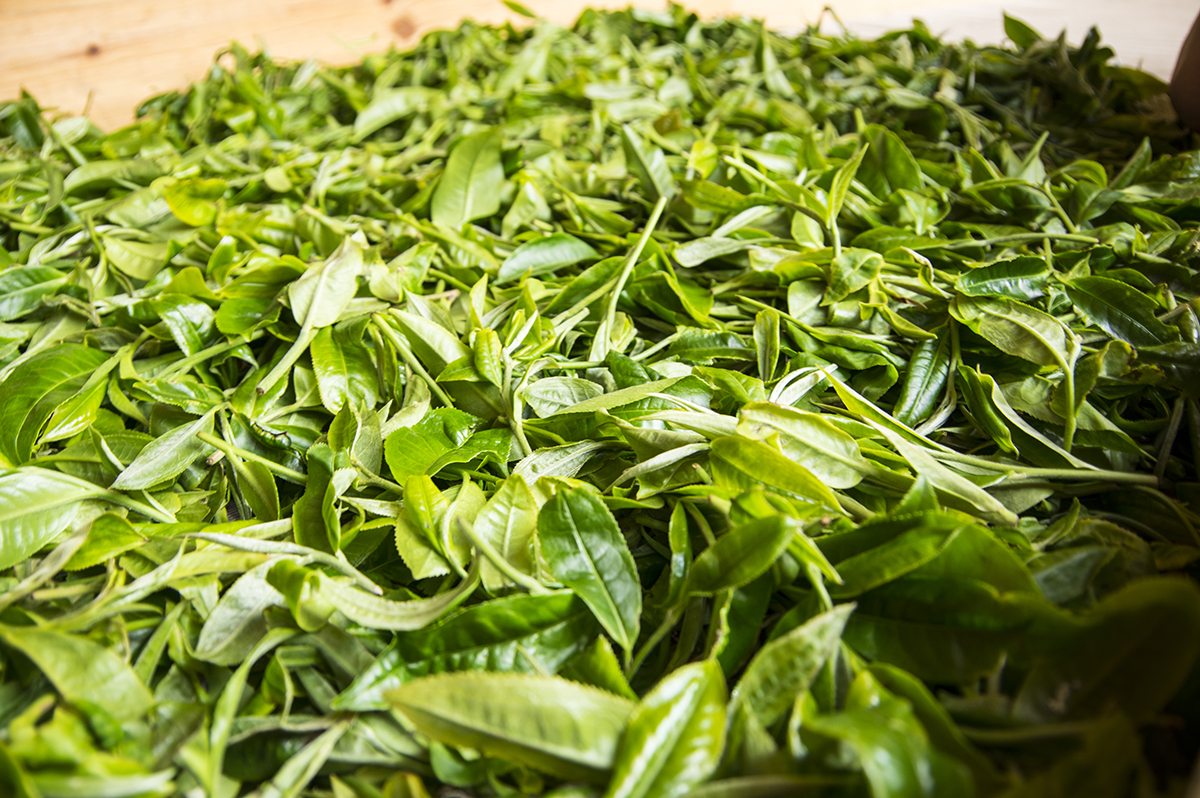
It's worth noting that boiled water, that is, water heated above 90-95°C, not only disinfects but also loses its beneficial properties. Drinking unboiled water can lead to kidney stones. If you want to preserve the beneficial properties of water but don't want to risk your health, we suggest following a few simple recommendations...
Tap water should be filtered through softening filters and preferably allowed to settle, ideally on shungite stones. Pure natural spring water can also be used, and under these conditions, there's no need to boil it. This way, both the water and the tea itself will retain their beneficial properties, and its flavor should be more natural, pure, and unadulterated. If you can't or don't want to follow these recommendations, brew shu pu-erh with boiling water, and for sheng pu-erh, wait 5-7 minutes.
Before drinking tea, it should be rinsed, meaning the first steeping should be discarded. This is done with absolutely all varietal teas. Some believe that the first steeping should not be discarded for white, yellow, and green teas , such as Bai Hao Yin Zhen, Meng Ding Huang Ya, or Liu An Gua Pian , as these teas don't last long enough. However, we recommend discarding the first steeping for all teas, especially pu-erh.
There are two ways to rinse pu-erh tea . The first is to first rinse the tea leaves in cold water, then pour hot water over them, then discard this infusion. After this, the tea is ready to brew and drink. The second method is to pour hot water directly over the leaves and discard the first two steepings. Why is this necessary? This disinfects the tea and allows the tea leaves to develop their aroma. This ensures that the next steeping you drink will have a richer flavor.
There's also a common belief that shu pu-erh is disinfected by roasting before brewing, but we'd rather classify this as a pu-erh legend. There are countless such legends. For example, many are familiar with the rumor that pu-erh tea is aged in the ground for years, which is why it has an " earthy flavor ." In fact, one can only sympathize with those who know what earth tastes like. It's quite amusing to watch how tales spread. Try, for example, telling someone that to create a special aroma and better fermentation, pu-erh tea should be aged on the balcony, wrapped in a "Health" magazine, hidden in the felt boots of your third-generation great-grandfather. And don't be surprised if, after a while, someone presents you with this story as an ancient Chinese instruction manual on storing pu-erh tea.
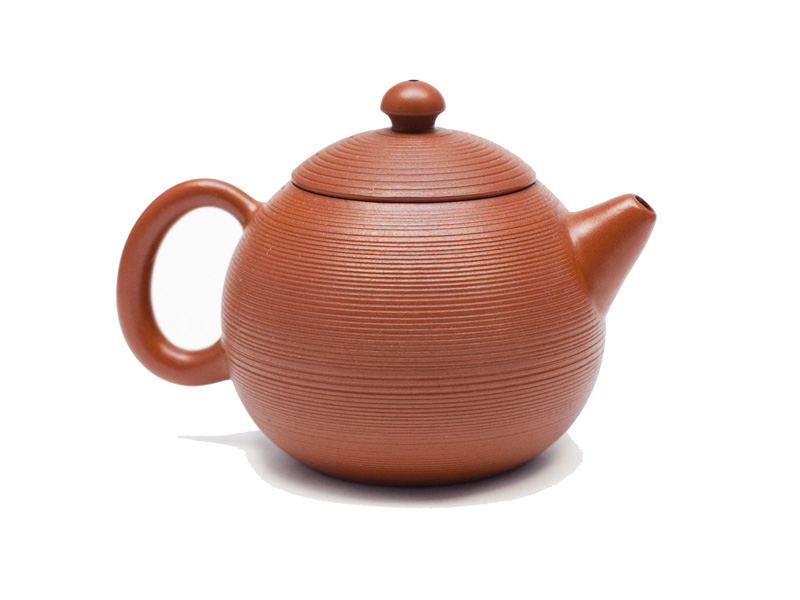
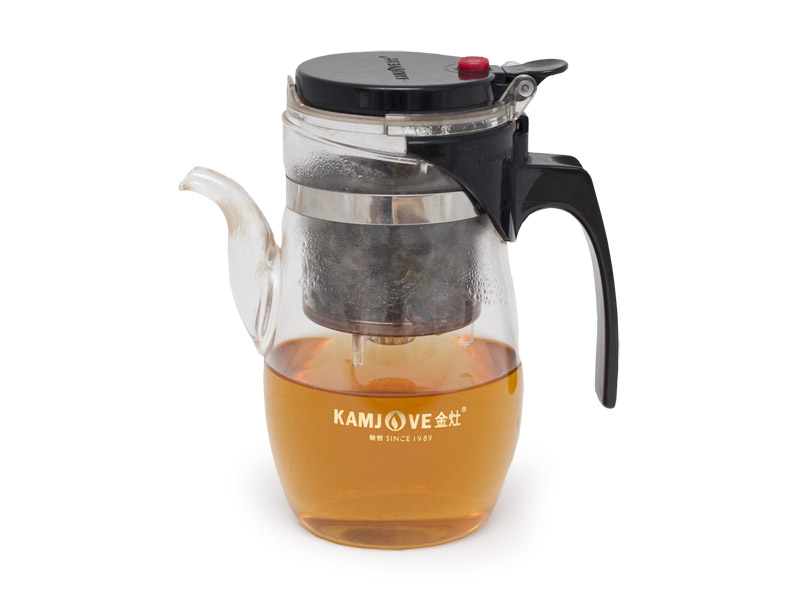
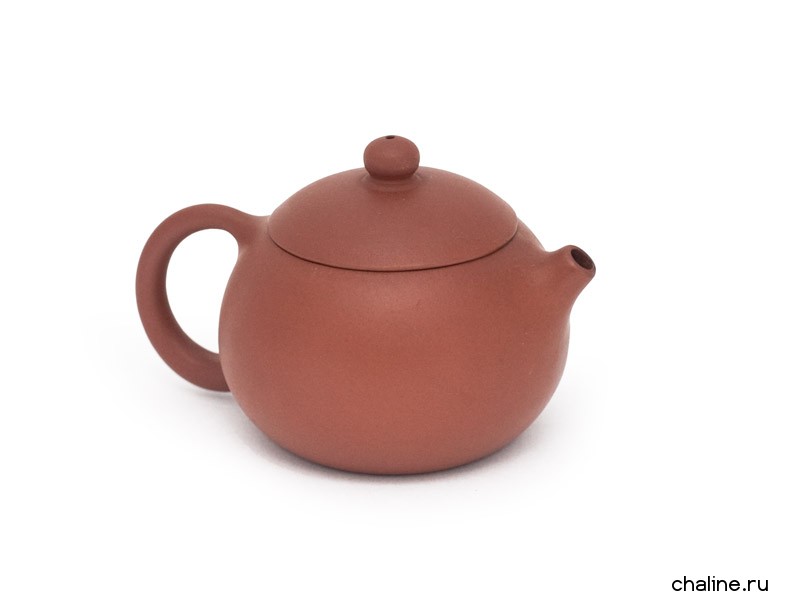
For brewing pu-erh, it's best to use a clay teapot , ideally Yixing clay . It maintains the temperature best and allows the tea to steam more effectively—especially beneficial for strong tea lovers. This is one of the reasons why thermoses are so popular among pu-erh enthusiasts. If you're brewing young sheng or white pu-erh, you can also use a ceramic or porcelain gaiwan, a glass flask, or any teapot with a drain system.
It's important to remember that only one type of tea should be brewed in a single clay teapot. This is because, over time, a tea stain forms inside the teapot, which shouldn't be removed with abrasive cleaners. Thanks to this stain, over the years, the same tea acquires an increasingly richer flavor, new pleasant notes, and nuances of aroma—this science is called " teapot cultivation ." Therefore, if you cultivate another tea in your single clay teapot, for example, the famous light oolong tea, Tie Guan Yin, it's best to buy a different teapot for pu-erh.
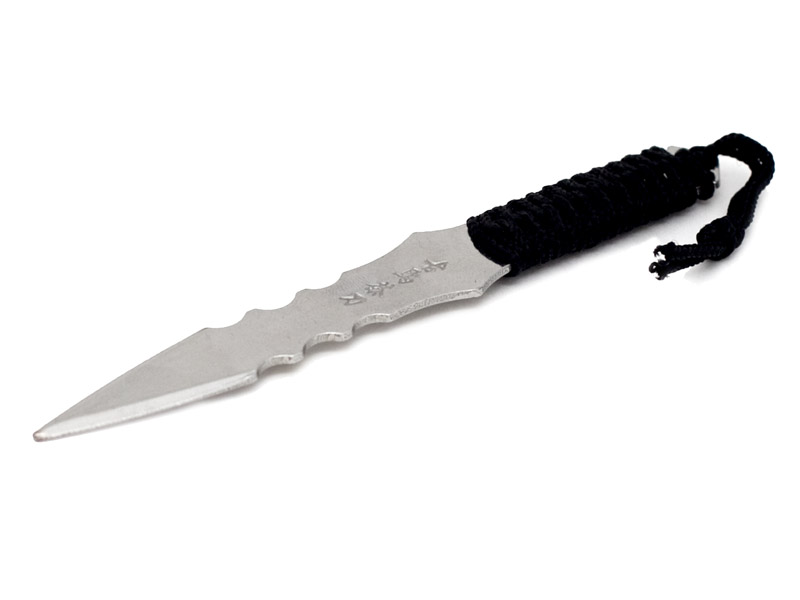
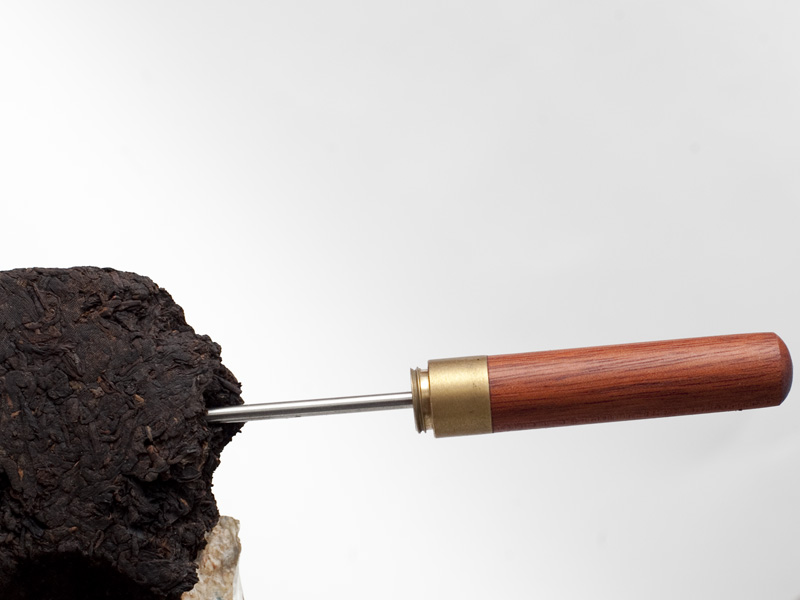
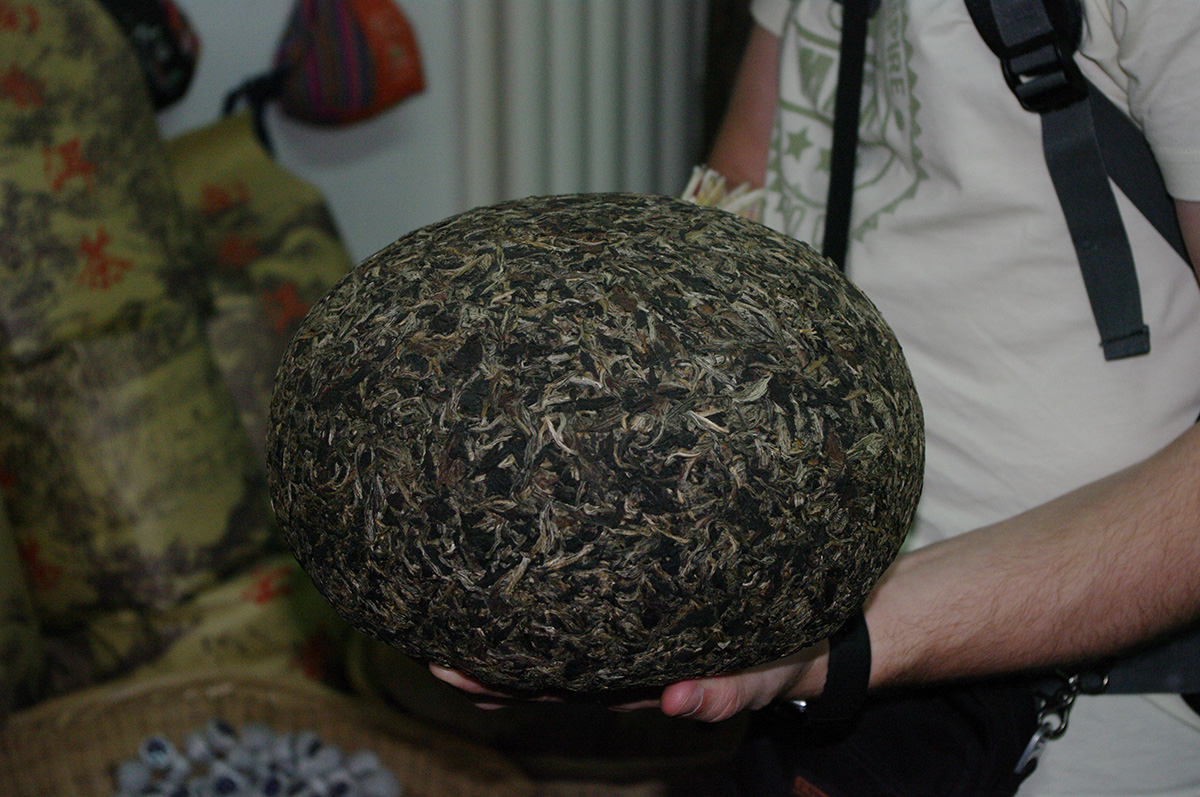
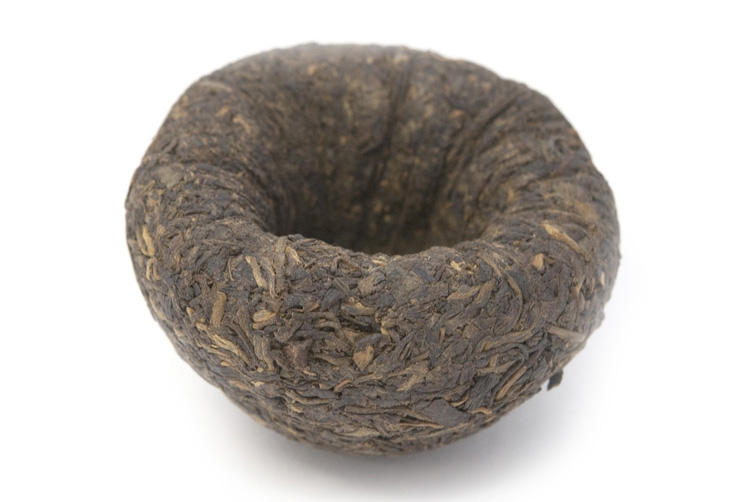
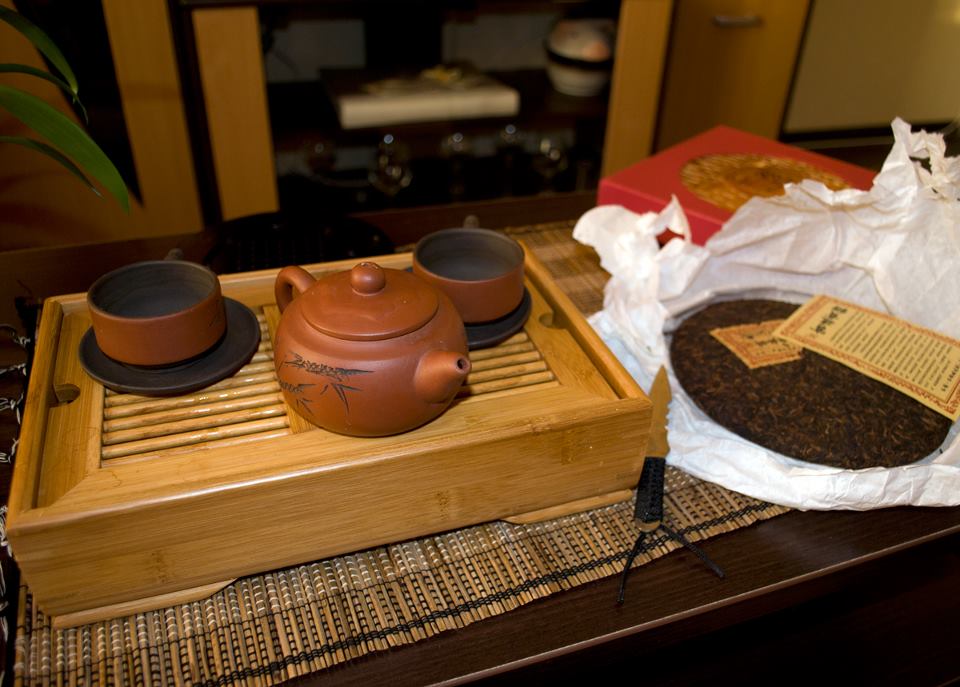
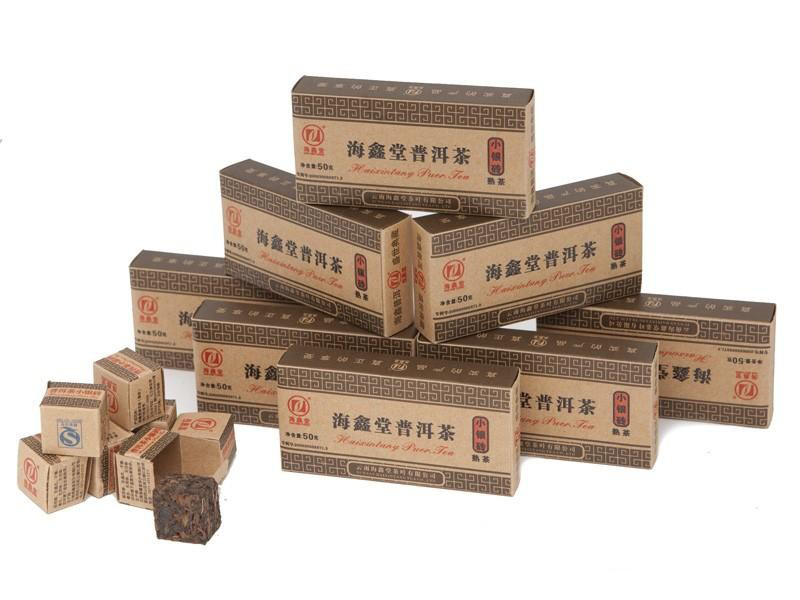
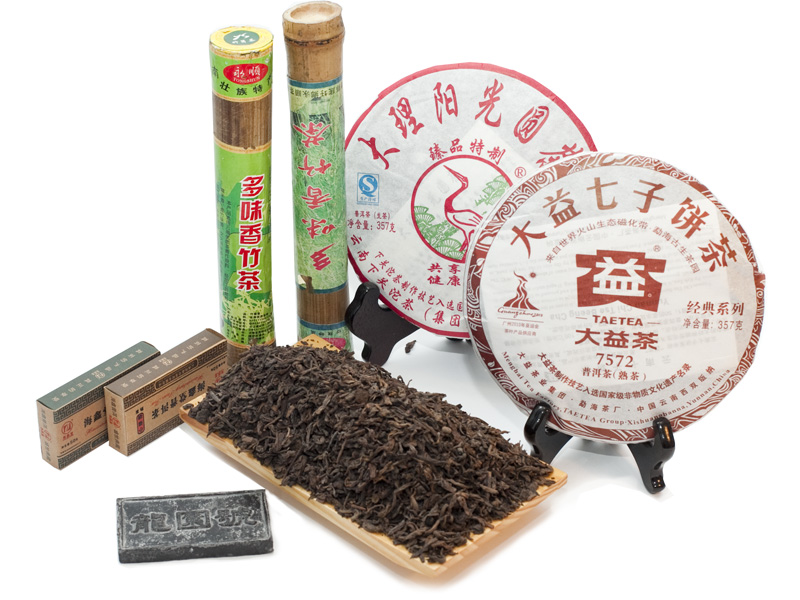
Before brewing tea, warm the teapot by pouring boiling water into the teapot or gaiwan for half a minute. Once the teapot has warmed up and the water is at the optimal temperature, add the tea at a rate of 7 grams per 100 ml for loose leaf tea. If you're brewing pu'er tea pressed into a cake, brick, or tochu and want it to produce the richest infusion as quickly as possible, break off a piece of the cake with a pu'er knife and crumble the broken piece with the same tool. More loose leaves means better contact with the water. If you want the tea leaves to steep for a long time, gradually releasing all their juices into the water, it's best to leave the pressed tea piece in its original form. There are also mini tochus with a very fine pressing that is simply impossible to crumble. For example, mini tochus from the Hai Sin Tang factory are famous for this type of pressing. When brewing this mini tocha, it's best to let the first steeping take a little longer, allowing the well-pressed tea to lose its shape and begin to swell. Only then will it begin to release its juices.
Sheng pu-erh can become bitter if over-steeped. This tea is more delicate than shu pu-erh. Sheng is best steeped, holding the tea leaves in the water for no more than 5 seconds. If the infusion seems too weak after this time, you can increase the steeping time. White pu-erh also exists; its steeping process is similar to that of young sheng. For the first two or three steepings of high-quality shu pu-erh, steeping is sufficient. Any tea steeped in subsequent steepings should be steeped longer, gradually increasing the steeping time by 10-15 seconds with each subsequent steeping. If the tea leaves have been in contact with water for too long, for example, more than an hour, this tea should not be consumed. The tea leaves oxidize, release tannins, and the tea develops an unpleasant bitterness. This tea is considered harmful rather than beneficial.
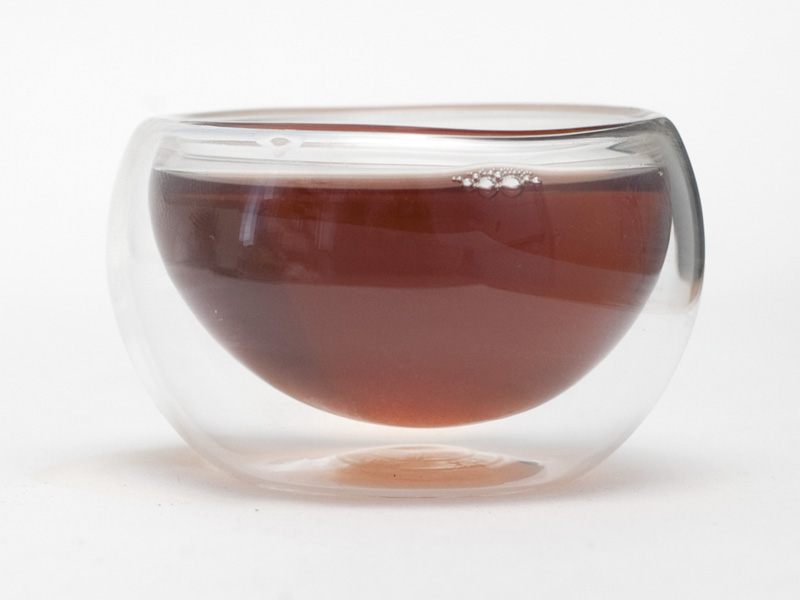
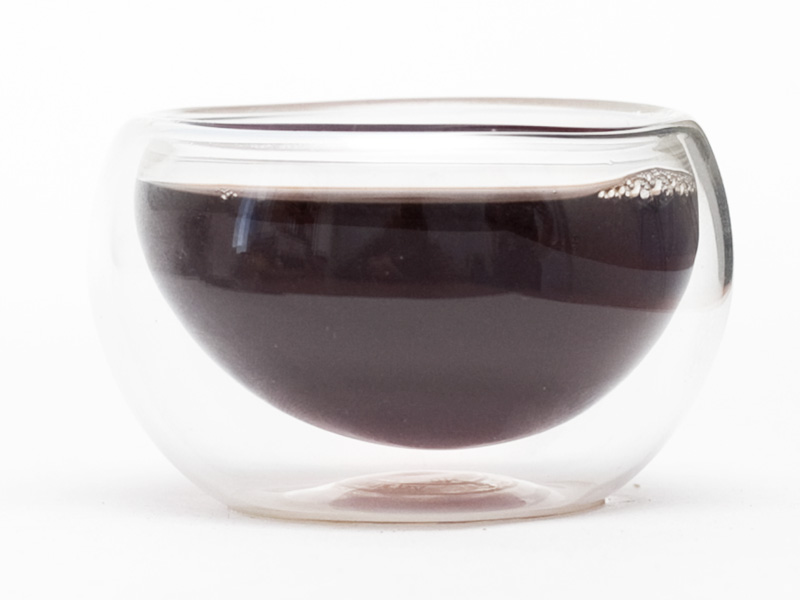

It's also worth paying attention to tea additives. If you're drinking genuine, high-quality Chinese tea, never add sugar—it will overpower the tea's true flavor. If you have a cold, you can drink young sheng pu-erh tea with honey. In all other cases, adding sugar, milk, condensed milk, lemon, or buckwheat to pu-erh tea will spoil the product.
These are the key points to consider when brewing tea. We also recommend reading our article on brewing tea using Lu Yu's method . You can also purchase pu-erh tea in our online store.
Menshikov-Salyuk Dmitry Alexandrovich