







-
9 Saturation
-
8 Aftertaste
-
9 Aroma
-
10 Effect
-
8 Balance
-
9 Body
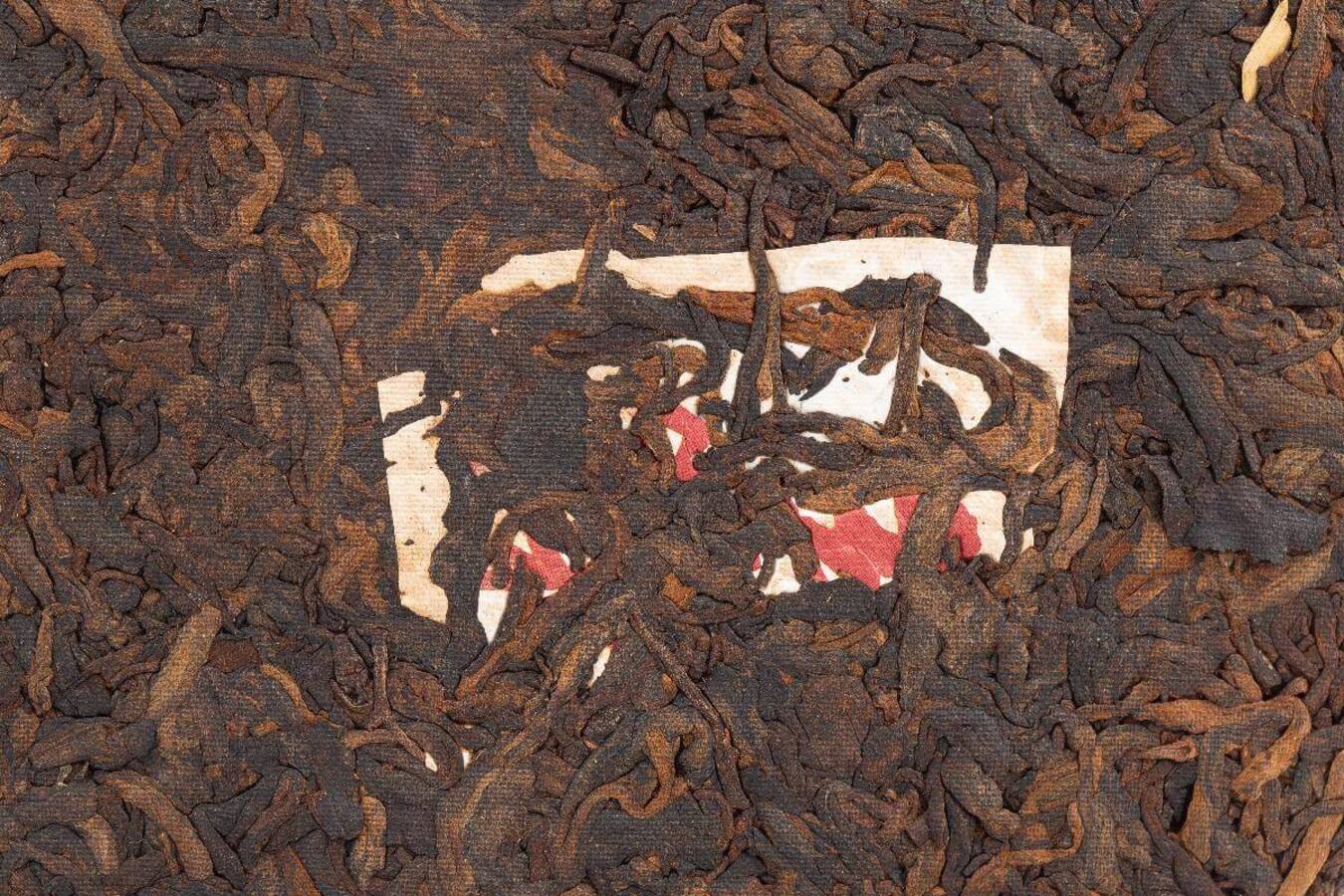
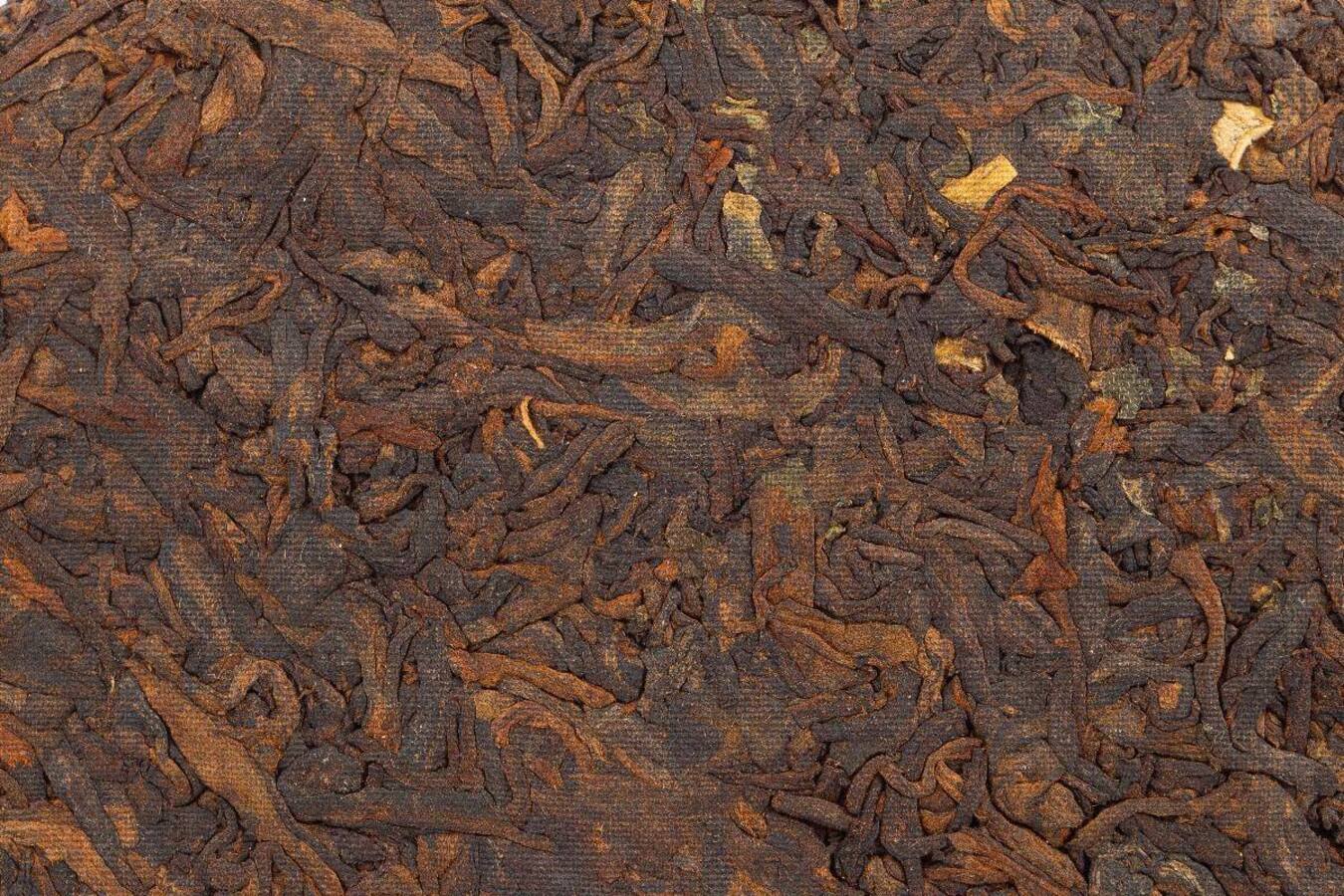
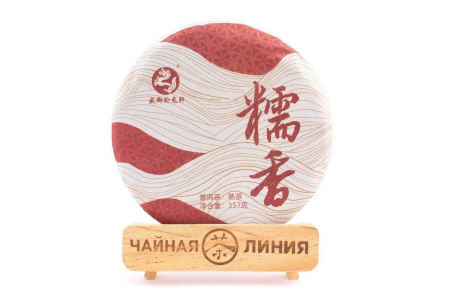
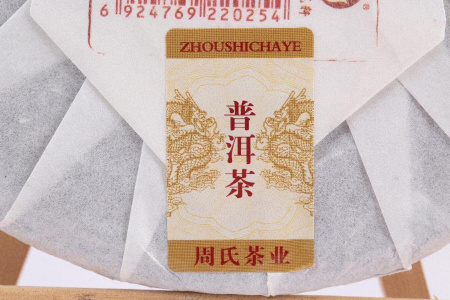
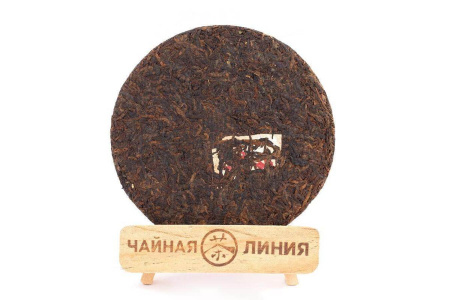
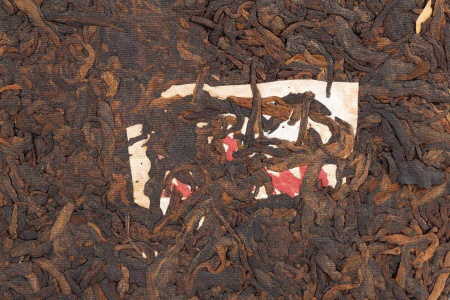
Shu Pu'er "Nomisyan" 2016 from the Zhoushi factory: Unique taste and aroma
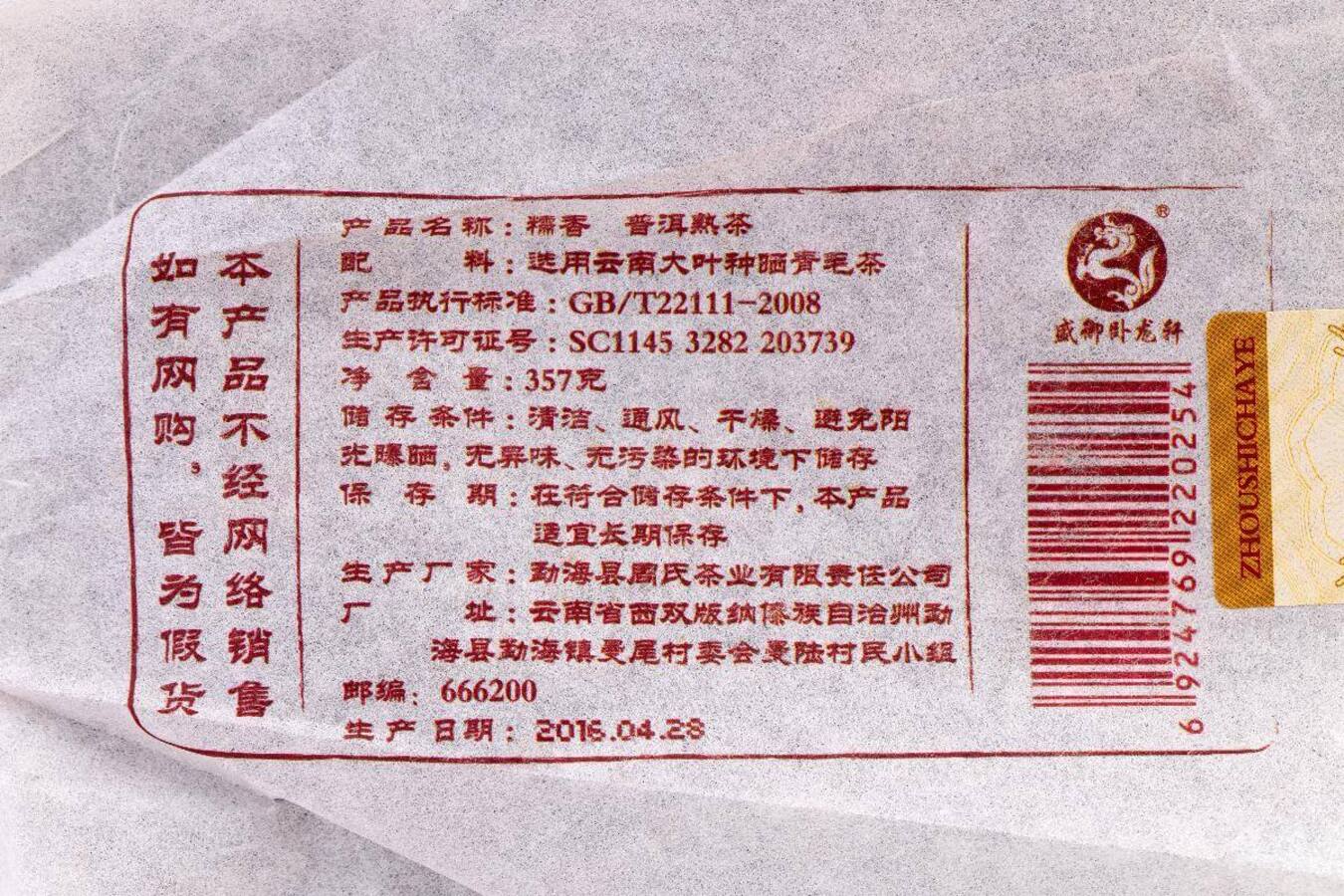
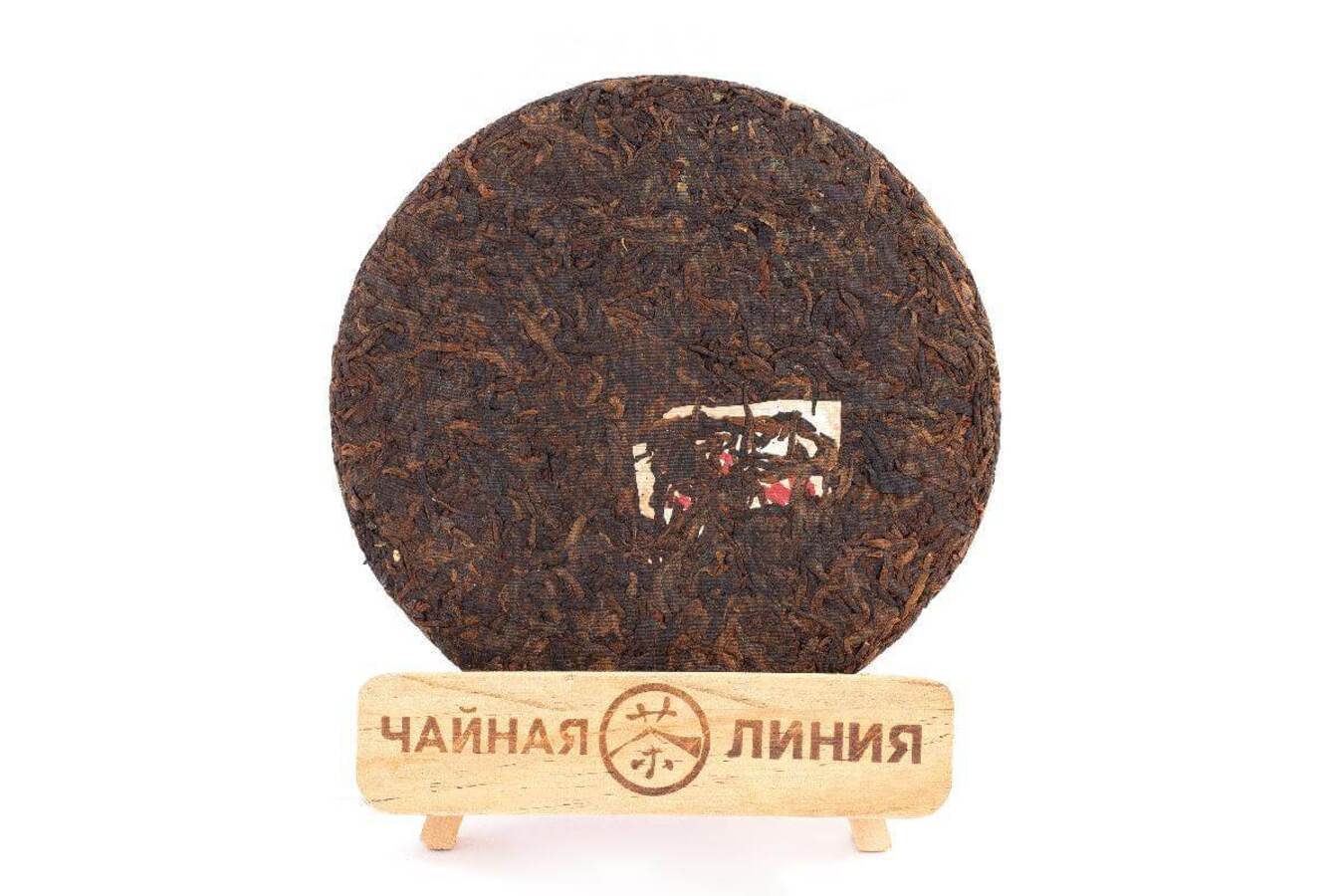
Shu pu-erh "Nomisyan" (Chinese: 糯米香, pinyin nuòmǐ xiāng) 2016 from the Zhoushi plant (周氏, Zhōu shì) is a truly unique tea that attracts connoisseurs with its unusual aroma and flavor. The name "Nomishan" translates as "aroma of glutinous rice," but this pu-erh tea has nothing to do with rice. It gets its name from the nomi herb, which imparts its unique aroma.
Production and composition
This pu-erh is produced in the Xishuangbanna Dai Autonomous Prefecture, renowned for its tea plantations. To create this unique flavor, the tea leaves are blended with nomi leaves in specific proportions. This herb gives the tea its distinctive aroma and flavor.
Taste and aroma
The aroma of this pu-erh is difficult to describe in words. It is very bright, rich, and memorable. It combines notes of wood, spices, and, of course, nomi. After steeping, the aroma becomes even more intense and reveals new facets.
The tea's flavor is also striking in its complexity. It's sweet, with a slight bitterness and a pleasant aftertaste. Notes of nomi are clearly present, lending the tea a distinctive medicinal quality.
Beneficial properties
In addition to its excellent taste, Nomisyan pu-erh has a number of beneficial properties:
- Tones the body: Helps you wake up and recharge with energy.
- Improves digestion: Promotes normal functioning of the gastrointestinal tract.
- Strengthens the immune system: Due to its high antioxidant content.
- Has a warming effect: Especially useful in the cold season.
How to brew
For brewing Nomisyan pu-erh, we recommend using a porcelain gaiwan with a capacity of 150-200 ml. The water temperature should be around 95°C. 5-7 grams of tea is sufficient for one infusion. Steeping time may vary depending on personal preference.
Who is this tea suitable for?
Nomisyan Pu-erh is perfect for those who enjoy unusual flavors and aromas. It will appeal to both beginners and experienced tea connoisseurs. Its warming properties make it perfect for the colder months.
The 2016 Nomisian Shu Pu-erh from the Zhoushi Factory is a true gift for connoisseurs of Chinese tea. Its unique flavor and aroma, as well as its beneficial properties, make it an indispensable drink for those who value tradition and seek new taste sensations.
|
Name in Chinese
|
糯米香 |
|
Pinyin
|
nuòmǐ xiāng |
|
English name
|
Nomisyan |
|
Translation
|
Nomisyan |
|
Country
|
China |
|
District
|
Xishuangbanna Dai Autonomous Prefecture |
|
Provinces
|
Yunnan (云南) |
|
Region
|
Menghai (勐海) |
|
Manufacturer
|
Чжоуши (周氏) |
|
Year of pressing
|
2016 |
|
Pressing form
|
Bing Cha (Cake Tea) |
|
Declared weight, g
|
357 |
|
A variety of tea tree (bush)
|
Da Ye Zhong |
|
Length, cm
|
20 |
|
Width, cm
|
20 |
- Reviews
- Vkontakte
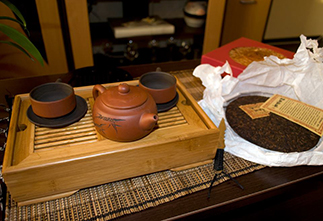
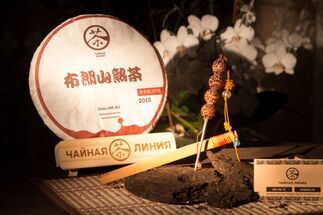
The question often arises: how to brew puerh correctly? Sometimes the phrase "to get high" is added to it. Moreover, everyone has their own understanding of this phrase. Some mean vigor, and some - intoxication. So how to brew puerh tea correctly? Let's consider several options.
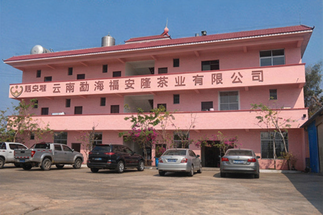
Well, finally we got to the Zhoushi puer factory, which is located in Menghai, Yunnan Province. We first purchased their cakes remotely several years ago and they were to the taste of Russian tea people. Now it's time to personally meet the owners and expand the range of this brand on the shelves of ChL. In this video, you will see the production process of the already familiar cakes, rare shots of the nuances of packaging and the atmosphere of such places.
The tea ceremony occupies a special place in the centuries-old Eastern tradition. And although the essence of this phenomenon remains constant, the nature and external manifestations of the tea ceremony in different nations have their own national characteristics. In each Chinese province, the tea ceremony and the tea used in it are varied: for example, residents of the southern provinces prefer green tea, and residents of the northern provinces - red tea, in Fujian province they more often use Oolong tea, and in Yunnan province Puer tea is widely known.


