



-
9 Saturation
-
8 Aftertaste
-
7 Aroma
-
9 Effect
-
7 Balance
-
8 Body
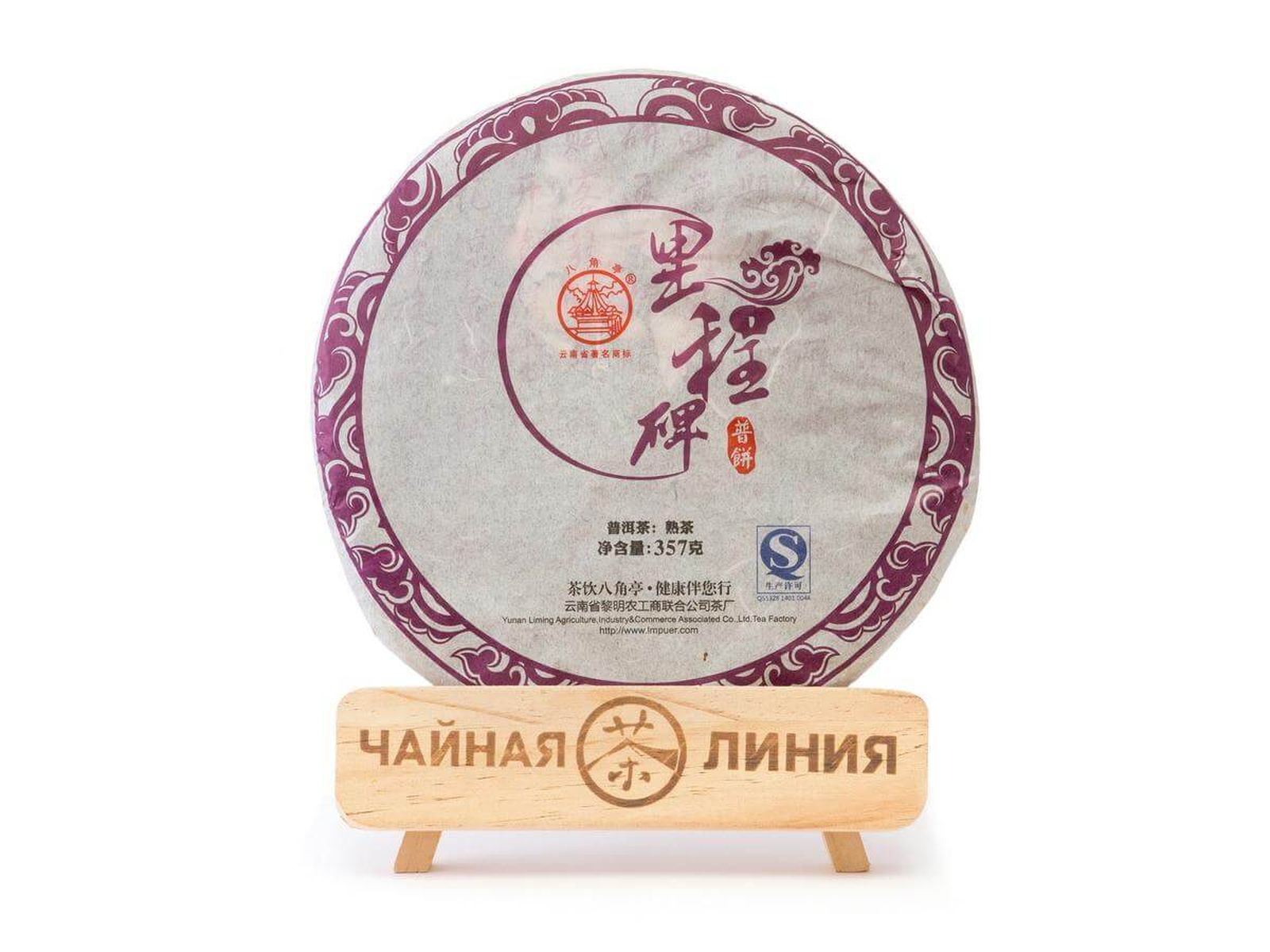
This tea is made from spring tea leaves harvested high in the mountains within Menghai County. The tea undergoes a special sorting process similar to that used for imperial tea production. In an effort to achieve the highest degree of aroma harmony and a strong flavor, the raw material is carefully selected in precise proportions.
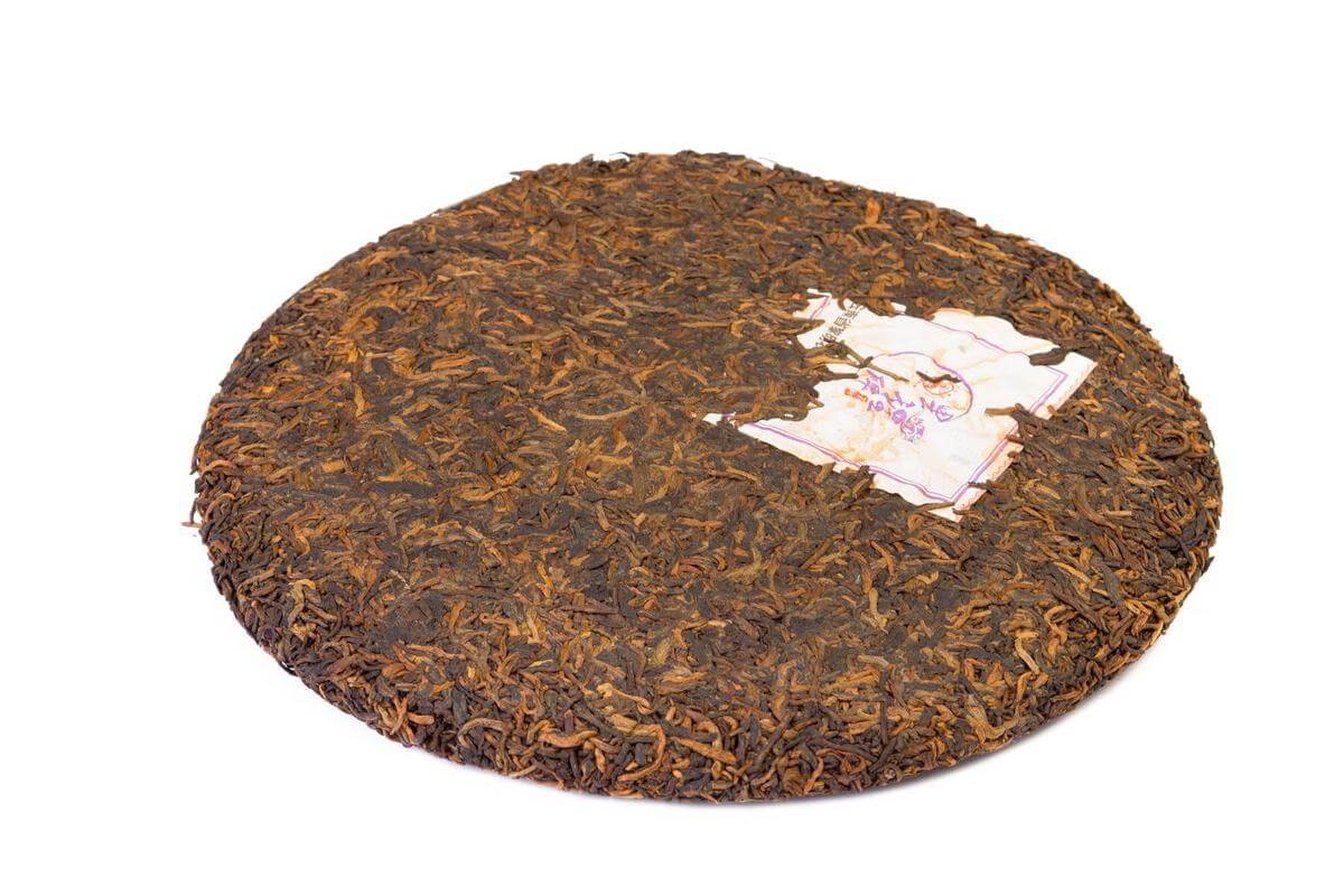
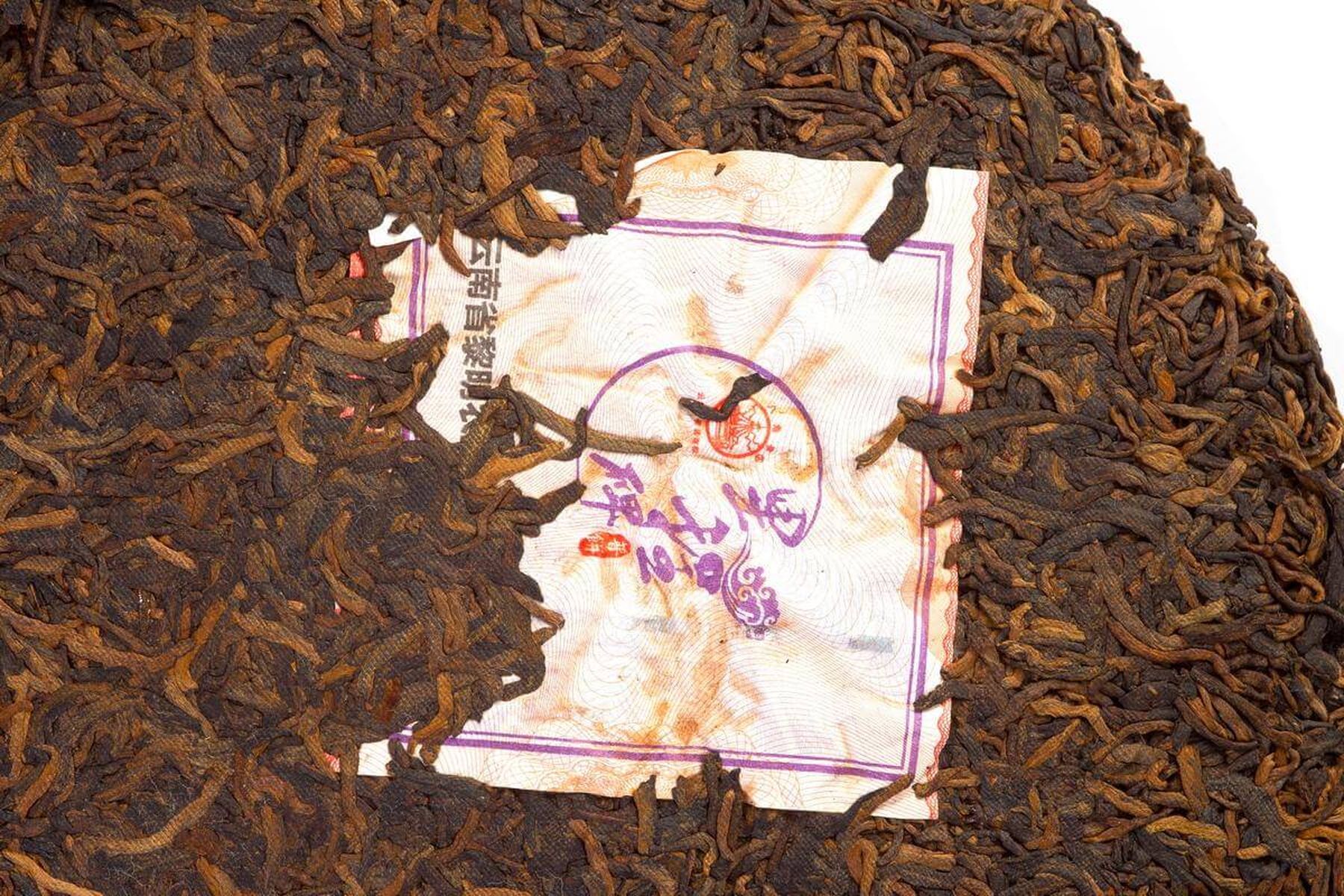
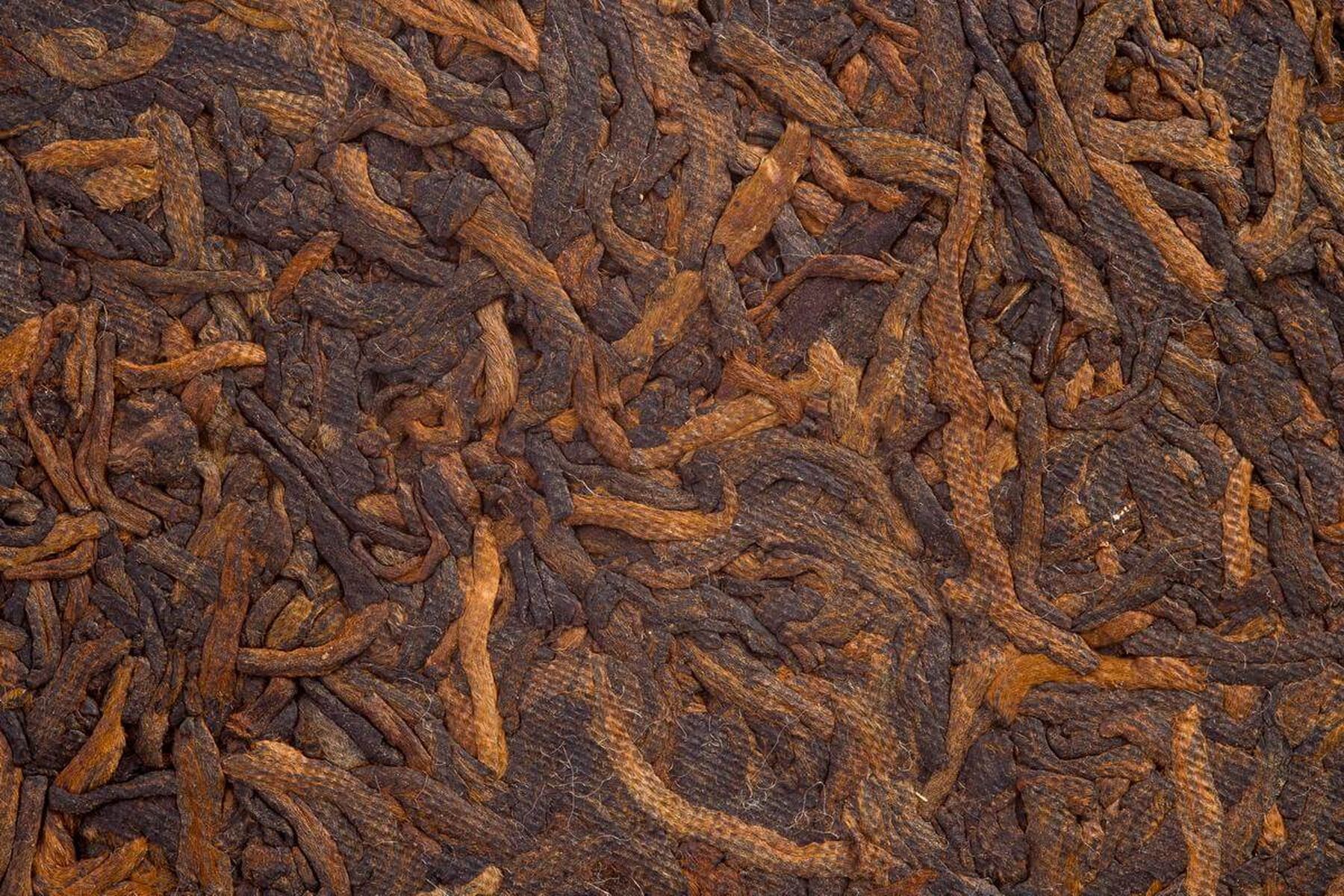
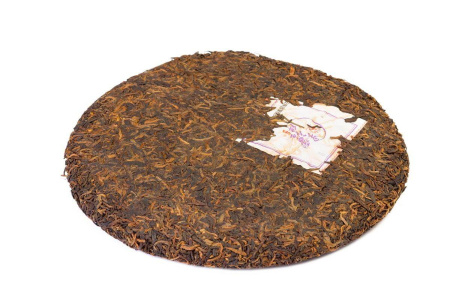
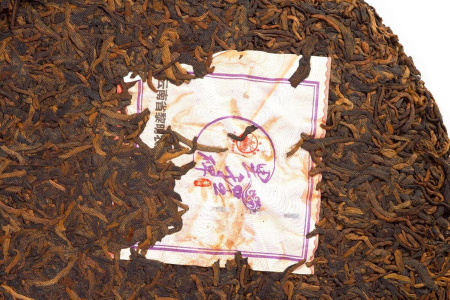
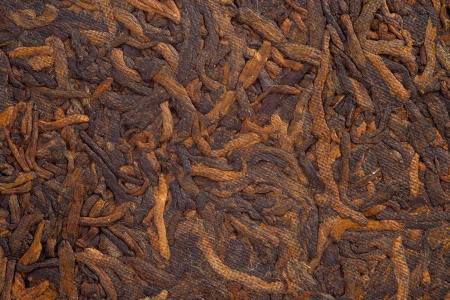
The result of this work was a smooth, shiny pancake made up of delicate buds and leaves with golden hairs, the appearance of which immediately speaks of a rich product.
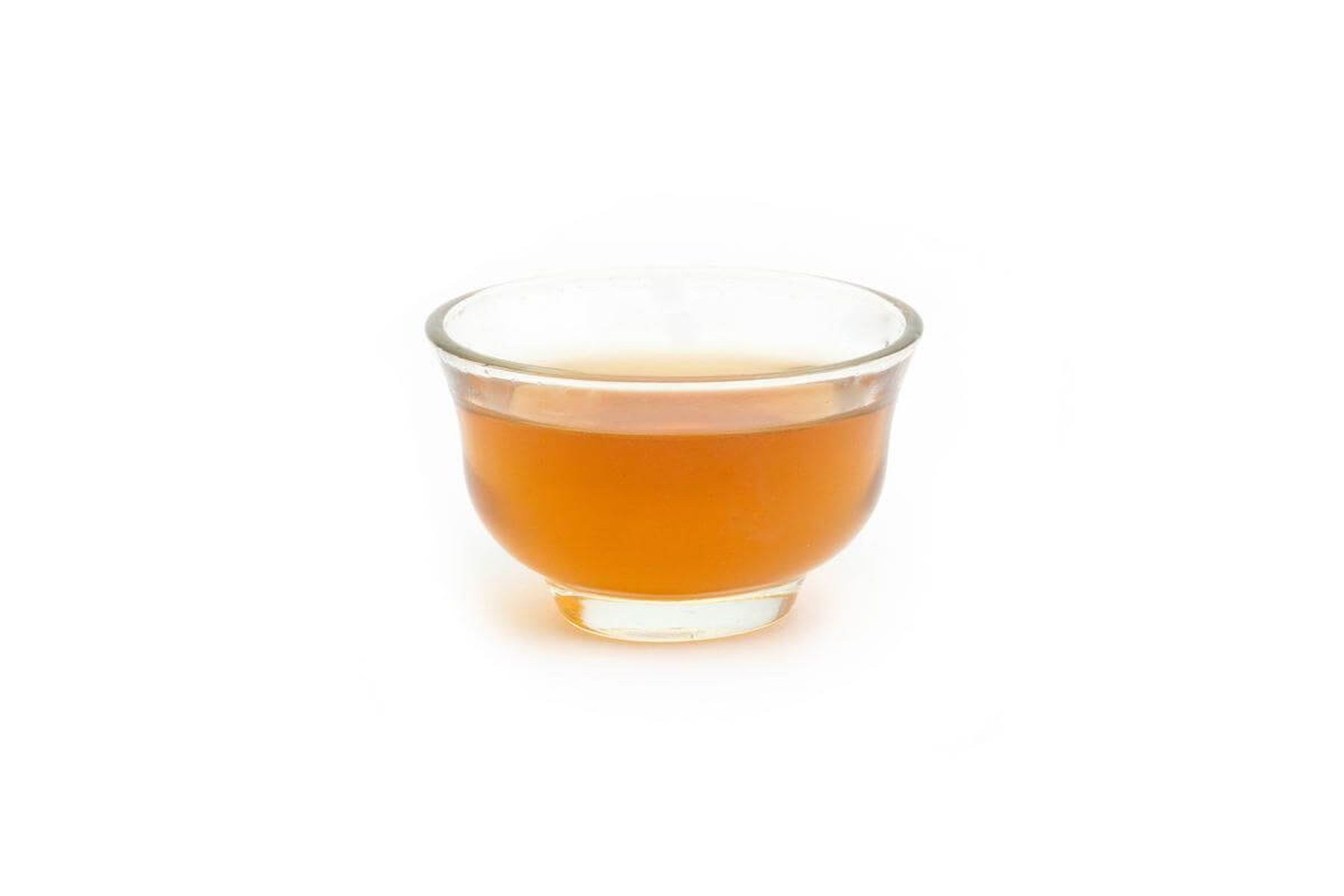
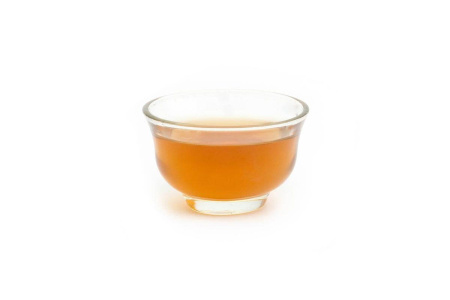
This rich, red, thick infusion allows you to sense time, its birth, and its swift passage. The rich, sweet aroma subdues thoughts, while the robust flavor and honey-sweet aftertaste create a unique sensation in the mouth.
The main mood of the tea is to remember past events with tenderness or longing.
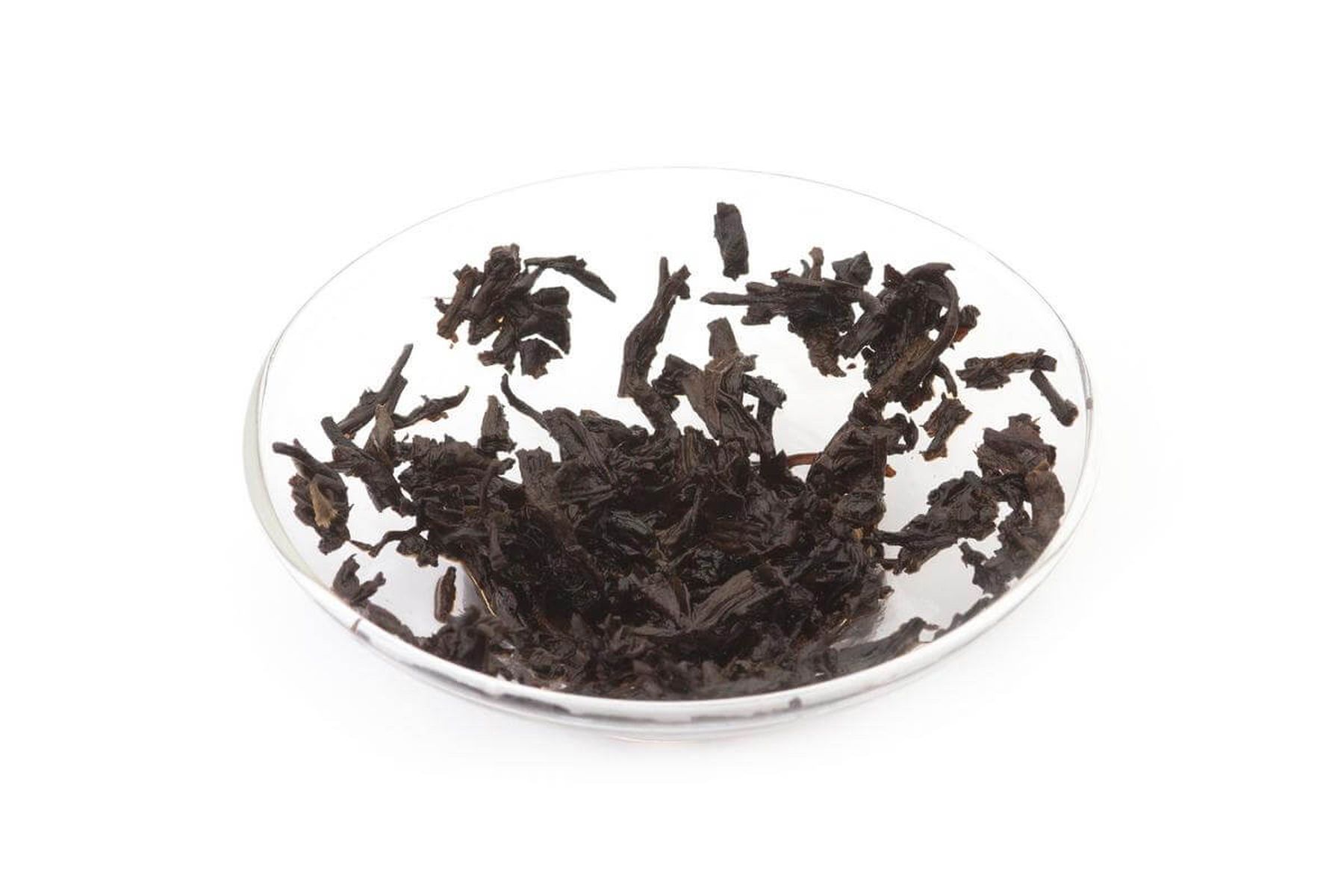
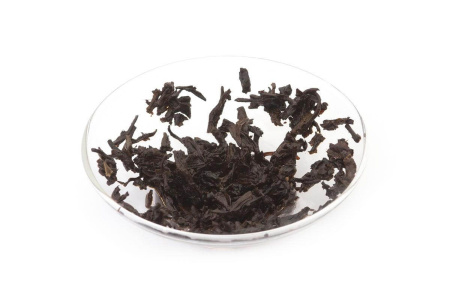
Shu Pu-erh "Vekha" has a dry, warm, sweet berry and woody-earthy aroma. The moist aroma of steamed wood evokes the atmosphere of a sauna. Over time, the aroma unfolds into notes of dates and plums, with hints of soaked almonds. The taste of a good Limin Shu Pu-erh is slightly acidic, soft-bodied, and woody.
|
Name in Chinese
|
里程碑 |
|
Pinyin
|
lǐchéngbēi |
|
English name
|
"Milestone" of the "Pagoda" brand of the Limin plant |
|
Translation
|
Milestone |
|
Country
|
Китай |
|
District
|
Xishuangbanna Dai Autonomous Prefecture |
|
Provinces
|
Юньнань (云南) |
|
Region
|
Мэнхай (勐海) |
|
Habitat
|
Мэнхай (勐海, měnghǎi) - купажированное сырье |
|
Manufacturer
|
Лимин (黎明) |
|
Date of raw material production
|
2014 |
|
Year of pressing
|
2014 |
|
Pressing form
|
Бин Ча (блин) |
|
Declared weight, g
|
357 |
|
A variety of tea tree (bush)
|
Da Ye Zhong |
|
Size
|
20x20x2 |
|
Length, cm
|
20 |
|
Width, cm
|
20 |
- Reviews
- Vkontakte
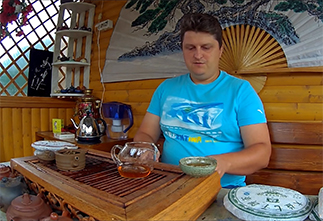
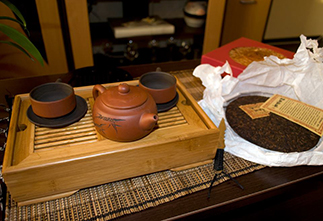
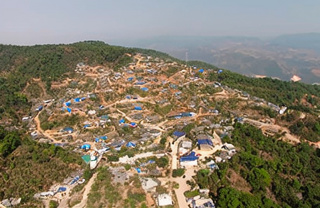
Traveling through the tea mountains, we found ourselves in another land of blue roofs - the village of Zhongcai, which is located in the Menghai district of Yunnan province. According to tradition, we were shown another local tea tree, which, according to the Chinese, is at least a million years old :) The village is very authentic, not designed for tourists, there are many wild pu-erhs there and, of course, we were warmly received. They treated us to local cuisine and tea. We also asked the residents about the prices of tea and how they have changed in recent years.
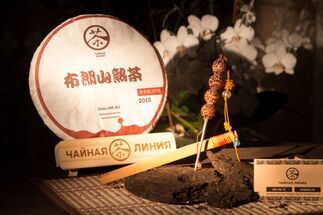
The tea ceremony holds a special place in the centuries-old Eastern tradition. While its essence remains constant, the nature and external manifestations of the tea ceremony vary among different cultures. Each Chinese province has its own distinct tea ceremony and tea used: for example, residents of the southern provinces prefer green tea, while those in the northern provinces prefer red tea. Oolong tea is more commonly used in Fujian Province, while Pu'er tea is widely known in Yunnan Province.
Пиньин Límíng chá chǎng
Пер.Чайная фабрика Лимин
Need a consultation?
Our specialists will answer any question of interest


