






-
0 Saturation
-
0 Aftertaste
-
0 Aroma
-
0 Effect
-
0 Balance
-
0 Body
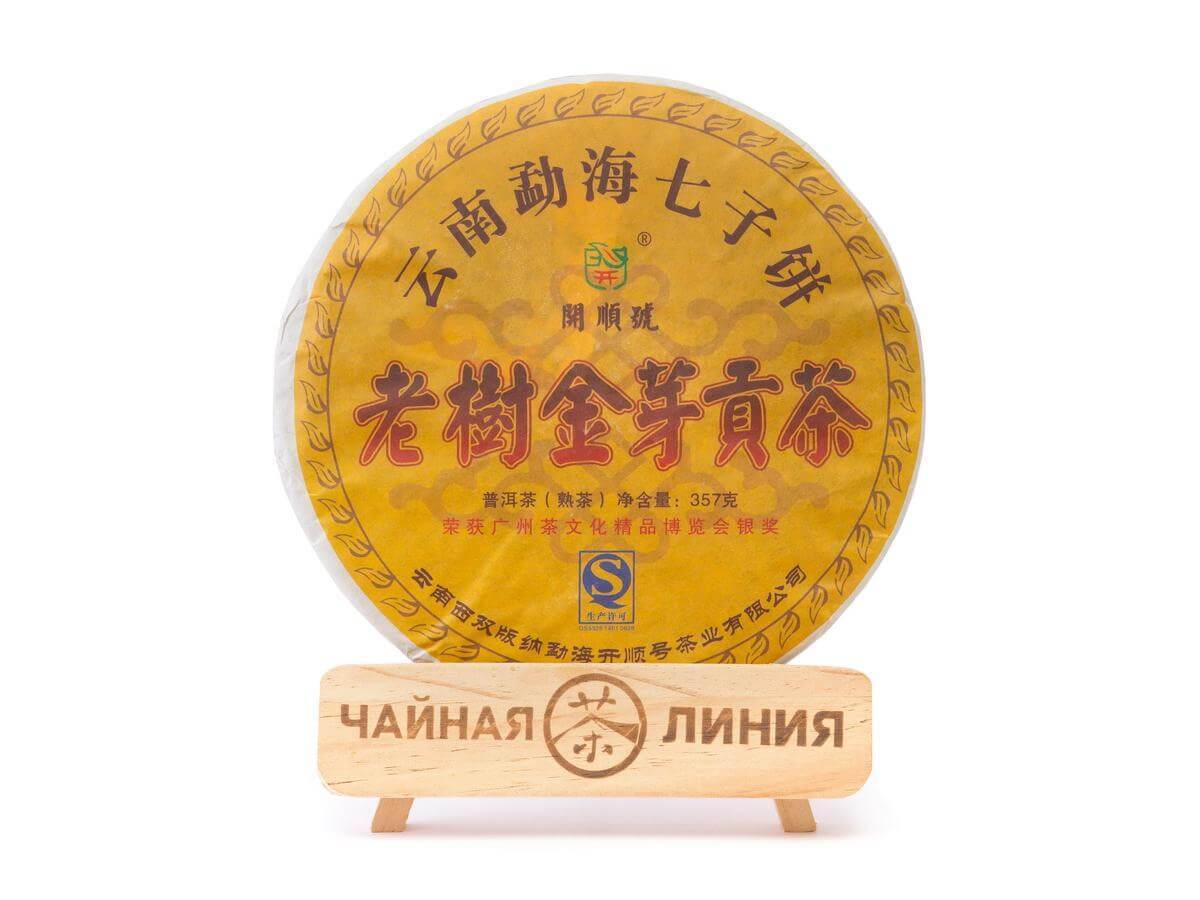
Shu Pu'er 2017 "Laoshu Jingya Gongcha" brand "Kaishunhao": Treasure of old trees
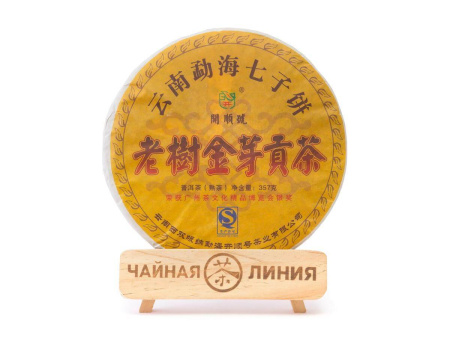
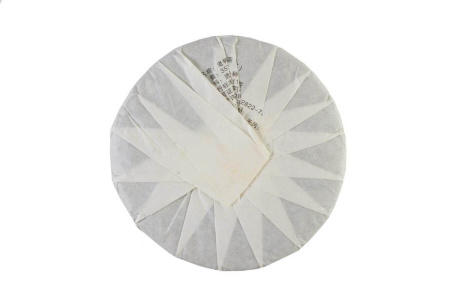
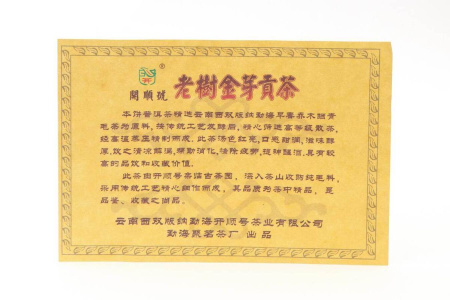
Shu Pu'er 2017 "Laoshu Jinya Gongcha" (Chinese: 老树金芽貢茶, pinyin: lǎoshù jīnyá gòngchá) is an exceptional example of its class, created by one of China's most respected tea factories, Kaishunhao (Chinese: 开顺号, pinyin: Kāi shùn hào). This pu'er is distinguished by its deep, rich flavor and multifaceted aroma, which unfold over long periods of storage.
Origin and name
- Manufacturer: Kaishunhao (开顺号) is a famous Chinese tea factory specializing in the production of high-quality pu-erh tea.
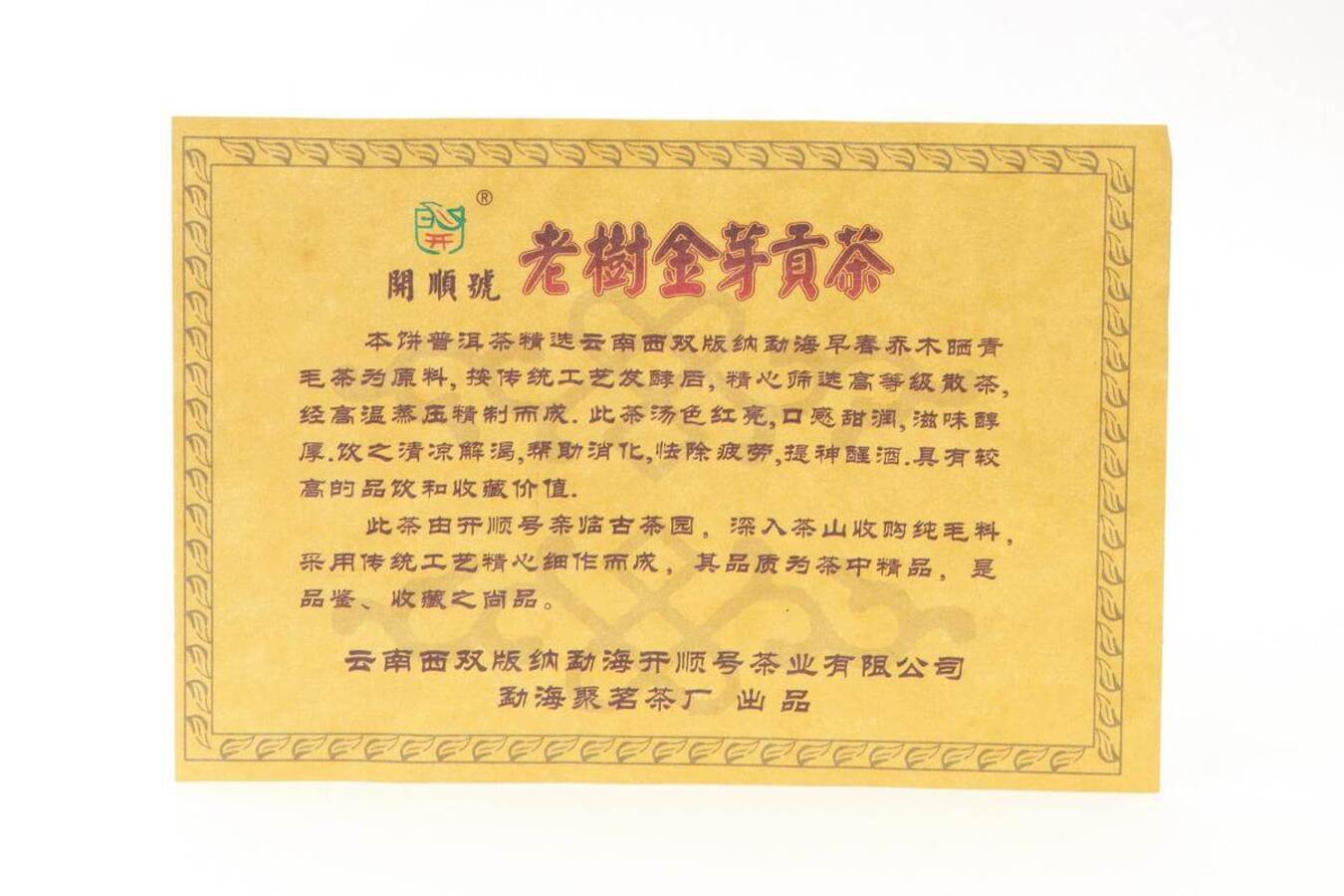
- The name: Laoshu Jinya Gongcha (老树金芽貢茶) translates as "tea from the golden buds of old trees." This name reflects the origin of the raw material for this pu-erh, collected from ancient tea trees famous for their golden buds.
- Date of raw material production: 03/28/2017 – the date of collection of tea leaves, which allows us to determine the age of the raw material.
- Year of pressing: 2022.
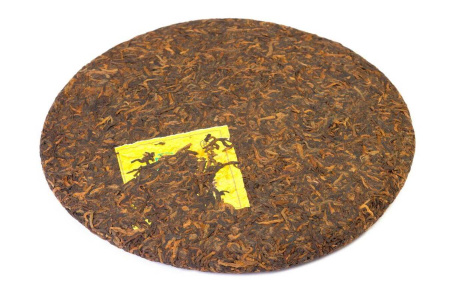
- Pressing form: Cake (bing cha) is a traditional form for pu-erhs.
- Claimed weight: 357 grams.
Taste and aroma
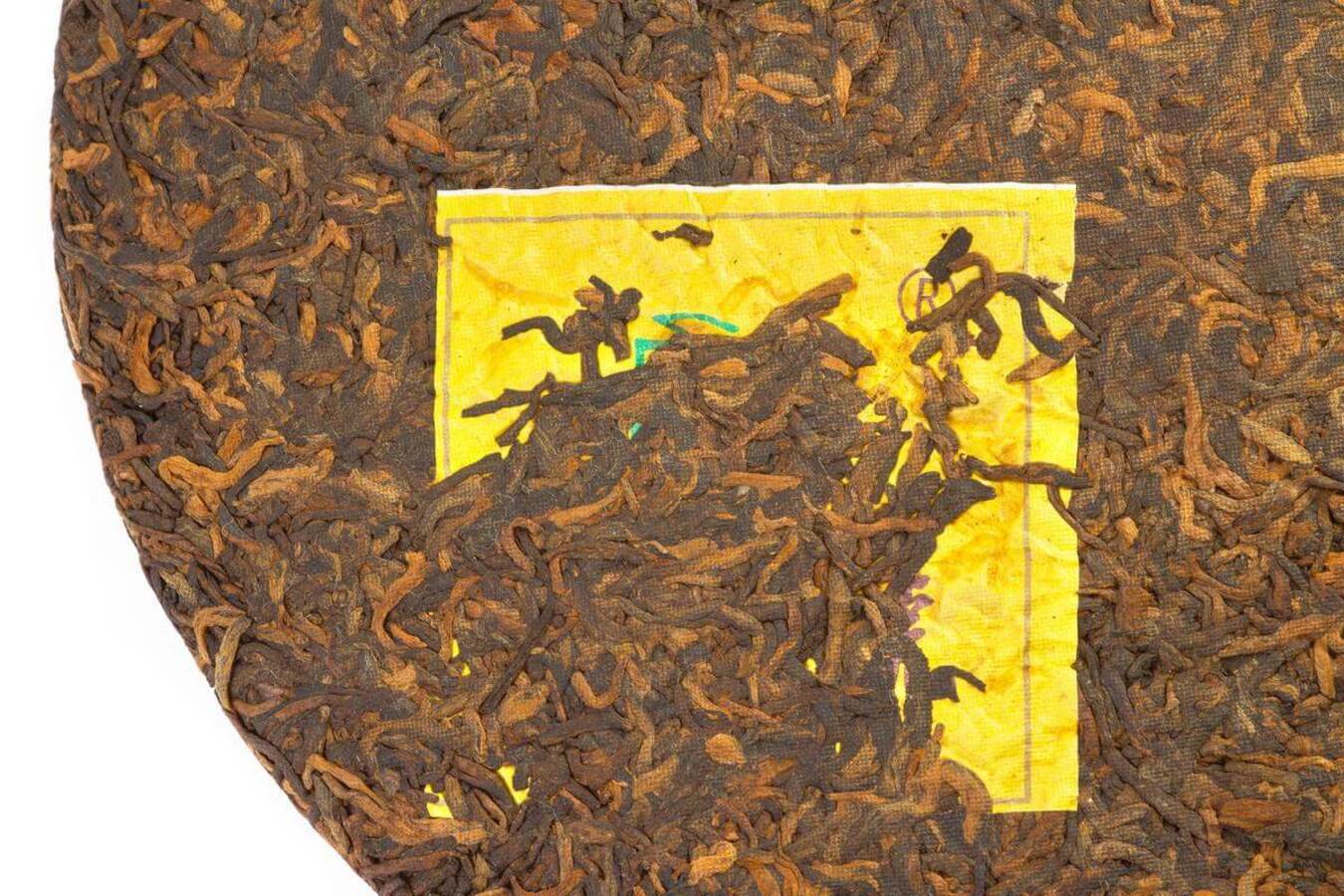
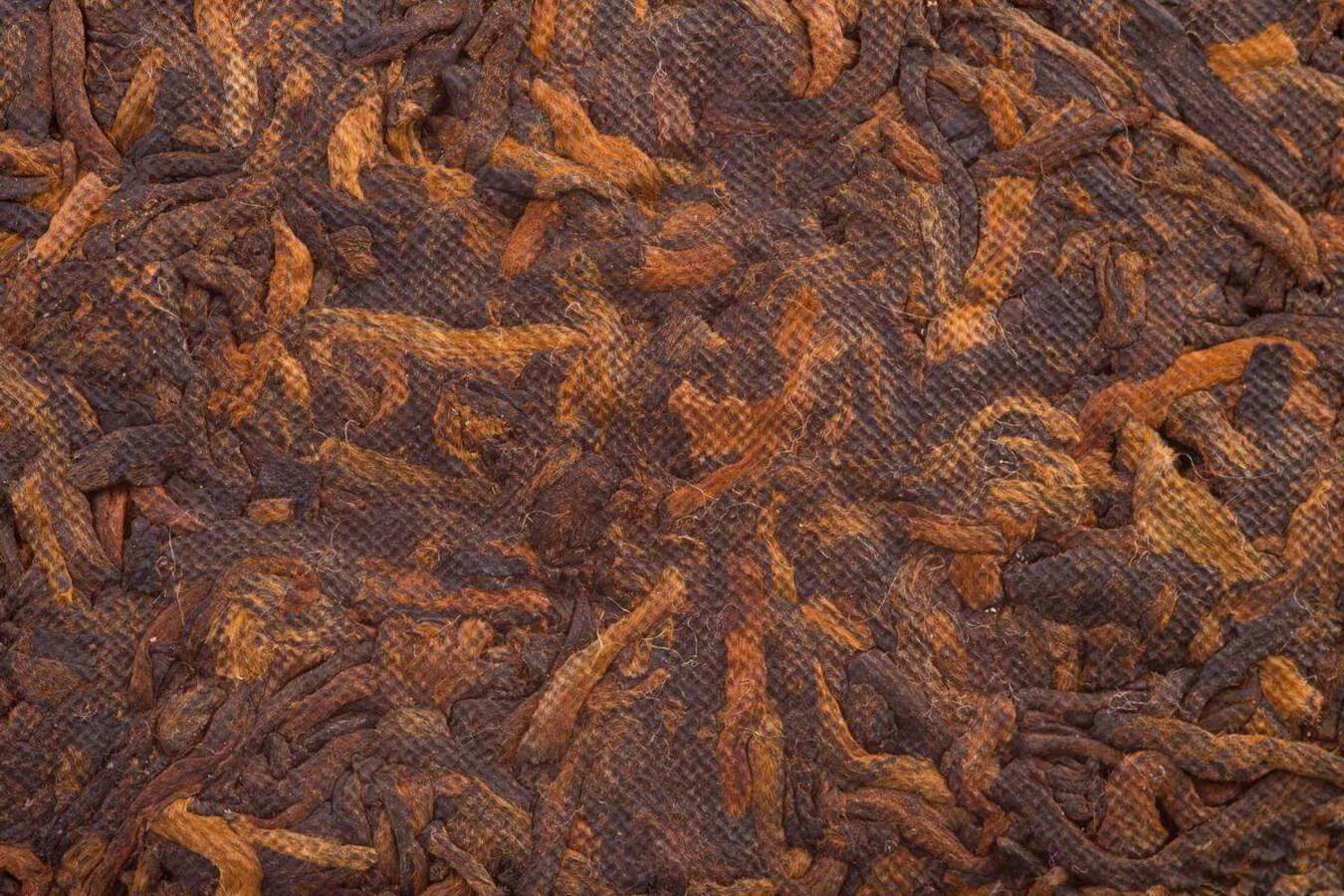
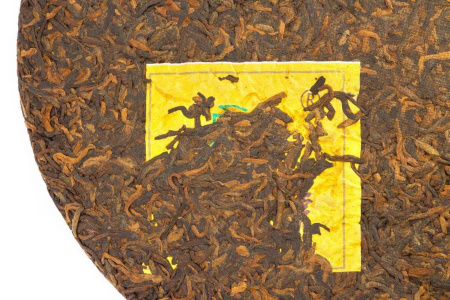
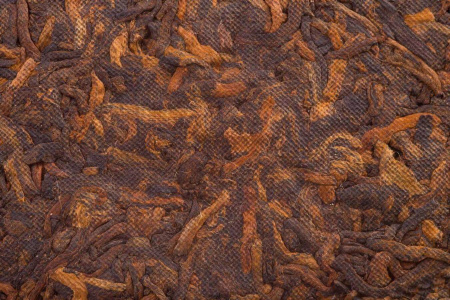
- Appearance: It has a dark color and a dense structure.
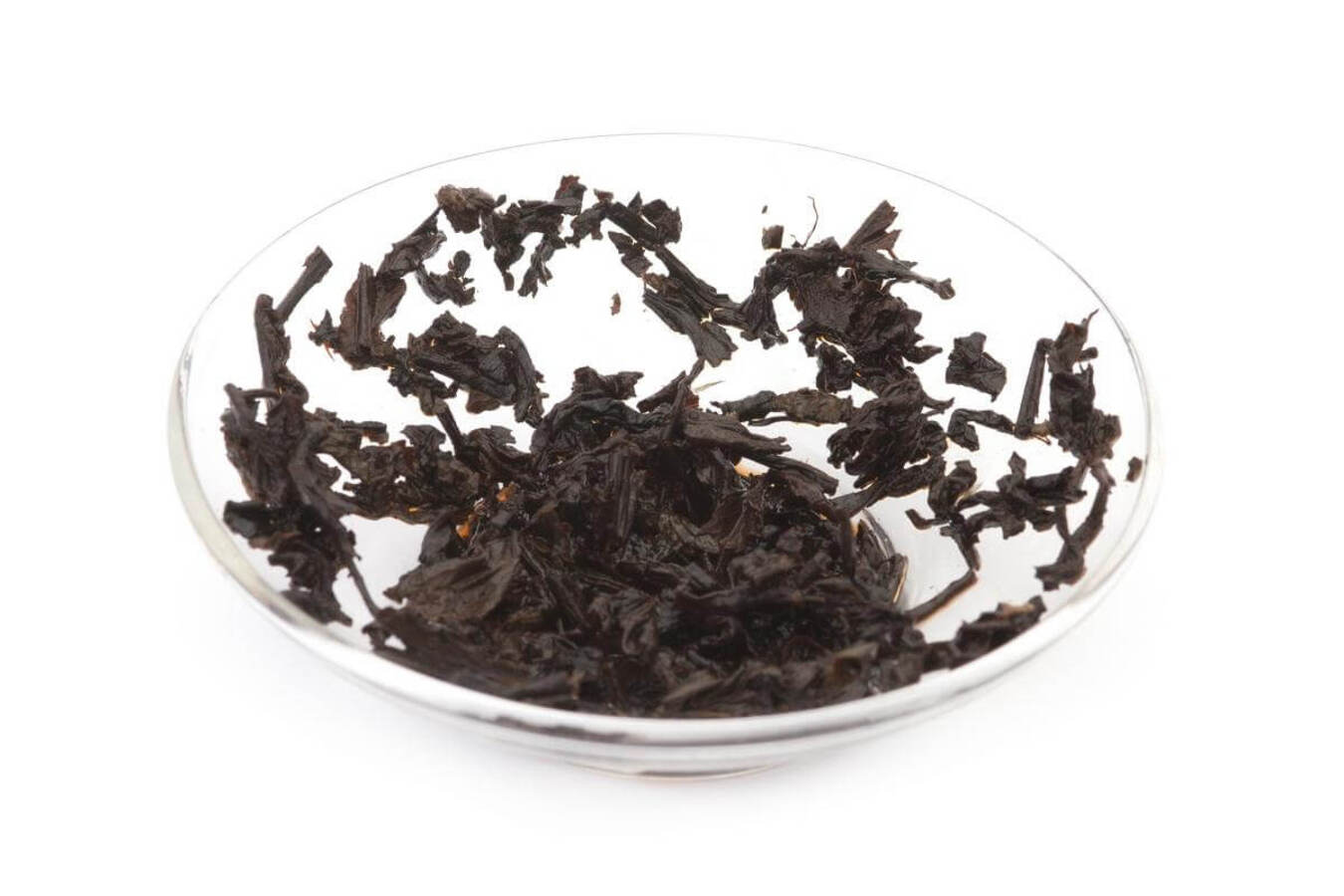
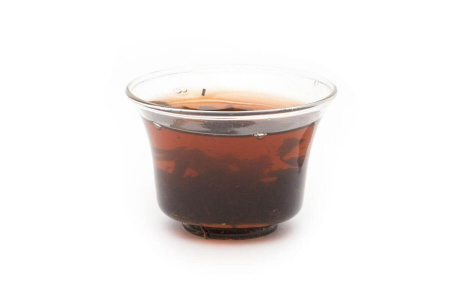
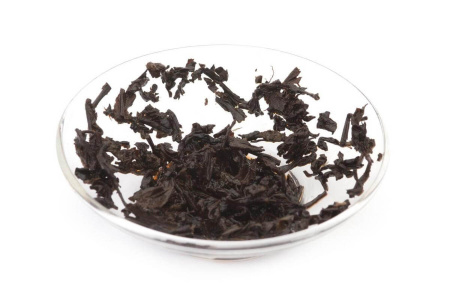
- Aroma: A freshly broken pancake exudes a rich aroma of earthy, woody, and lightly fruity notes. After steeping, the aroma develops more fully, revealing hints of dried fruit, nuts, and chocolate.
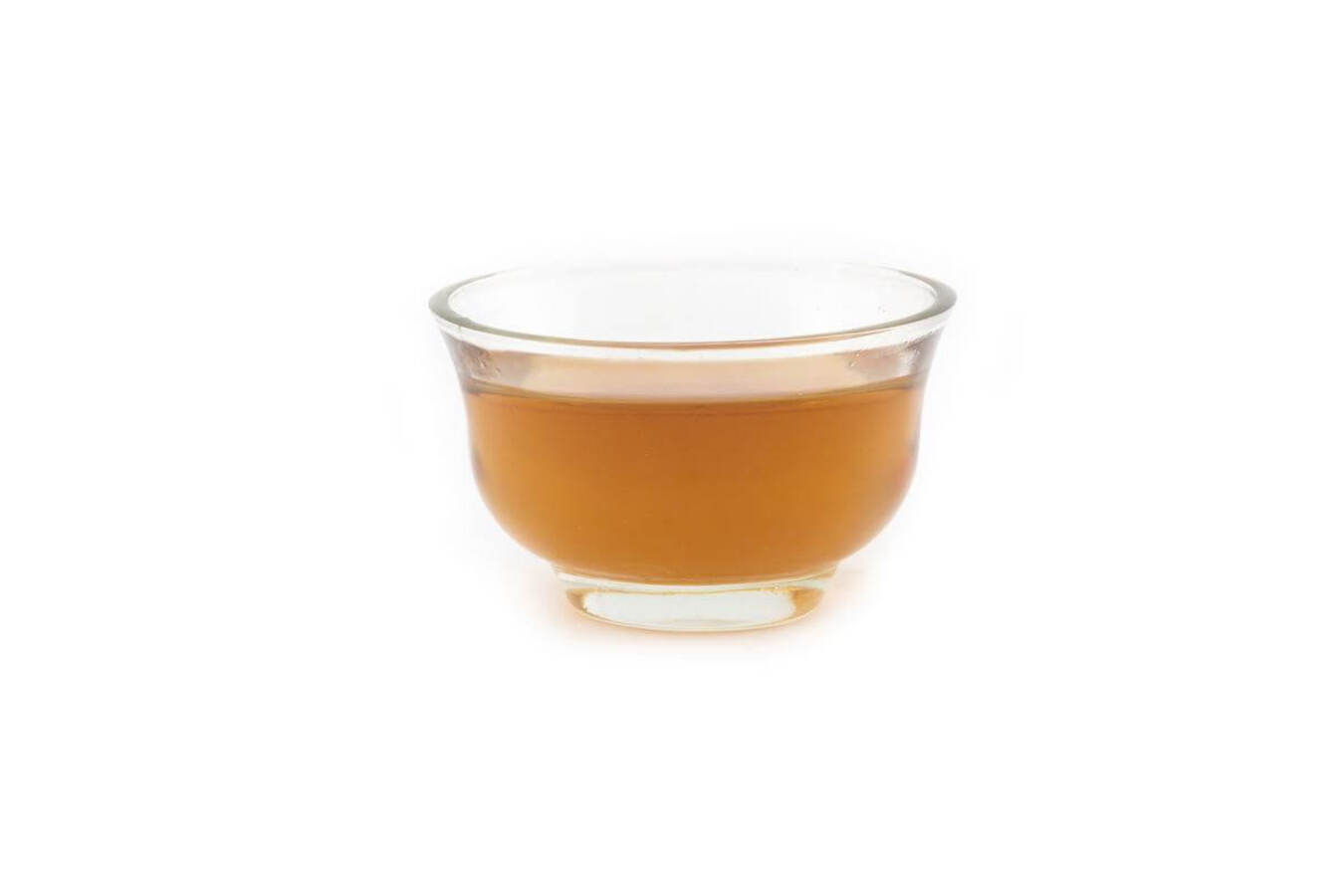
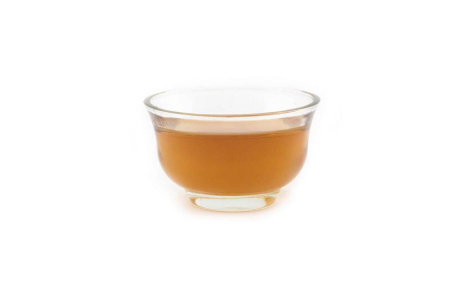
- Taste: Pu-erh tea has a deep, complex flavor, with notes of earth, wood, sweetness, and a hint of bitterness. The finish is long and pleasant, with hints of chocolate and nuts.
Beneficial properties
- Improving digestion: Shu pu-erh helps normalize digestion and metabolism.
- Toning the body: Tea increases vitality and energy.
- Antioxidant properties: Protects the body's cells from the harmful effects of free radicals.
- Beneficial effects on the cardiovascular system: Helps lower cholesterol levels and improve blood circulation.
Why is it worth trying this pu-erh?
- High Quality: Produced by one of the best Chinese tea factories.
- Unique taste: Deep, rich taste with a multifaceted aroma.
- Beneficial properties: Has a beneficial effect on the body as a whole.
- Storage Potential: Shu pu-erhs only improve with age, making this tea an excellent investment.
How to brew
- Water temperature: 95-100°C.
- Brewing time: First rinse – 10-15 seconds, subsequent brews – 30-60 seconds.
- Amount of tea: 5-7 grams per 150 ml of water.
The 2017 Shu Pu'er "Laoshu Jinya Gongcha" from Kaishunhao is a true masterpiece of tea art. Its deep, rich flavor and multifaceted aroma make it a welcome addition to any tea ceremony. This pu'er will be a wonderful addition to your tea collection and will provide unforgettable moments of enjoyment.
|
Name in Chinese
|
老树金芽貢茶 |
|
Pinyin
|
lǎoshù jīnyá gòngchá |
|
English name
|
Laoshu jinya guncha. |
|
Translation
|
Imperial tea made from golden buds from ancient trees |
|
Country
|
Китай |
|
Provinces
|
Юньнань (云南) |
|
Manufacturer
|
Кайшуньхао (开顺号) |
|
Date of raw material production
|
March 28, 2017 |
|
Year of pressing
|
2022 |
|
Pressing form
|
Бин Ча (блин) |
|
Declared weight, g
|
357 |
|
A variety of tea tree (bush)
|
Lao Shu |
|
Fermentation method
|
In heaps |
|
Size
|
20x20x2 |
|
Length, cm
|
20 |
|
Width, cm
|
20 |
- Reviews
- Vkontakte
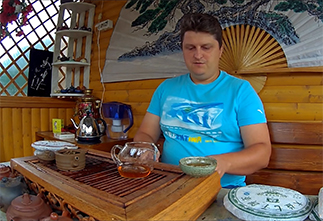
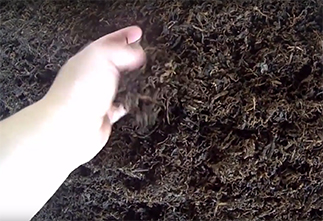
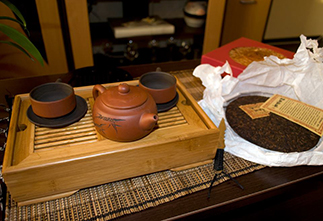

Traveling through the tea mountains, we found ourselves in another land of blue roofs - the village of Zhongcai, which is located in the Menghai district of Yunnan province. According to tradition, we were shown another local tea tree, which, according to the Chinese, is at least a million years old :) The village is very authentic, not designed for tourists, there are many wild pu-erhs there and, of course, we were warmly received. They treated us to local cuisine and tea. We also asked the residents about the prices of tea and how they have changed in recent years.
The tea ceremony holds a special place in the centuries-old Eastern tradition. While its essence remains constant, the nature and external manifestations of the tea ceremony vary among different cultures. Each Chinese province has its own distinct tea ceremony and tea used: for example, residents of the southern provinces prefer green tea, while those in the northern provinces prefer red tea. Oolong tea is more commonly used in Fujian Province, while Pu'er tea is widely known in Yunnan Province.
В нашем ассортименте пуэров широко представлена линейка завода "Кайшуньхао". Мы познакомились с владельцем во время одного из путешествий в Китай. Это было время, когда мы открывали новые горизонты для сотрудничества основываясь на качестве и адекватной цене! Так кто же такие эти увлеченные своим делом люди?)
Need a consultation?
Our specialists will answer any question of interest


