



-
0 Saturation
-
0 Aftertaste
-
0 Aroma
-
0 Effect
-
0 Balance
-
0 Body
Shu Pu'er 2010 "Xiaguan Tuocha" from the "Pine and Crane" brand: A classic Chinese tea
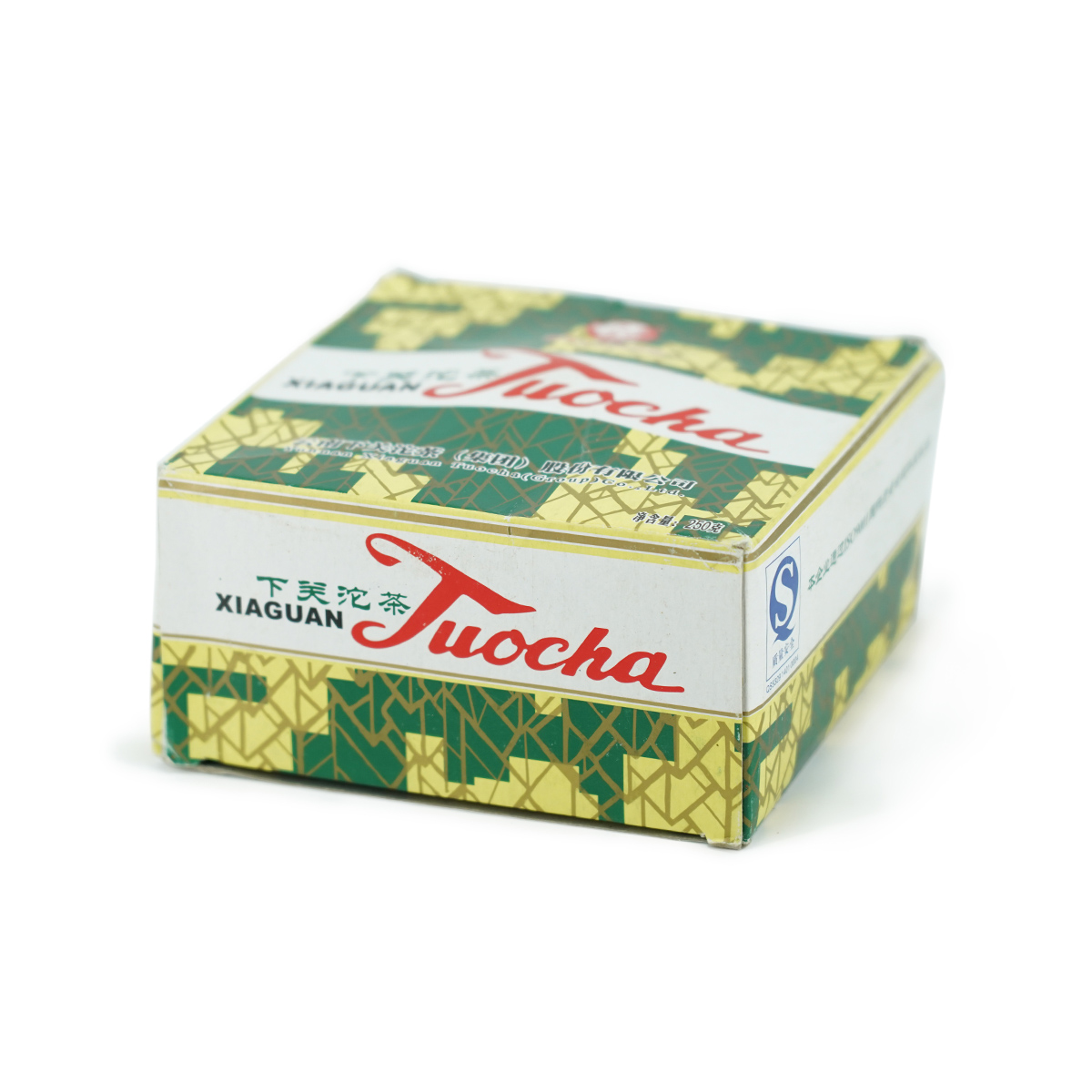
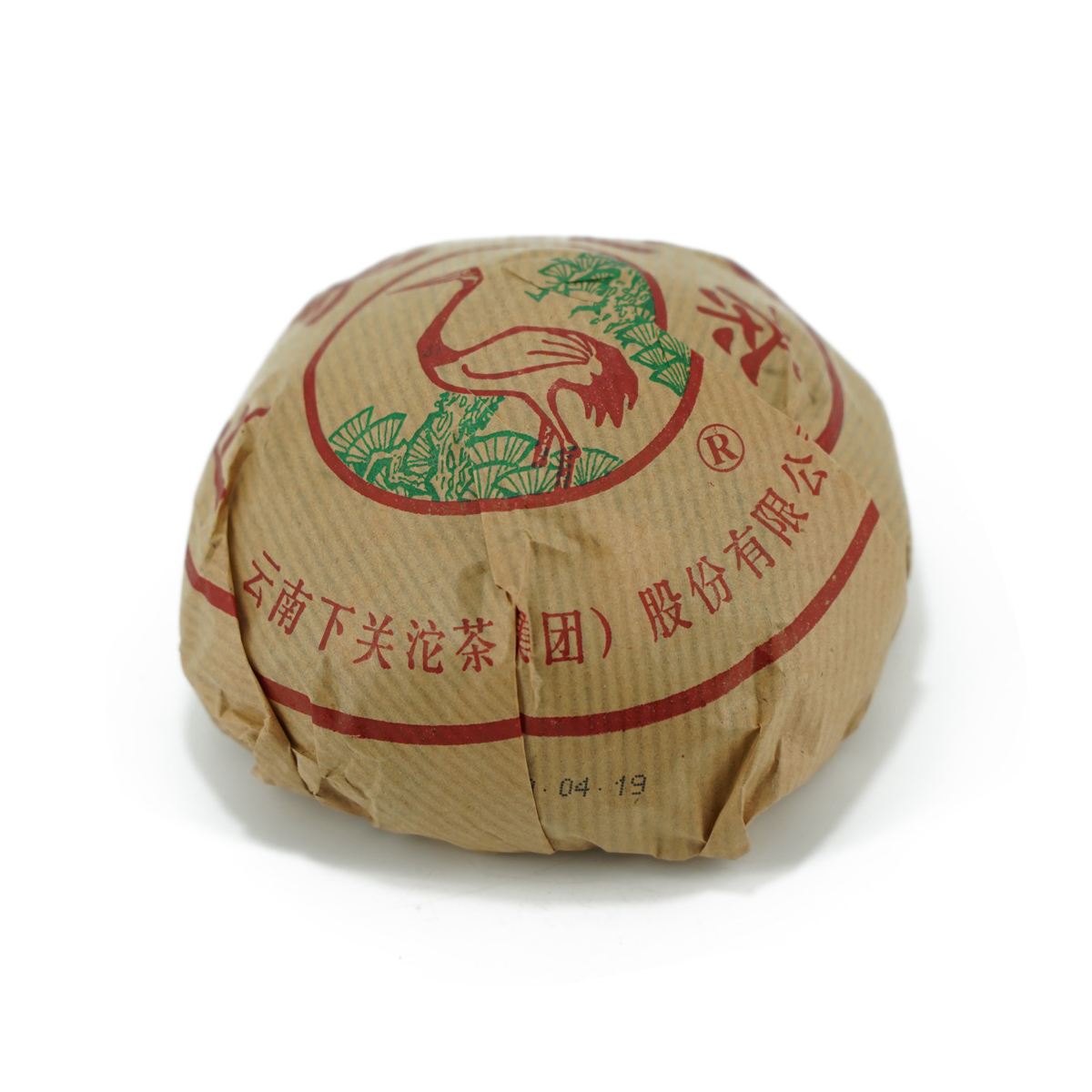
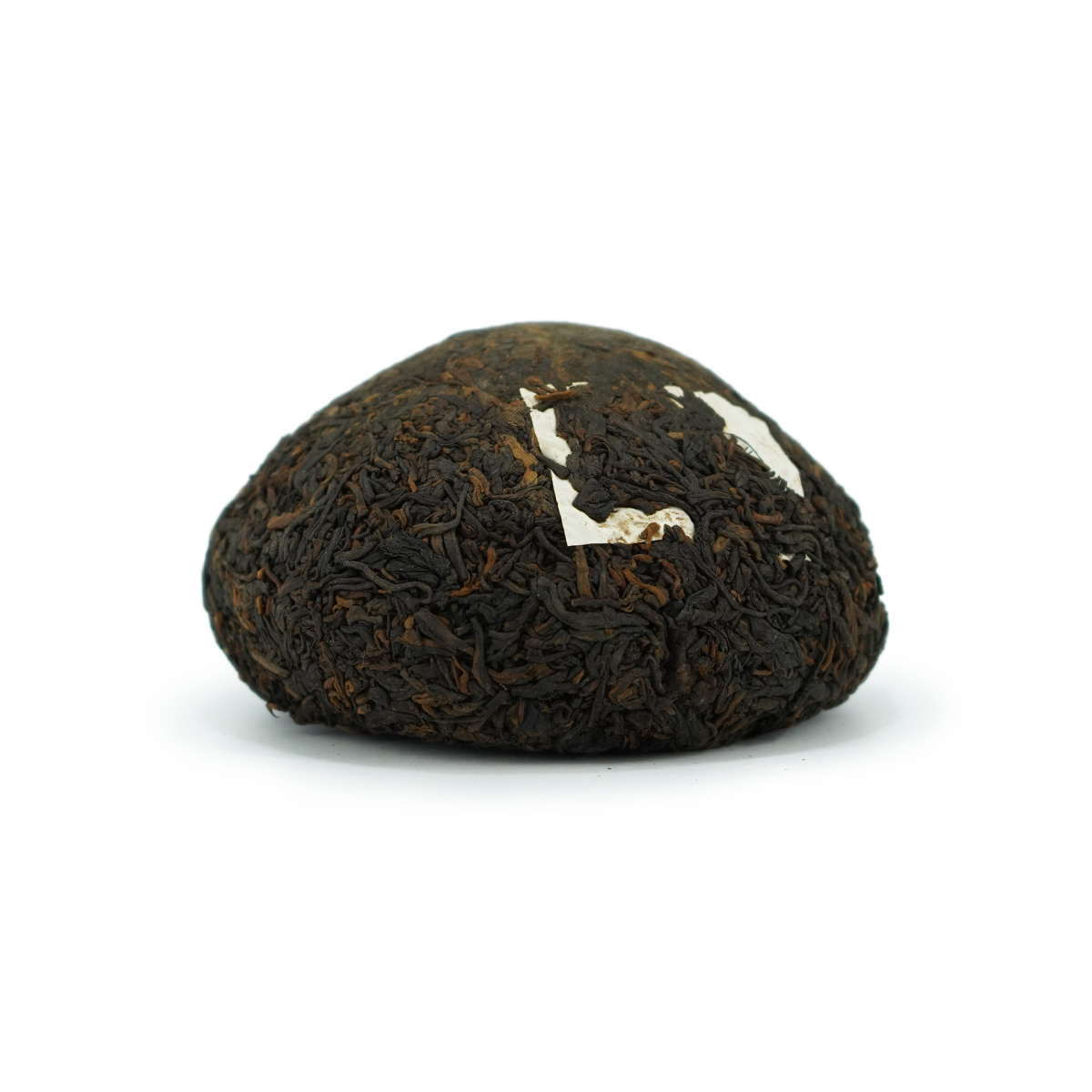
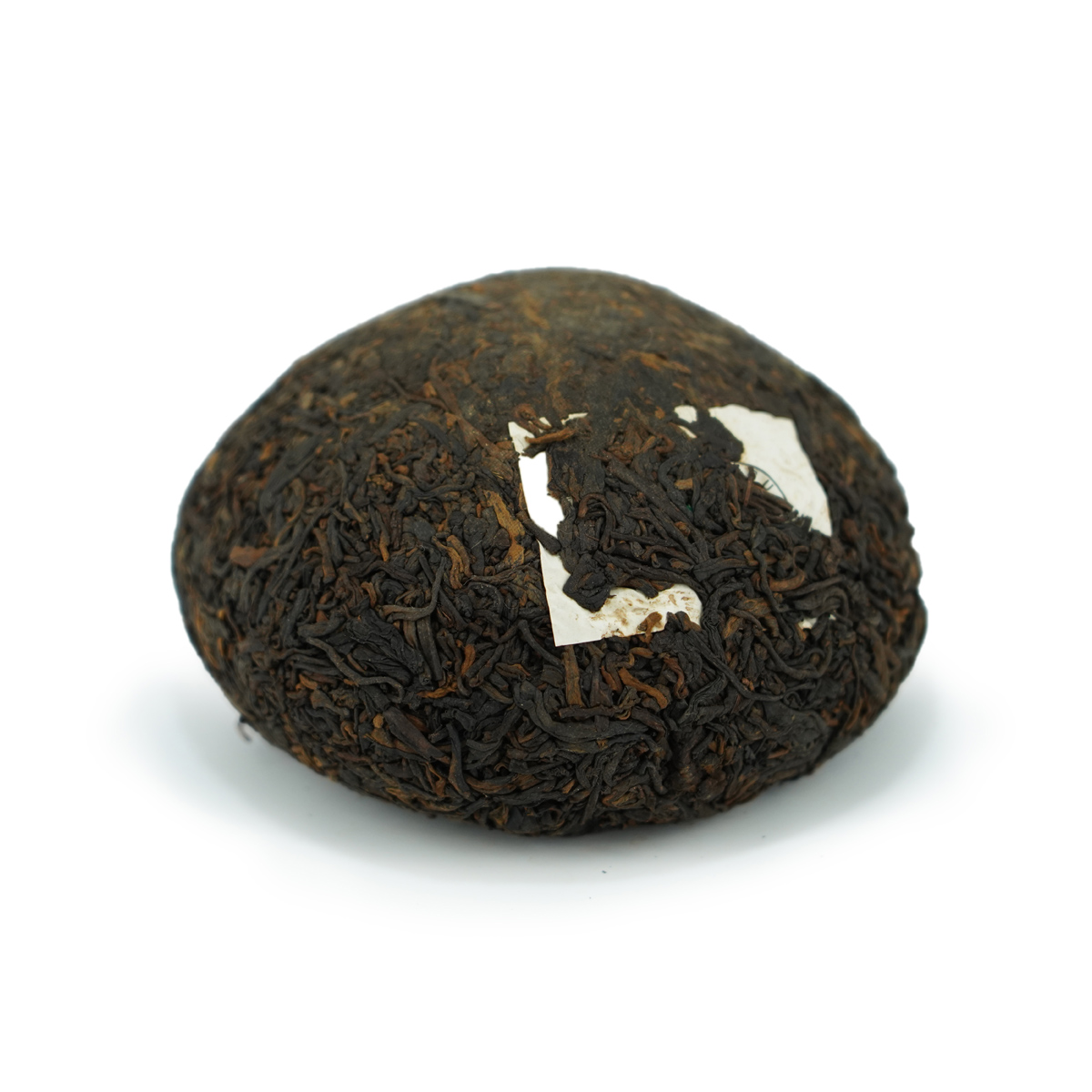
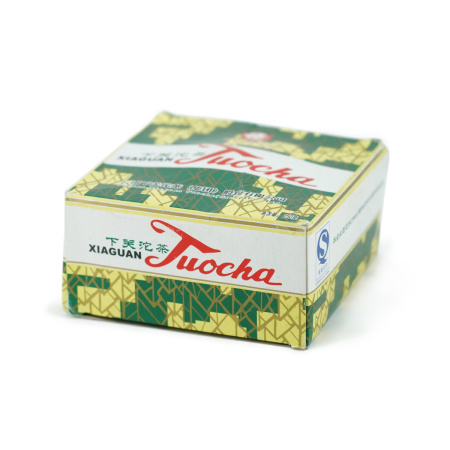
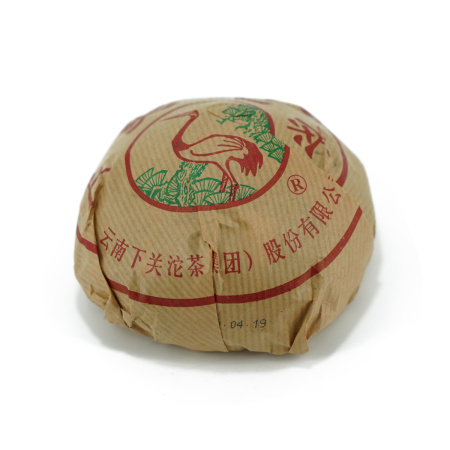
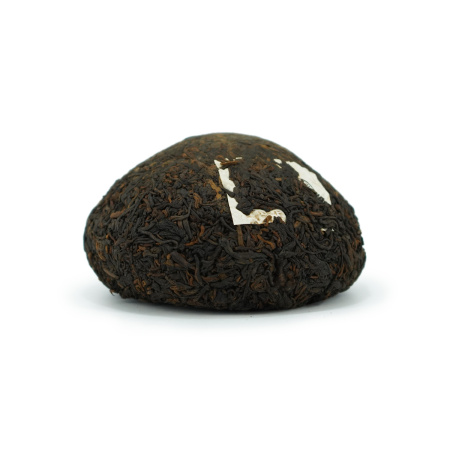
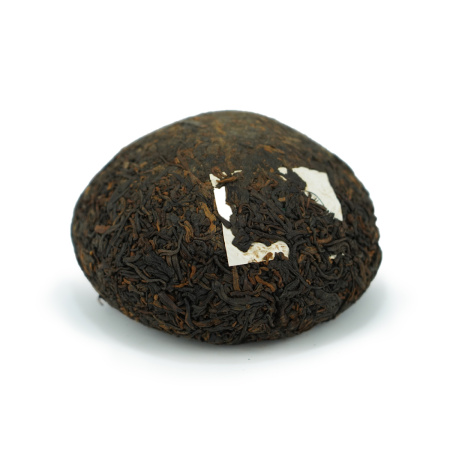
The 2010 Xiaguan Tuocha Shu Pu'er from the Pine and Crane brand is a true masterpiece of Chinese tea art. This tea belongs to the Shu Pu'er category, which undergoes an accelerated fermentation process. It is pressed into a nest-shaped (Tu Cha) and weighs 250 grams.
The name "Pine and Crane" (Chinese: 松鹤, pinyin: sōng hè) is deeply symbolic and carries rich meaning in Chinese culture. It is often used in art, literature, and, of course, in the names of products, including tea.
- Longevity and Eternal Life: In Chinese culture, the pine tree and crane are symbols of longevity, eternal life, and immortality. The pine, with its ability to live long and retain its green needles even in winter, symbolizes resilience and longevity. The crane, according to legend, lives for a thousand years and is considered a messenger of immortality.
- Nobility and Purity: The pine and crane are associated with nobility, purity, and high moral qualities. They embody the ideal of the perfect person.
- Harmony with nature: The pine tree and crane are often depicted in natural landscapes, emphasizing their connection with nature and the idea of human harmony with the surrounding world.
The use of the combination "pine and crane" in the name of tea, especially pu-erh, is no coincidence. It emphasizes:
- High quality tea: Tea bearing this name is positioned as a high-quality product that can prolong life and maintain health.
- Tradition and Culture: The use of traditional symbols connects tea with China's rich history and culture.
- Harmonious Taste: The taste of this tea is often described as harmonious, balanced and long-lasting, which echoes the symbolism of longevity and harmony.
Thus, the name "Pine and Crane" for Xiaguan tea is not just a beautiful combination of words, but a profound symbol reflecting the quality of the product, its connection to tradition, and the promise of longevity and health.
Taste and aroma
The 2010 Xiaguan Tuocha Shu Pu'er from the Pine and Crane brand has a deep and complex flavor. Its bouquet reveals notes of dried fruits (dates, prunes, and figs), nuts (walnuts and pine nuts), chocolate, earth, and damp wood.
Health benefits
Shu puer, like other types of puer, has many beneficial properties:
- Improved digestion: Promotes normal functioning of the gastrointestinal tract.
- Antioxidant properties: Protects the body's cells from the harmful effects of free radicals.
- Tonic effect: Increases energy levels and improves concentration.
- Lowering cholesterol levels
- Improving the functioning of the cardiovascular system
How to brew
For brewing shu pu-erh, it is recommended to use water at a temperature of 95-100°C. The tea can be brewed in either a gaiwan or a teapot. The first steeping typically takes 15-20 seconds, while subsequent steepings take longer.
Why choose this tea?
- High quality: 2010 Xiaguan Tuocha Shu Pu'er from the Pine and Crane brand is a classic Chinese tea. It boasts excellent organoleptic properties and is aged for many years.
- Unique Flavor: This tea has a deep and complex flavor that will appeal to many tea connoisseurs.
- Health benefits: Shu pu-erh has many health benefits.
- Collector's Value: This tea would make a great addition to your Chinese tea collection.
The 2010 Xiaguan Tuocha Shu Pu'er from the Pine and Crane brand is a true masterpiece of Chinese tea art. Its deep flavor, rich aroma, and beneficial properties make it an ideal choice for connoisseurs of quality tea.
|
Name in Chinese
|
2010 |
|
Pinyin
|
2010 |
|
Country
|
Китай |
|
Provinces
|
Юньнань (云南) |
|
Manufacturer
|
Сягуань (云南下关沱茶集团) |
|
Year of pressing
|
2010 |
|
Pressing form
|
То ча (гнездо) |
- Reviews
- Vkontakte
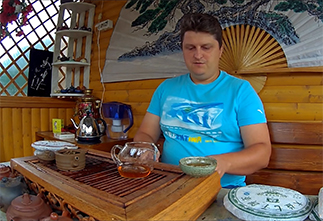

Traveling through the tea mountains, we found ourselves in another land of blue roofs - the village of Zhongcai, which is located in the Menghai district of Yunnan province. According to tradition, we were shown another local tea tree, which, according to the Chinese, is at least a million years old :) The village is very authentic, not designed for tourists, there are many wild pu-erhs there and, of course, we were warmly received. They treated us to local cuisine and tea. We also asked the residents about the prices of tea and how they have changed in recent years.
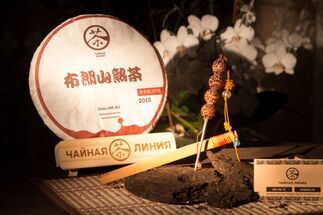
The tea ceremony holds a special place in the centuries-old Eastern tradition. While its essence remains constant, the nature and external manifestations of the tea ceremony vary among different cultures. Each Chinese province has its own distinct tea ceremony and tea used: for example, residents of the southern provinces prefer green tea, while those in the northern provinces prefer red tea. Oolong tea is more commonly used in Fujian Province, while Pu'er tea is widely known in Yunnan Province.
Need a consultation?
Our specialists will answer any question of interest


