




-
0 Saturation
-
0 Aftertaste
-
0 Aroma
-
0 Effect
-
0 Balance
-
0 Body
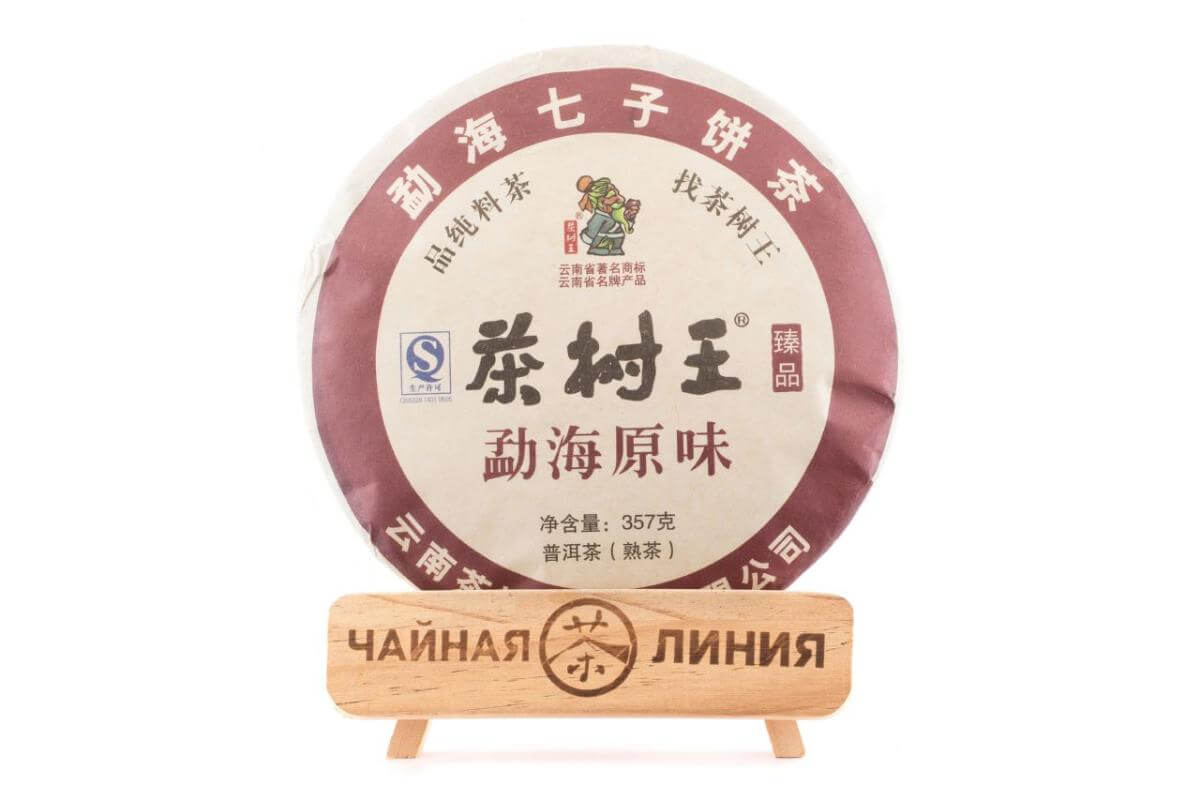
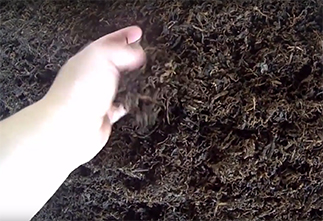
The pancake's aroma is discreet and subtle, with hints of caramel candy that blend beautifully with the aromas of birch bark and a variety of nuts. After rinsing, the tea's scent takes on a camphor-like quality, conveying a fresh and light aroma, like a morning walk through a spring forest.
The brewed tea's flavor is soft and velvety, with a delicate trail of chocolate biscuits and sponge cake, beautifully complemented by woody notes. By the fourth steep, the flavor becomes woody, the creamy notes dissipate, and a pleasant tartness is discernible. This pu-erh tea should be steeped for six full infusions, at a ratio of 8 grams of tea per 200 ml teapot or gaiwan.
The infusion is dark brown with chestnut hues. The finish is fresh and restrained. The palate reveals notes of dry wood and chocolate chip cookies.
"3 Stars" Shu Pu-erh from the Chashuwan factory is quite invigorating, combats drowsiness, and invigorates. Drinking this tea has been noted to clear the mind, improve concentration, and increase focus.
This pu-erh is a worthy everyday tea. It's easy to brew, won't get boring, and its invigorating effect is definitely a welcome addition in the morning.
|
Name in Chinese
|
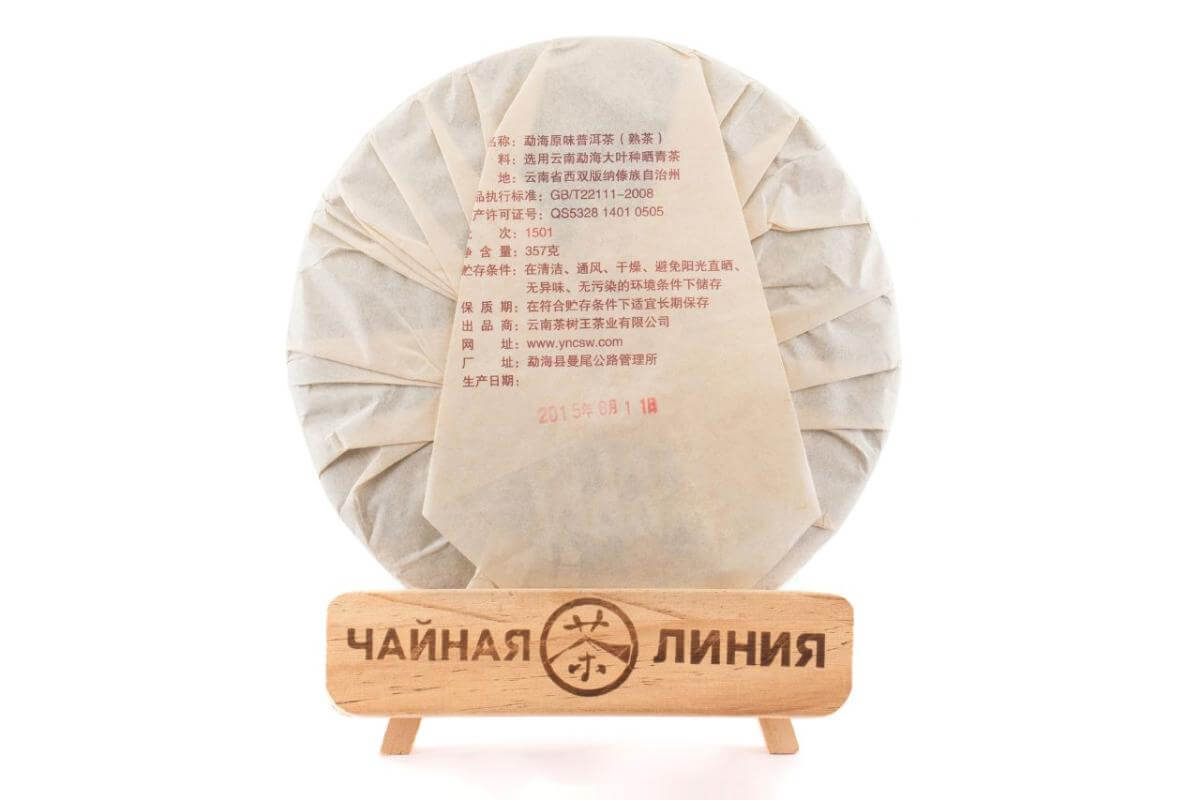
茶树王三星勐海七子饼 |
|
Pinyin
|
cháshùwáng sān xīng měnghǎi qīzi bǐng |
|
Translation
|
3-star Menghai Tea from Chashuwan |
|
Country
|
Китай |
|
District
|
Xishuangbanna Dai Autonomous Prefecture |
|
Provinces
|
Юньнань (云南) |
|
Manufacturer
|
Чашуван (茶树王) |
|
Date of raw material production
|
2015 |
|
Declared weight, g
|
357 |
- Reviews
- Vkontakte
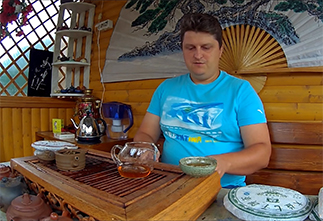
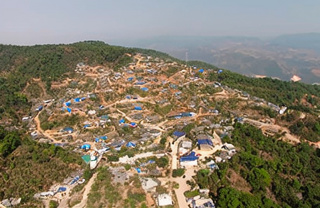
Traveling through the tea mountains, we found ourselves in another land of blue roofs - the village of Zhongcai, which is located in the Menghai district of Yunnan province. According to tradition, we were shown another local tea tree, which, according to the Chinese, is at least a million years old :) The village is very authentic, not designed for tourists, there are many wild pu-erhs there and, of course, we were warmly received. They treated us to local cuisine and tea. We also asked the residents about the prices of tea and how they have changed in recent years.
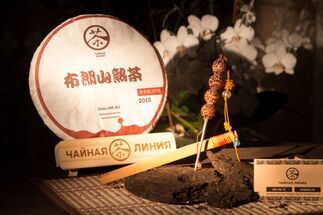
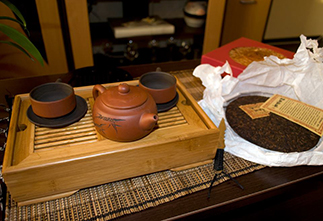
The tea ceremony holds a special place in the centuries-old Eastern tradition. While its essence remains constant, the nature and external manifestations of the tea ceremony vary among different cultures. Each Chinese province has its own distinct tea ceremony and tea used: for example, residents of the southern provinces prefer green tea, while those in the northern provinces prefer red tea. Oolong tea is more commonly used in Fujian Province, while Pu'er tea is widely known in Yunnan Province.
Пиньин Yúnnán cháshù wáng cháyè yǒuxiàn gōngsī
Пер. «Юньнаньская чайная компания Король (Царь) чайных деревьев»
Need a consultation?
Our specialists will answer any question of interest


