




-
10 Saturation
-
10 Aftertaste
-
10 Aroma
-
10 Effect
-
10 Balance
-
10 Body
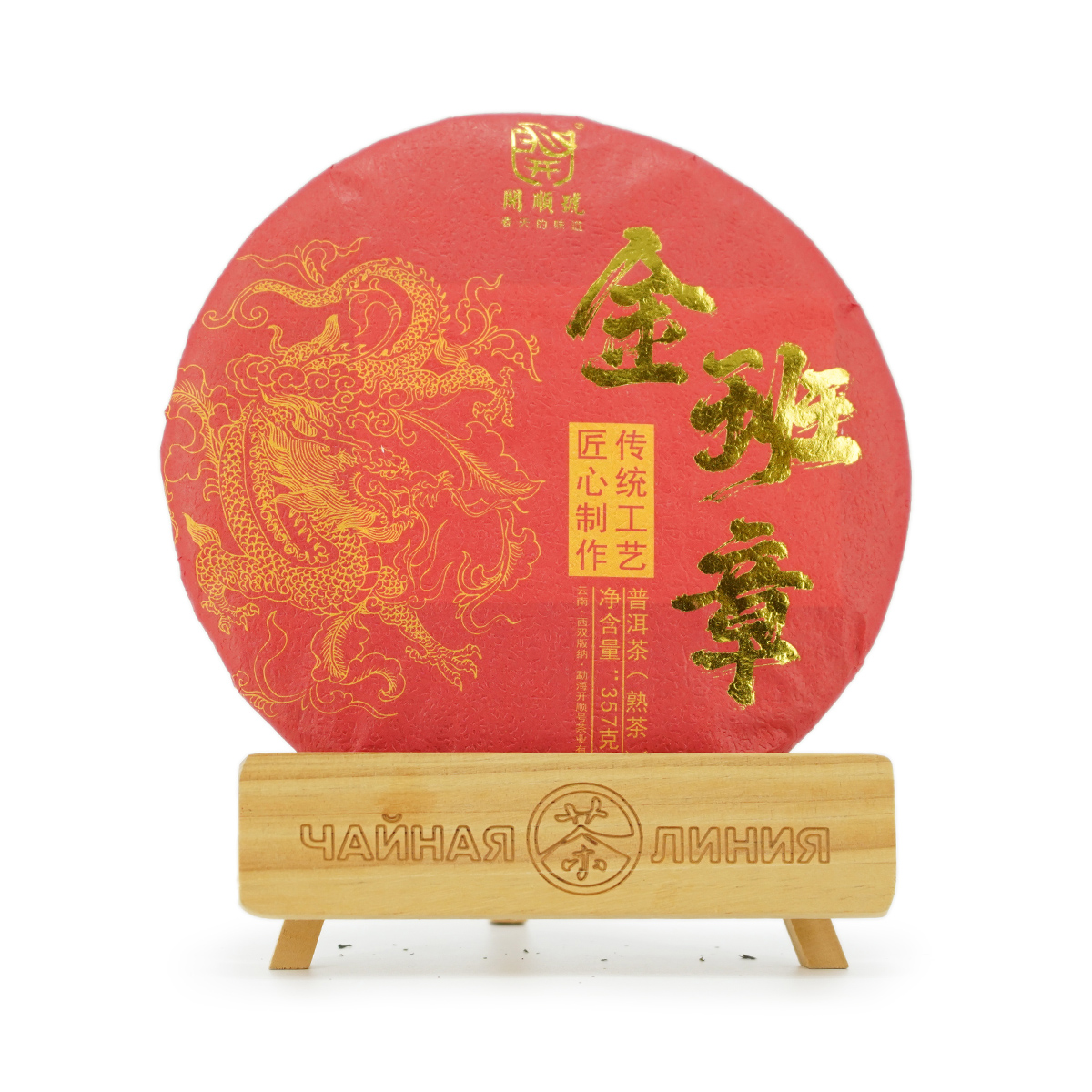
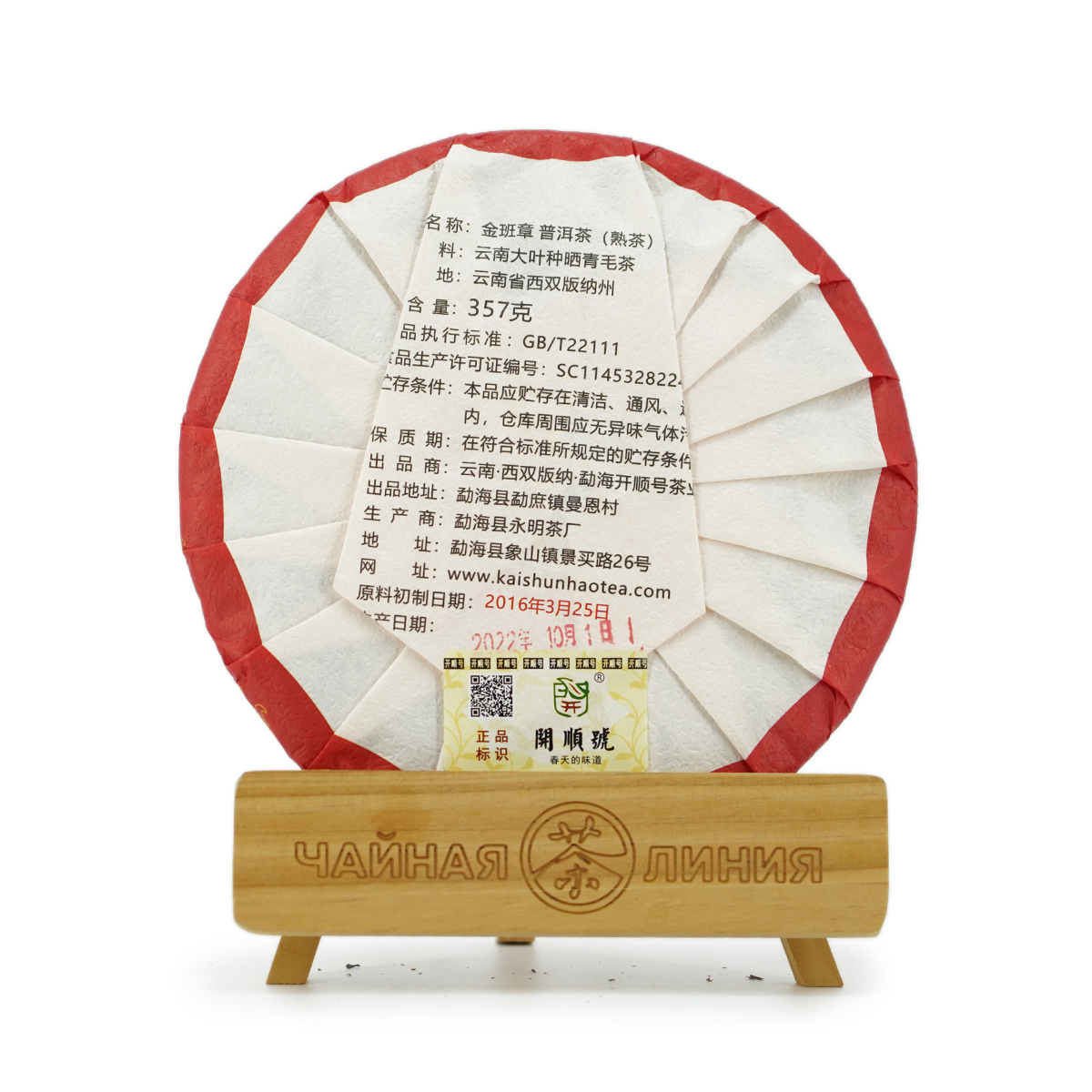
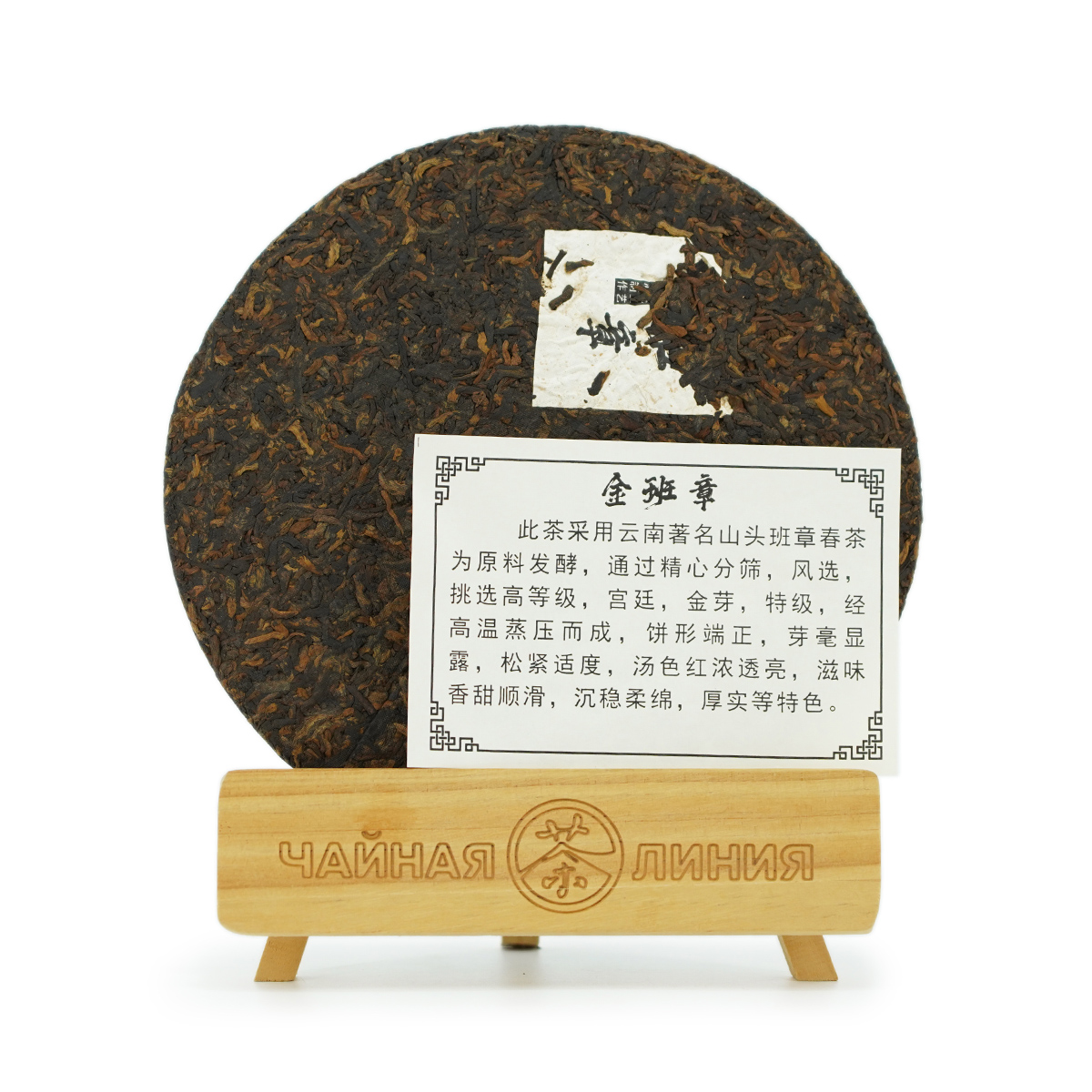
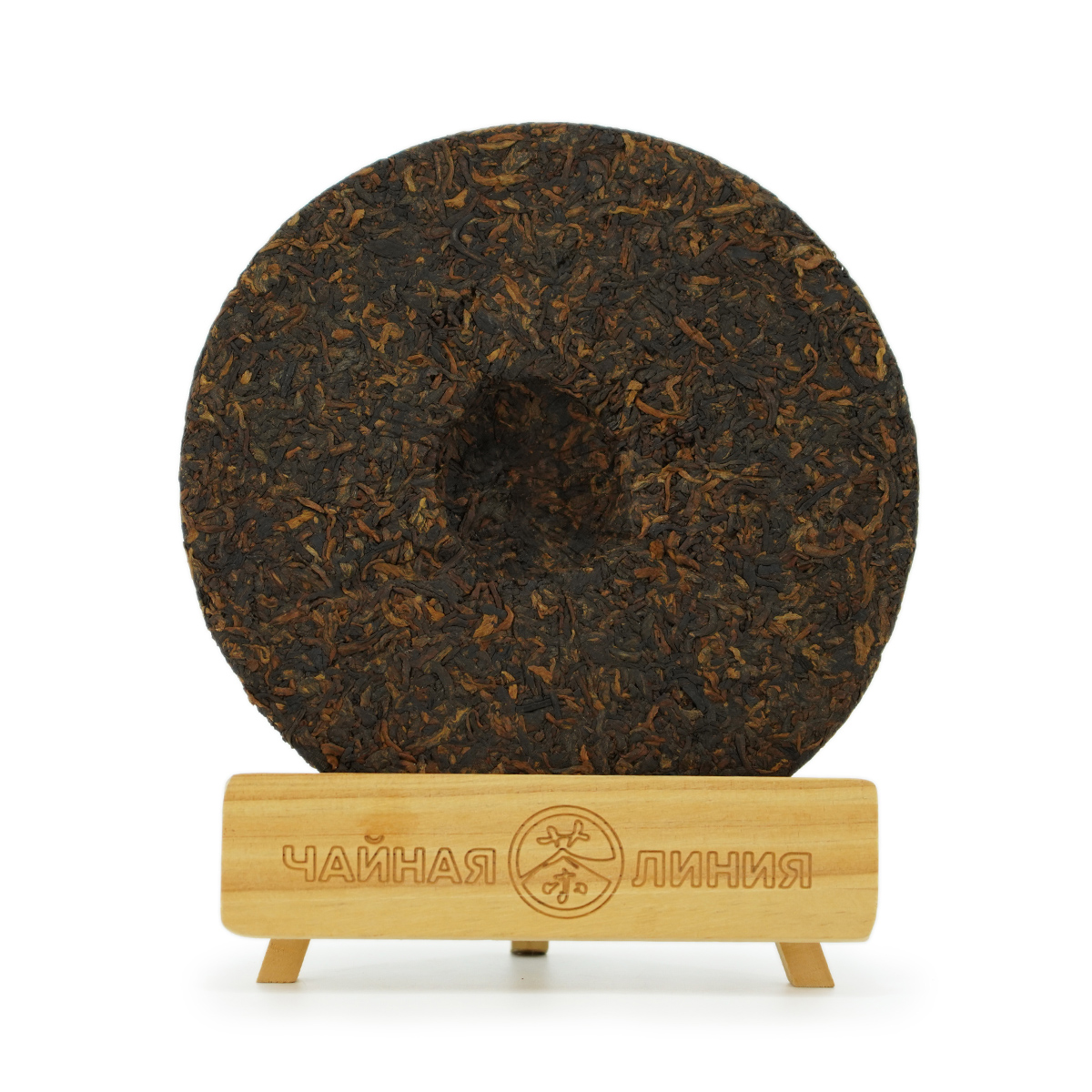
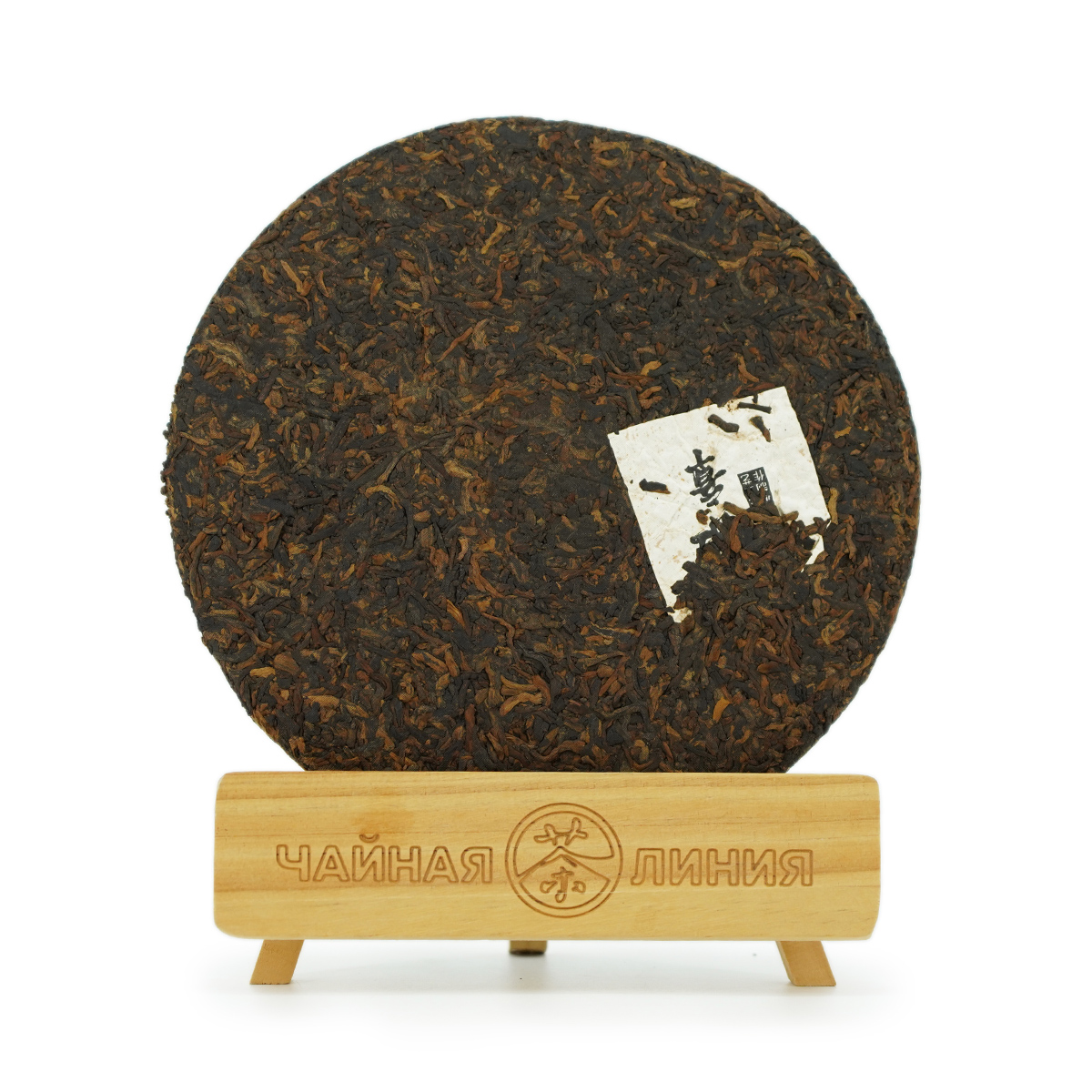
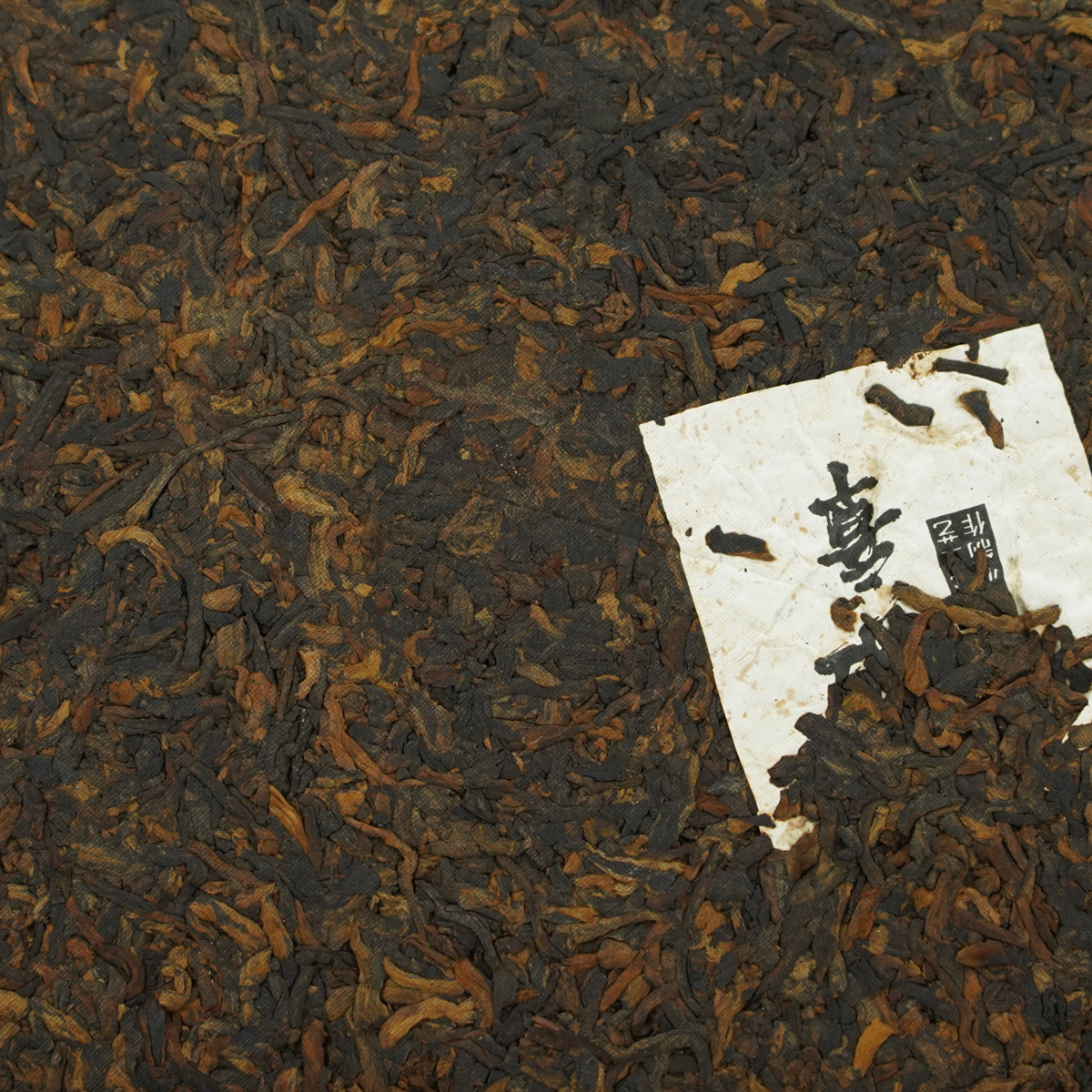
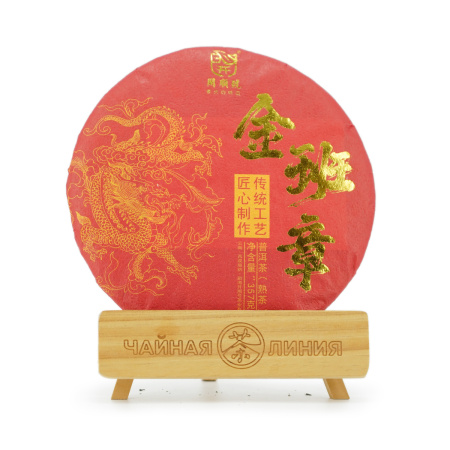
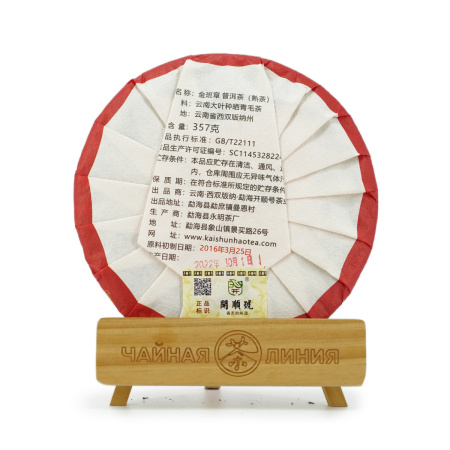
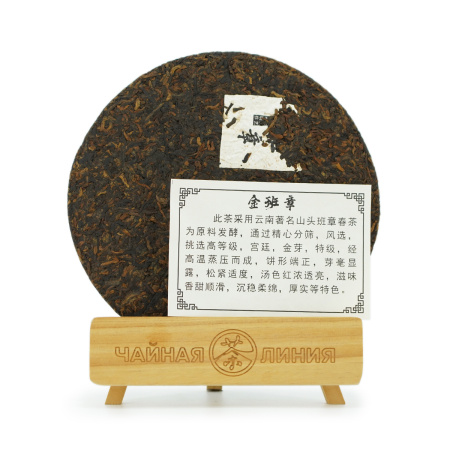
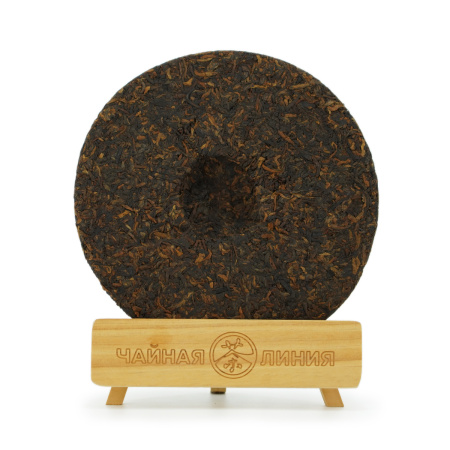
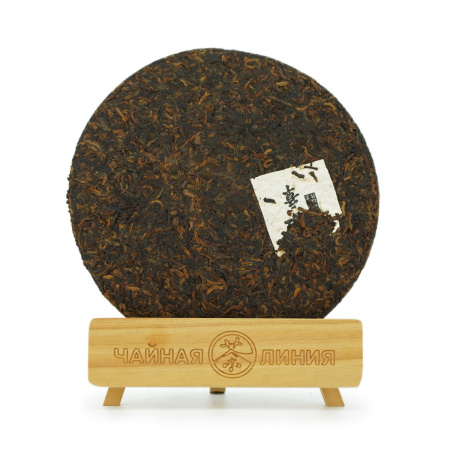
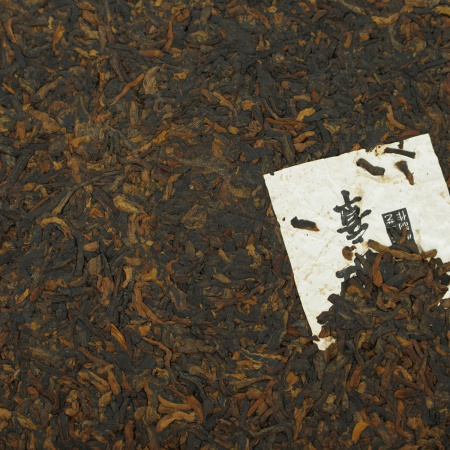
Shu Pu'er 2016 "Jin Banzhang" by the "Kaishunhao" brand: The depth of taste and legends of Banzhang
The 2016 Shu Pu'er "Jin Banzhang" from the Kaishunhao brand is more than just a tea; it's a work of art, created by nature and human hands. Its name, "Jin Banzhang," translates as "Golden Banzhang," a testament to its value and high status among pu'er connoisseurs.
The Legendary Banzhang
Banzhang is not just a village, but an entire region renowned for its tea trees, some of which are hundreds of years old. Banzhang comprises five villages: Baqalun, Bakanan, Laoman'e, Xinbanzhang, and Laobanzhang. It is here that the tea bushes that produce the legendary pu'erh tea grow.
- Laobanzhang is the oldest and most famous village. The tea trees here have a distinctive aroma and flavor.
- Xinbanzhang is a young village, but the tea bushes here have already gained recognition for their high quality.
- Laoman'e is a village famous for its large-leaf tea bushes.
- Bakalun and Bakanan – these villages also contribute to the creation of Banzhang’s unique blend.
Kaishunhao and his "Golden Banzhang"
Kaishunhao is one of the leading pu-erh producers. Their 2016 Golden Banzhang is the result of meticulous raw material selection, expert processing, and extensive aging.
- Harvesting: The leaves for this pu-erh are hand-picked during the season when the tea trees reach the peak of their ripeness.
- Processing: After collection, the leaves undergo several stages of processing: drying, rolling, fermentation and pressing.
Taste and aroma
The 2016 Golden Banzhang has a deep, rich flavor:
- Woody and earthy notes: These are among the most recognizable and characteristic notes of shu pu-erh teas, especially those produced from ancient trees. They create a sense of depth and richness in flavor.
- Sweet notes: Sweet notes reminiscent of dried fruit, honey, and caramel are present. They soften the woody tones and give the tea a more balanced flavor.
- Spicy Notes: There are slight spicy notes present that add zest and complexity.
- Nutty notes: These give the tea a rich and deep flavor.
Beneficial properties
- Improves digestion
- Strengthens the immune system
- Lowers cholesterol levels
- It has an antioxidant effect
How to brew
For brewing Golden Banzhang, we recommend using a gaiwan or chahai. The optimal water temperature is 95-100 degrees Celsius. The steeping time can be increased with each subsequent infusion to reveal new flavor nuances.
The 2016 Shu Pu'er "Jin Banzhang" from the Kaishunhao brand is a true treasure for pu'er connoisseurs. Its deep flavor, rich aroma, and history make it one of the most coveted teas in the world.
|
Name in Chinese
|
金班章 |
|
Pinyin
|
jīn bānzhāng |
|
Translation
|
Golden Banzhang |
|
Country
|
Китай |
|
District
|
Xishuangbanna Dai Autonomous Prefecture |
|
Provinces
|
Юньнань (云南) |
|
Habitat
|
Булан (布朗, Bùlǎng) |
|
Manufacturer
|
Кайшуньхао (开顺号) |
|
Date of raw material production
|
2016 |
|
Year of pressing
|
2016 |
|
Pressing form
|
Бин Ча (блин) |
- Reviews
- Vkontakte
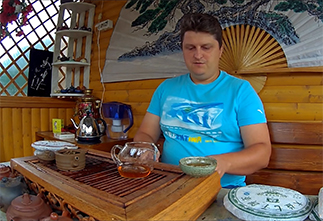
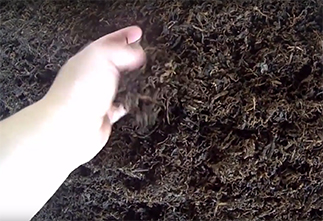
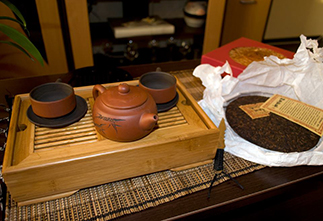
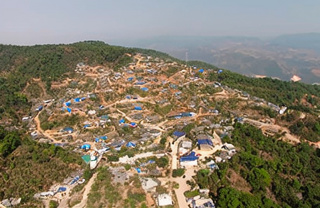
Traveling through the tea mountains, we found ourselves in another land of blue roofs - the village of Zhongcai, which is located in the Menghai district of Yunnan province. According to tradition, we were shown another local tea tree, which, according to the Chinese, is at least a million years old :) The village is very authentic, not designed for tourists, there are many wild pu-erhs there and, of course, we were warmly received. They treated us to local cuisine and tea. We also asked the residents about the prices of tea and how they have changed in recent years.
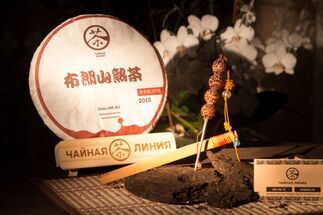
The tea ceremony holds a special place in the centuries-old Eastern tradition. While its essence remains constant, the nature and external manifestations of the tea ceremony vary among different cultures. Each Chinese province has its own distinct tea ceremony and tea used: for example, residents of the southern provinces prefer green tea, while those in the northern provinces prefer red tea. Oolong tea is more commonly used in Fujian Province, while Pu'er tea is widely known in Yunnan Province.
В нашем ассортименте пуэров широко представлена линейка завода "Кайшуньхао". Мы познакомились с владельцем во время одного из путешествий в Китай. Это было время, когда мы открывали новые горизонты для сотрудничества основываясь на качестве и адекватной цене! Так кто же такие эти увлеченные своим делом люди?)
Need a consultation?
Our specialists will answer any question of interest


