




-
0 Saturation
-
0 Aftertaste
-
0 Aroma
-
0 Effect
-
0 Balance
-
0 Body
Shu Pu'er "Sacred Flame" 2010: Depth of Taste and History
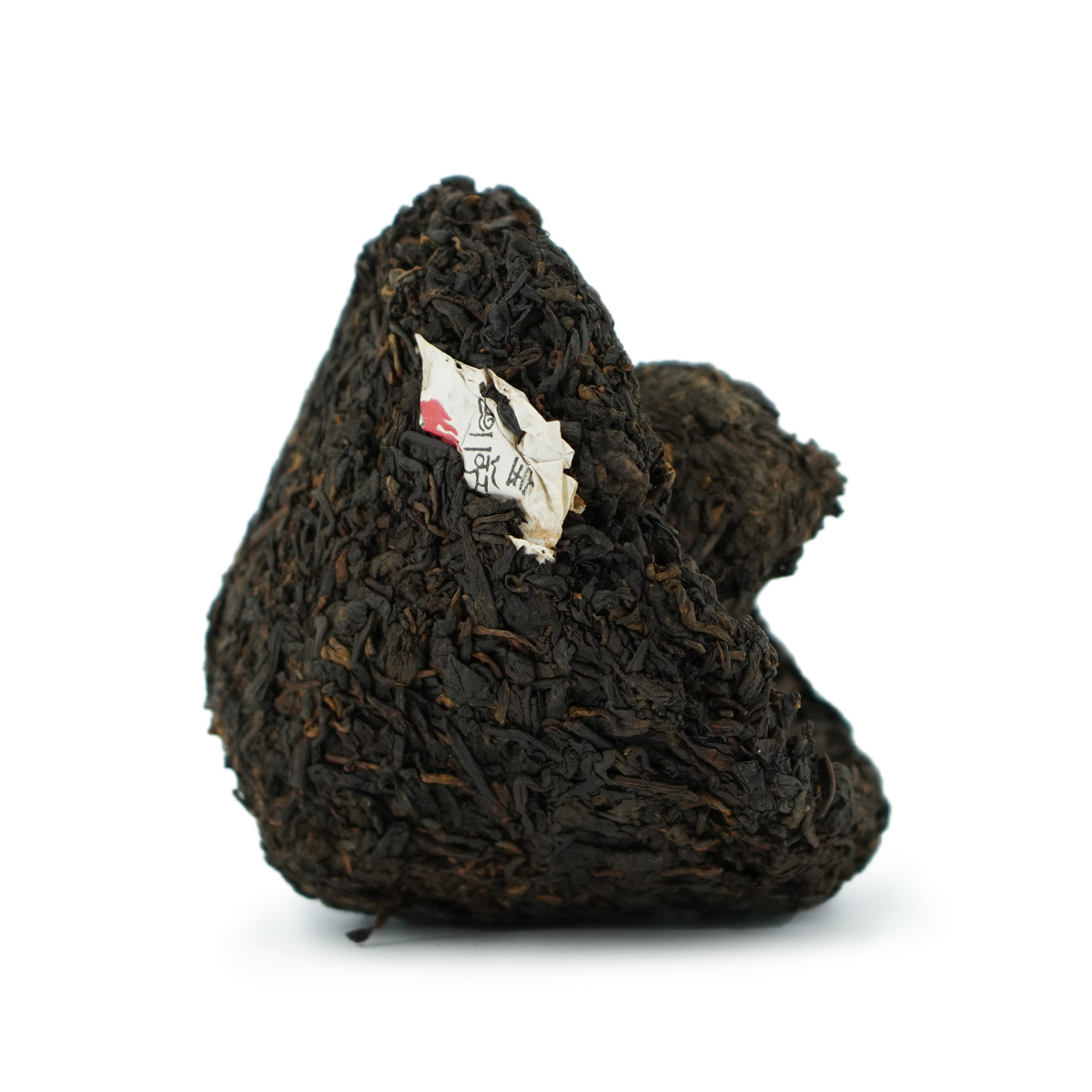
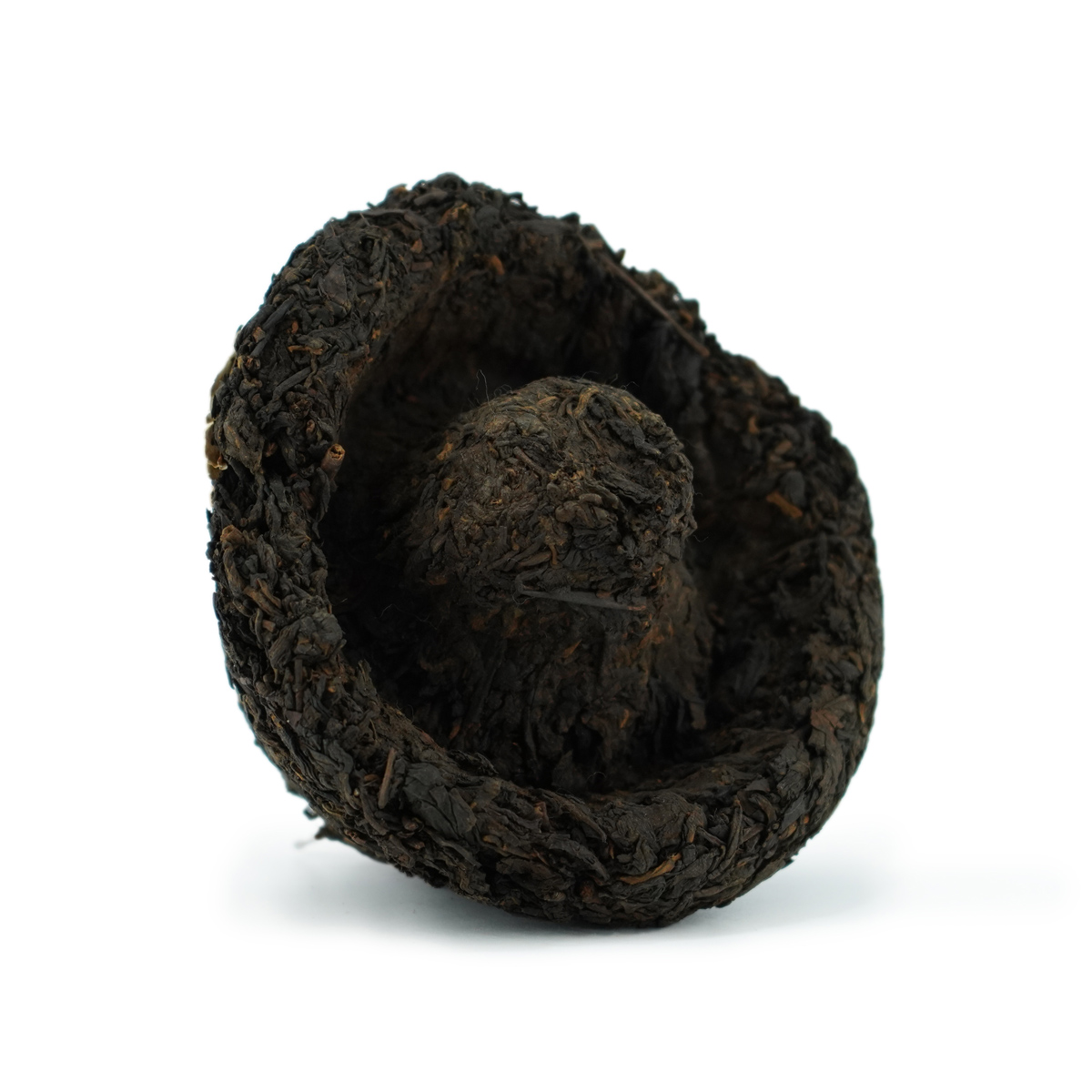
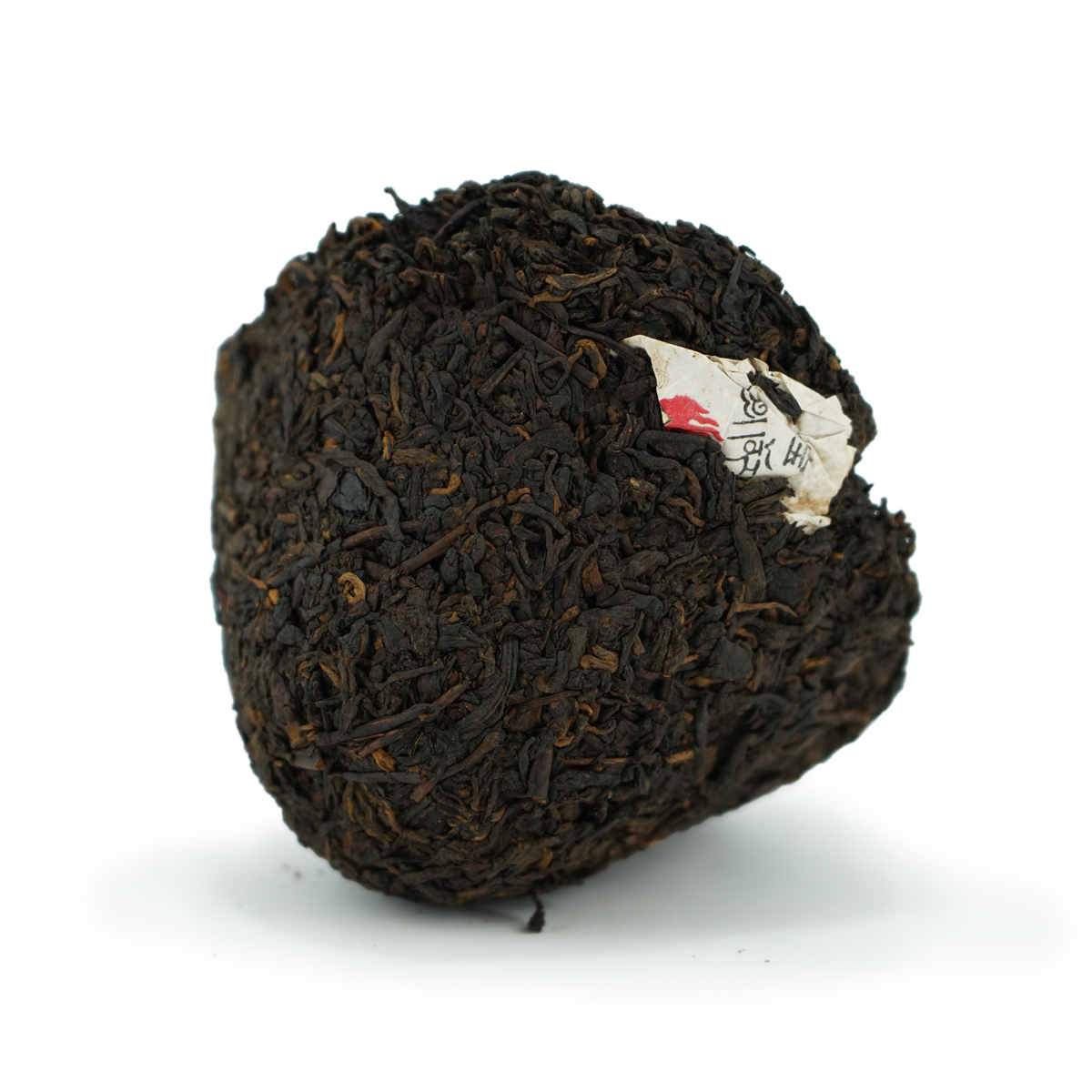
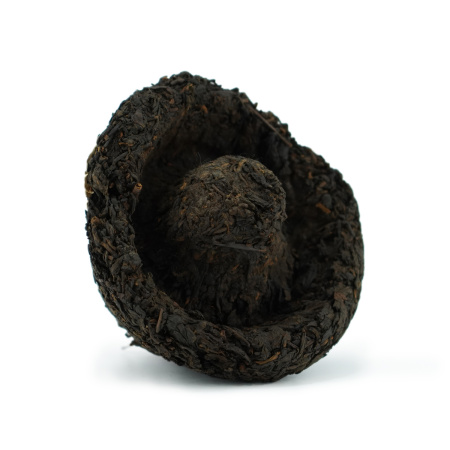
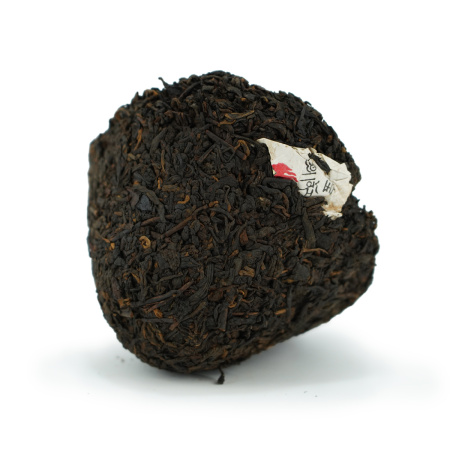
Shu Pu'er "Sacred Flame" is more than just a tea; it's a work of art, crafted by skilled tea masters at the renowned Xiaguan factory. This 2010 pu'er, pressed into a unique mushroom shape, is a true treasure for connoisseurs of this noble beverage.
Xiaguan Factory: The Legend of Chinese Tea
The Xiaguan factory is one of the oldest and most respected pu-erh tea producers in China. Its history spans over a century, and during this time, the factory has earned a reputation for creating high-quality and unique teas. Xiaguan pu-erhs are renowned for their deep flavor, rich aroma, and ability to improve over time.
Shu Puer: A special type of tea
Shu pu-erh is a type of black fermented tea that undergoes a special process that accelerates the fermentation process. This technology gives shu pu-erh its unique flavor and medicinal properties. It is prized for its rich, earthy flavor with notes of wood, dried fruit, and spices.
"The Sacred Flame": Symbol and Promise
The name "Sacred Flame" symbolizes the passion and skill with which tea masters create this pu-erh. It also hints at its warming properties and ability to soothe the soul.
Mushroom Shape: Aesthetics and Functionality
The mushroom shape into which this pu-erh is pressed is not only aesthetically pleasing but also has practical value. The mushroom shape promotes uniform fermentation of the tea and facilitates its brewing.
Taste and aroma
The 2010 Shu Pu'er "Sacred Flame" has a deep, rich flavor with notes of wood, earth, dried fruit, and a touch of sweetness. The tea's aroma is complex and multifaceted, intertwining woody, fruity, and spicy notes.
Properties of tea
Like all shu pu-erh teas, this tea has a number of beneficial properties:
- Improves digestion
- Lowers cholesterol levels
- Strengthens the immune system
- Tones the body
- Promotes weight loss
How to brew
To fully appreciate the rich flavor and aroma of this pu-erh tea, it is recommended to use traditional Chinese ceramic teaware. The tea is steeped in hot water (around 95 degrees Celsius) in several infusions. Each subsequent infusion reveals new facets of the tea's flavor and aroma.
Shu Pu'er "Sacred Flame" 2010 is more than just a drink; it's a journey into the world of Chinese tea culture. This tea makes a wonderful gift for yourself or loved ones.
|
Name in Chinese
|
宝焰 |
|
Pinyin
|
bǎoуǎn |
|
English name
|
Ripe pu'er 2010 “Sacred Flame” plant “Xiaguan” |
|
Translation
|
Sacred Flame of the Xiaguan Plant |
|
Country
|
Китай |
|
Provinces
|
Юньнань (云南) |
|
Region
|
Дали́-Ба́йский автоно́мный о́круг (大理白族自治州) |
|
Habitat
|
Куньмин (昆明, kūnmíng) |
|
Manufacturer
|
Сягуань (云南下关沱茶集团) |
|
Date of raw material production
|
2010.08.03 |
|
Year of pressing
|
2010 |
|
Pressing form
|
Цзинь Ча (гриб) |
|
Declared weight, g
|
250 |
|
A variety of tea tree (bush)
|
Da Ye Cha |
|
Size
|
10x10x7 |
|
Length, cm
|
10 |
|
Width, cm
|
10 |
- Reviews
- Vkontakte
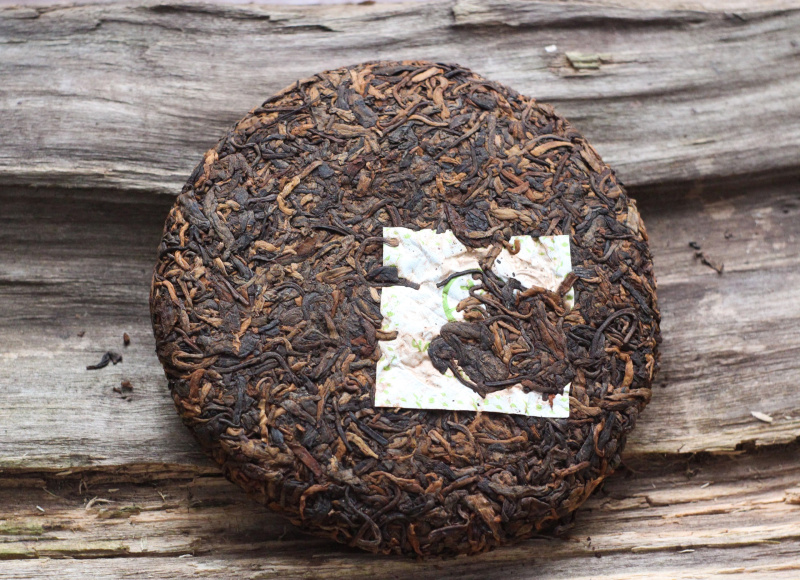
Pu-erh is one of the most unique types of tea, which only gets better with age. Many people, when they first encounter this tea, wondered: why is pu-erh more often found in pressed form (cakes, bricks, tochas), and not in loose form? The reasons for this are related to both history and the practical aspects of storing and fermenting tea. Despite modern technologies that allow the production of loose pu-erh, the shape of pressed cakes remains unchanged. And pu-erh is more often found on sale in pressed form, for example, in the form of cakes or bricks, and loose pu-erh is less common. We will talk about the reasons for pressing pu-erh into cakes in this article.
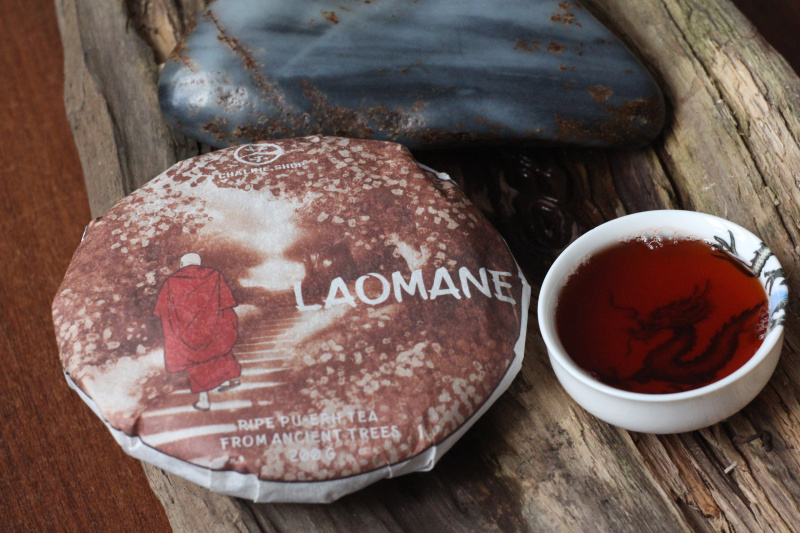
Puer is a unique Chinese tea that is distinguished by its depth of taste, complexity of aromas and versatility of aftertaste. Its taste characteristics are formed under the influence of many factors, from growing conditions to the brewing method. Let's look at the main ones.
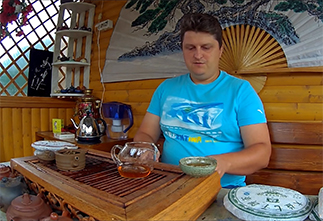

Traveling through the tea mountains, we found ourselves in another land of blue roofs - the village of Zhongcai, which is located in the Menghai district of Yunnan province. According to tradition, we were shown another local tea tree, which, according to the Chinese, is at least a million years old :) The village is very authentic, not designed for tourists, there are many wild pu-erhs there and, of course, we were warmly received. They treated us to local cuisine and tea. We also asked the residents about the prices of tea and how they have changed in recent years.
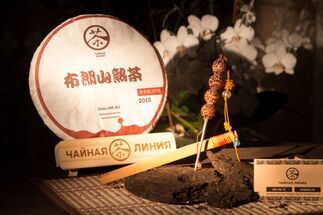
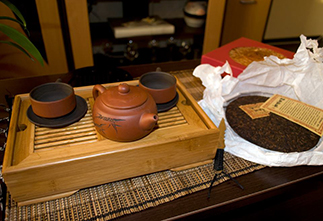
The tea ceremony holds a special place in the centuries-old Eastern tradition. While its essence remains constant, the nature and external manifestations of the tea ceremony vary among different cultures. Each Chinese province has its own distinct tea ceremony and tea used: for example, residents of the southern provinces prefer green tea, while those in the northern provinces prefer red tea. Oolong tea is more commonly used in Fujian Province, while Pu'er tea is widely known in Yunnan Province.
Need a consultation?
Our specialists will answer any question of interest


