





-
0 Saturation
-
0 Aftertaste
-
0 Aroma
-
0 Effect
-
0 Balance
-
0 Body
"Luck" Shu Pu-erh 2023 from "Tea Line": a reliable companion for every day
Released under the Tea Line brand, this Shu Pu'er "Luck" is made from 2023 harvested tea from China's Yunnan Province and is presented in a 200-gram Bing Cha (饼茶, Bǐng chá) cake. This reliable, pleasant, and versatile Shu Pu'er is a great choice for everyday tea drinking.
Tea Line is a trusted brand specializing in selecting and selling the finest Chinese teas. The name "Luck" for this shu pu-erh tea promises a pleasant tea-drinking experience, a great price-quality ratio, and good luck to those who drink it.
Vintage 2023 and appearance
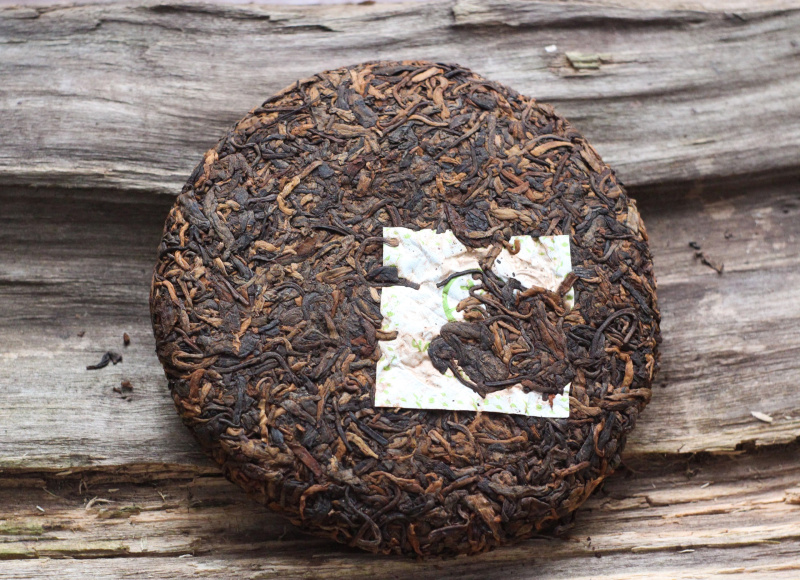
This shu pu-erh was made from 2023 tea, making it very young (approximately 1.5 years old). The cake is made from high-quality Yunnan tea and has a beautiful, uniform appearance. The tea is pressed into a 200-gram cake.
Taste and aroma: nuts, bitterness and caramel
- Overall impression: The tea is strong and rich. The flavor is full-bodied, not watery.
- Dominant notes: Nuts predominate the flavor. This is a classic and pleasant note for shu pu-erh.
- Balance: There is a slight bitterness that adds structure to the taste and prevents it from being overly bland.
- Finish: Finishes with caramel on the finish, giving the tea a pleasant sweetness and roundness.
Work shoes for every day
This tea is positioned by Tea Line as an excellent everyday working shu. Its strength, richness, pleasant nutty-caramel notes, and versatility (suitable for any occasion) make it an excellent choice for regular consumption. It's the kind of tea you can drink while working or studying, requiring little thoughtful preparation but delivering a consistent and enjoyable result.
Brewing recommendations
The standard method of brewing shu puerh is also suitable for "Good Luck":
- Preparation: Chip off 5-8 grams of tea from the pancake.
- Water: Boiling water (95-100°C).
- Rinsing: 1-2 quick rinses with boiling water to clean and awaken the tea.
- Brewing: Steeping. Start with short steeps (10-15 seconds), gradually increasing the time. This method is also suitable for steeping in a thermos or brewing in a large mug.
The 2023 Shu Pu-erh "Udacha" from Chaynaya Liniya is a very successful example of a young, yet high-quality and easy-to-understand Shu Pu-erh. Its beautiful, uniform raw material, robust, rich flavor with dominant nutty notes, a slight bitterness, and a caramel aftertaste make it an excellent choice for daily consumption. This is a reliable, versatile pu-erh that is suitable for any occasion and will bring pleasure with its consistency and pleasant taste.

|
Country
|
Россия |
|
Manufacturer
|
ООО "Чайная Линия" |
|
Date of raw material production
|
2023 |
|
Year of pressing
|
2023 |
|
Pressing form
|
Бин Ча (блин) |
|
Declared weight, g
|
200 |
- Reviews
- Vkontakte
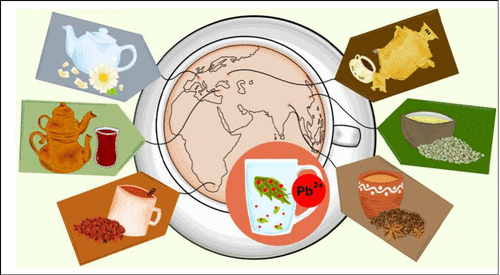
Pu-erh is one of the most unique types of tea, which only gets better with age. Many people, when they first encounter this tea, wondered: why is pu-erh more often found in pressed form (cakes, bricks, tochas), and not in loose form? The reasons for this are related to both history and the practical aspects of storing and fermenting tea. Despite modern technologies that allow the production of loose pu-erh, the shape of pressed cakes remains unchanged. And pu-erh is more often found on sale in pressed form, for example, in the form of cakes or bricks, and loose pu-erh is less common. We will talk about the reasons for pressing pu-erh into cakes in this article.
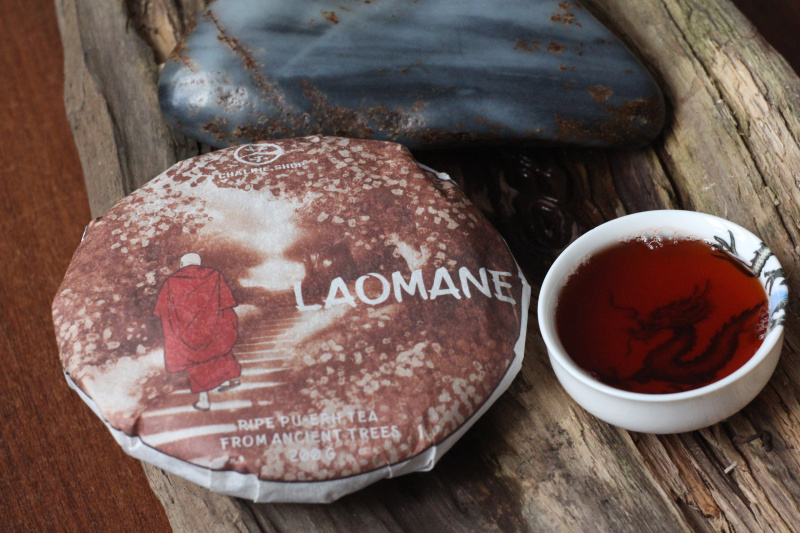
Puer is a unique Chinese tea that is distinguished by its depth of taste, complexity of aromas and versatility of aftertaste. Its taste characteristics are formed under the influence of many factors, from growing conditions to the brewing method. Let's look at the main ones.
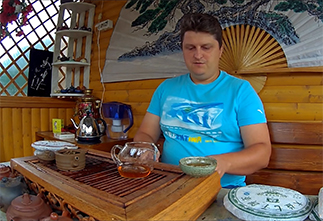
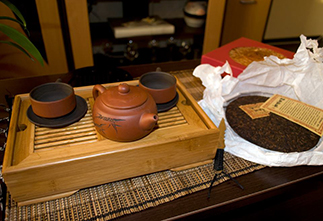

Traveling through the tea mountains, we found ourselves in another land of blue roofs - the village of Zhongcai, which is located in the Menghai district of Yunnan province. According to tradition, we were shown another local tea tree, which, according to the Chinese, is at least a million years old :) The village is very authentic, not designed for tourists, there are many wild pu-erhs there and, of course, we were warmly received. They treated us to local cuisine and tea. We also asked the residents about the prices of tea and how they have changed in recent years.
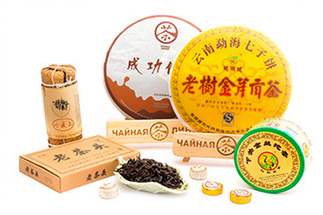
Over time, some consumers who are part of the country's "tea elite" discover mainland Chinese tea. And only a few get acquainted with Taiwanese varieties. The path of a tea person is usually long and thorny, but ultimately it leads to the King of Teas - puer. But not everyone is able to go all the way from ordinary teas to puer and appreciate its qualities.
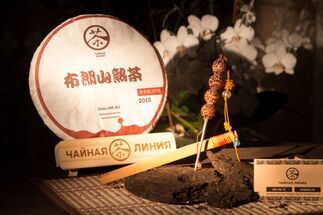
The tea ceremony holds a special place in the centuries-old Eastern tradition. While its essence remains constant, the nature and external manifestations of the tea ceremony vary among different cultures. Each Chinese province has its own distinct tea ceremony and tea used: for example, residents of the southern provinces prefer green tea, while those in the northern provinces prefer red tea. Oolong tea is more commonly used in Fujian Province, while Pu'er tea is widely known in Yunnan Province.
Need a consultation?
Our specialists will answer any question of interest


