



Article:
RT-6014

Out of stock
Found cheaper?
ADD TO CART
Bonus account:
Calculate shipping
I want it as a gift
Characteristics
Name in Chinese
—
Array
Pinyin
—
Array
Translation
—
Array
Country
—
Array
Provinces
—
Array
Manufacturer
—
Array
All specifications
The price is valid only for the online store and may differ from prices in retail stores.
Taste card:
-
0 Saturation
-
0 Aftertaste
-
0 Aroma
-
0 Effect
-
0 Balance
-
0 Body
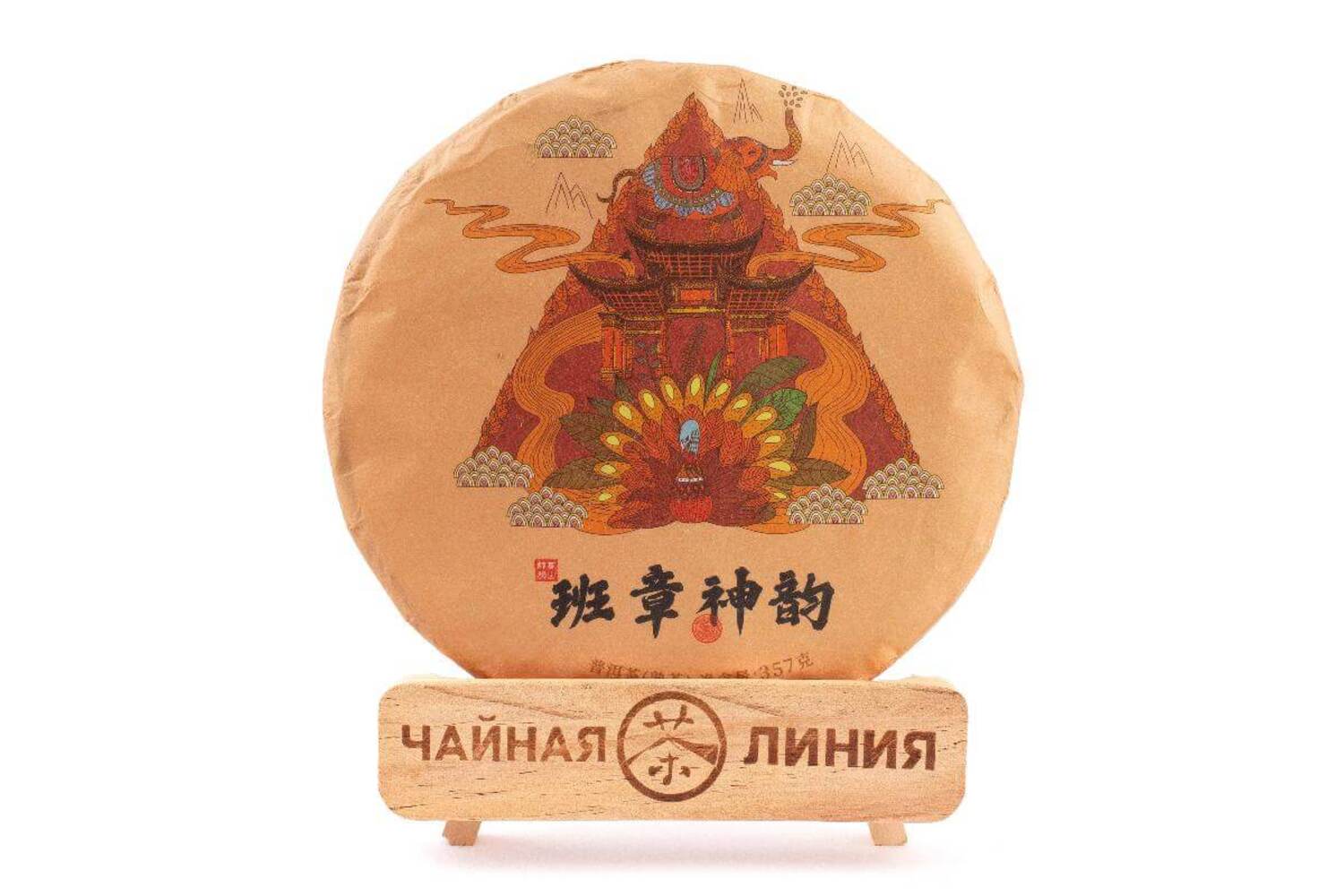
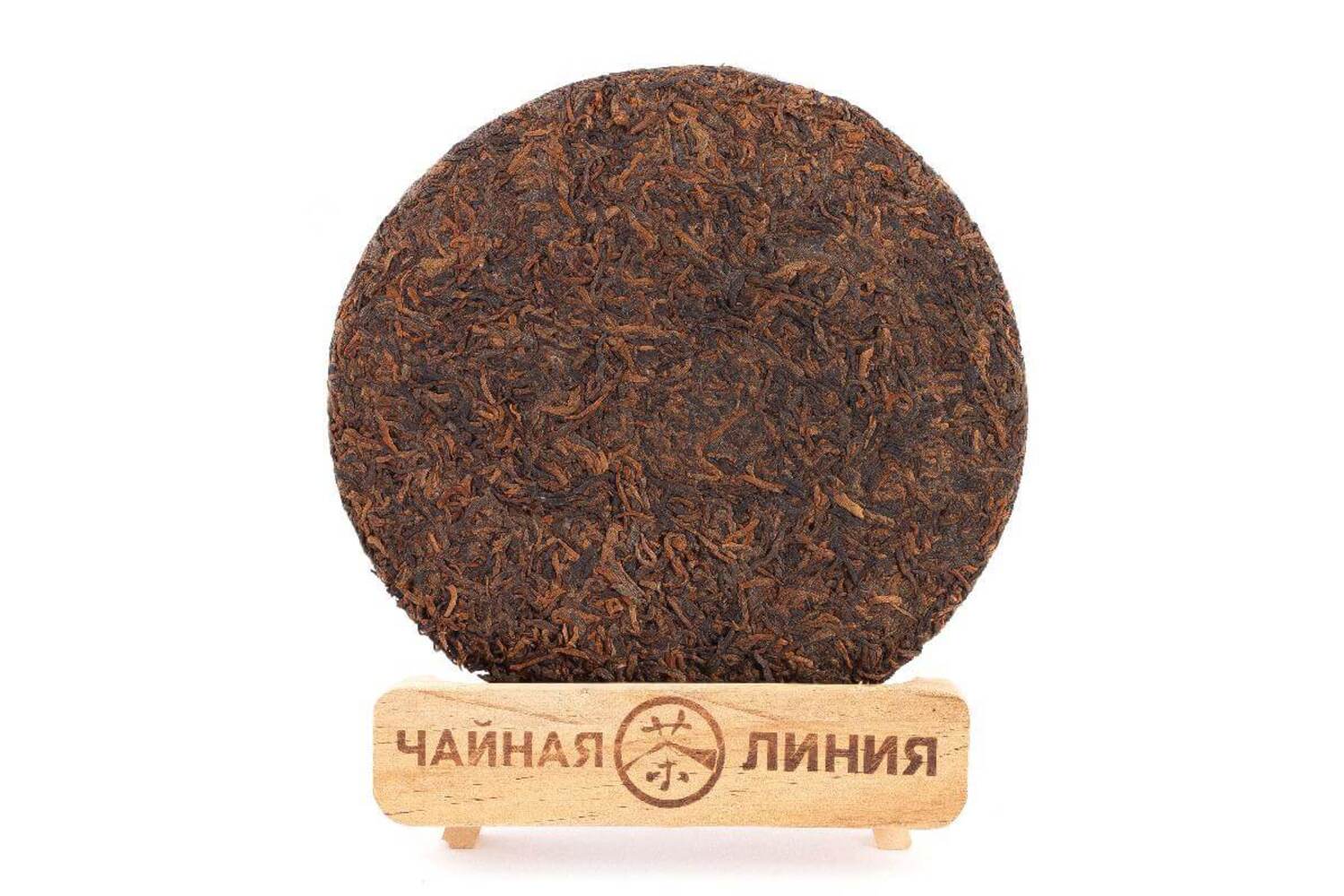
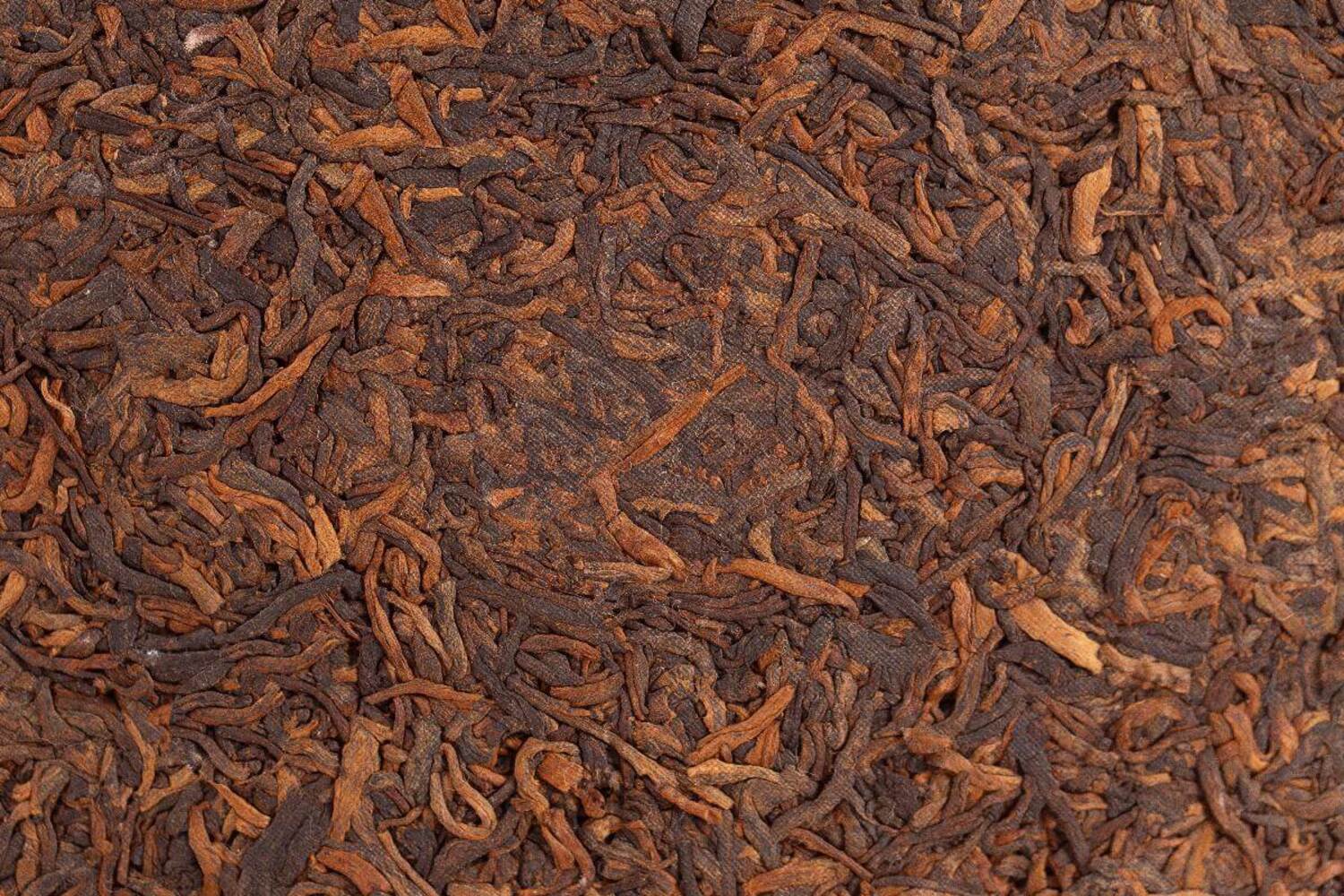
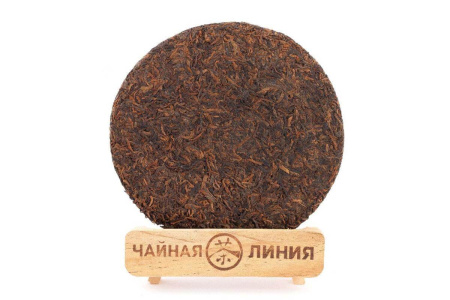
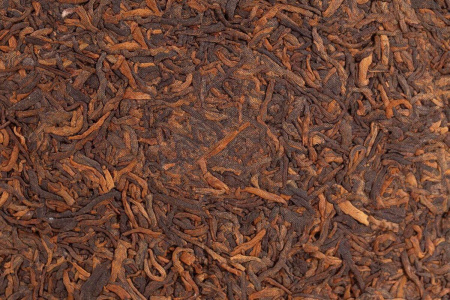
A fresh, dry Chashuwan pu-erh tea has a subtle, elusive aroma that only begins to emerge after washing. It has a velvety, slightly sweet aroma with a pleasant mushroom note, nuances of forest moss, chocolate, and damp autumn leaves. The taste of the brewed tea is thick, buttery, soft, and pure. Notes of chocolate, raisins, a touch of oriental spices, and macadamia nuts are discernible. By the fifth steeping, the infusion acquires a moderate oiliness with a slight bitterness. With a ratio of 8-10 grams of tea per Yixing clay teapot or thick-walled gaiwan, this pu-erh tea can be steeped up to six times. The finished tea has a reddish-brown, clean, and clear infusion, leaving a lingering creamy, caramel-like aftertaste with a spicy note. Shu Pu-erh "Divine Melody Banzhang" from the Chashuwan brewery, which produces high-quality, genuine pu-erh at an affordable price, has a strong, particularly noticeable effect. This tea warms you up to the point of sweating, tones and invigorates, while simultaneously relaxing and relieving nervous tension. It's an excellent choice for everyday tea drinking, especially in the morning, to kick-start a productive day.
|
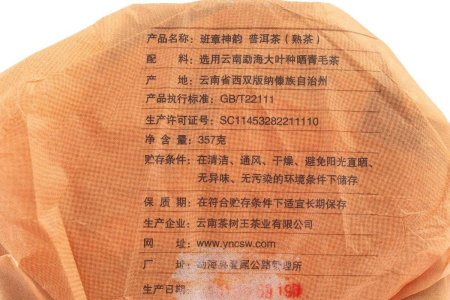
Name in Chinese
|
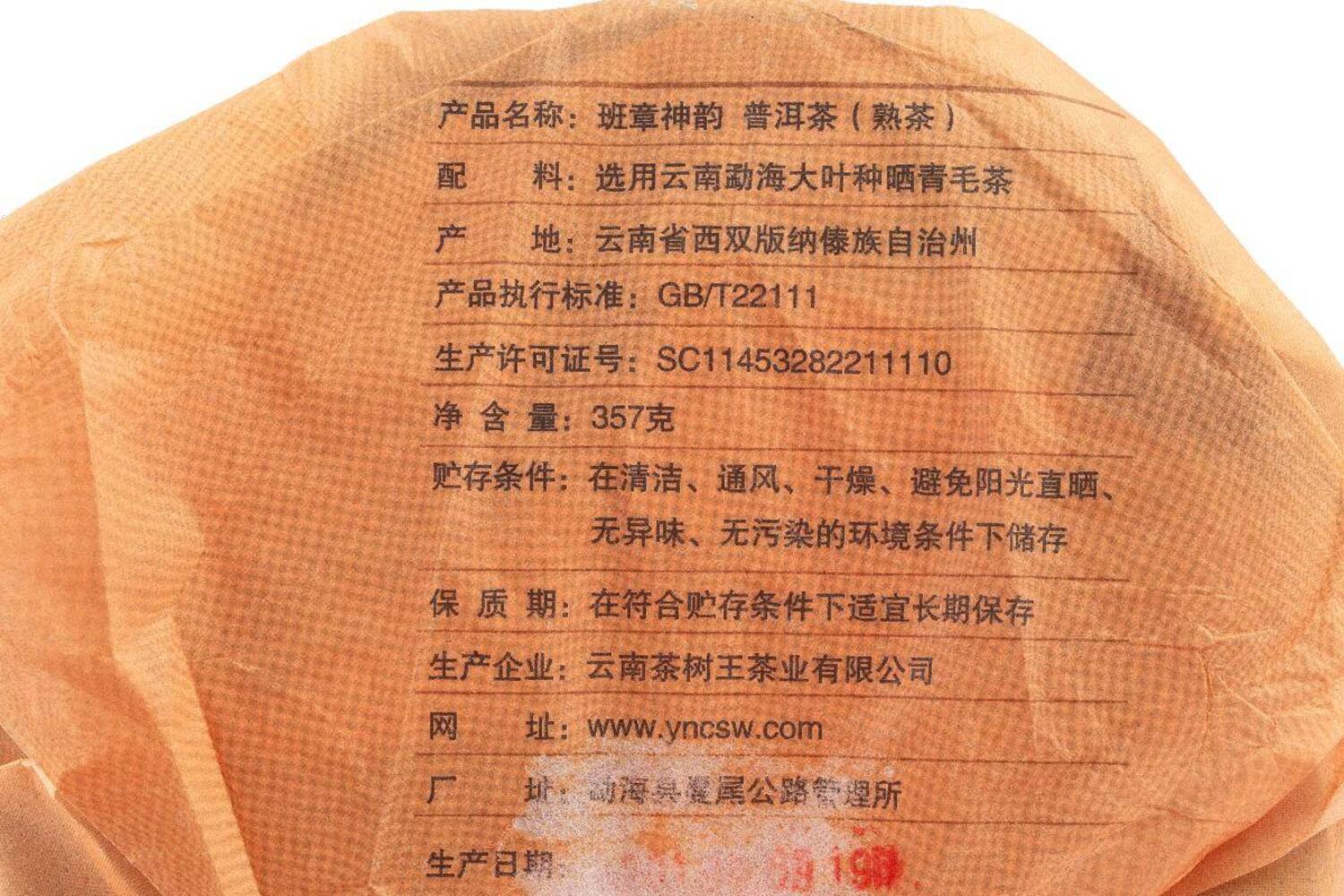
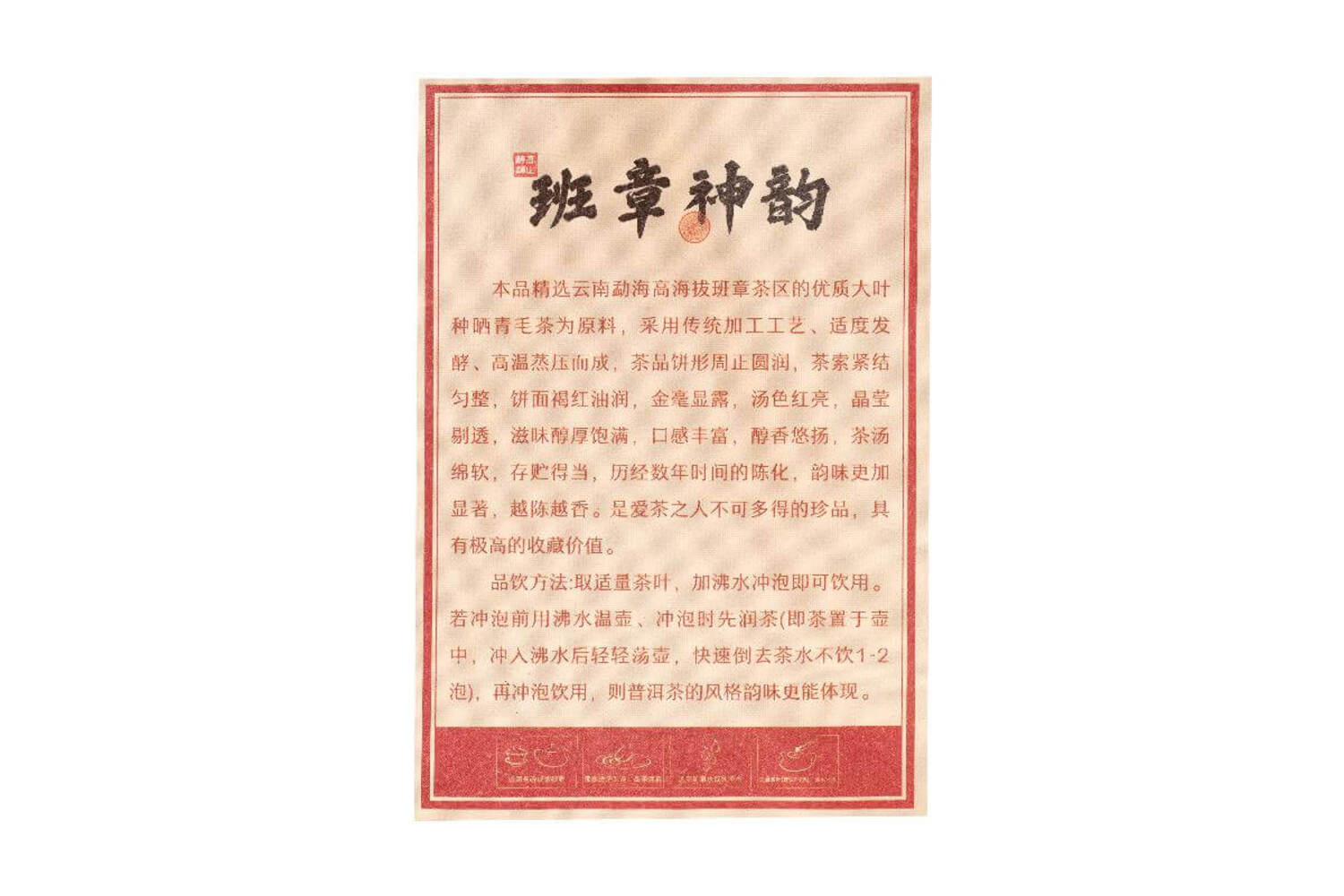
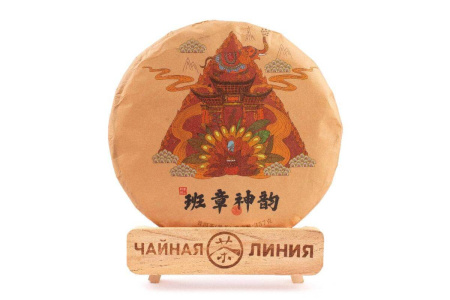
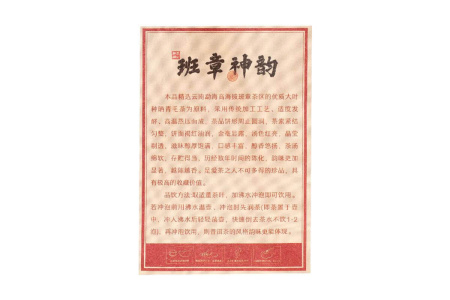
班章神韵 |
|
Pinyin
|
bānzhāng shényùn |
|
Translation
|
Divine Melody Banzhang |
|
Country
|
China |
|
Provinces
|
Yunnan (云南) |
|
Manufacturer
|
Чашуван (茶树王) |
|
Date of raw material production
|
2019 |
|
Year of pressing
|
2019 |
|
Pressing form
|
Bing Cha (Cake Tea) |
|
Declared weight, g
|
357 |
|
Length, cm
|
200 |
|
Width, cm
|
200 |
Availability
Reviews
- Reviews
- Vkontakte
Loading comments...
Articles
Articles about tea
—
05.02.2018
The tea ceremony holds a special place in the centuries-old Eastern tradition. While its essence remains constant, the nature and external manifestations of the tea ceremony vary among different cultures. Each Chinese province has its own distinct tea ceremony and tea used: for example, residents of the southern provinces prefer green tea, while those in the northern provinces prefer red tea. Oolong tea is more commonly used in Fujian Province, while Pu'er tea is widely known in Yunnan Province.
Кит. 云南茶树王茶叶有限公司
Пиньин Yúnnán cháshù wáng cháyè yǒuxiàn gōngsī
Пер. «Юньнаньская чайная компания Король (Царь) чайных деревьев»
Пиньин Yúnnán cháshù wáng cháyè yǒuxiàn gōngsī
Пер. «Юньнаньская чайная компания Король (Царь) чайных деревьев»
Need a consultation?
Our specialists will answer any question of interest
Ask a Question


