







-
0 Saturation
-
0 Aftertaste
-
0 Aroma
-
0 Effect
-
0 Balance
-
0 Body
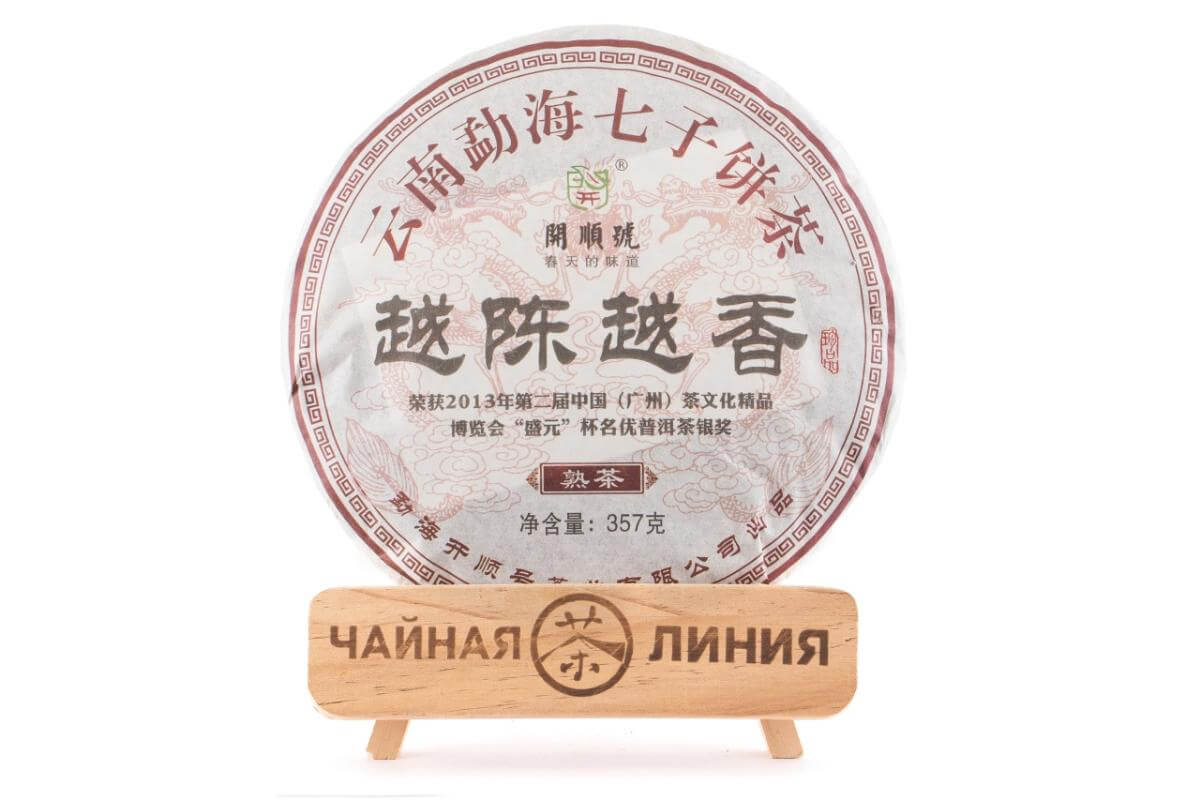
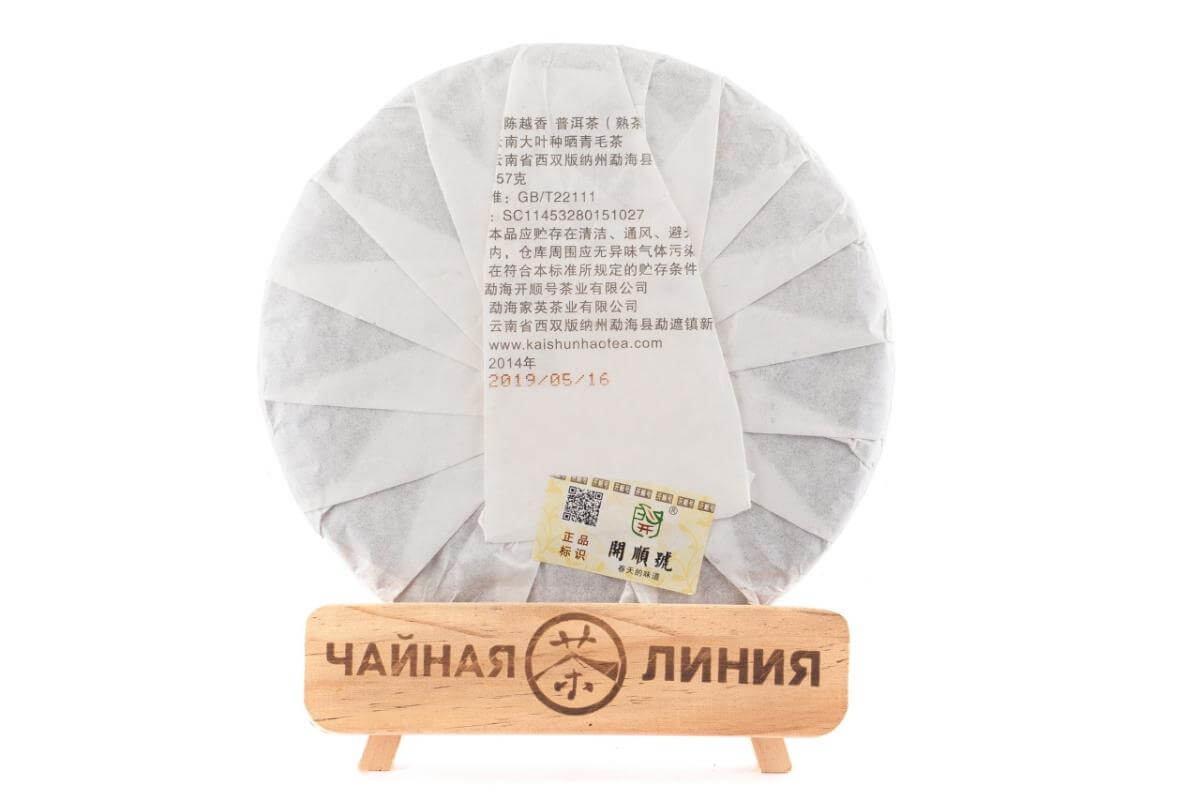
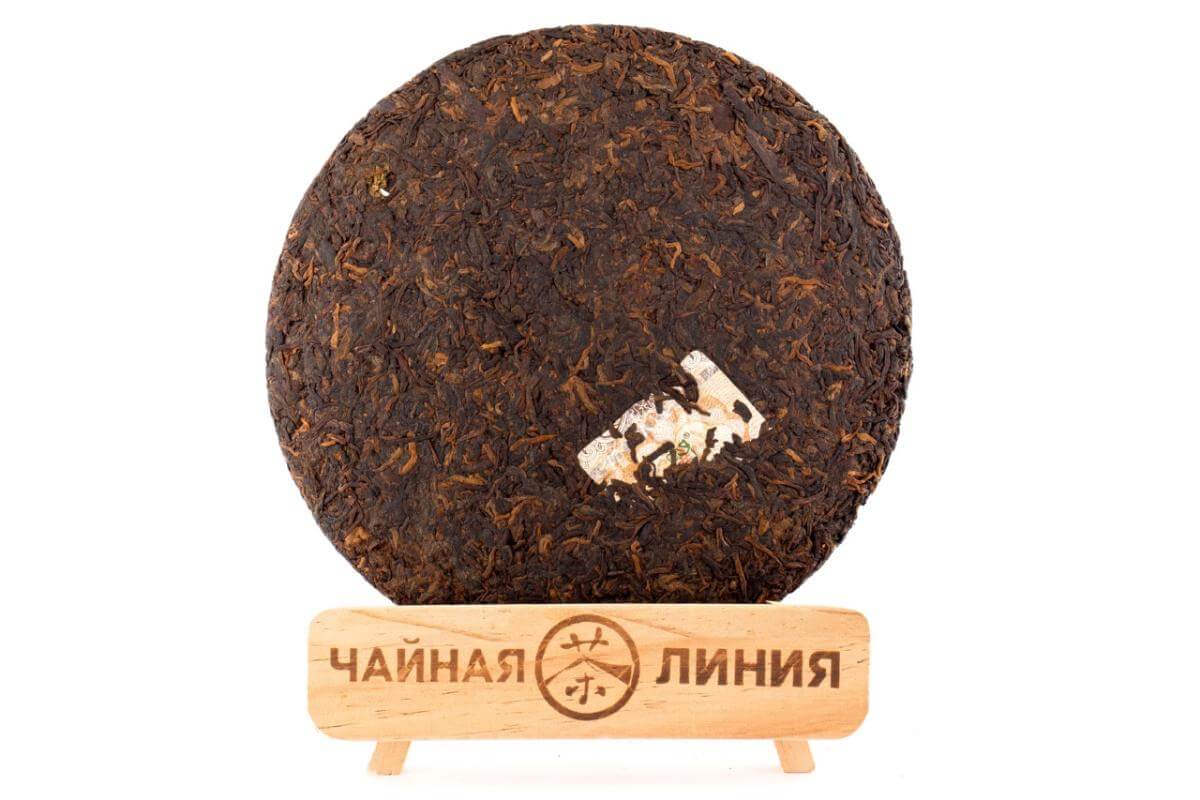
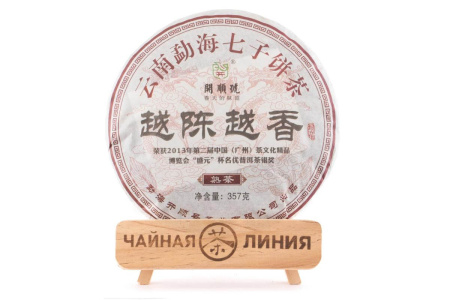
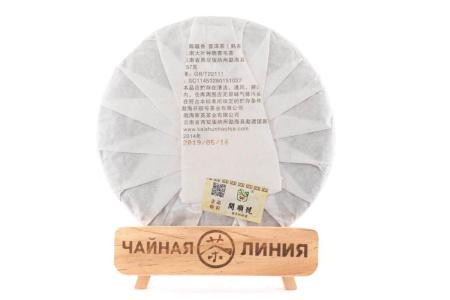
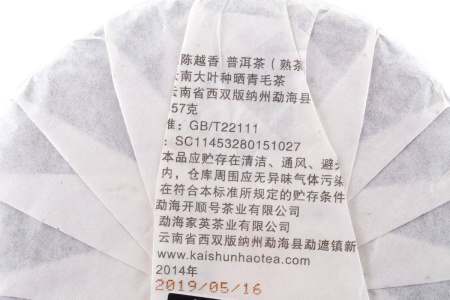
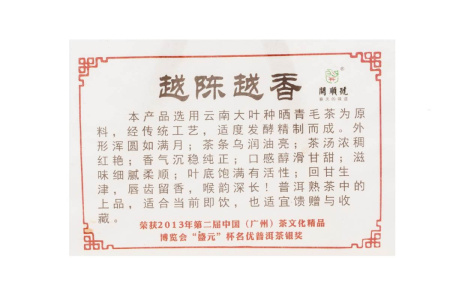
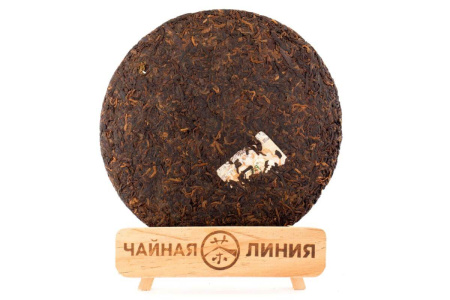
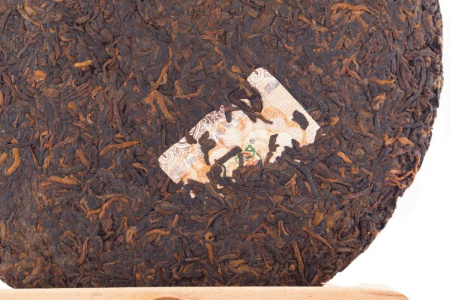
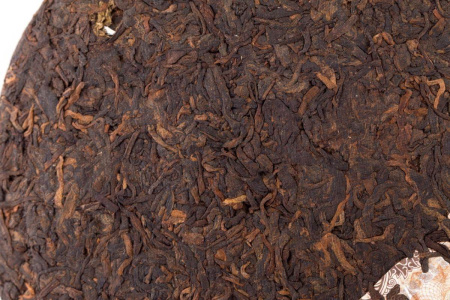
Шу пуэр 2014 г. сырьё, прессовка 2019 г. «Чем старше, тем ароматней» от «Кайшуньхао», 357 г
When warmed up with your breath, you can feel a calm, gentle aroma with woody notes and creamy caramel shades. After washing, the aroma intensifies, dried herbs scalded with boiling water and a light trail of cherry juice are added.
The taste of brewed tea is dense and thick, woody-creamy, with nuances of burnt caramel and camphor. By the 3rd infusion, a persistent woody shade with berry sourness and nuances of nuts dominates.
The tea can withstand 5 full steepings, with a ratio of 7-10 g of tea per 190 ml Yixing clay teapot or gaiwan. Shu puer should be brewed with water at a temperature of 98-100 °C.
The infusion is dark red-brown in color, clean and transparent.
During the tea drinking process, a rich aftertaste with woody-nutty tones sets in.
This puerh gently tones, smoothly warms, gives determination, sobers up and makes the mind clear. Decent quality, balanced delicate taste, and soft tea state make it an ideal tea for every day.
|
Country
|
China |
|
District
|
Xishuangbanna Dai Autonomous Prefecture |
|
Provinces
|
Yunnan (云南) |
|
Manufacturer
|
Кайшуньхао (开顺号) |
|
Date of raw material production
|
2014 |
|
Year of pressing
|
2019 |
|
Pressing form
|
Bing Cha (Cake Tea) |
|
Declared weight, g
|
357 |
- Reviews
- Vkontakte
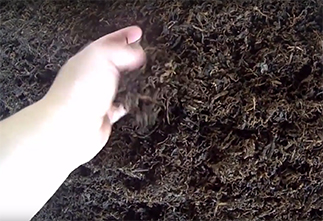
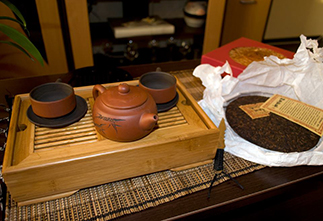
The question often arises: how to brew puerh correctly? Sometimes the phrase "to get high" is added to it. Moreover, everyone has their own understanding of this phrase. Some mean vigor, and some - intoxication. So how to brew puerh tea correctly? Let's consider several options.
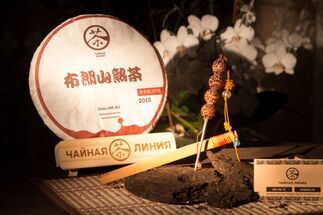
The tea ceremony occupies a special place in the centuries-old Eastern tradition. And although the essence of this phenomenon remains constant, the nature and external manifestations of the tea ceremony in different nations have their own national characteristics. In each Chinese province, the tea ceremony and the tea used in it are varied: for example, residents of the southern provinces prefer green tea, and residents of the northern provinces - red tea, in Fujian province they more often use Oolong tea, and in Yunnan province Puer tea is widely known.
В нашем ассортименте пуэров широко представлена линейка завода "Кайшуньхао". Мы познакомились с владельцем во время одного из путешествий в Китай. Это было время, когда мы открывали новые горизонты для сотрудничества основываясь на качестве и адекватной цене! Так кто же такие эти увлеченные своим делом люди?)
Need a consultation?
Our specialists will answer any question of interest


