





-
0 Saturation
-
0 Aftertaste
-
0 Aroma
-
0 Effect
-
0 Balance
-
0 Body
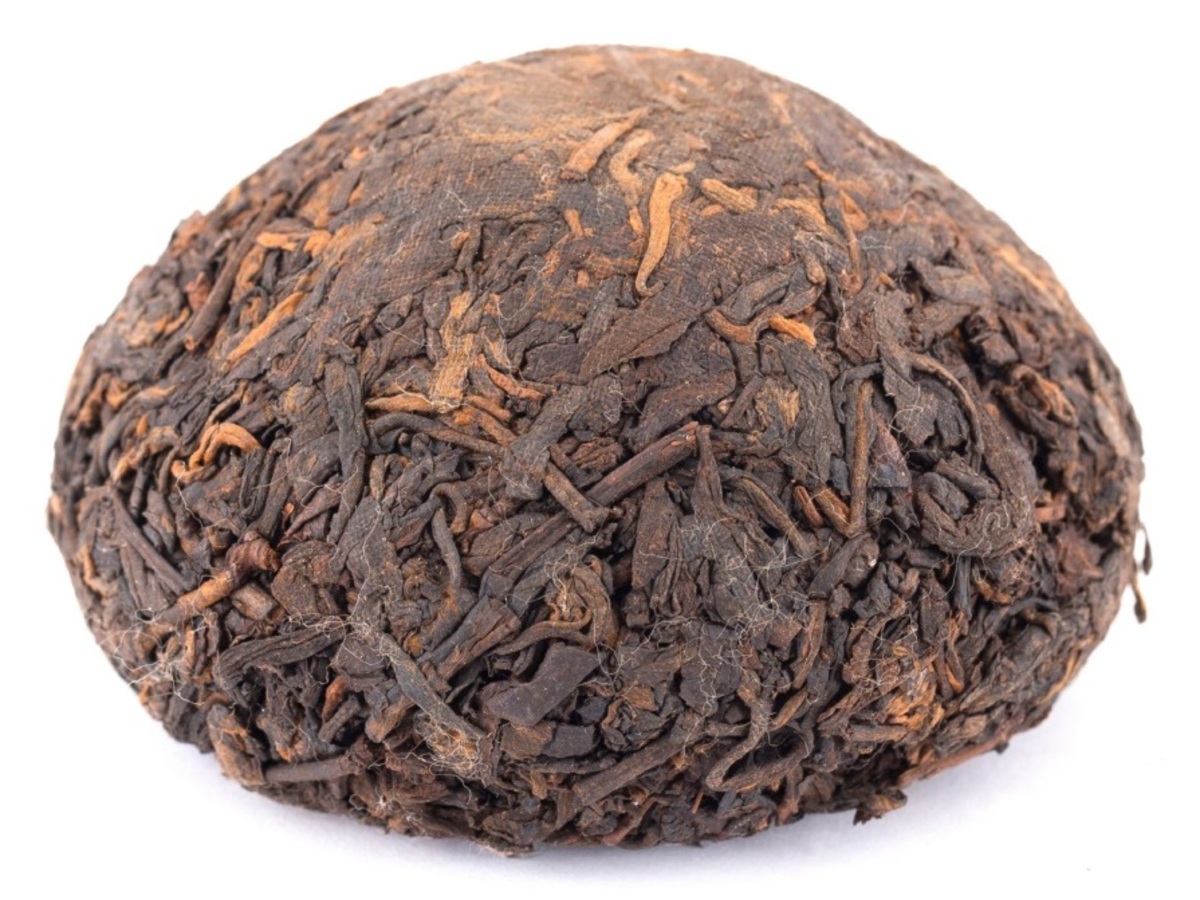
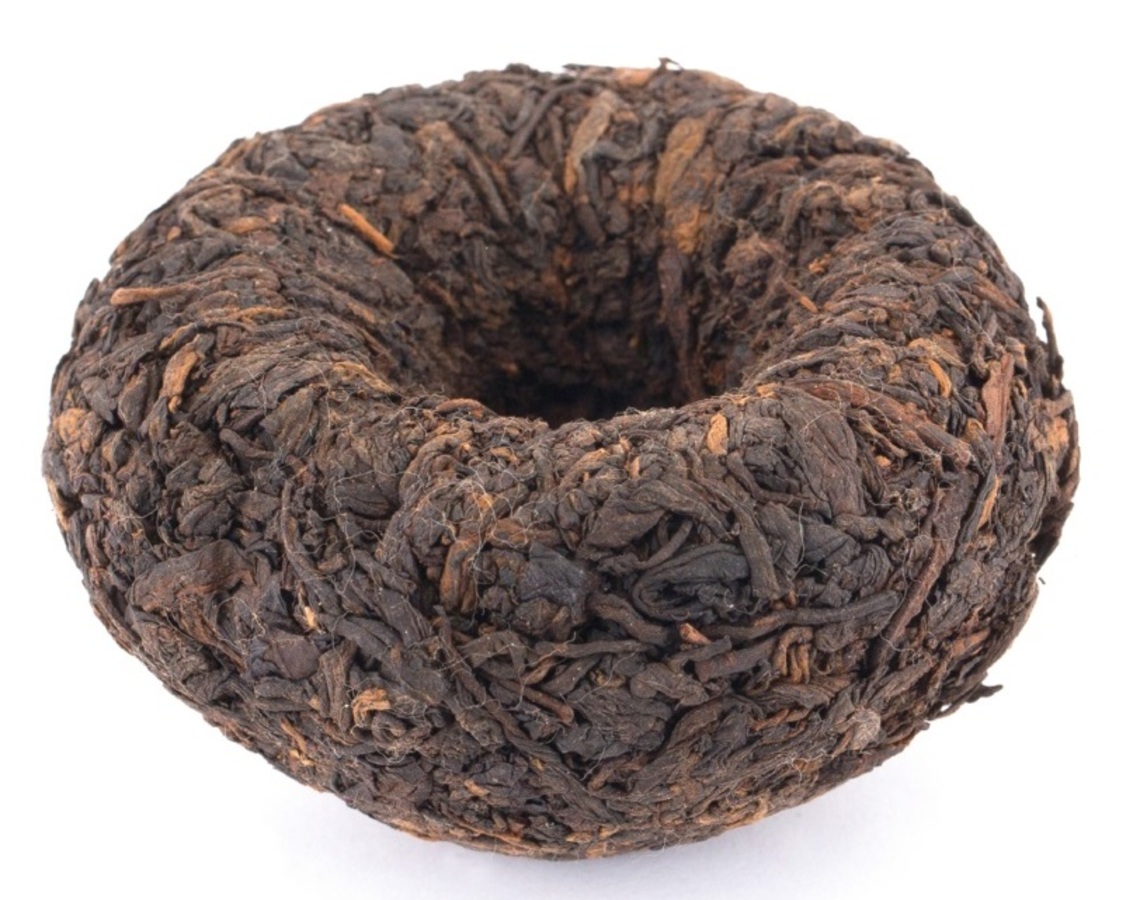
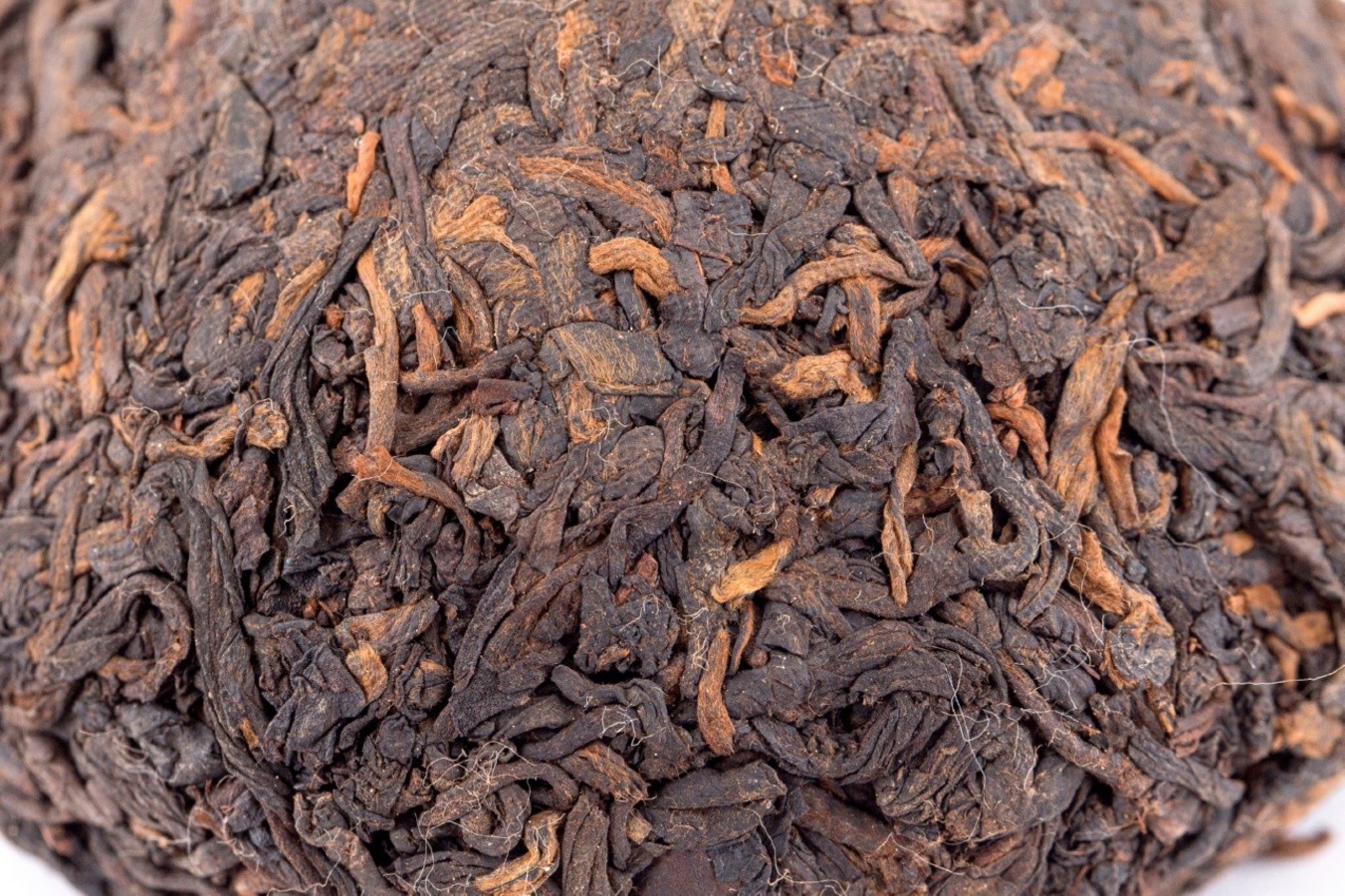
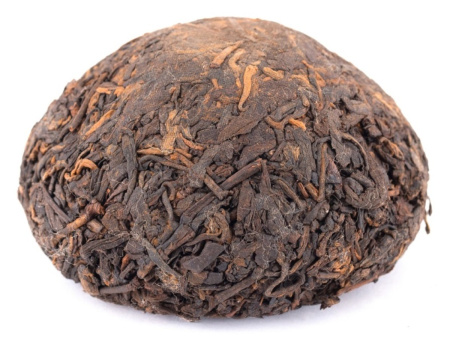
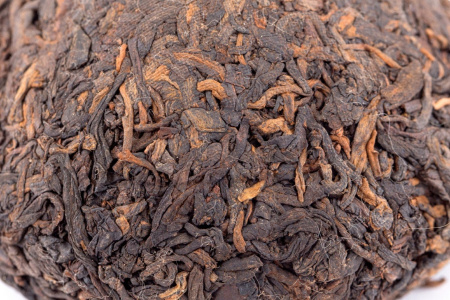
When warmed by the breath, a dry, very subtle aroma emerges, with light leather notes and hints of old, aged herbs stored in the attic for a long time. After rinsing, these nuances intensify, reminiscent of that unique scent you get when holding an old leather briefcase with school notebooks inside.
The brewed tea's flavor is subtle, with a soft bitterness, balanced, and playful. The taste reveals pleasant notes of aged leather, roasted almonds, and hints of aged whiskey. Starting with the third steeping, the infusion acquires sweet nuances with a bright, nutty flavor.
This pu-erh tea can be steeped six times, changing its aroma from steeping to steeping, preserving its aroma for a long time in an empty cup. To fully appreciate the pu-erh's flavor, use a Yixing clay teapot. To prepare the infusion, use 5-7 grams per 150-200 ml of water.
The finished infusion is a chocolate-brown color, with a pleasant cognac hue, pure and clear. As you drink the tea, you'll experience a rich, moderately tart aftertaste with intoxicating woody-almond notes.
The effects of Cha Qi (tea energy) are noticeable after just one cup. Tea induces a meditative state, warms the body well, invigorates, stimulates mental activity, and encourages action. It makes the eyes sharp, movements precise, uplifts the mood, and creates a feeling of well-being.
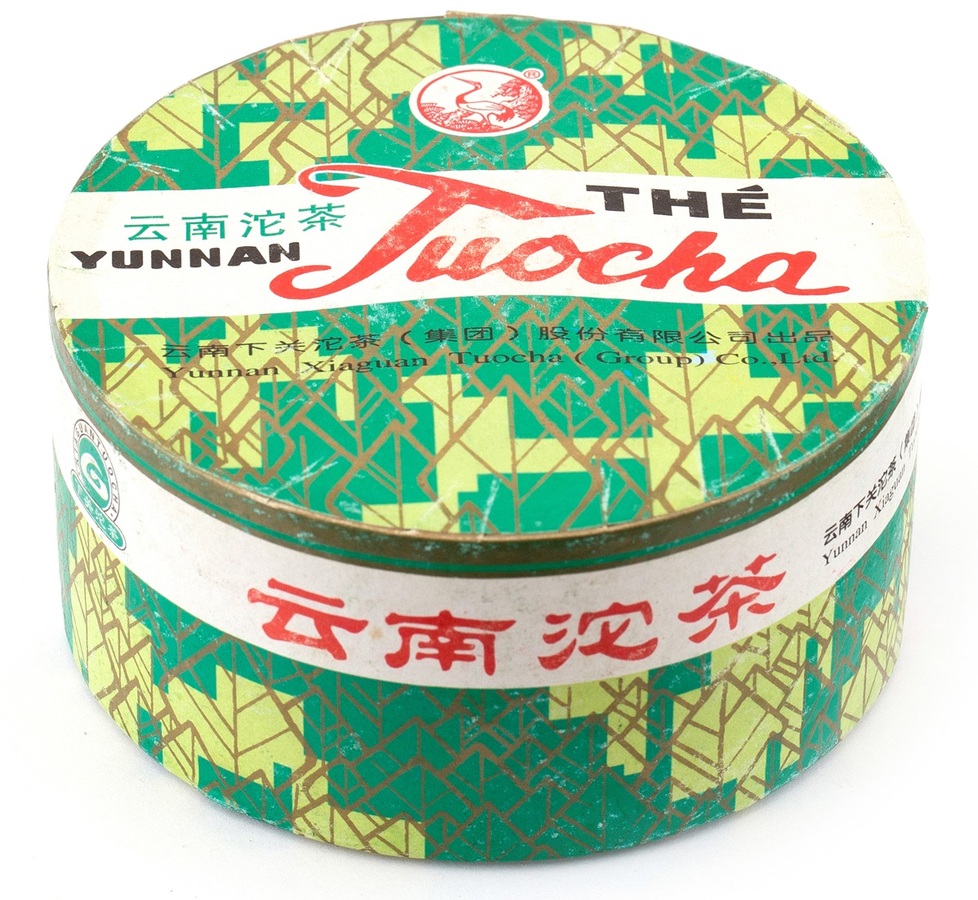
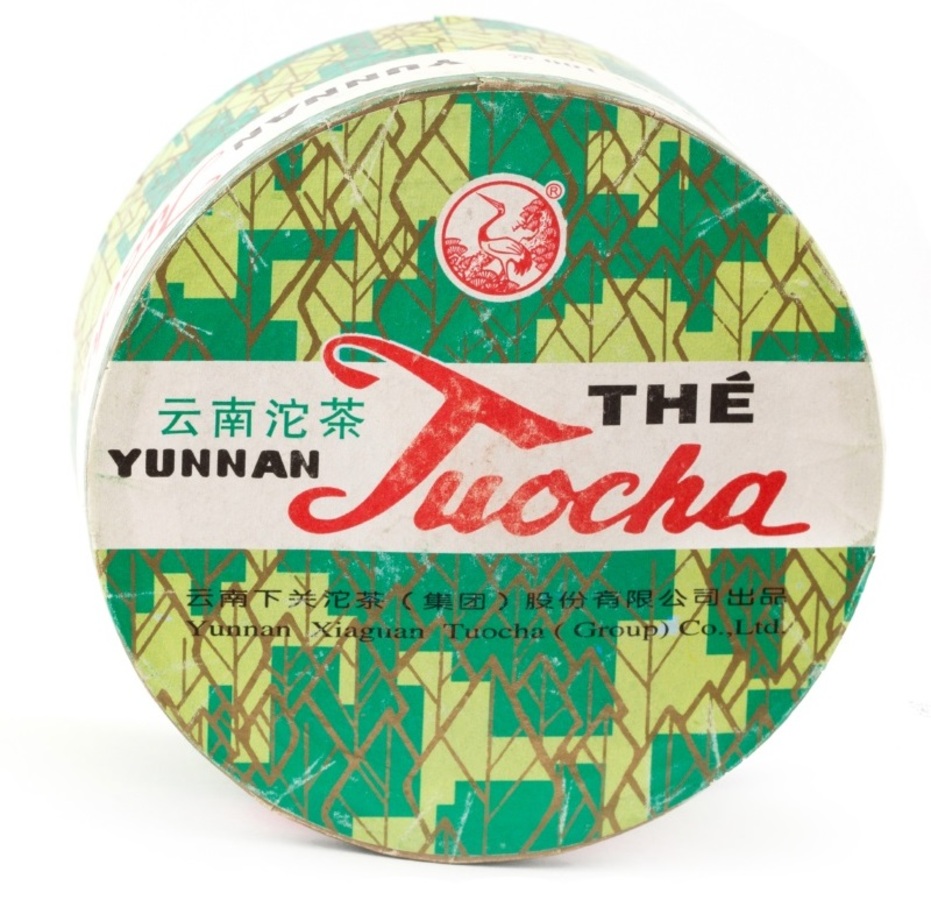
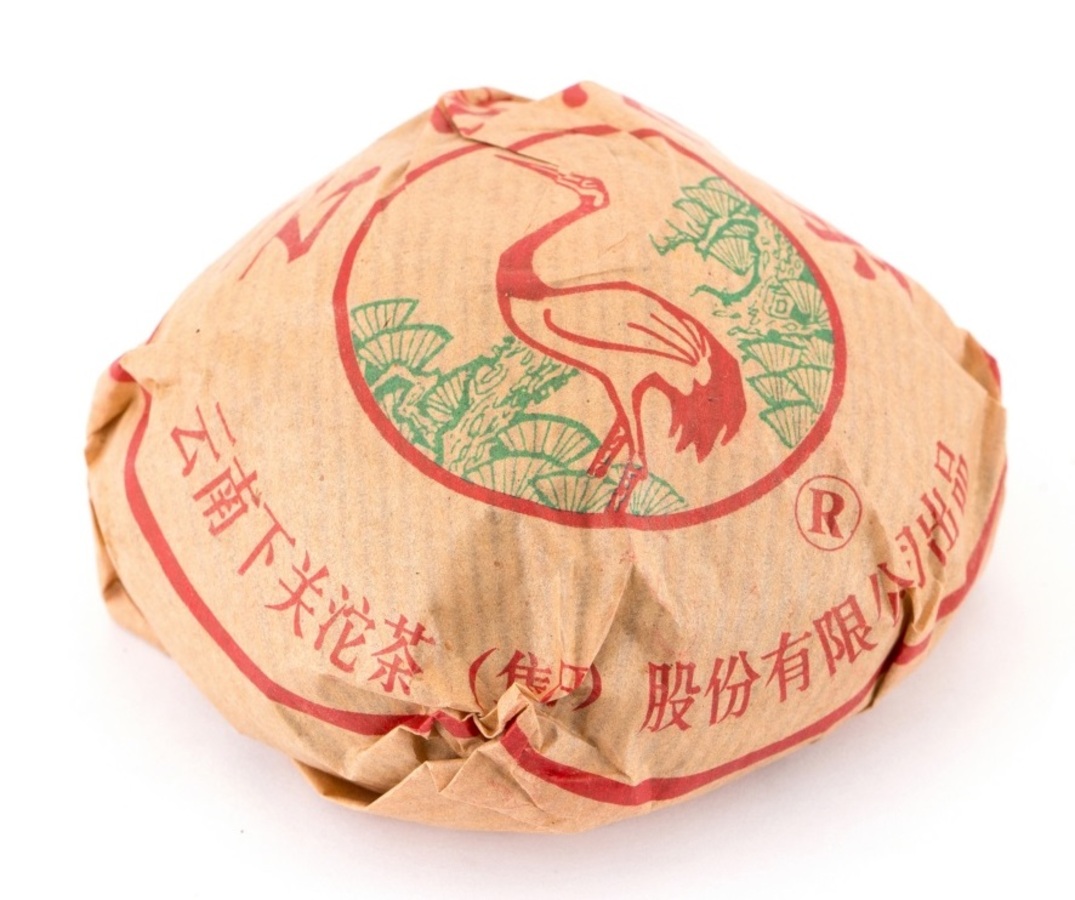
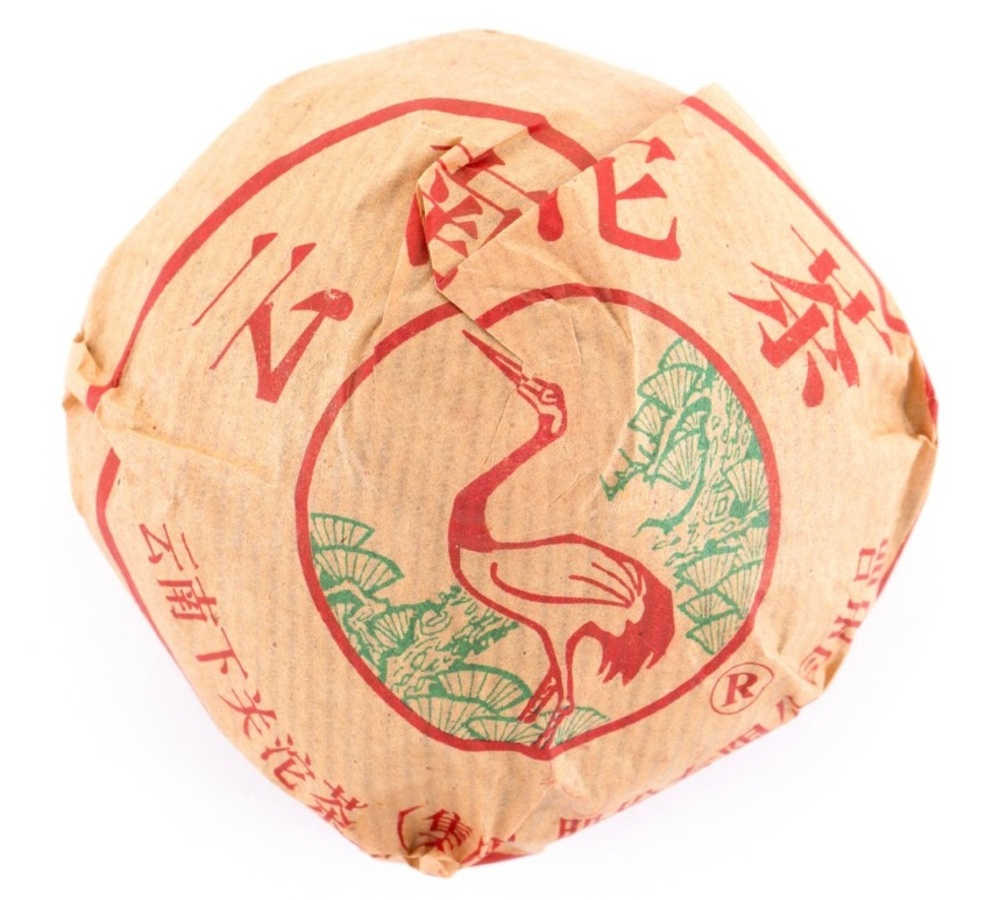
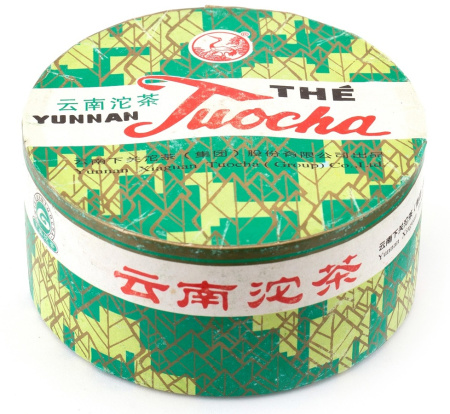
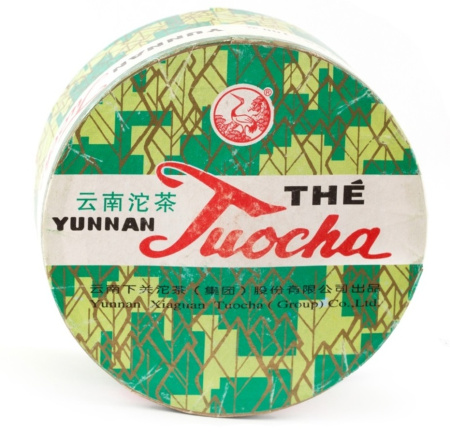
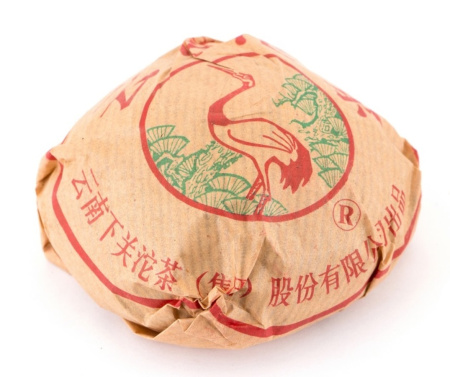
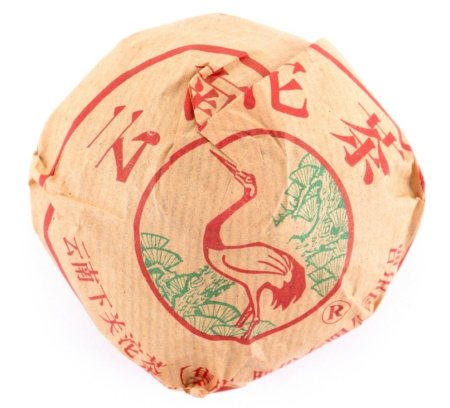
The 2007 Shu Pu'er "Lux" from the "Pine and Crane" brand from the Xiaguan tea factory is an aged tea with a unique flavor and a powerful tea effect. It is perfect for a thoughtful, ceremonial tea drinking session alone, or makes a wonderful gift for lovers of aged pu'er.
|
Name in Chinese
|
特级 |
|
Pinyin
|
tèjí |
|
Translation
|
Lux |
|
Country
|
Китай |
|
District
|
Dali-Bai Autonomous Okrug |
|
Provinces
|
Юньнань (云南) |
|
Region
|
Дали́-Ба́йский автоно́мный о́круг (大理白族自治州) |
|
Manufacturer
|
Сягуань (云南下关沱茶集团) |
|
Date of raw material production
|
2007 |
|
Year of pressing
|
2007 |
|
Pressing form
|
То ча (гнездо) |
|
Declared weight, g
|
100 |
|
A variety of tea tree (bush)
|
Gu Shu |
|
Size
|
10x10x5 |
|
Length, cm
|
10 |
|
Width, cm
|
10 |
- Reviews
- Vkontakte
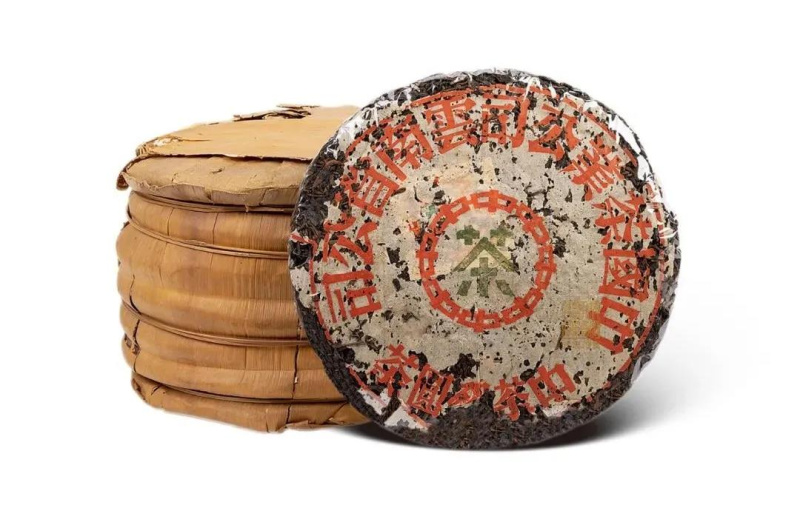
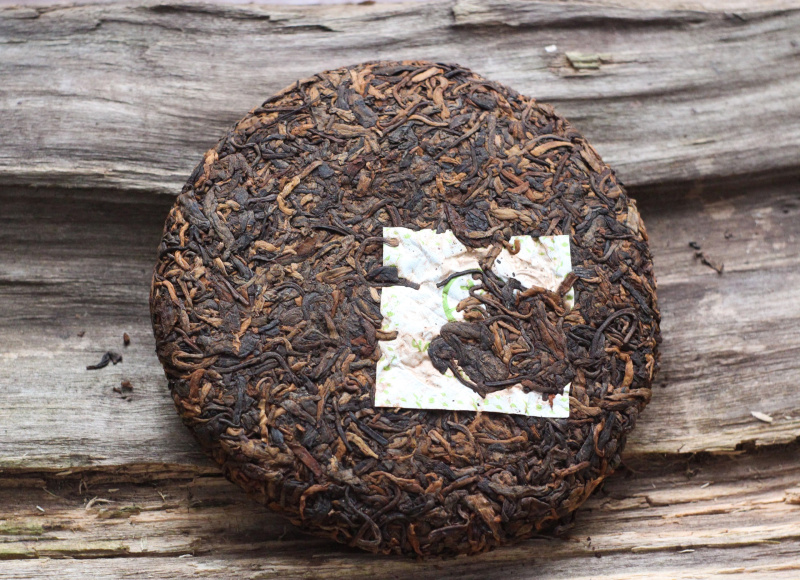
Pu-erh is one of the most unique types of tea, which only gets better with age. Many people, when they first encounter this tea, wondered: why is pu-erh more often found in pressed form (cakes, bricks, tochas), and not in loose form? The reasons for this are related to both history and the practical aspects of storing and fermenting tea. Despite modern technologies that allow the production of loose pu-erh, the shape of pressed cakes remains unchanged. And pu-erh is more often found on sale in pressed form, for example, in the form of cakes or bricks, and loose pu-erh is less common. We will talk about the reasons for pressing pu-erh into cakes in this article.
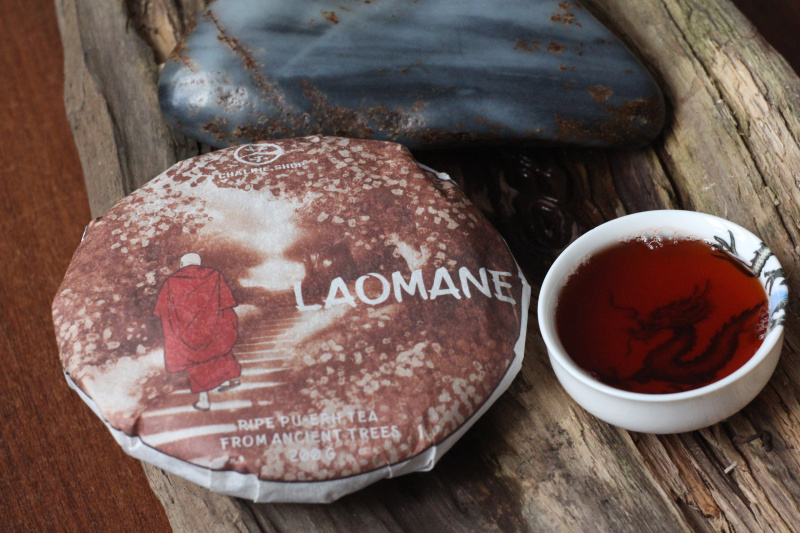
Puer is a unique Chinese tea that is distinguished by its depth of taste, complexity of aromas and versatility of aftertaste. Its taste characteristics are formed under the influence of many factors, from growing conditions to the brewing method. Let's look at the main ones.
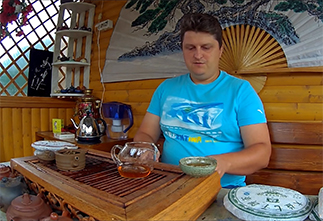

Xiaguan Tea Factory has a history of over 70 years. It was founded in 1941 and is located in Dali, Yunnan Province, which is often called the Eastern Switzerland. Beautiful nature and favorable weather, mountains and crystal clear lakes make it possible to produce excellent quality puer. Xiaguan Tea Factory is one of the main producers of pressed tea in China. It produces over 6,000 tons of puer tea annually. Xiaguan Factory produces both Shu puer and Sheng puer. However, the most popular and recognized are Sheng puer tocha (in the form of a nest, bowl) and bingcha (in the form of a pancake).
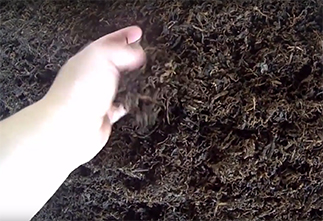
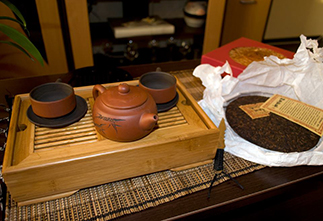

Traveling through the tea mountains, we found ourselves in another land of blue roofs - the village of Zhongcai, which is located in the Menghai district of Yunnan province. According to tradition, we were shown another local tea tree, which, according to the Chinese, is at least a million years old :) The village is very authentic, not designed for tourists, there are many wild pu-erhs there and, of course, we were warmly received. They treated us to local cuisine and tea. We also asked the residents about the prices of tea and how they have changed in recent years.
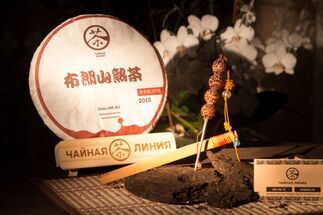
The tea ceremony holds a special place in the centuries-old Eastern tradition. While its essence remains constant, the nature and external manifestations of the tea ceremony vary among different cultures. Each Chinese province has its own distinct tea ceremony and tea used: for example, residents of the southern provinces prefer green tea, while those in the northern provinces prefer red tea. Oolong tea is more commonly used in Fujian Province, while Pu'er tea is widely known in Yunnan Province.
Need a consultation?
Our specialists will answer any question of interest


