







-
0 Saturation
-
0 Aftertaste
-
0 Aroma
-
0 Effect
-
0 Balance
-
0 Body
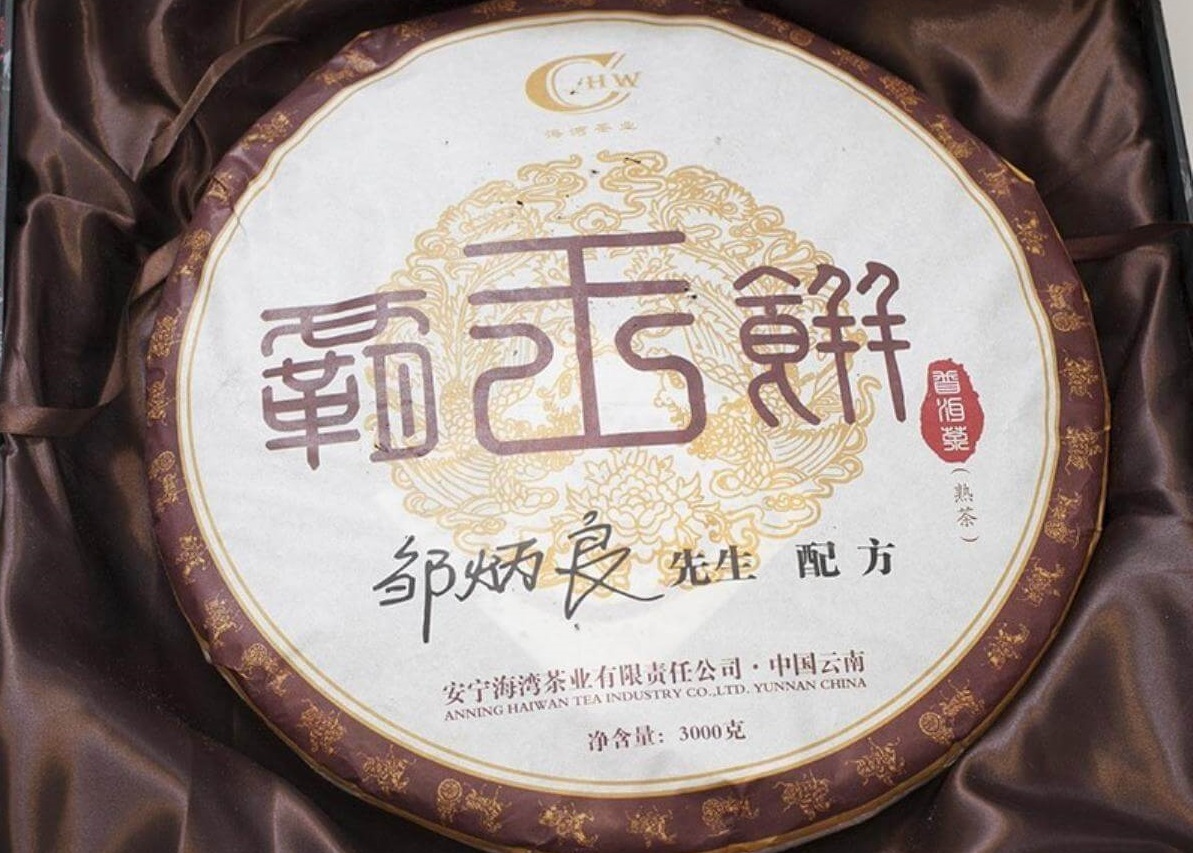
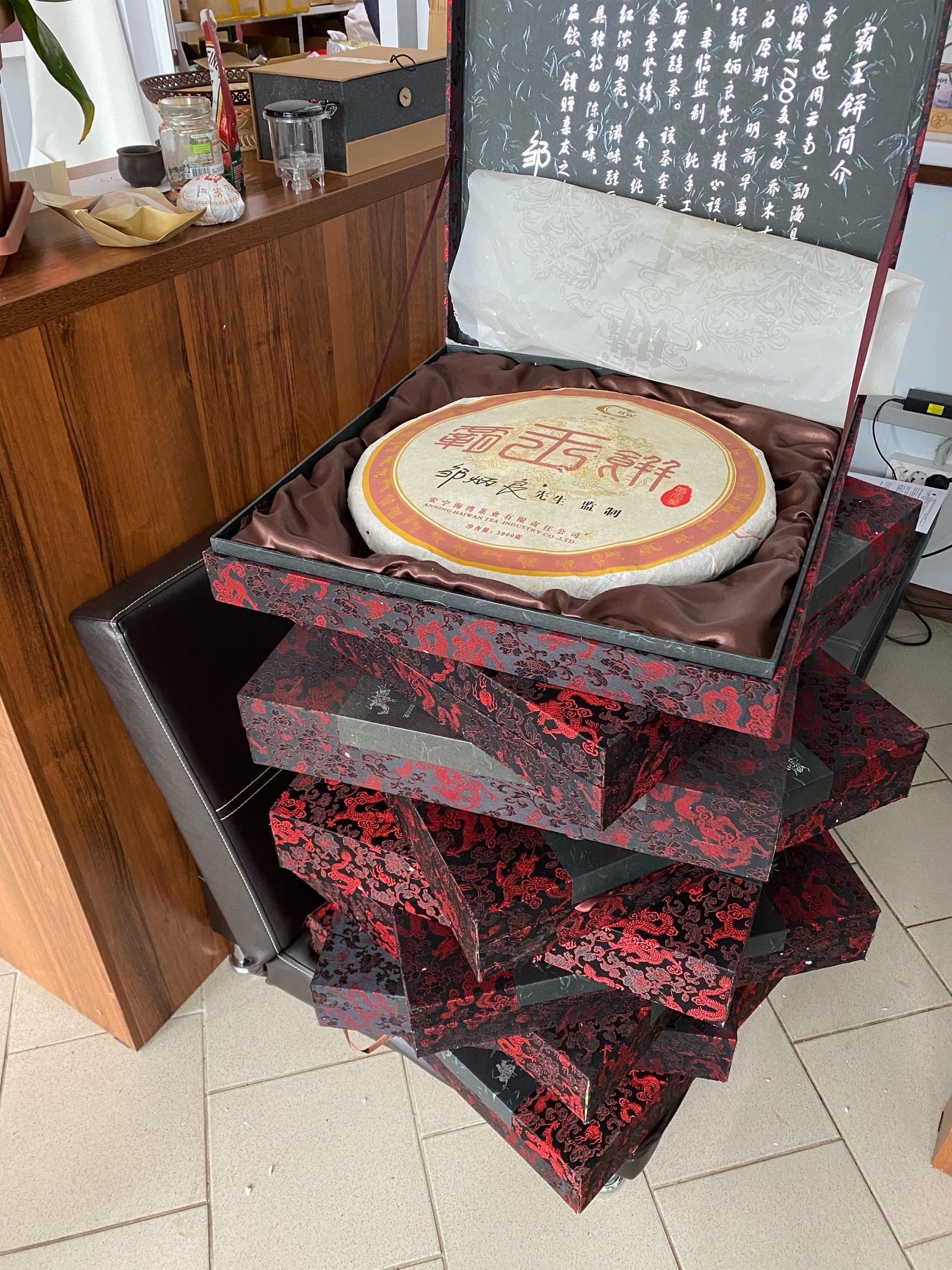
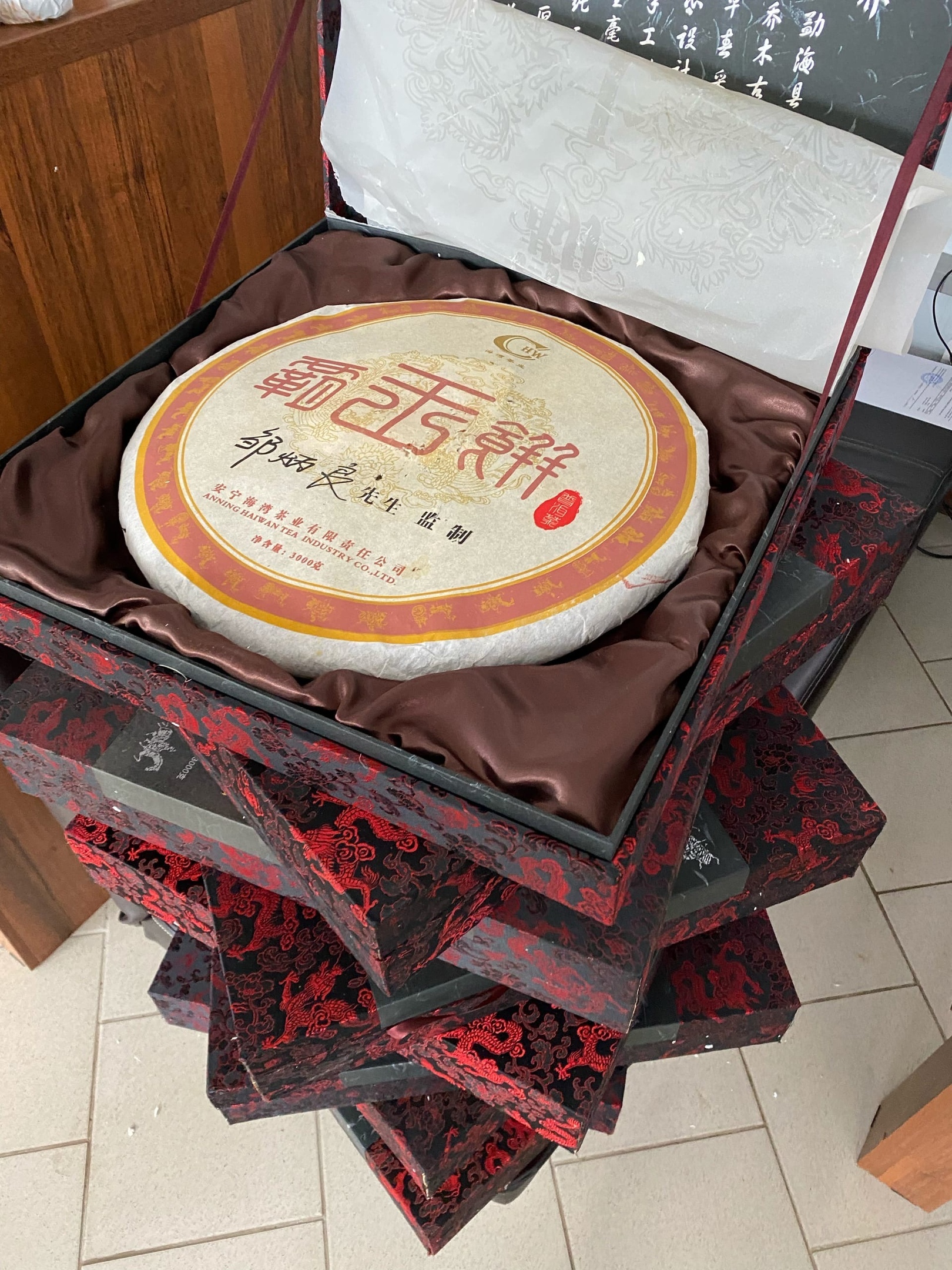
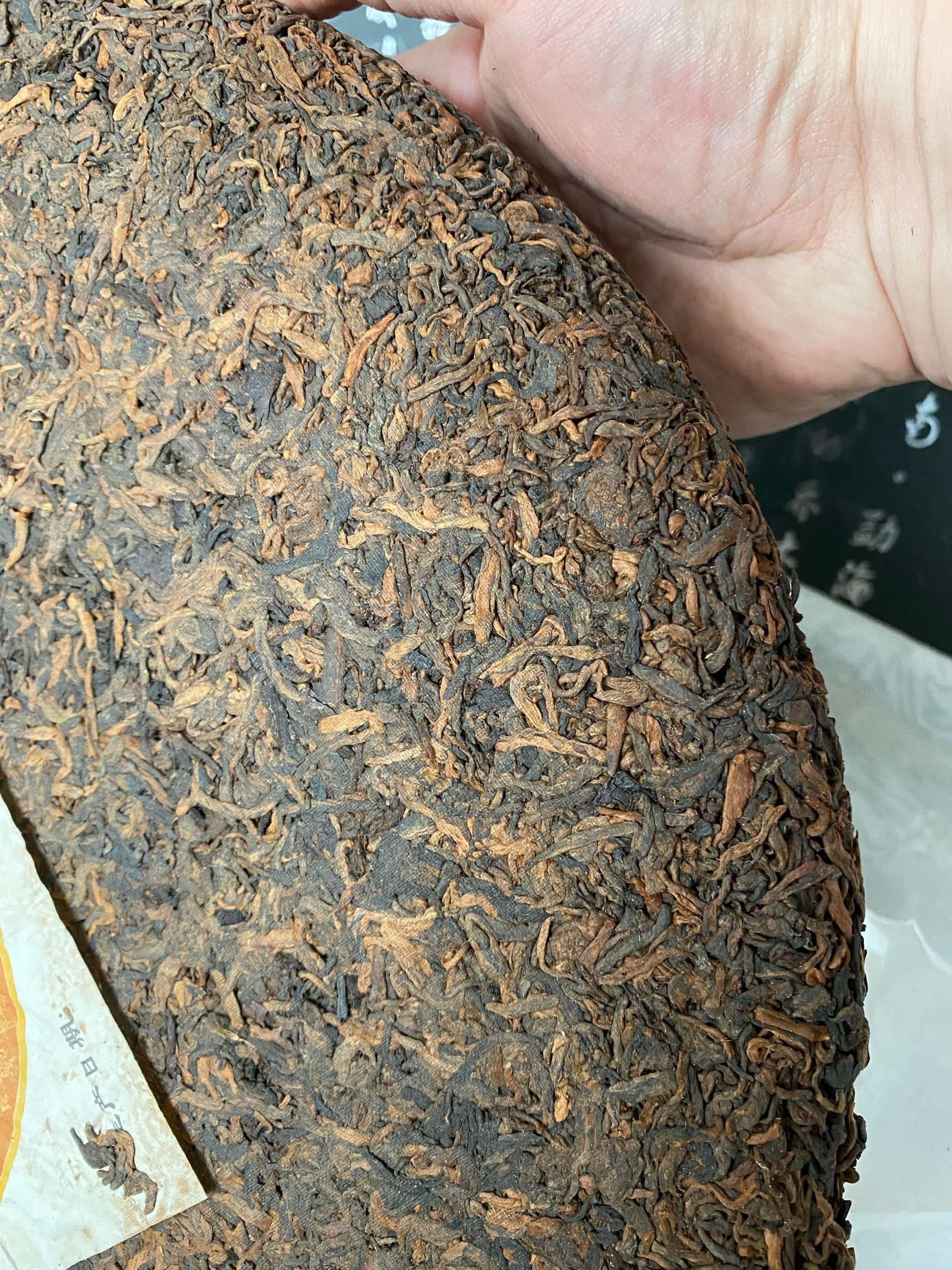
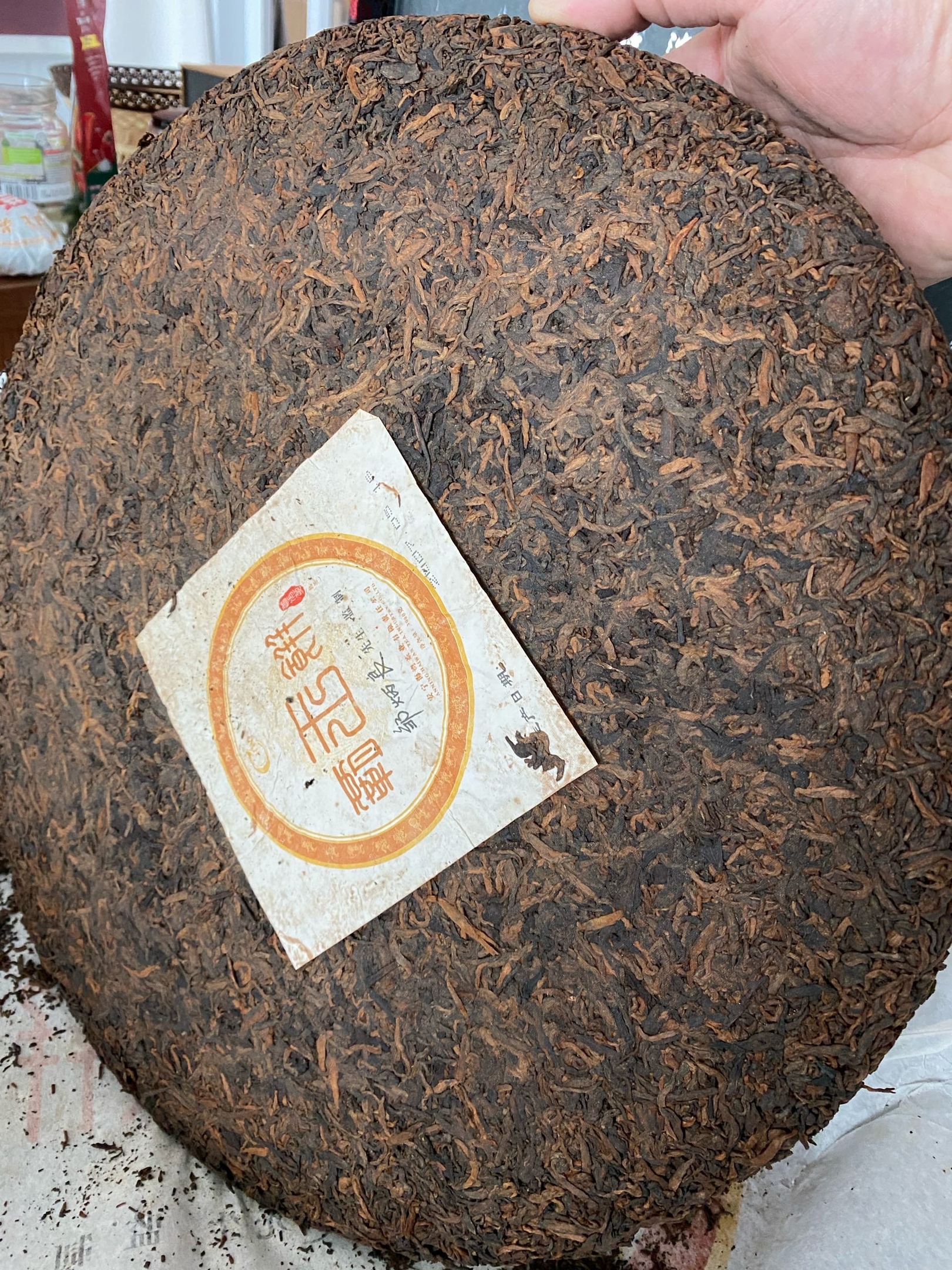
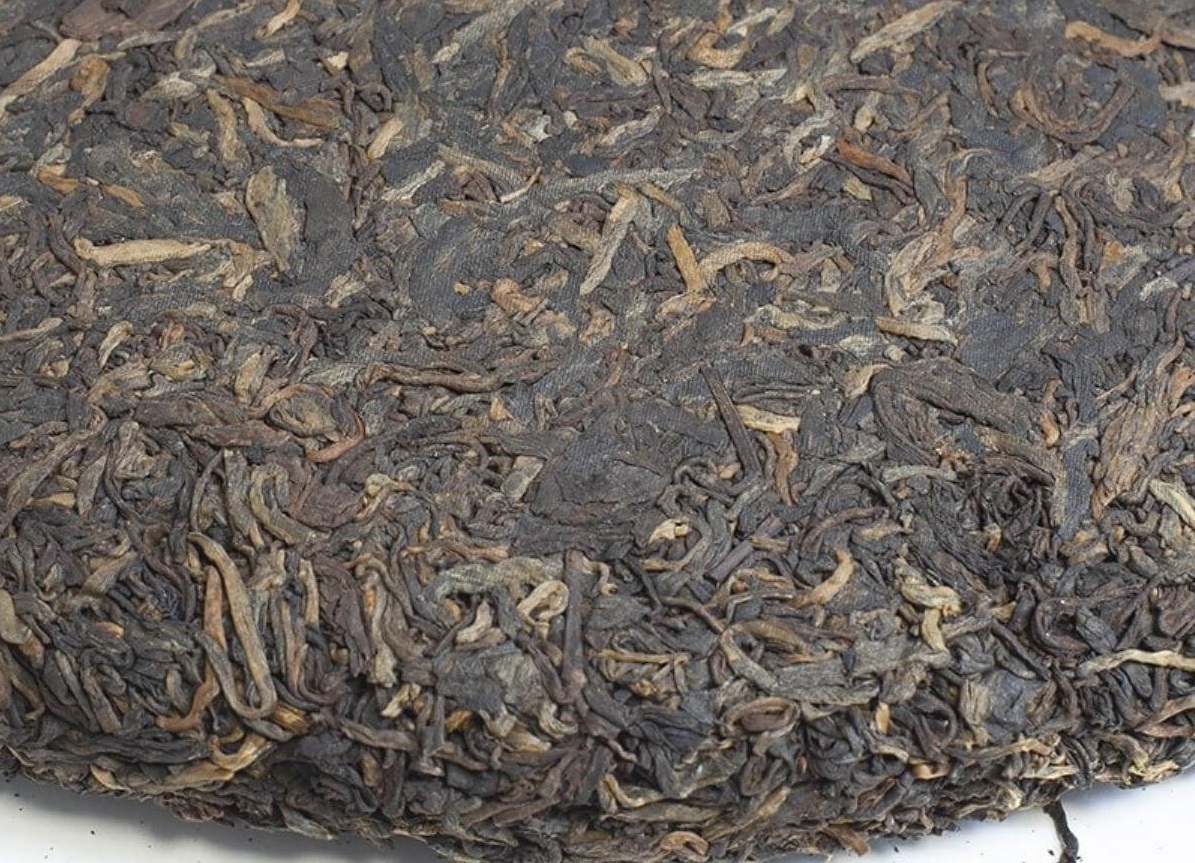
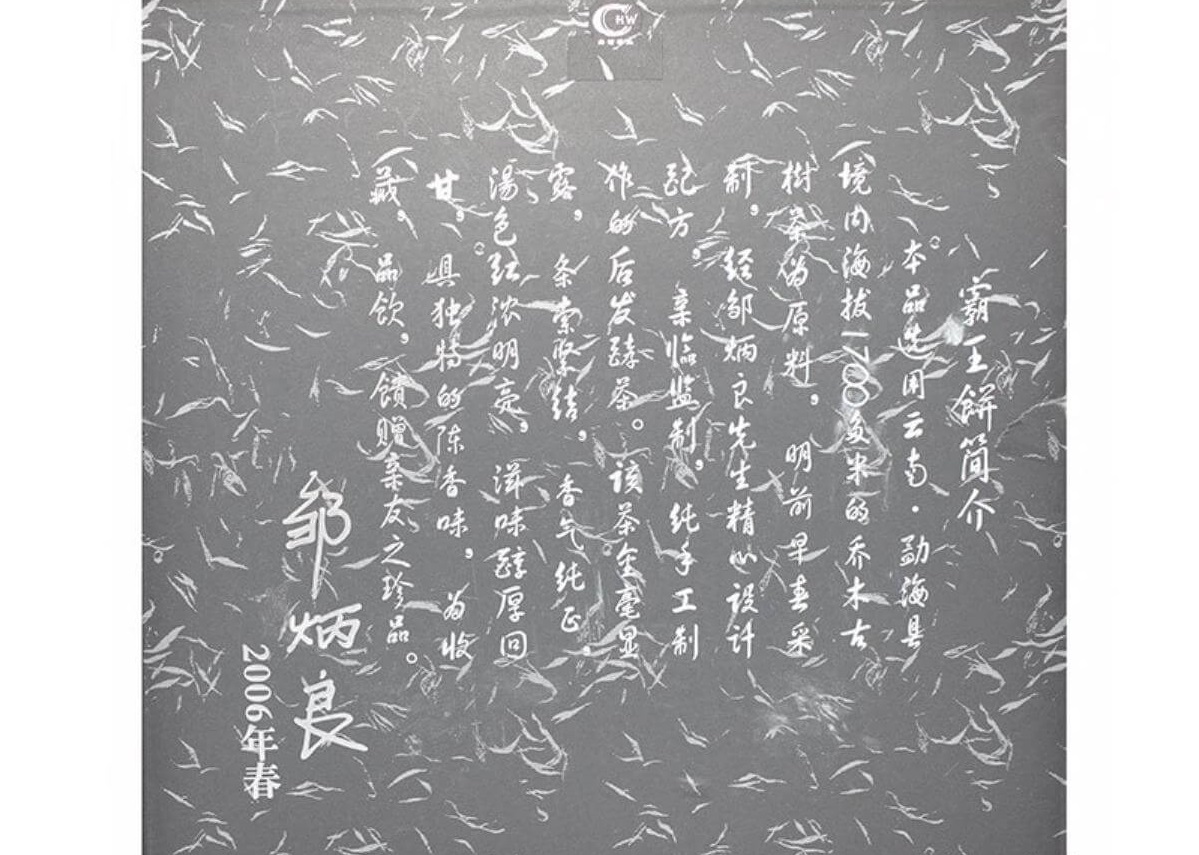
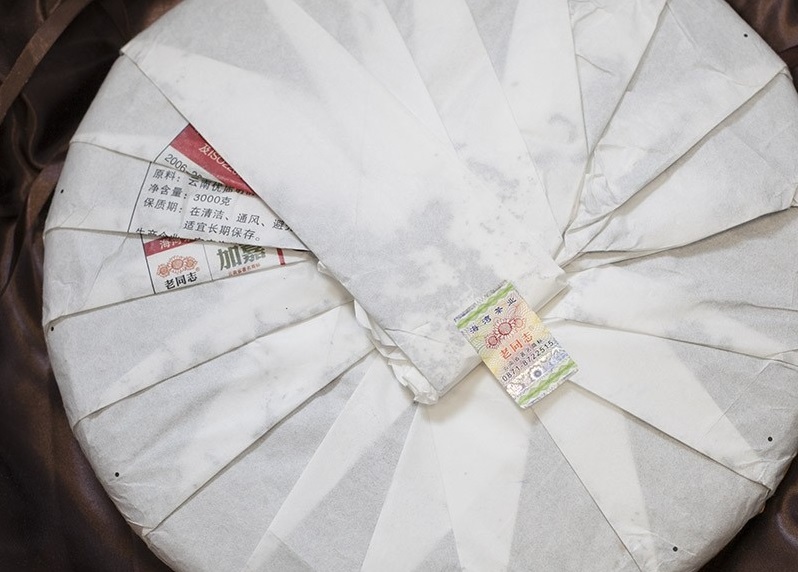
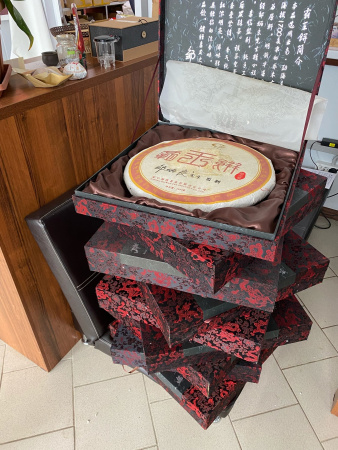
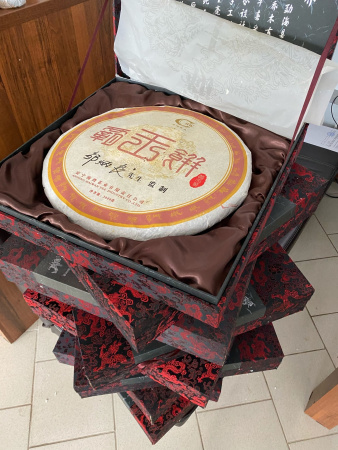
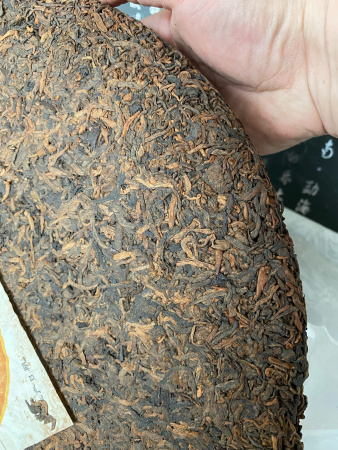
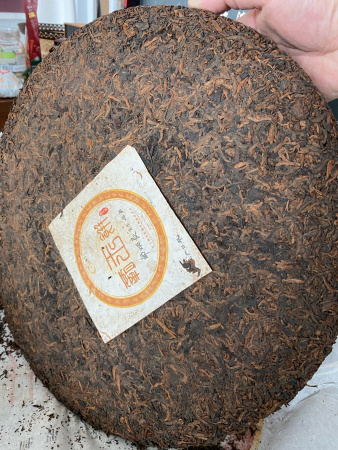
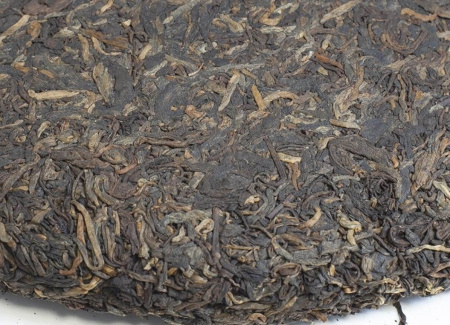
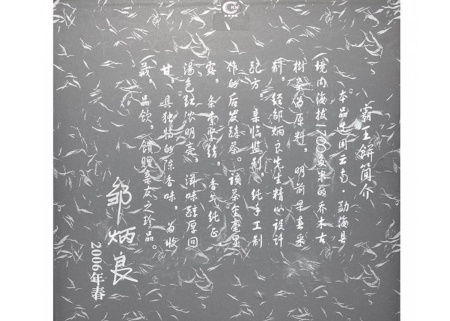
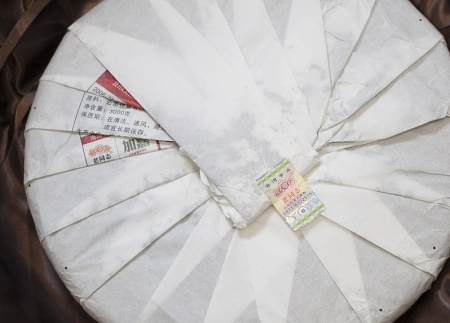
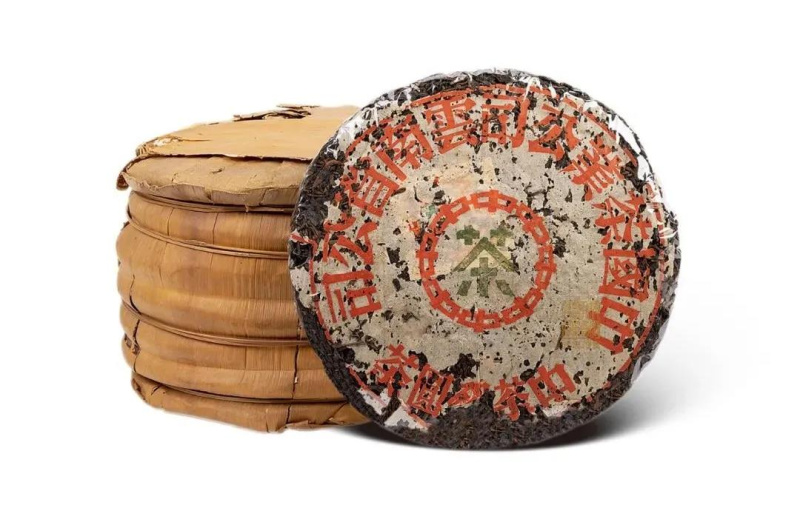
Shu pu-erh 2007 "Bawan" from the "Haiwan" factory, 3 kg cake
Name: Bavan tea* in a gift box
Whale. 霸王饼熟茶礼盒装, pinyin bàwáng bǐng shú chá lǐ hé zhuāng
* Leader of the Princes, a title of a powerful ruler in ancient China
Date of manufacture: 2007.
Declared weight: 3 kilograms.
Manufacturer: Yunnan Haiwan* tea company (Chinese: 云南海湾茶业有限公司, pinyin yúnnán hǎiwān chá yè yǒuxiàngōngsī).
* Haiwan is translated as bay/bay.
A 2007 Bawan Pu'er from the renowned Haiwan Tea Factory. This company is notable for its director and chief technologist, Mr. Zou Bingliang. Born in 1939, he worked at the Menghai tea factory from the age of 20 until his retirement and was the primary creator of the Shu Pu'er production technology. Bawan Shu Pu'er was blended by Mr. Bingliang himself. The tea produces a rich, sweet infusion with a hint of tartness. It is not earthy or astringent. It has a lingering aftertaste.
First published on December 21, 2014.
Copyright © Chaline.Ru
|
Name in Chinese
|
霸王饼熟茶礼盒装 |
|
Pinyin
|
bàwáng bǐng shú chá lǐ hé zhuāng |
|
English name
|
Bavan |
|
Translation
|
Bavan tea in a gift box |
|
Country
|
Китай |
|
District
|
Xishuangbanna Dai Autonomous Prefecture |
|
Provinces
|
Юньнань (云南) |
|
Region
|
Мэнхай (勐海) |
|
Habitat
|
Мэнхай (勐海, měnghǎi) - купажированное сырье |
|
Manufacturer
|
Хайвань (海湾) |
|
Date of raw material production
|
2007 |
|
Year of pressing
|
2007 |
|
Pressing form
|
Бин Ча (блин) |
|
Declared weight, g
|
3000 |
|
A variety of tea tree (bush)
|
Da Ye Cha |
|
Size
|
50x50x10 |
|
Length, cm
|
50 |
|
Width, cm
|
50 |
- Reviews
- Vkontakte
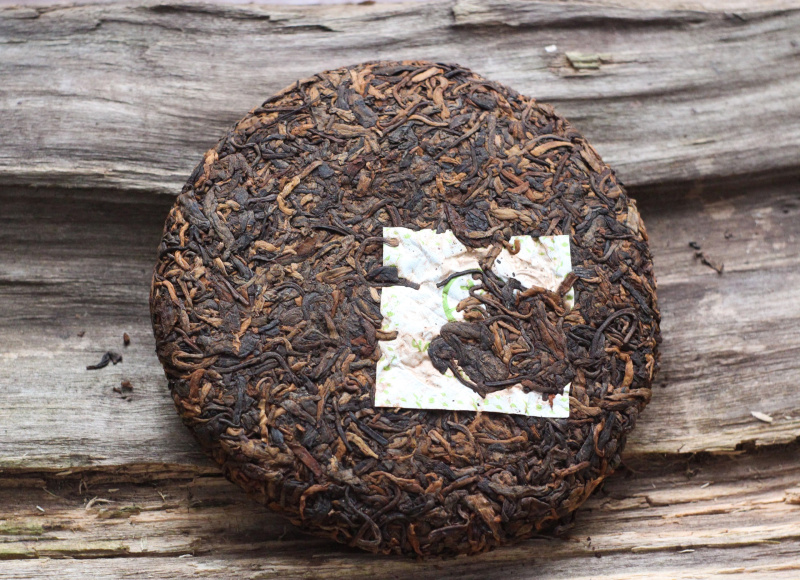
Pu-erh is one of the most unique types of tea, which only gets better with age. Many people, when they first encounter this tea, wondered: why is pu-erh more often found in pressed form (cakes, bricks, tochas), and not in loose form? The reasons for this are related to both history and the practical aspects of storing and fermenting tea. Despite modern technologies that allow the production of loose pu-erh, the shape of pressed cakes remains unchanged. And pu-erh is more often found on sale in pressed form, for example, in the form of cakes or bricks, and loose pu-erh is less common. We will talk about the reasons for pressing pu-erh into cakes in this article.
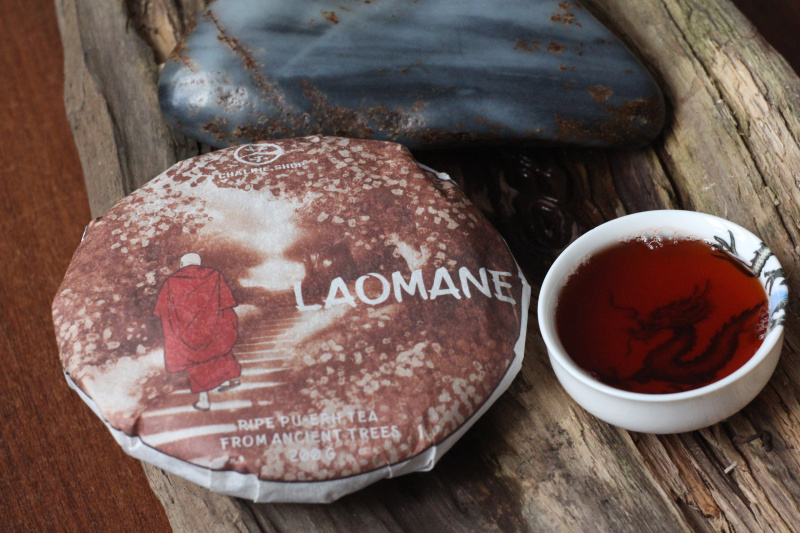
Puer is a unique Chinese tea that is distinguished by its depth of taste, complexity of aromas and versatility of aftertaste. Its taste characteristics are formed under the influence of many factors, from growing conditions to the brewing method. Let's look at the main ones.
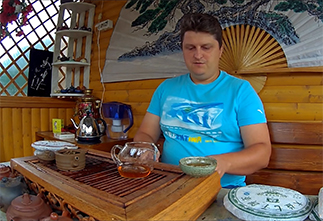
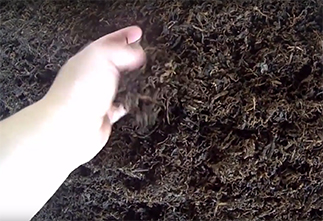
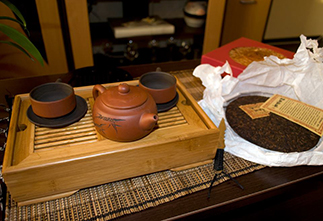
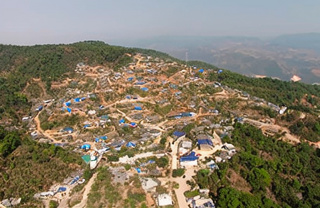
Traveling through the tea mountains, we found ourselves in another land of blue roofs - the village of Zhongcai, which is located in the Menghai district of Yunnan province. According to tradition, we were shown another local tea tree, which, according to the Chinese, is at least a million years old :) The village is very authentic, not designed for tourists, there are many wild pu-erhs there and, of course, we were warmly received. They treated us to local cuisine and tea. We also asked the residents about the prices of tea and how they have changed in recent years.
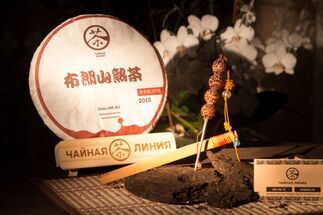
The tea ceremony holds a special place in the centuries-old Eastern tradition. While its essence remains constant, the nature and external manifestations of the tea ceremony vary among different cultures. Each Chinese province has its own distinct tea ceremony and tea used: for example, residents of the southern provinces prefer green tea, while those in the northern provinces prefer red tea. Oolong tea is more commonly used in Fujian Province, while Pu'er tea is widely known in Yunnan Province.
Need a consultation?
Our specialists will answer any question of interest


