





-
10 Saturation
-
8 Aftertaste
-
10 Aroma
-
9 Effect
-
8 Balance
-
9 Body
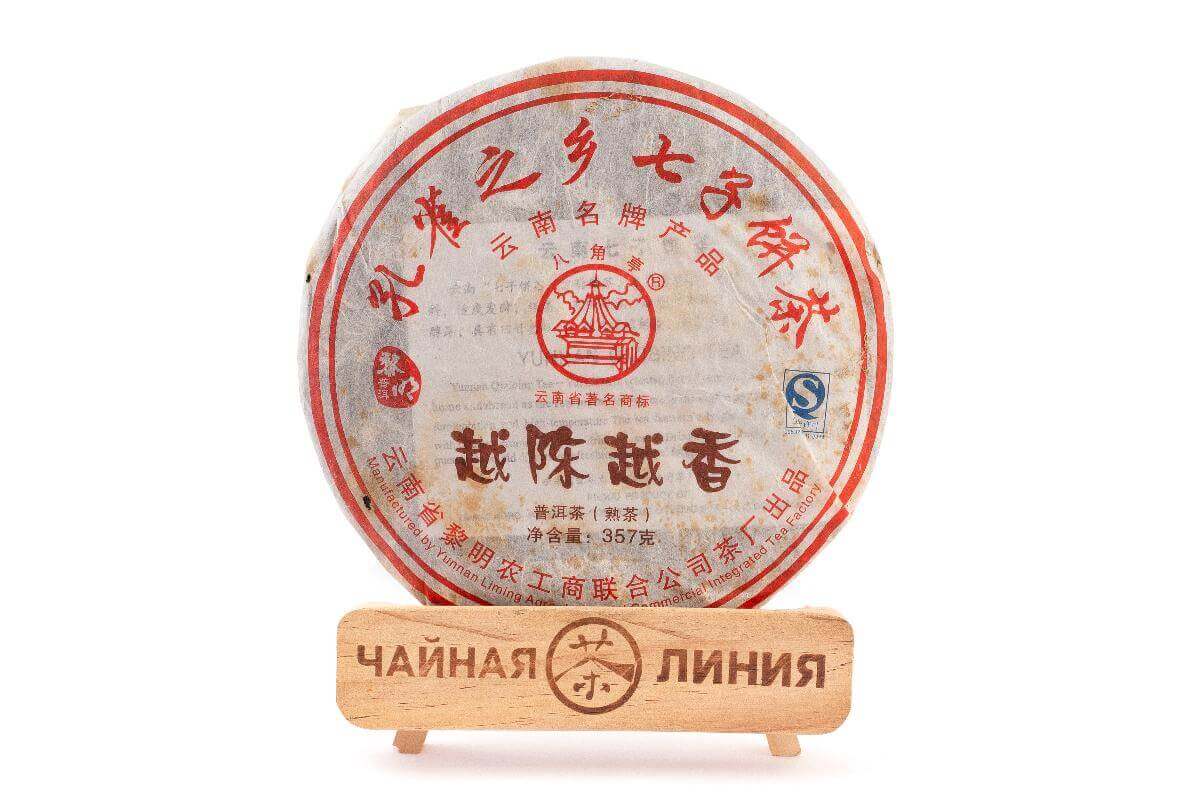
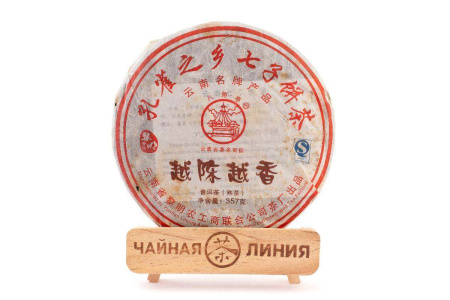
Пуэр «Юэ чэнь юэ сян» назван расхожим выражением, которое переводится как «Чем более старый, тем ароматней» (кит. 越陳越香, пиньинь yuè chén yuè xiāng). Допустимый упрощённый перевод — «Выдержанный аромат».
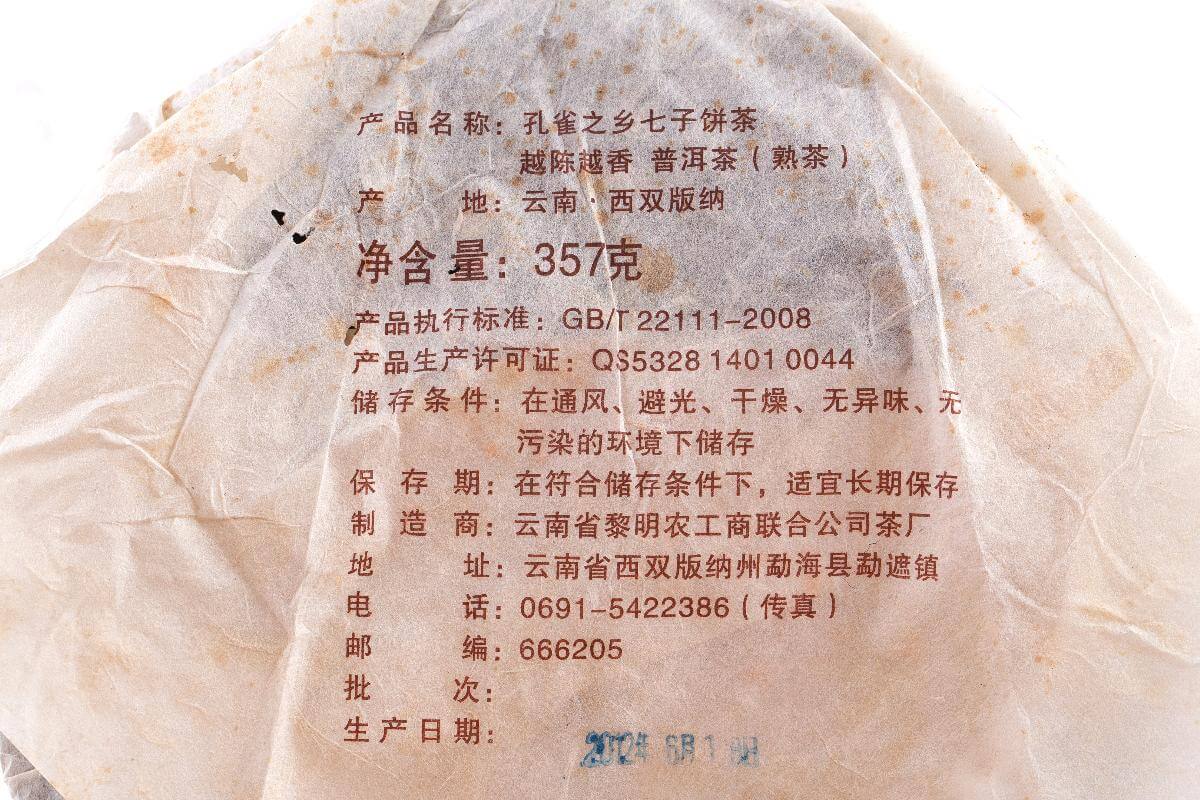
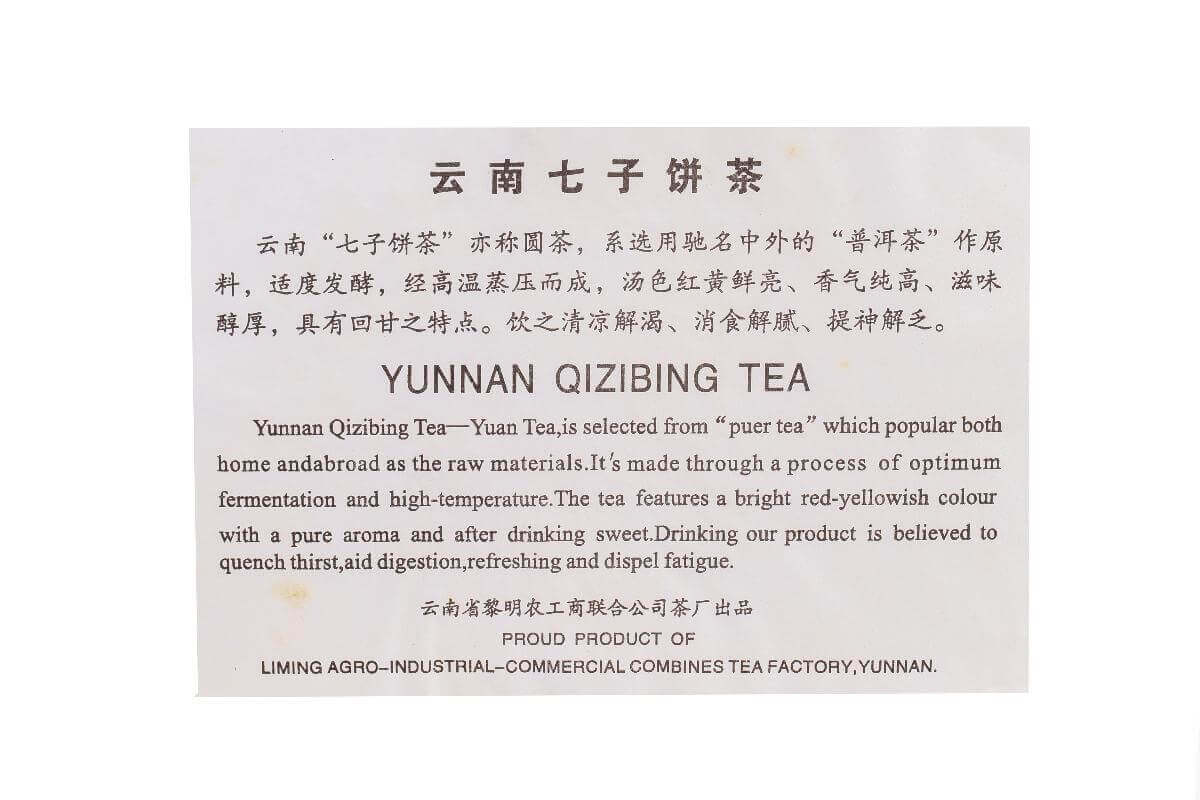
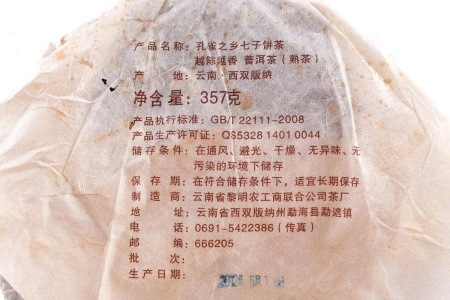
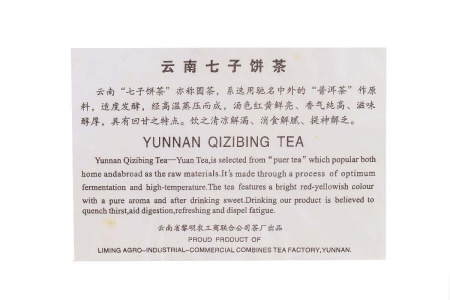
Торговая марка «Пагода» или «Восьмиугольный павильон» (кит.八角亭, Bājiǎotíng) удостоена звания известного юньнаньского торгового знака, а сам завод награждён званием передового чайного предприятия Юньнани — «Юньнань шэн Лимин нунгуншан ляньхэ гунсы ча чан» (кит. 云南省黎明农工商联合公司茶厂, пиньинь yúnnán shěng límíng nónggōngshāng liánhé gōngsī chá chǎng, рус. «Чайная фабрика аграрно-промышленного союза Лимин, провинция Юньнань»).
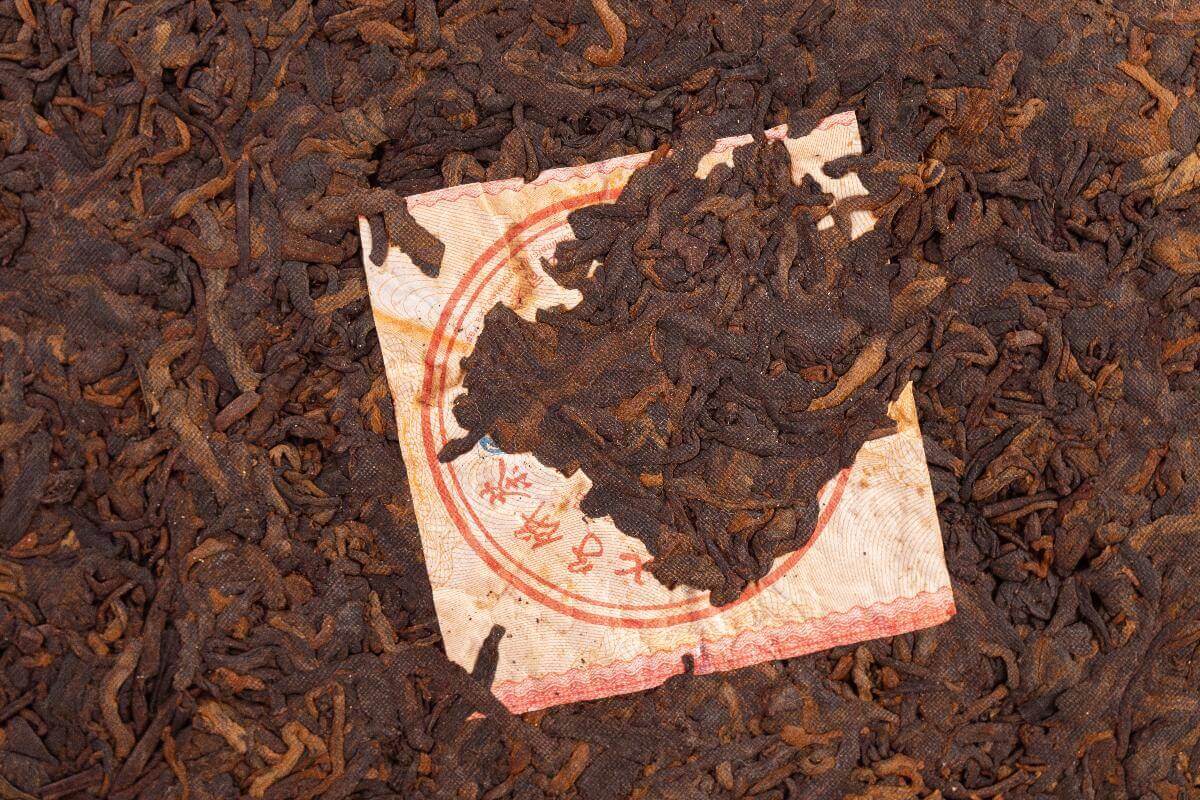
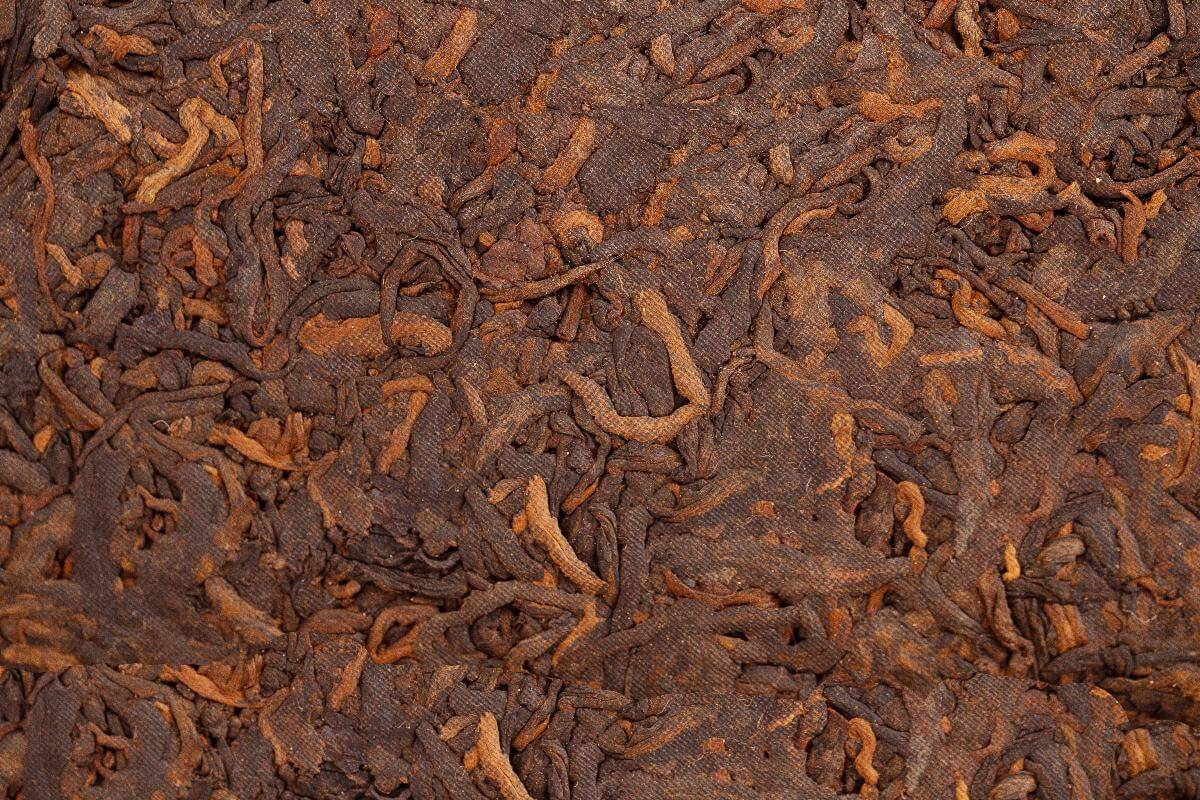
Сухой сладкий древесный аромат в прогретом чайнике. Влажный аромат: влажные угли, печенье, кексы. Древесно орехово грибной вкус со сладким послевкусием и намёком на сладкую выпечку. На остывании раскрывается шоколадом с орехами. Мягкий ровный шу пуэр без горечи и дефектов.
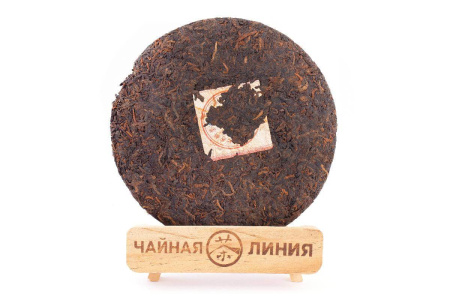
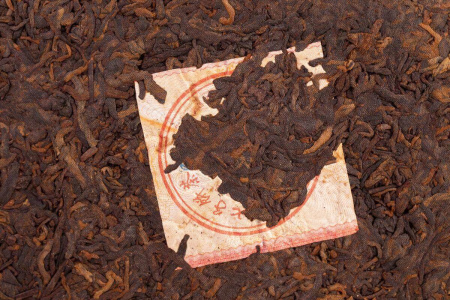
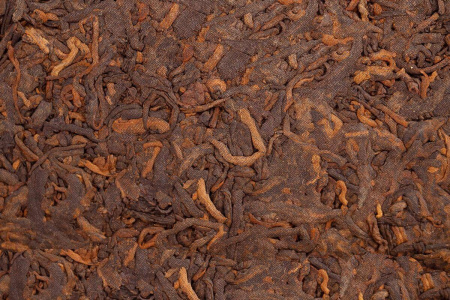
When dry, the aroma of tea is muted and subtle, with a faint hint of dry wood and the smell of old books.
After washing, a subtle aroma with nutty notes is captured, a hint of antique furniture, as if you were in a shop with good antiques.
The infusion of brewed tea is soft, oily, light. The taste is complex, refined, it seems to be absent at all, but at the same time it is there, with a light nutty shade.
Throughout the tea drinking, the tea retains its flavor profile well, it is very easy to drink, you want to fill the cup again and again.
The infusion is cognac-colored, very transparent, leaving a refreshing aftertaste with a woody-nutty note. With a ratio of 8-10 g of tea per 150-200 ml Yixing clay teapot, this puer can withstand 7 full infusions.
This tea, as befits a quality aged puer, relaxes well, relieves nervous tension, immerses in oneself, balances, and makes thoughts clearer. By the end of tea drinking, it gives energy that can be easily directed in the right direction.
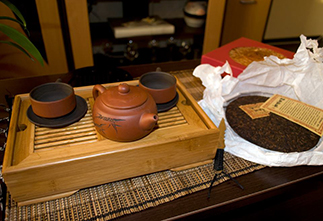
Shu Puer 2012 "Aged Aroma" is a product of the tea factory of the Liming Agricultural and Industrial Union, Yunnan Province, where environmentally friendly high-quality raw materials are used. This Puer can be used for everyday tea drinking, it will be good in the morning, at noon, and even in the evening.
|
Name in Chinese
|
越陈越香 |
|
Pinyin
|
Yuè chen yuè xiāng |
|
English name
|
Ripe pu'er 2012. “Aged flavor” |
|
Translation
|
The older it is, the stronger the aroma. |
|
Country
|
Китай |
|
Provinces
|
Юньнань (云南) |
|
Manufacturer
|
Лимин (黎明) |
|
Date of raw material production
|
2008 |
|
Year of pressing
|
2012 |
|
Pressing form
|
Бин Ча (блин) |
|
Declared weight, g
|
357 |
|
Size
|
20x20x2 |
|
Length, cm
|
20 |
|
Width, cm
|
20 |
- Reviews
- Vkontakte
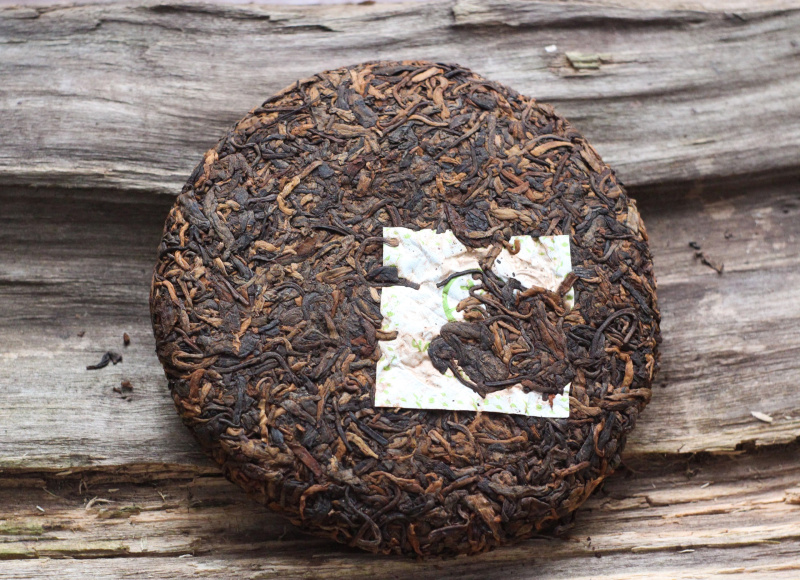
Pu-erh is one of the most unique types of tea, which only gets better with age. Many people, when they first encounter this tea, wondered: why is pu-erh more often found in pressed form (cakes, bricks, tochas), and not in loose form? The reasons for this are related to both history and the practical aspects of storing and fermenting tea. Despite modern technologies that allow the production of loose pu-erh, the shape of pressed cakes remains unchanged. And pu-erh is more often found on sale in pressed form, for example, in the form of cakes or bricks, and loose pu-erh is less common. We will talk about the reasons for pressing pu-erh into cakes in this article.
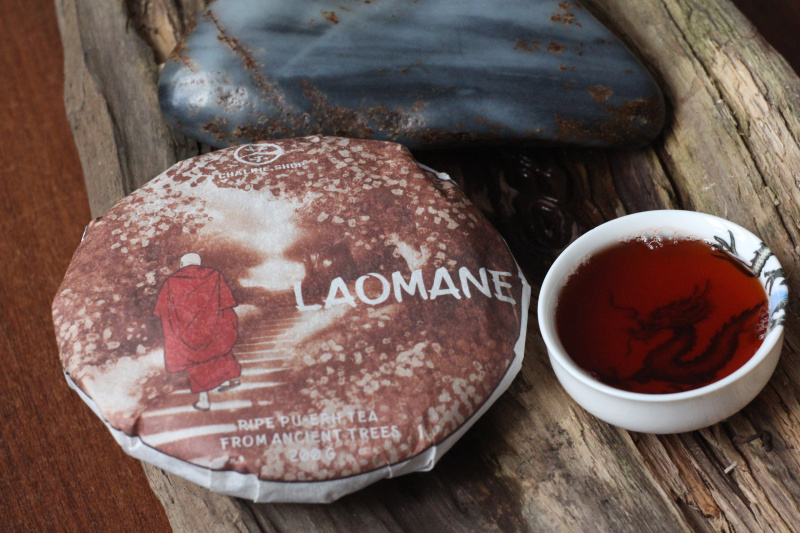
Puer is a unique Chinese tea that is distinguished by its depth of taste, complexity of aromas and versatility of aftertaste. Its taste characteristics are formed under the influence of many factors, from growing conditions to the brewing method. Let's look at the main ones.
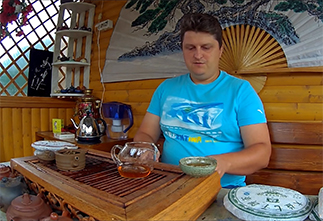
The question often arises: how to brew puerh correctly? Sometimes the phrase "to get high" is added to it. Moreover, everyone has their own understanding of this phrase. Some mean vigor, and some - intoxication. So how to brew puerh tea correctly? Let's consider several options.

Traveling through the tea mountains, we found ourselves in another land of blue roofs - the village of Zhongcai, which is located in the Menghai district of Yunnan province. According to tradition, we were shown another local tea tree, which, according to the Chinese, is at least a million years old :) The village is very authentic, not designed for tourists, there are many wild pu-erhs there and, of course, we were warmly received. They treated us to local cuisine and tea. We also asked the residents about the prices of tea and how they have changed in recent years.
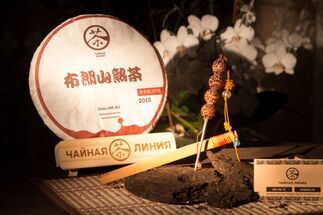
The tea ceremony occupies a special place in the centuries-old Eastern tradition. And although the essence of this phenomenon remains constant, the nature and external manifestations of the tea ceremony in different nations have their own national characteristics. In each Chinese province, the tea ceremony and the tea used in it are varied: for example, residents of the southern provinces prefer green tea, and residents of the northern provinces - red tea, in Fujian province they more often use Oolong tea, and in Yunnan province Puer tea is widely known.
Пиньин Límíng chá chǎng
Пер.Чайная фабрика Лимин
Need a consultation?
Our specialists will answer any question of interest


