





-
10 Saturation
-
7 Aftertaste
-
8 Aroma
-
8 Effect
-
8 Balance
-
8 Body
Shu Puer 2017 "Spring Dawn" from Chashuwan: the awakening of spring in every cup
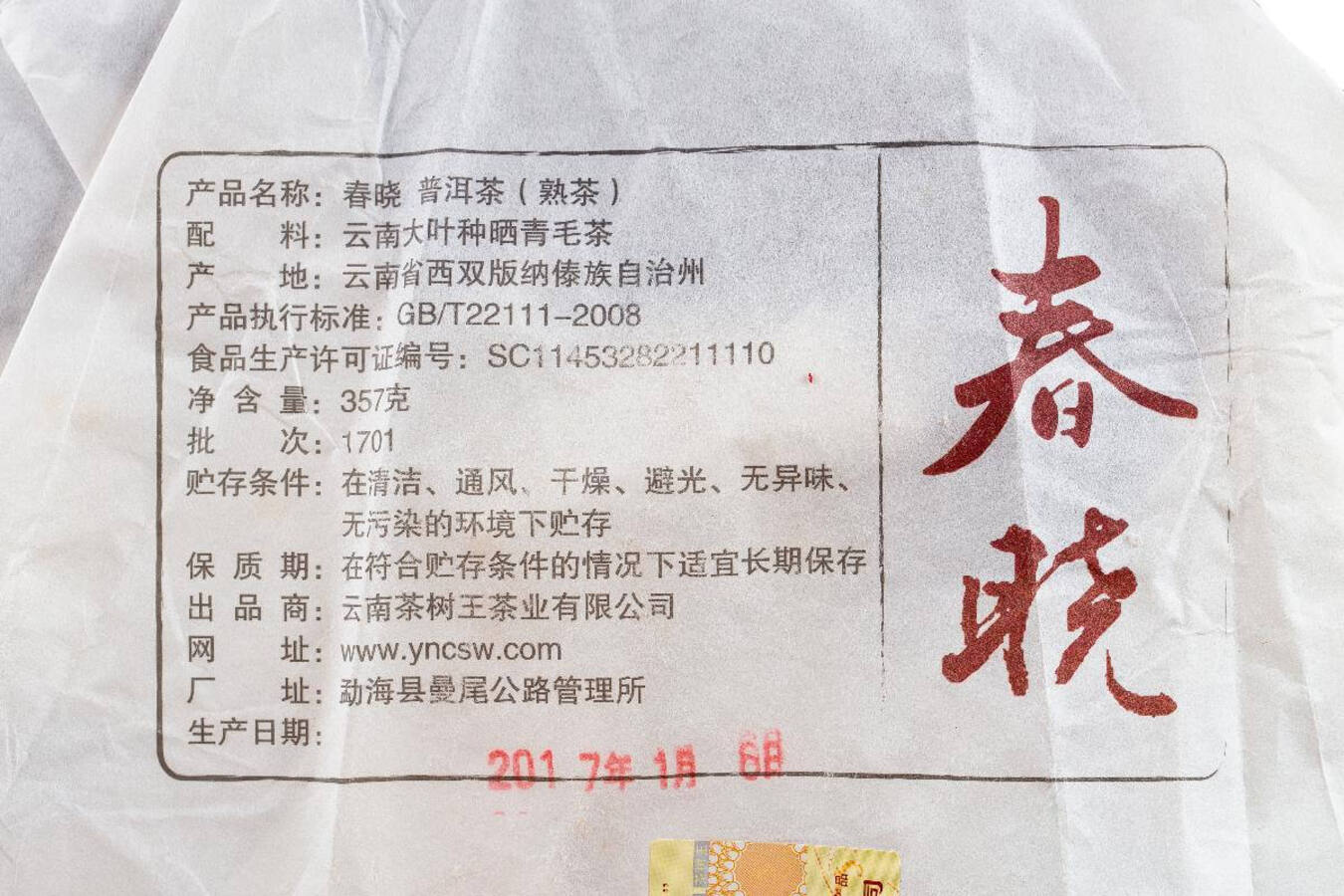
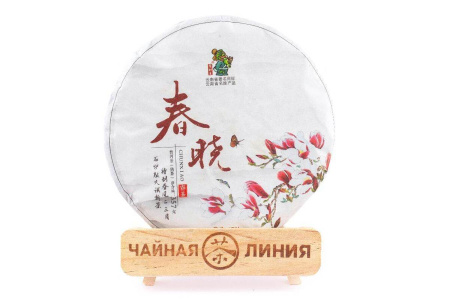
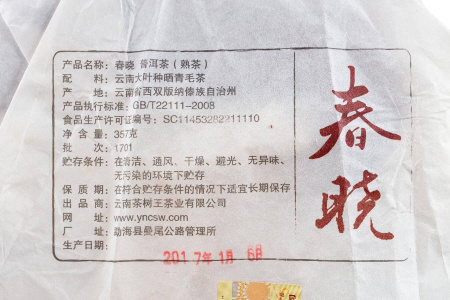
The 2017 Shu Pu'er "Spring Dawn" (春晓, pinyin: chūnxiǎo) from the Chashuwang (茶树王, pinyin: Cháshù wáng) brewery is an exquisite example of traditional Yunnan pu'er that will provide an unforgettable experience. Aged for seven years, this tea has acquired a soft, harmonious flavor and a rich aroma that awakens and inspires.
History of creation and features
Chashuvan Tea Factory is renowned for its high-quality pu-erh teas, produced using traditional techniques. Shu Pu-erh "Spring Dawn" is the result of years of experience and the skill of our tea masters. It was created using the highest-quality raw materials, harvested from the best tea gardens in Yunnan. Careful fermentation in piles produces a tea with a bright, rich flavor and a multifaceted aroma.
- Manufacturer: Chashuwan is one of the famous pu-erh producers in China.
- Name: "Spring Dawn" - a poetic name that reflects the character of this tea: fresh, bright, with notes of awakening.
- Raw materials: High-quality tea leaves with a high content of tea buds, collected in 2017.
- Fermentation: Traditional heap fermentation.
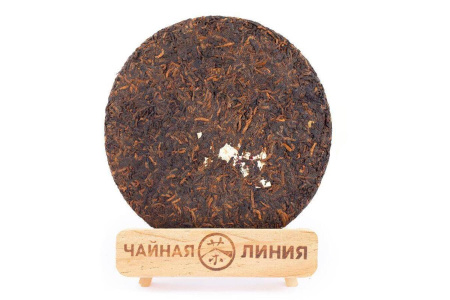
- Pressing: Pancake.
Taste and aroma
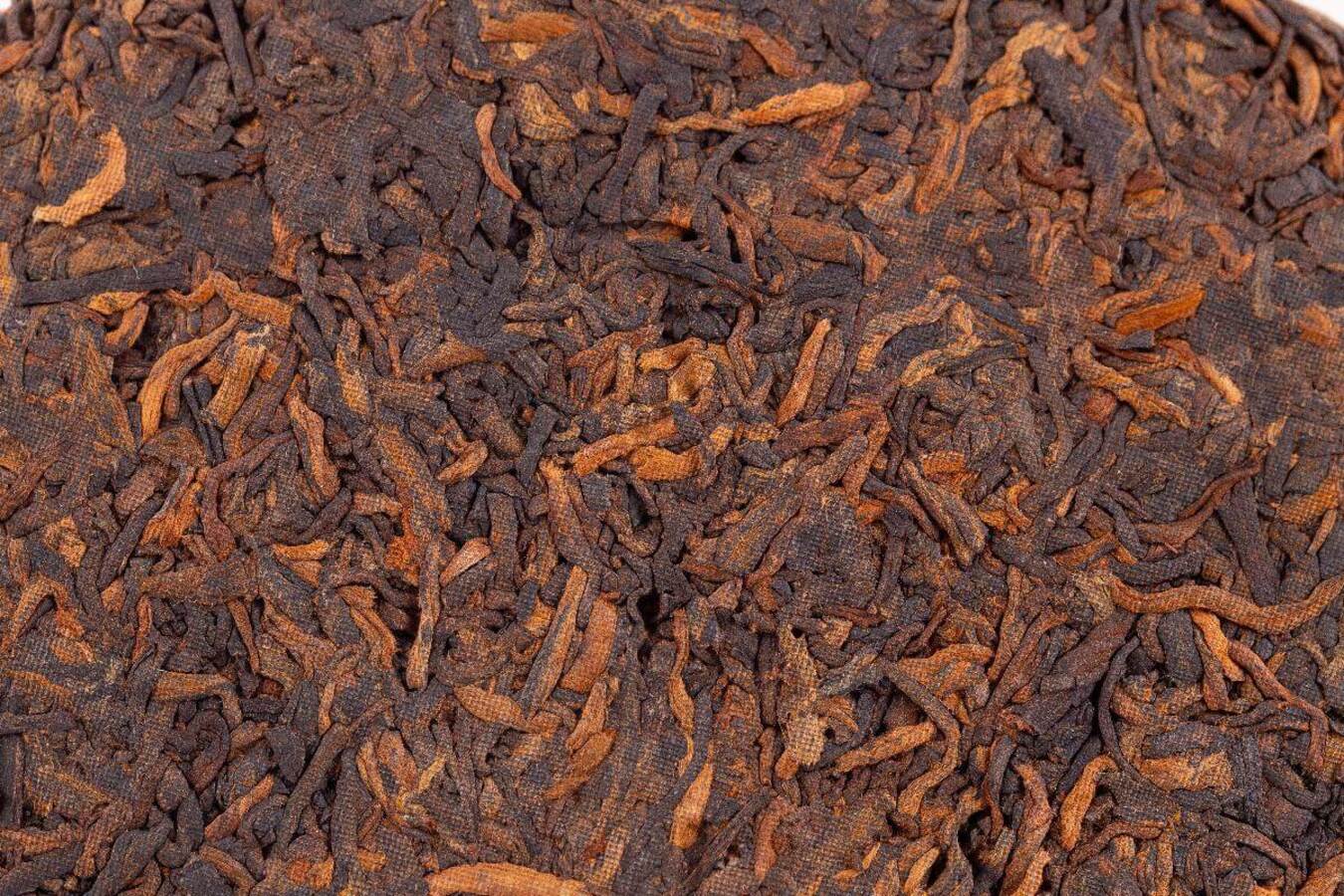
When dry, the tea has a soft, subtle aroma with a caramel-woody profile.
After the first steep, pu-erh reveals a bright trail of aromas with a creamy nuance, with notes of wet wood and dried almonds.
The brewed tea leaves a thick, oily, and rich infusion. The flavor is clean, balanced, and fresh. The aroma combines nutty notes with hints of spring primroses and nutty, creamy undertones. This tea can be steeped up to five times, with each infusion revealing new facets of flavor.
The infusion is clean and transparent , with an attractive dark burgundy color.
The aftertaste is long-lasting with notes of dark chocolate, enveloping the entire mouth with its thickness.
Beneficial properties
Like other types of pu-erh, Shu Pu-erh "Spring Dawn" has a number of beneficial properties:
- Improving digestion: Promotes normal digestion and metabolism.
- Toning the body: Increases vitality and energy.
- Antioxidant properties: Protects the body's cells from the harmful effects of free radicals.
- Beneficial effects on the cardiovascular system: Helps lower cholesterol levels and improve blood circulation.
How to brew
For brewing this pu-erh, we recommend using a Yixing clay teapot or porcelain gaiwan. The water temperature should be around 95°C. 7-10 grams of dry tea leaves are sufficient for one infusion.
Why is it worth trying this pu-erh?
- High quality: Produced by one of the famous Chinese tea factories.
- Balanced taste: Combines softness and brightness.
- Beneficial properties: Has a beneficial effect on the body as a whole.
- Versatility: Suitable for daily use.
Chashuwan's 2017 Shu Pu'er "Spring Dawn" is a true masterpiece of tea art, worthy of the most discerning connoisseurs. Its exquisite taste and subtle aroma will transport you to the world of Yunnan's spring gardens.
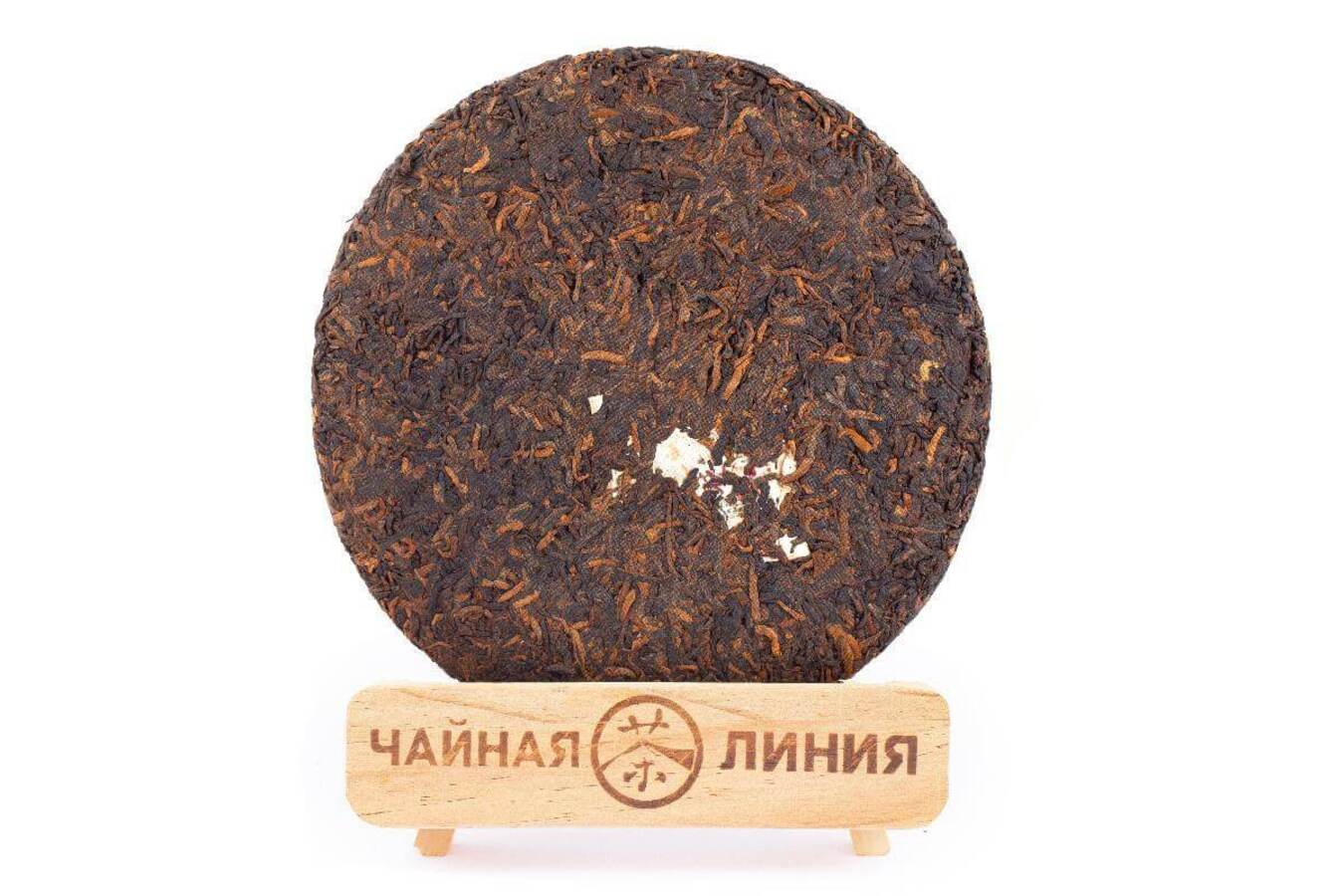
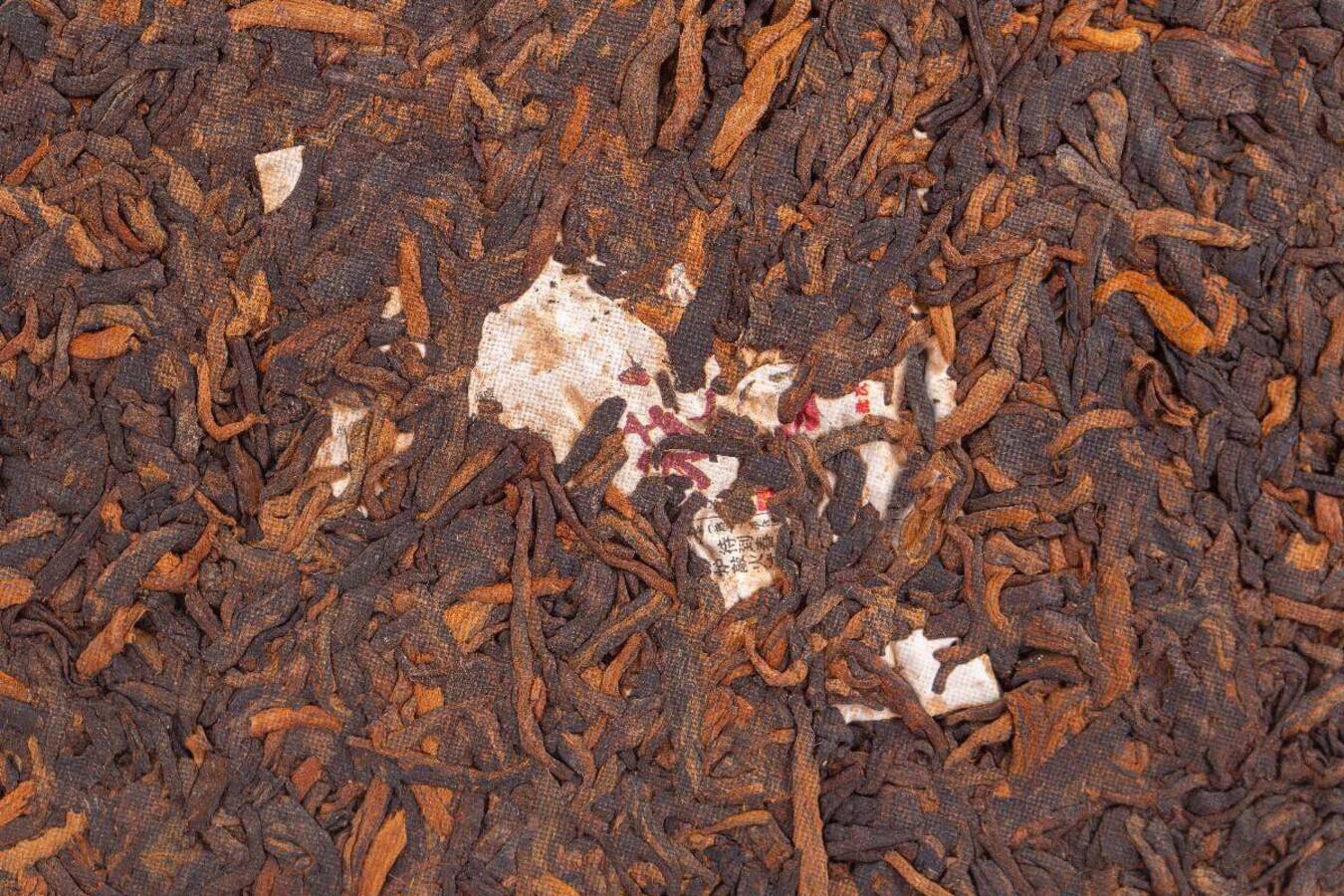
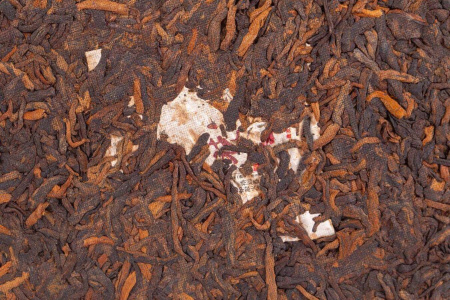
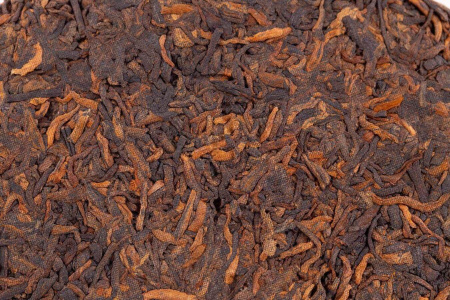
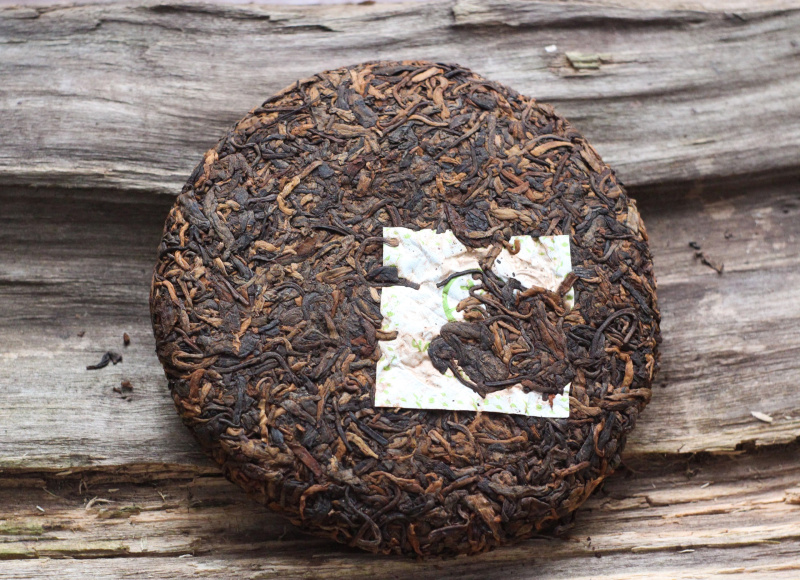
This cake features a textured, uniform texture with a high percentage of tea buds. When warmed by the breath, a soft, subtle aroma with a caramel-woody profile is revealed. After the first steep, the pu-erh reveals a vibrant trail of aromas with a creamy nuance, featuring notes of wet wood and dried almond.
The brewed tea leaves a thick, oily, and rich infusion. The flavor is clean, balanced, and fresh. The aroma combines nutty notes with hints of spring primroses and nutty, creamy undertones. This tea can be steeped up to five times, using a ratio of 7g of tea per 150ml of water in a Yixing clay teapot or gaiwan.
The infusion is pure and clear, an alluring dark burgundy color. The aftertaste is long, with notes of dark chocolate, enveloping the entire mouth with its richness.
Shu Pu-erh 2017 "Spring Dawn" gently invigorates, sobers and awakens, helps to concentrate and tune in to communication.
Its pure taste and soft tea effect make this pu-erh a tea option for every day, including for tea drinking in the evening.
|
Name in Chinese
|
春晓 |
|
Pinyin
|
chūnxiǎo |
|
Translation
|
Spring dawn |
|
Country
|
Китай |
|
Provinces
|
Юньнань (云南) |
|
Manufacturer
|
Чашуван (茶树王) |
|
Year of pressing
|
2017 |
|
Pressing form
|
Бин Ча (блин) |
|
Declared weight, g
|
357 |
- Reviews
- Vkontakte
Pu-erh is one of the most unique types of tea, which only gets better with age. Many people, when they first encounter this tea, wondered: why is pu-erh more often found in pressed form (cakes, bricks, tochas), and not in loose form? The reasons for this are related to both history and the practical aspects of storing and fermenting tea. Despite modern technologies that allow the production of loose pu-erh, the shape of pressed cakes remains unchanged. And pu-erh is more often found on sale in pressed form, for example, in the form of cakes or bricks, and loose pu-erh is less common. We will talk about the reasons for pressing pu-erh into cakes in this article.
Puer is a unique Chinese tea that is distinguished by its depth of taste, complexity of aromas and versatility of aftertaste. Its taste characteristics are formed under the influence of many factors, from growing conditions to the brewing method. Let's look at the main ones.
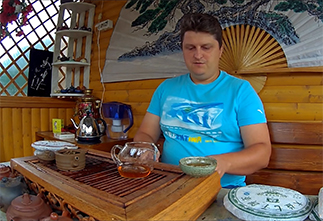
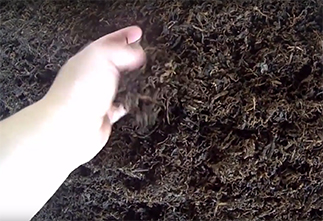
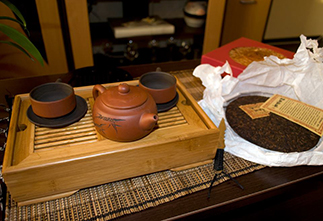

Traveling through the tea mountains, we found ourselves in another land of blue roofs - the village of Zhongcai, which is located in the Menghai district of Yunnan province. According to tradition, we were shown another local tea tree, which, according to the Chinese, is at least a million years old :) The village is very authentic, not designed for tourists, there are many wild pu-erhs there and, of course, we were warmly received. They treated us to local cuisine and tea. We also asked the residents about the prices of tea and how they have changed in recent years.
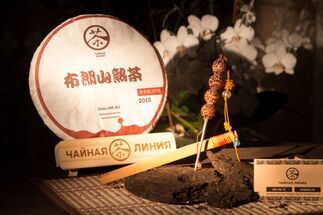
The tea ceremony holds a special place in the centuries-old Eastern tradition. While its essence remains constant, the nature and external manifestations of the tea ceremony vary among different cultures. Each Chinese province has its own distinct tea ceremony and tea used: for example, residents of the southern provinces prefer green tea, while those in the northern provinces prefer red tea. Oolong tea is more commonly used in Fujian Province, while Pu'er tea is widely known in Yunnan Province.
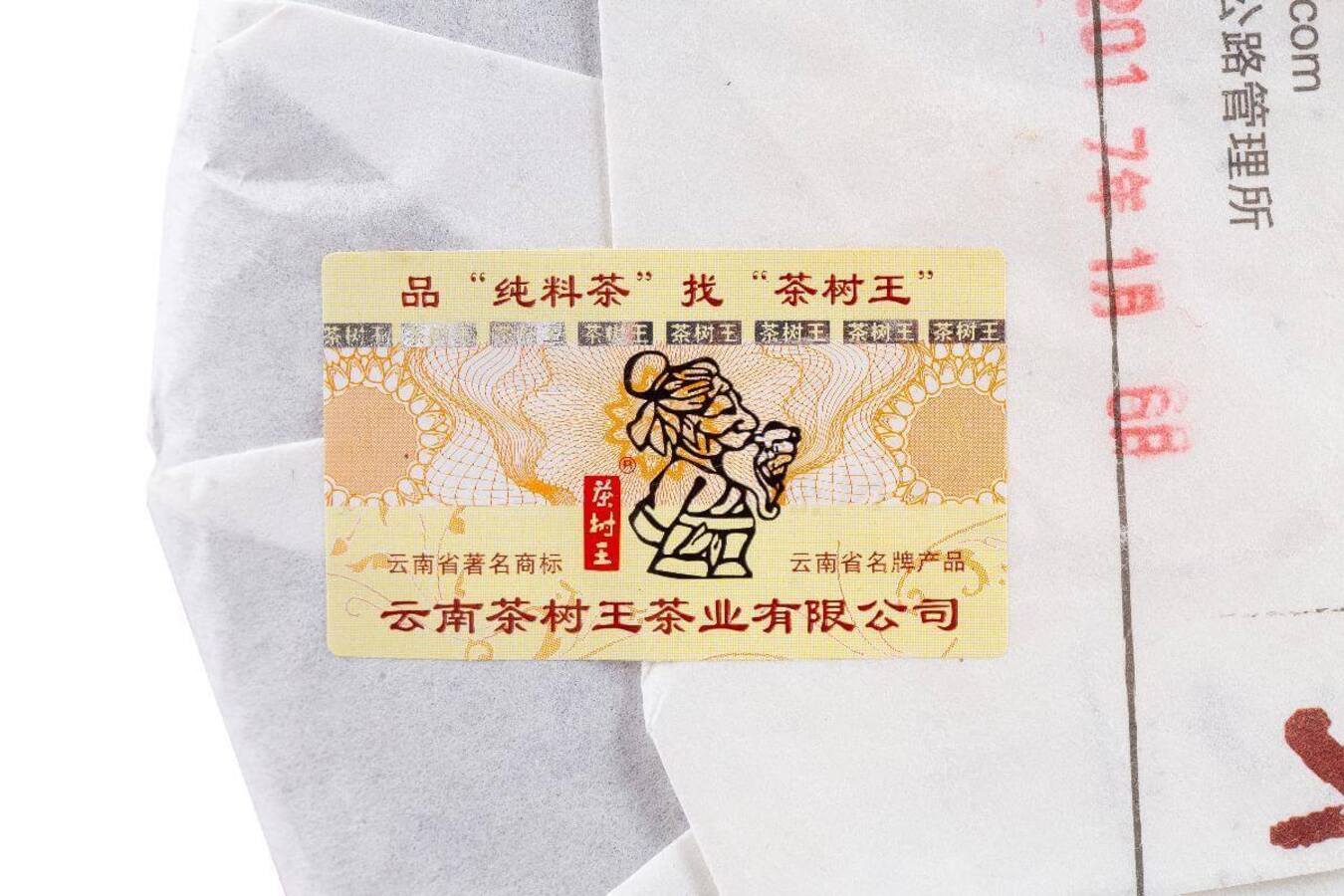
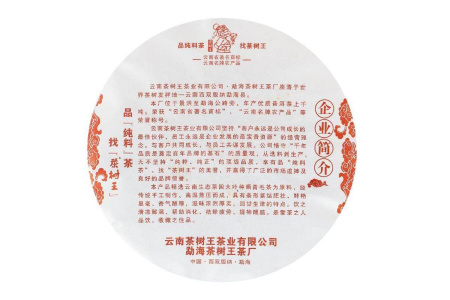
Пиньин Yúnnán cháshù wáng cháyè yǒuxiàn gōngsī
Пер. «Юньнаньская чайная компания Король (Царь) чайных деревьев»
Need a consultation?
Our specialists will answer any question of interest


