



-
0 Saturation
-
0 Aftertaste
-
0 Aroma
-
0 Effect
-
0 Balance
-
0 Body
糯米香叶子 nuòmǐxiāng yèzi nomisyan ezi
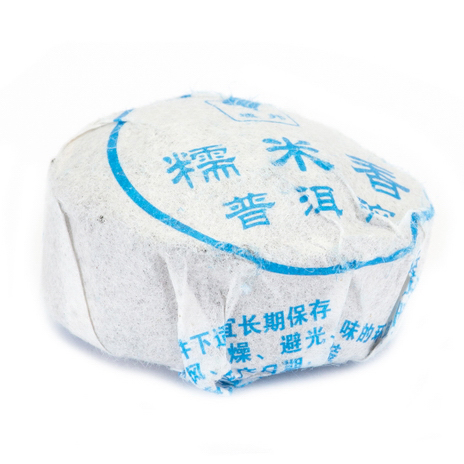
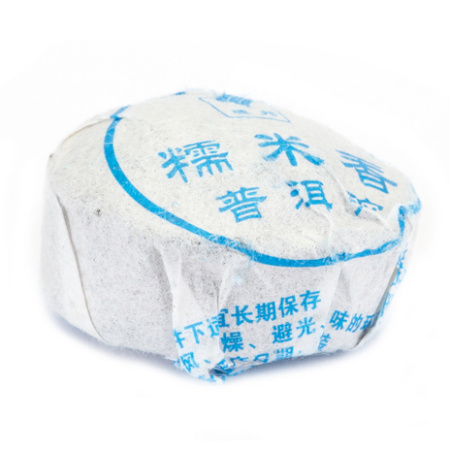
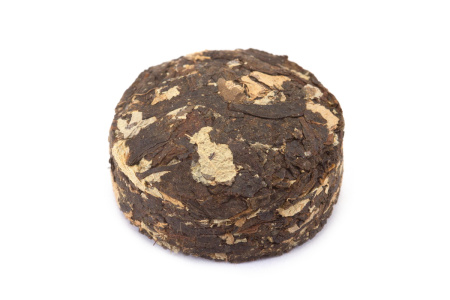
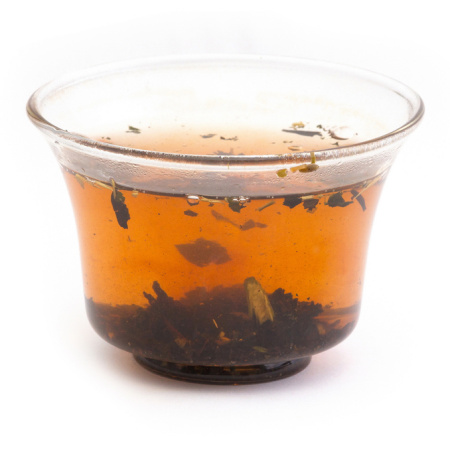
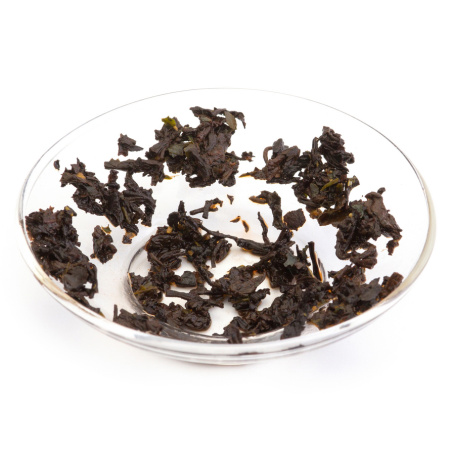
Nomi grass leaves (糯米香叶子, nuòmǐxiāngyèzi, НомиСянЕци) are added to pu'er by mixing Nomi leaves and stems with tea leaves in a certain proportion.
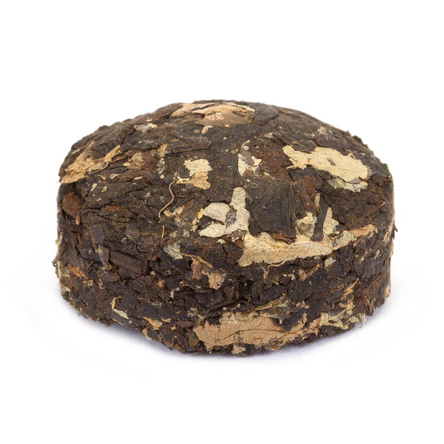
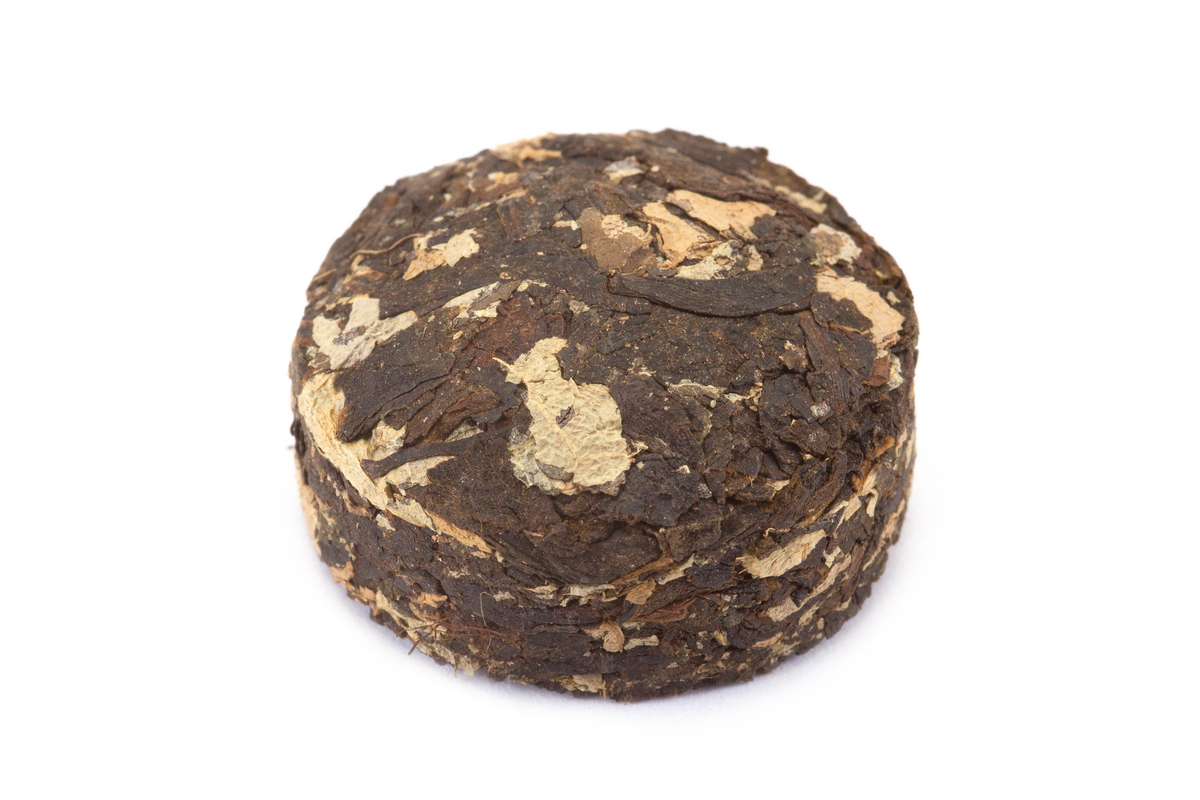
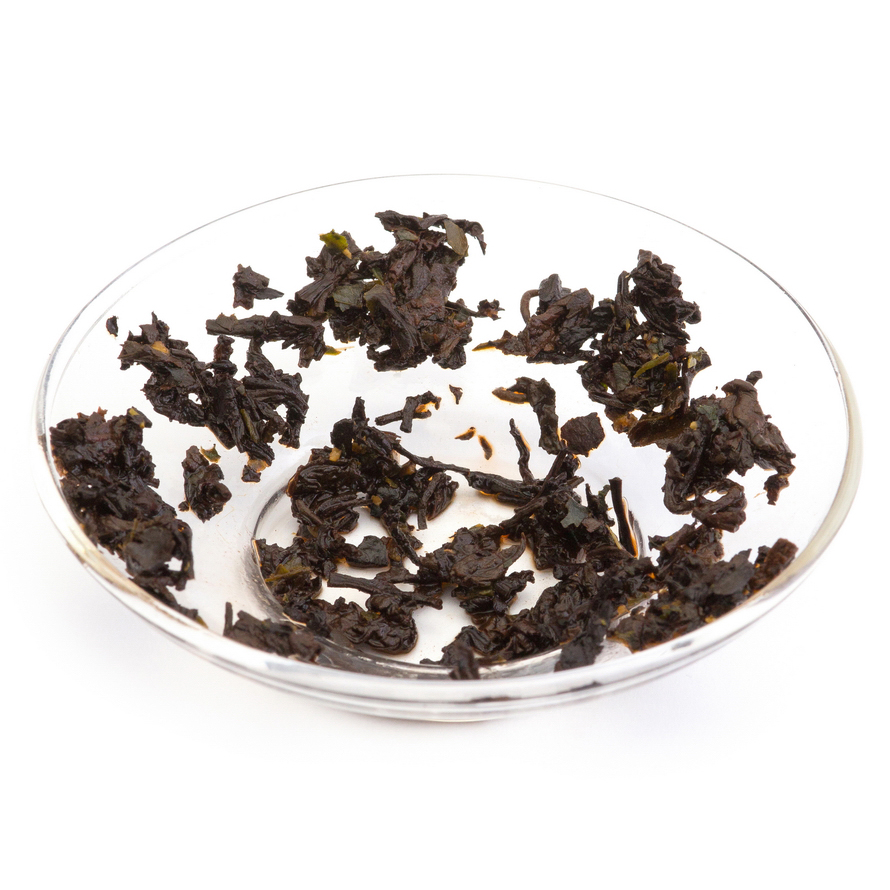
When dried, mini tochis have an unusual, powerful and penetrating aroma, with a bright trail of nomi grass, woody notes with nuances of autumn foliage, which intensify after washing.
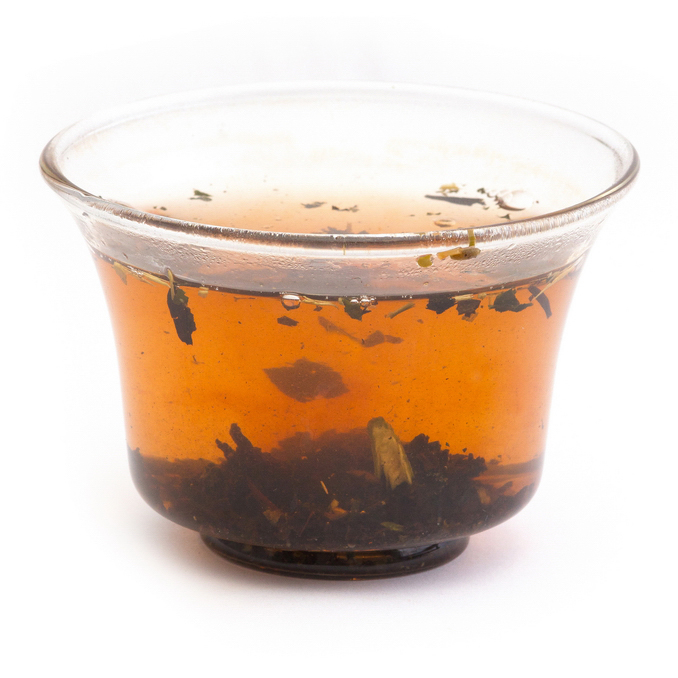
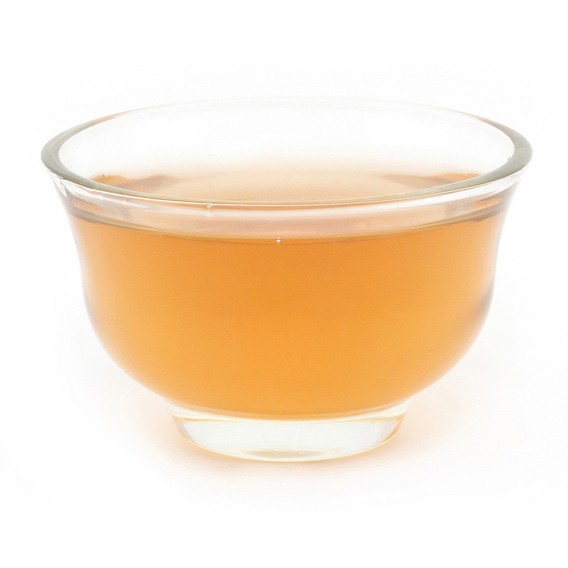
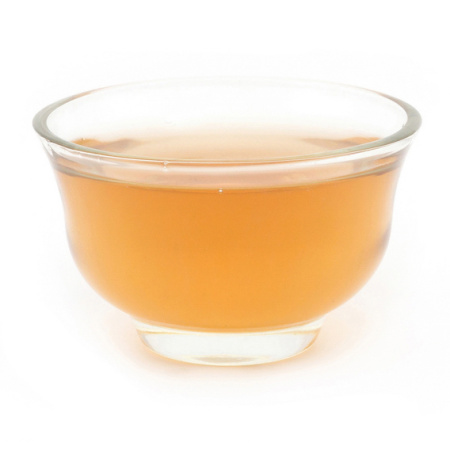
The brewed tea's flavor is rich, complex, and distinctive. The taste features pronounced Nomi notes interspersed with hints of wet autumn leaves and tree bark.
The infusion leaves a rich aftertaste with hints of Nomi, medicinal herbs and wood.
This pu-erh tea should be brewed in a gaiwan. If you use a Yixing clay teapot, the aroma of the nomi herb will be retained for some time. To brew, use 1 mini tochu per 100 ml of boiling water.
Nomi herb has a hematopoietic effect, "fills the void" (traditional Chinese medicine), suppresses sweating, and has a beneficial effect on the spleen. Suitable for women, young children, and the elderly.
Mini Tochi Shu Pu'er "Nomisyan" has a warming effect, is a good tonic and helps wake you up, and by the end of the tea party, it will give you strength and energy.
|
Name in Chinese
|
糯米香叶子 |
|
Pinyin
|
nuòmǐxiāng yèzi |
|
English name
|
Nomisyan Yezi |
|
Translation
|
nomisyan etsy |
|
Country
|
Китай |
|
Provinces
|
Юньнань (云南) |
|
Manufacturer
|
Гу И (古驿) |
|
Pressing form
|
Сяо то (Миниточа) |
|
Declared weight, g
|
6 |
|
Size
|
2x2x1 |
|
Length, cm
|
2 |
|
Width, cm
|
2 |
- Reviews
- Vkontakte
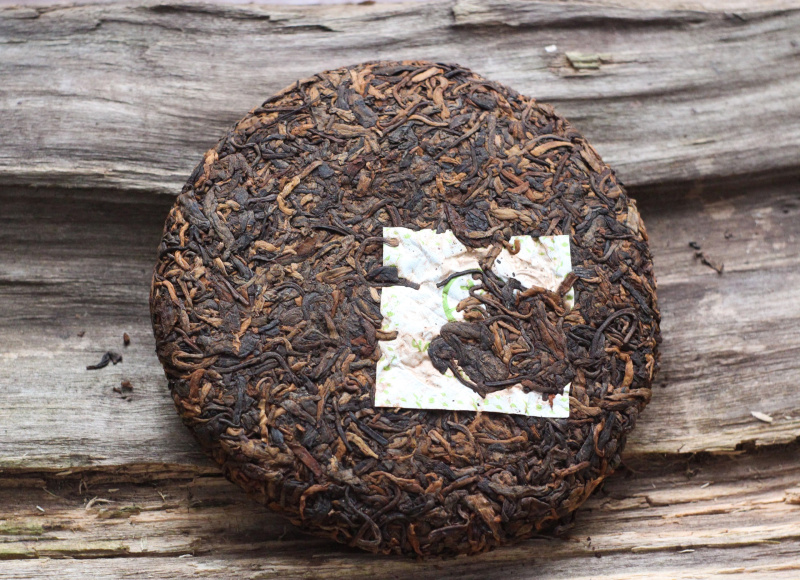
Pu-erh is one of the most unique types of tea, which only gets better with age. Many people, when they first encounter this tea, wondered: why is pu-erh more often found in pressed form (cakes, bricks, tochas), and not in loose form? The reasons for this are related to both history and the practical aspects of storing and fermenting tea. Despite modern technologies that allow the production of loose pu-erh, the shape of pressed cakes remains unchanged. And pu-erh is more often found on sale in pressed form, for example, in the form of cakes or bricks, and loose pu-erh is less common. We will talk about the reasons for pressing pu-erh into cakes in this article.
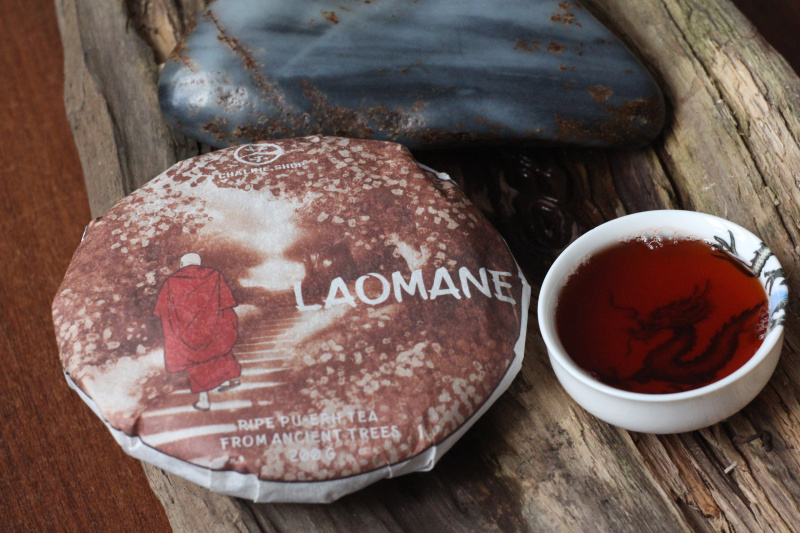
Puer is a unique Chinese tea that is distinguished by its depth of taste, complexity of aromas and versatility of aftertaste. Its taste characteristics are formed under the influence of many factors, from growing conditions to the brewing method. Let's look at the main ones.
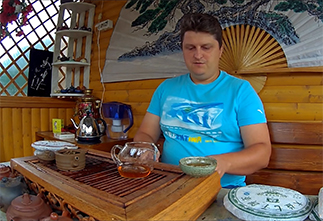
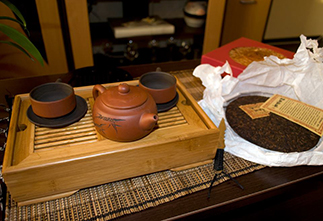

Traveling through the tea mountains, we found ourselves in another land of blue roofs - the village of Zhongcai, which is located in the Menghai district of Yunnan province. According to tradition, we were shown another local tea tree, which, according to the Chinese, is at least a million years old :) The village is very authentic, not designed for tourists, there are many wild pu-erhs there and, of course, we were warmly received. They treated us to local cuisine and tea. We also asked the residents about the prices of tea and how they have changed in recent years.
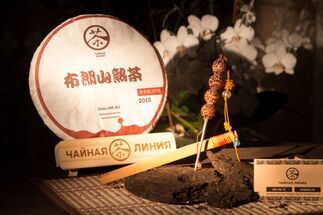
The tea ceremony holds a special place in the centuries-old Eastern tradition. While its essence remains constant, the nature and external manifestations of the tea ceremony vary among different cultures. Each Chinese province has its own distinct tea ceremony and tea used: for example, residents of the southern provinces prefer green tea, while those in the northern provinces prefer red tea. Oolong tea is more commonly used in Fujian Province, while Pu'er tea is widely known in Yunnan Province.


