









-
0 Saturation
-
0 Aftertaste
-
0 Aroma
-
0 Effect
-
0 Balance
-
0 Body
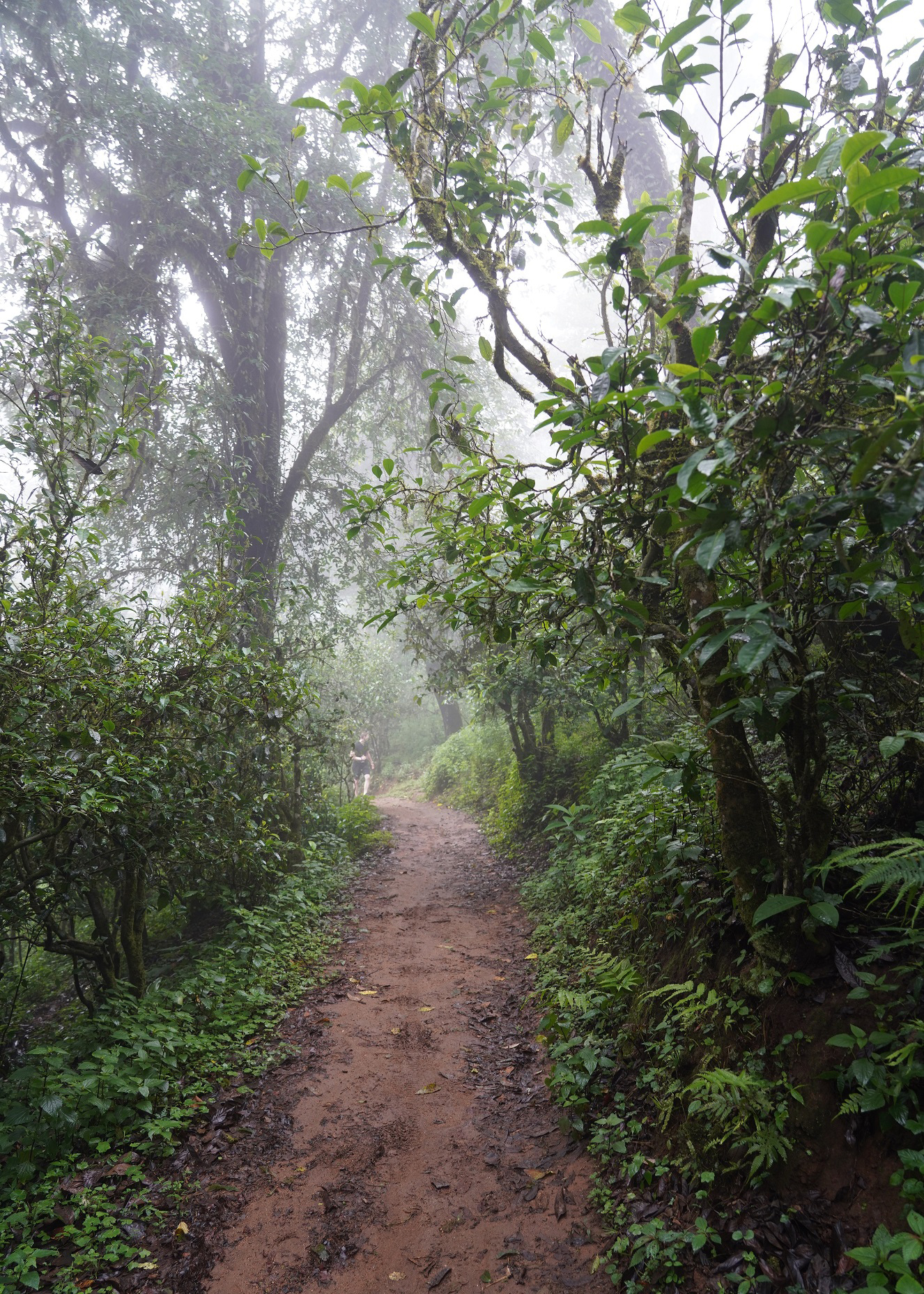
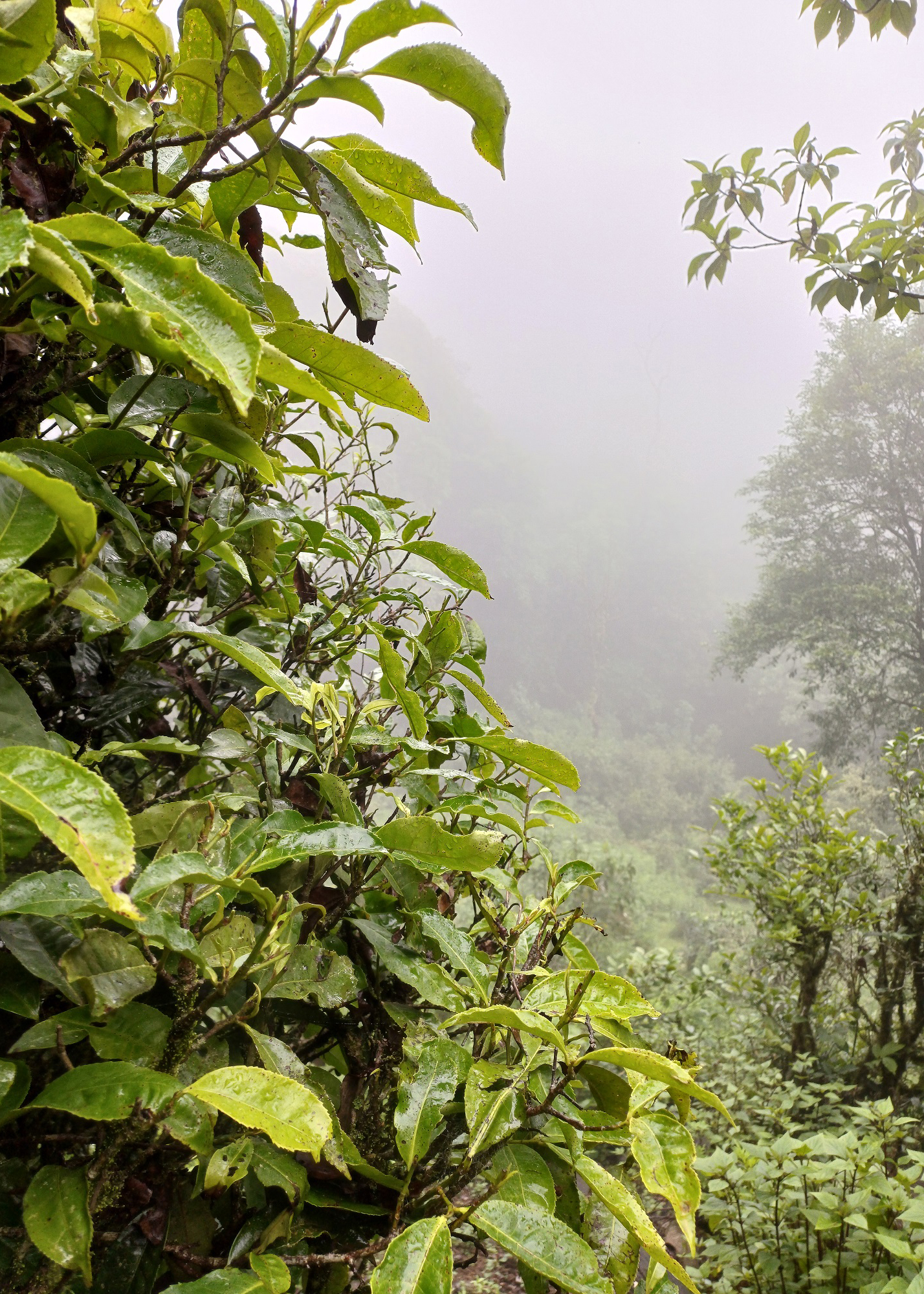
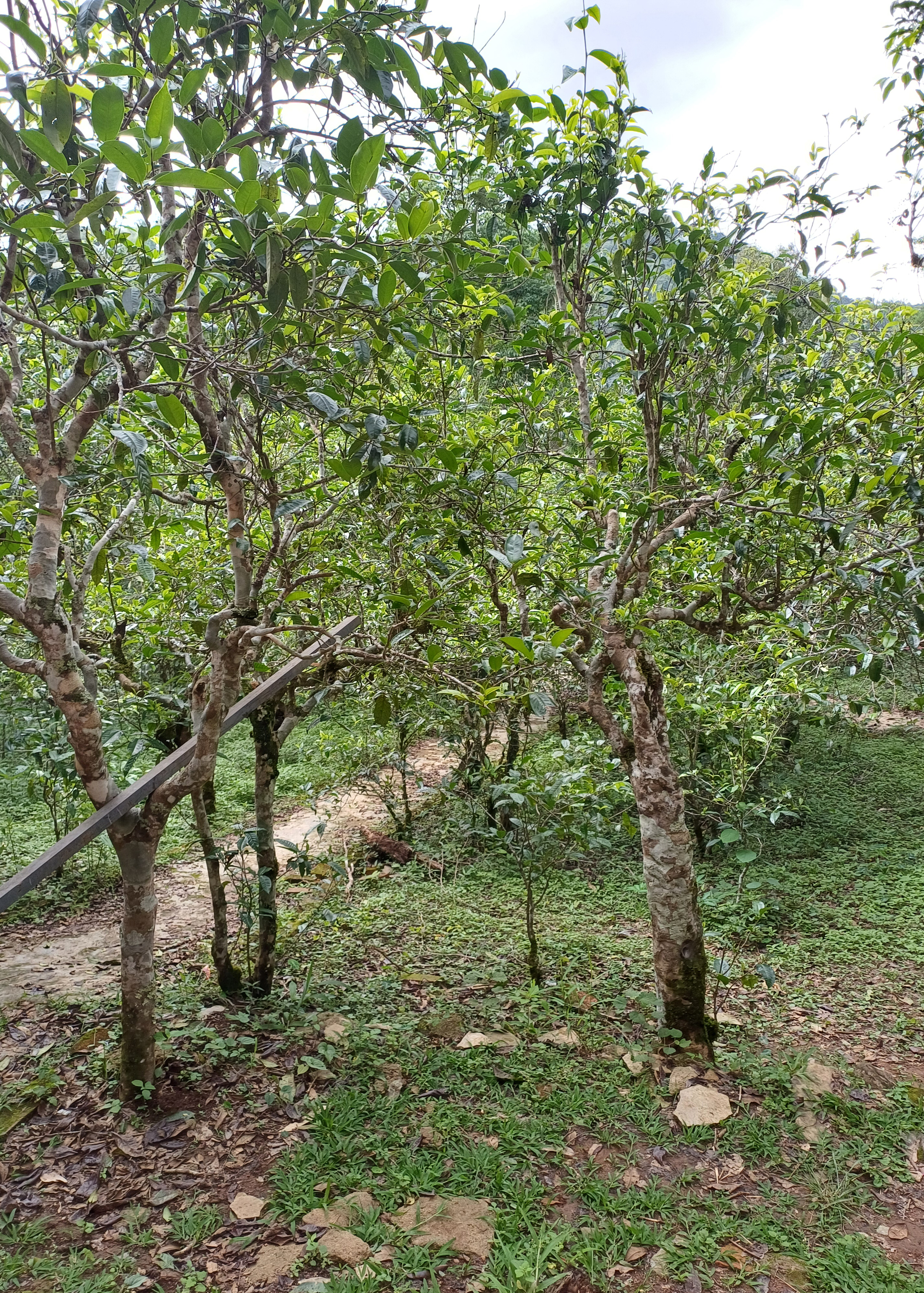
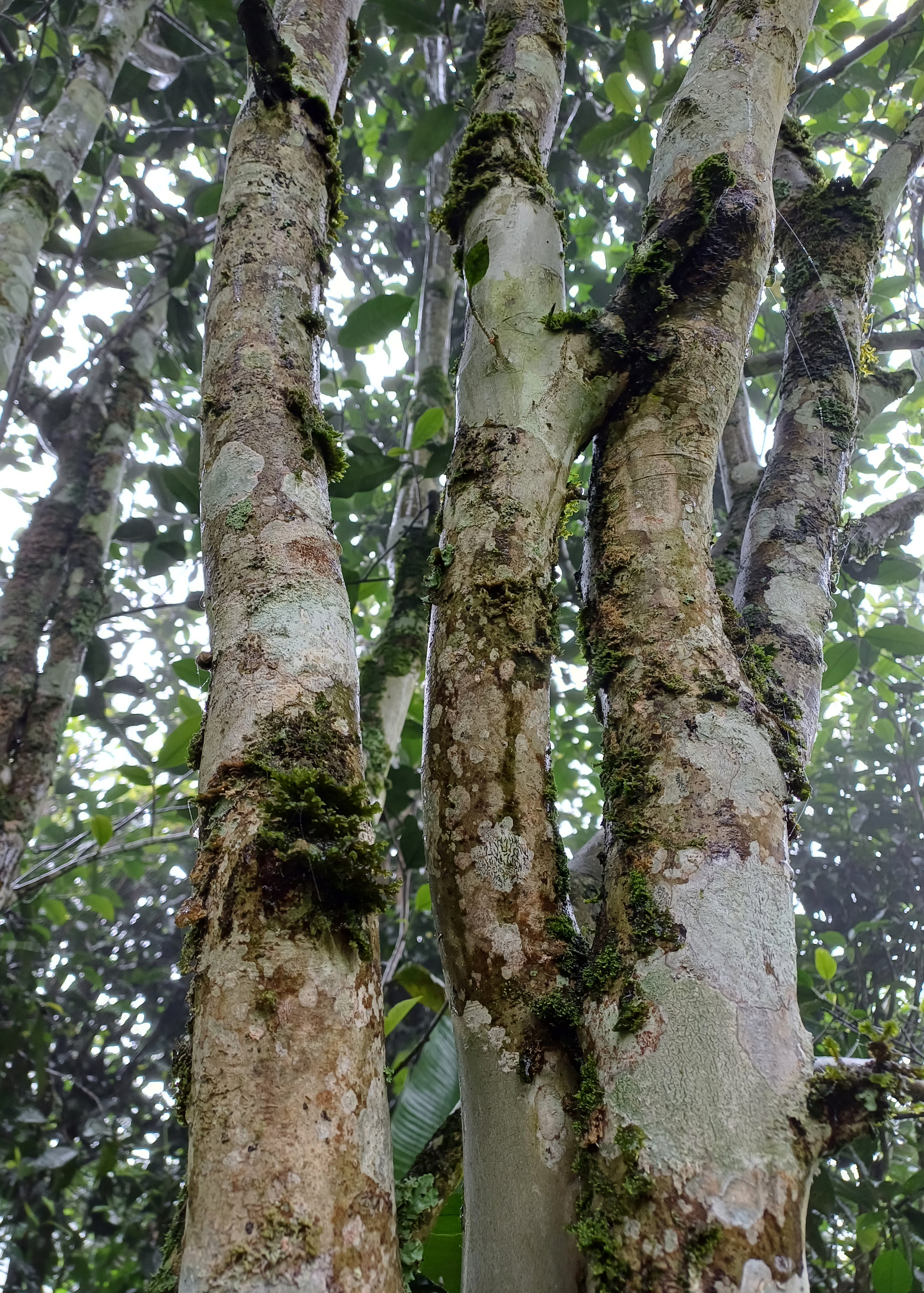
Чайные деревья, растущие в таких местах, имеют высокие толстые стволы и развитую корневую систему, благодаря чему листья черпают из почвы питательные вещества и полезные микроэлементы.
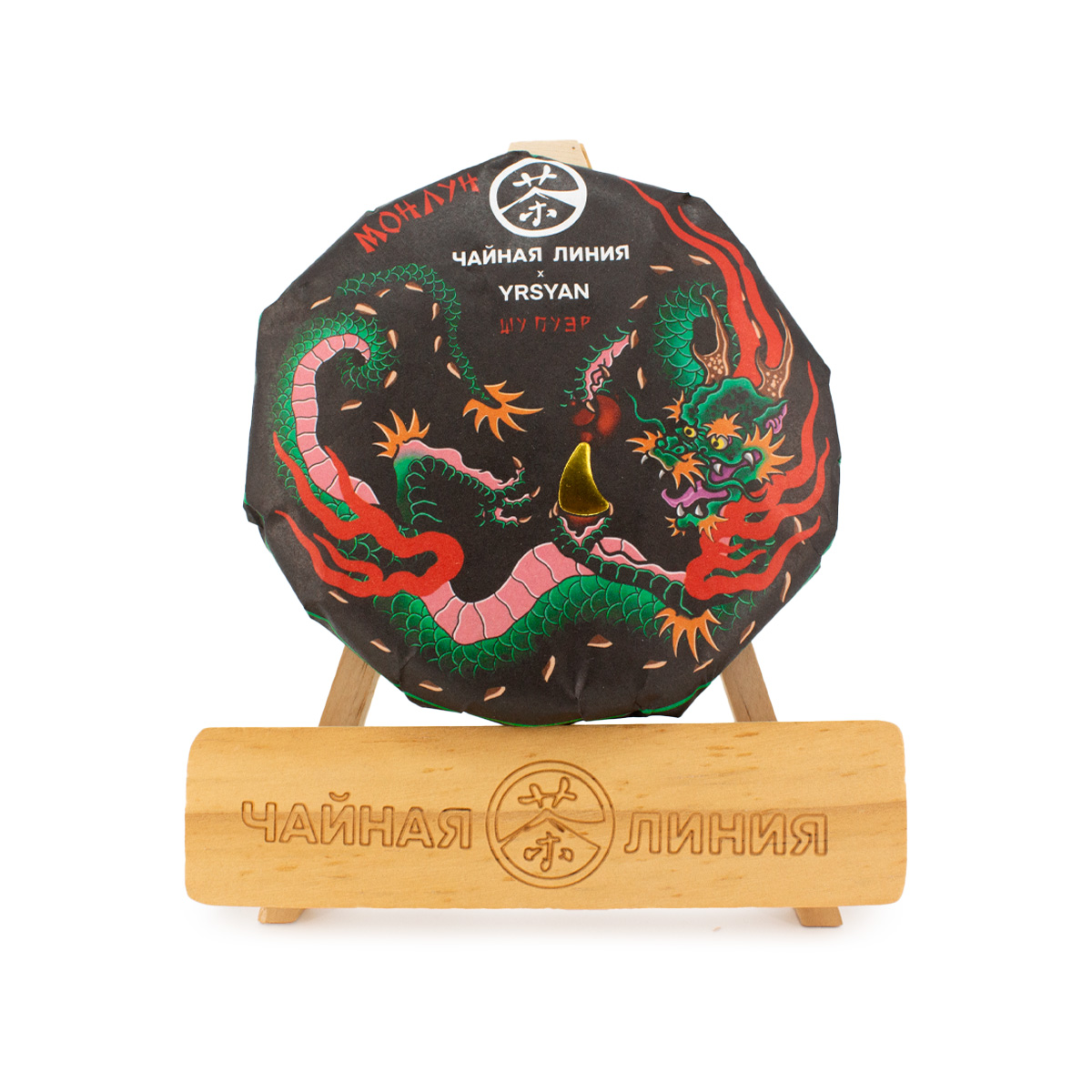
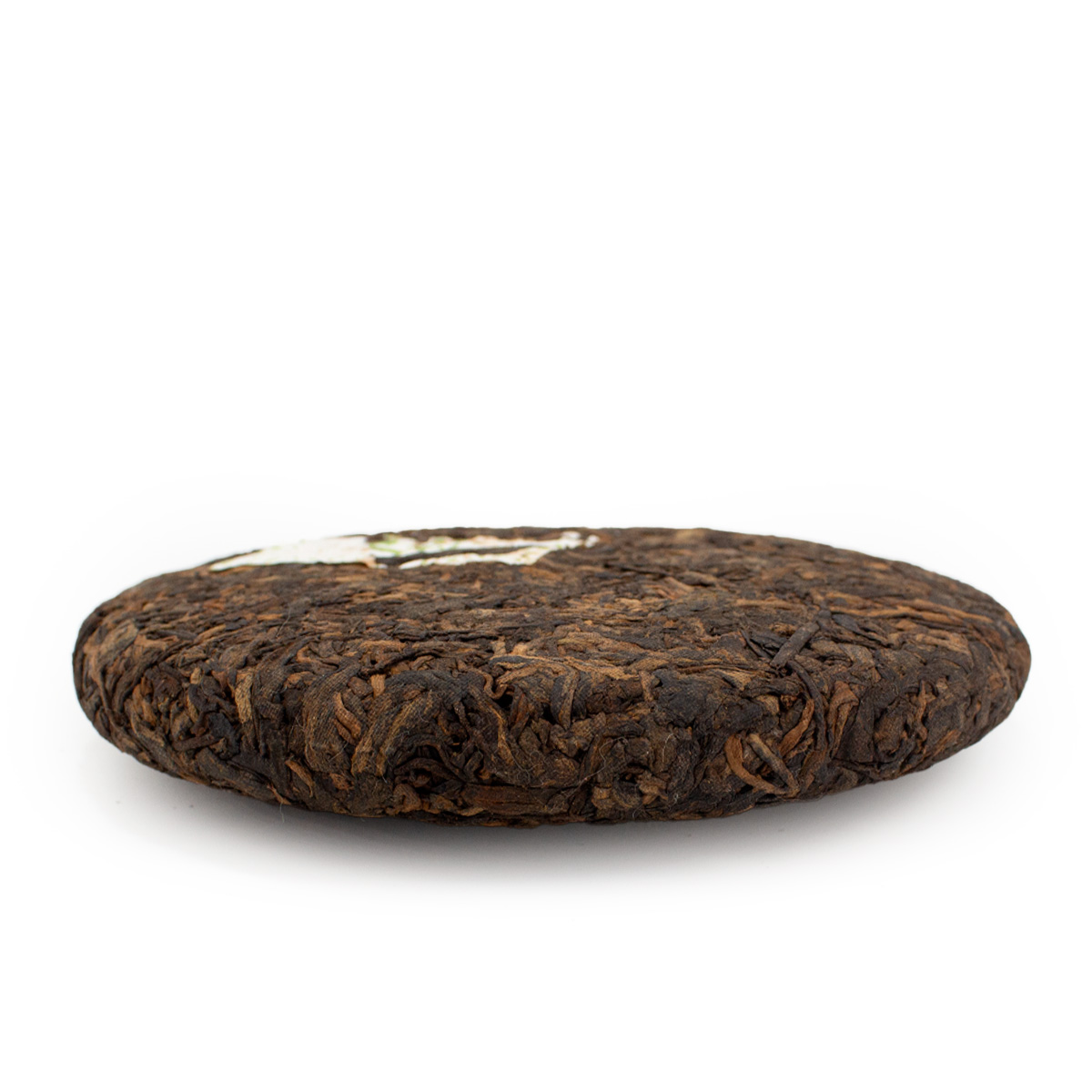
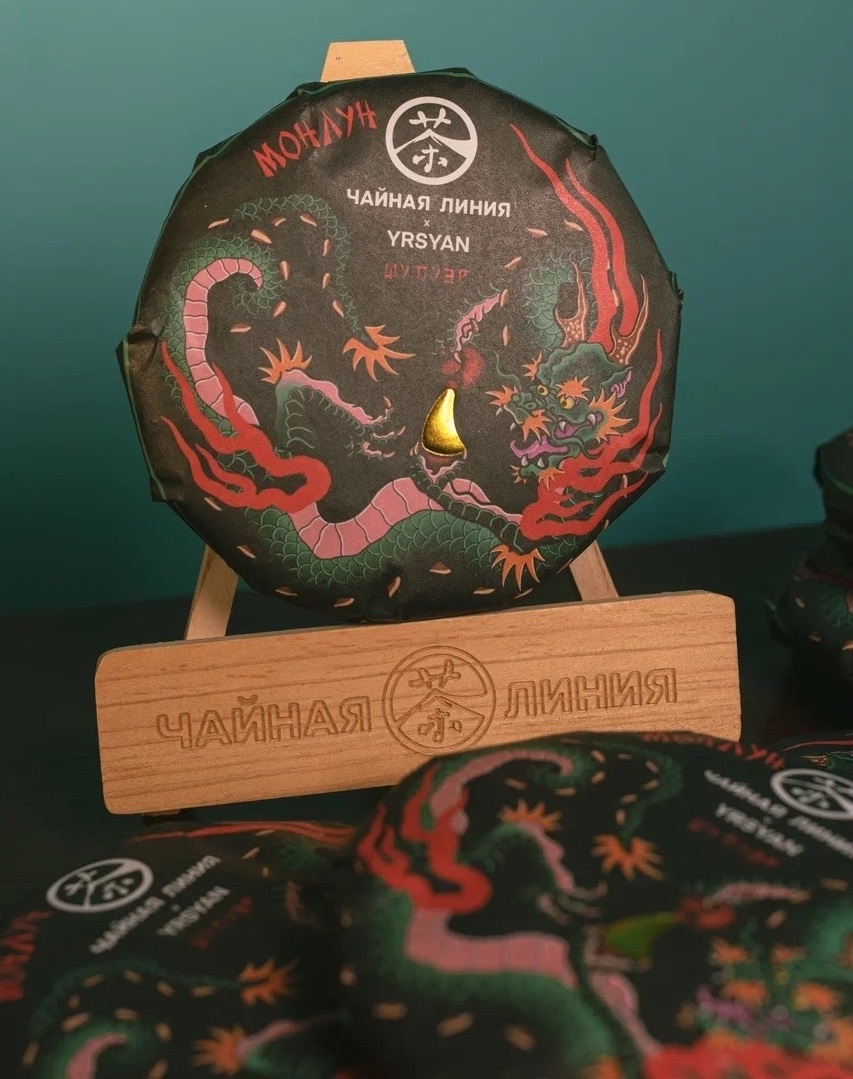
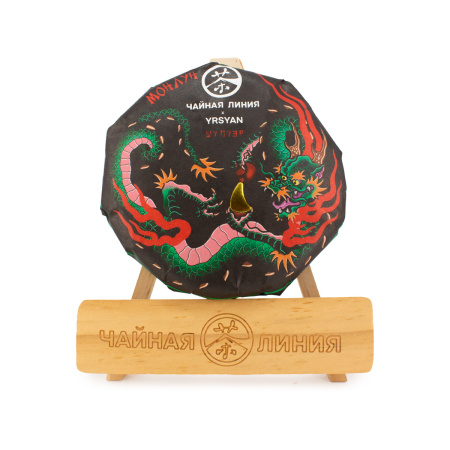
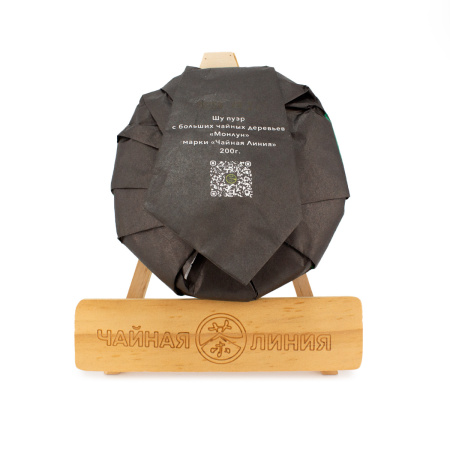
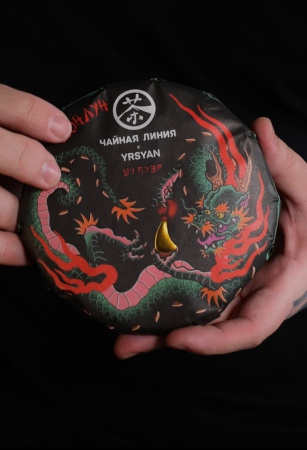
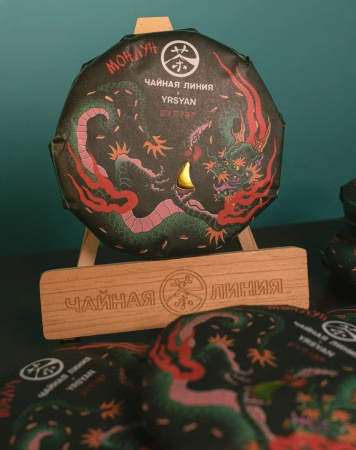
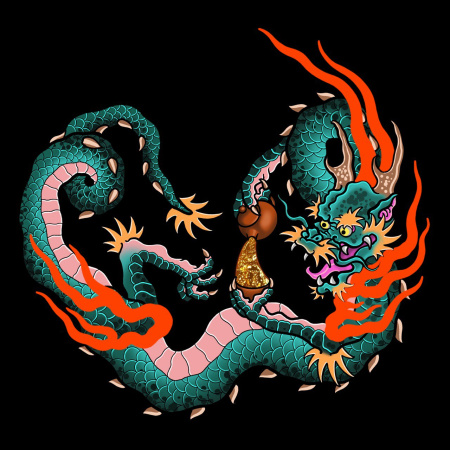
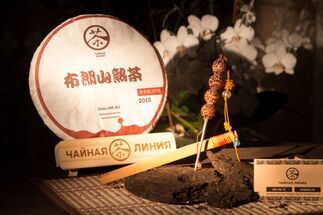
Обложку для данного блина разработал талантливый тату-мастер и очень хороший человек Юра Инютин (YRSYAN).
Пуэр получился очень многогранным, насыщенным и ярким. Чай меняется от пролива к проливу, создавая ощущение будто пьёшь три разных Шу.
В начале чаепития чай встречает густым карамельно-дымным ароматом, с нотами пряной вишни и цитрусов.
В ходе чаепития чай меняется оставляя мощную орехово-цветочную палитру, с нотами дикорастущей ежевики, которая частенько нам попадалась на горных тропах. На послевкусии - ноты лесного дуплового мёда, переплетённые с тропическими фруктами.
Данный пуэр оставляет мощное чайное состояние, отлично тонизирует и дарит прекрасное настроение на весь день!
|
Country
|
China |
|
Provinces
|
Yunnan (云南) |
|
Manufacturer
|
ООО "Чайная Линия" |
|
Date of raw material production
|
23.05.2025 г. |
|
Year of pressing
|
2026 |
|
Pressing form
|
Bing Cha (Cake Tea) |
|
Declared weight, g
|
200 |
|
Fermentation method
|
With a lift-off from the ground |
|
Type of tea raw material
|
Large trees (100-300 years) |
|
Length, cm
|
160 |
|
Width, cm
|
160 |
- Reviews
- Vkontakte
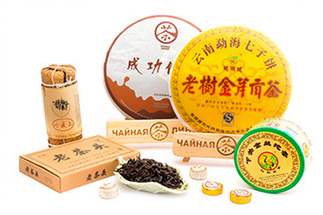
Over time, some consumers who are part of the country's "tea elite" discover mainland Chinese tea. And only a few get acquainted with Taiwanese varieties. The path of a tea person is usually long and thorny, but ultimately it leads to the King of Teas - puer. But not everyone is able to go all the way from ordinary teas to puer and appreciate its qualities.
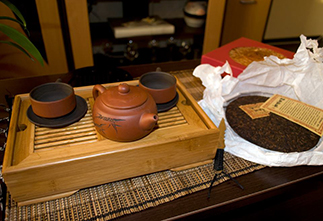
The tea ceremony holds a special place in the centuries-old Eastern tradition. While its essence remains constant, the nature and external manifestations of the tea ceremony vary among different cultures. Each Chinese province has its own distinct tea ceremony and tea used: for example, residents of the southern provinces prefer green tea, while those in the northern provinces prefer red tea. Oolong tea is more commonly used in Fujian Province, while Pu'er tea is widely known in Yunnan Province.


