







-
0 Saturation
-
0 Aftertaste
-
0 Aroma
-
0 Effect
-
0 Balance
-
0 Body
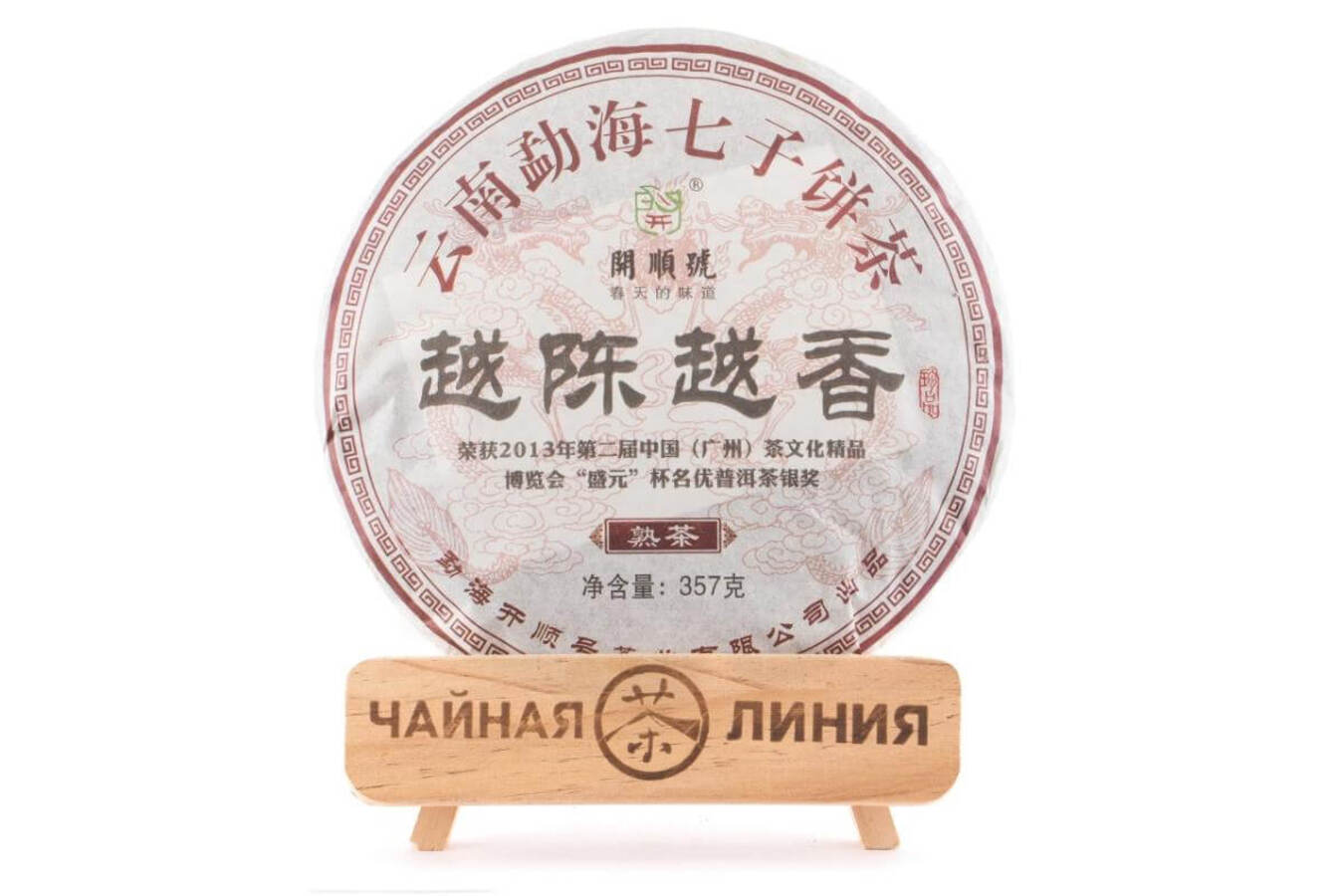
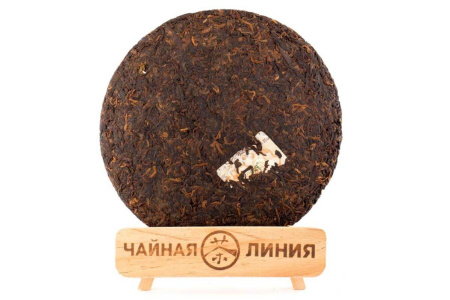
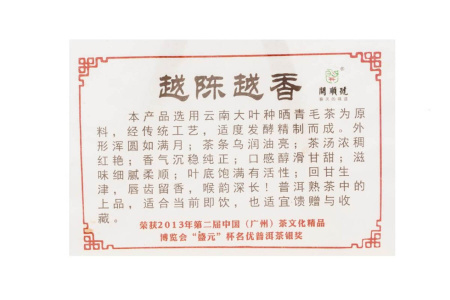
Shu Pu'er 2019 "The Older, the More Fragrant" from Kaishunhao: A Treasure of Time
A classic of the genre with deep taste
The 2019 Shu Pu'er "The Older, the More Fragrant" from the renowned Kaishunhao brand is a true masterpiece of tea art. Like an aged wine, this tea only improves with age, revealing ever new facets of its flavor and aroma.
What's special about this tea?
- Origin: The tea leaves for this pu-erh are collected in the best tea regions of China, where nature has generously endowed the tea bushes with all the conditions necessary for creating high-quality pu-erh.
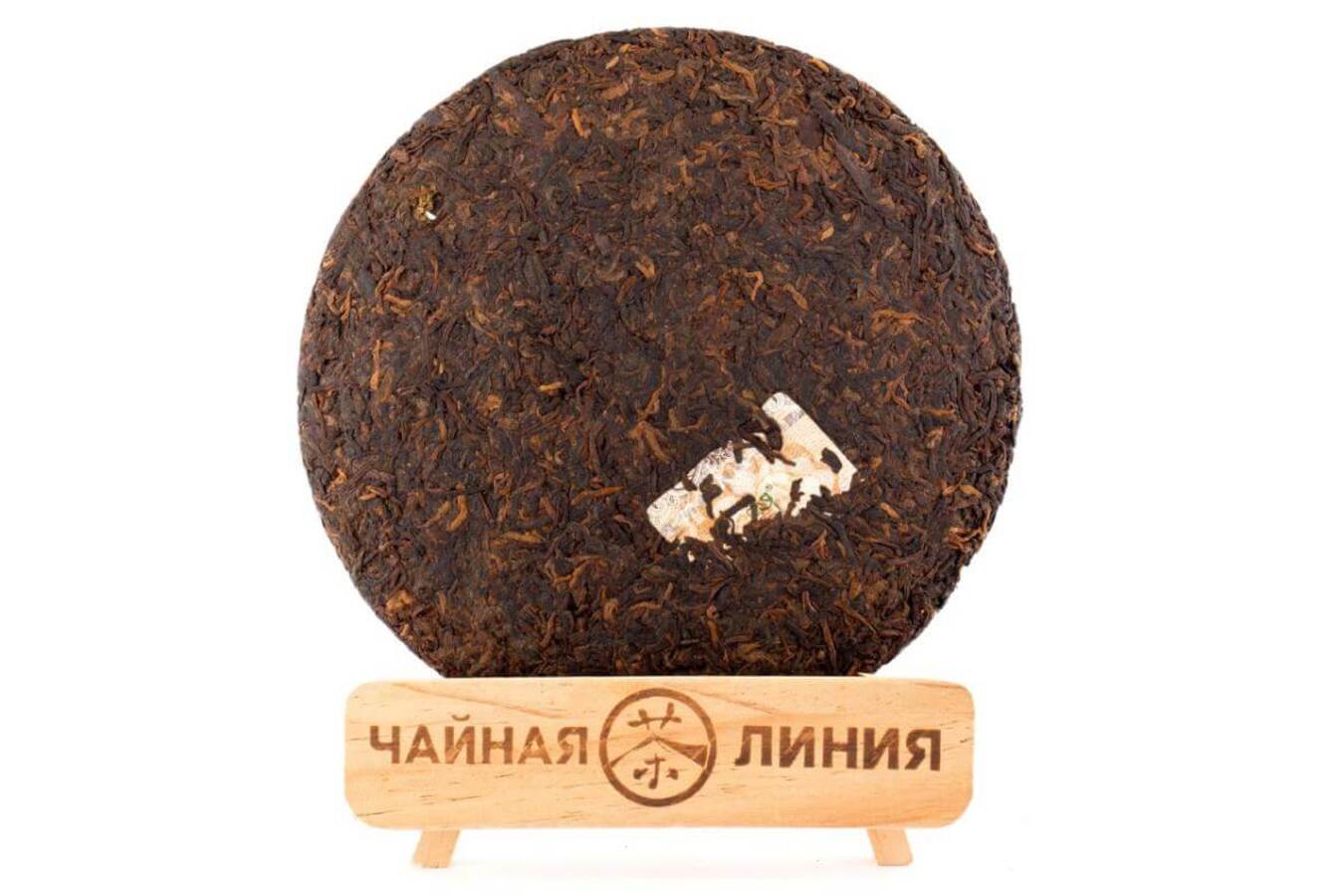
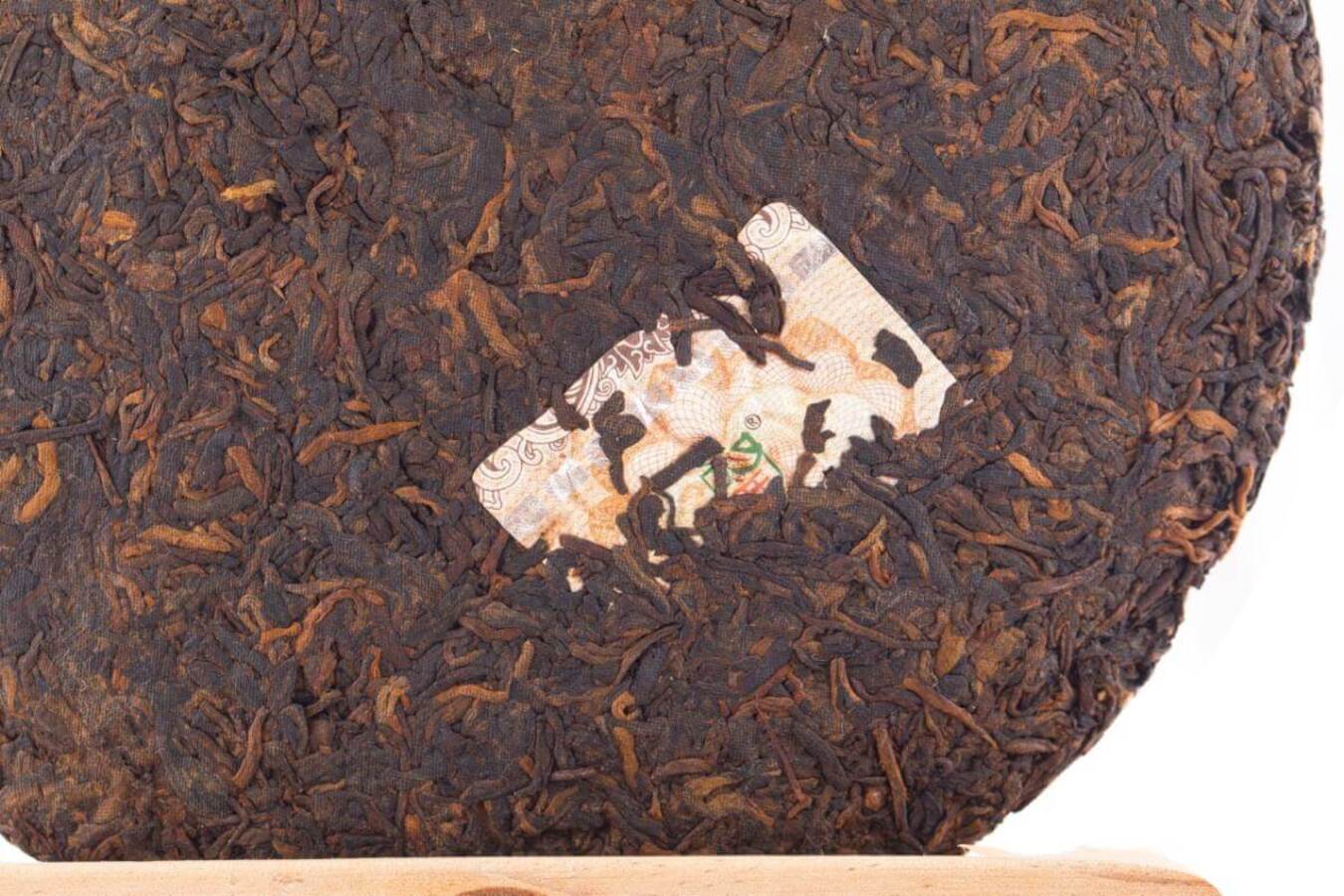
- Processing: The tea undergoes traditional shu pu-erh processing, which includes artificially accelerating the fermentation process. This gives the tea a soft, rounded flavor and a rich, dark brown color.
- Taste: The flavor of this pu-erh is a symphony of nuances. You'll find notes of dried fruit, nuts, wood, and earth. With each passing year, the flavor becomes more complex and harmonious.
- Aroma: The tea's aroma is rich, with predominantly woody and earthy notes. With each infusion, it develops a richer and more complex flavor.
- Effect: Shu Pu-erh has a warming effect, improves digestion, strengthens the immune system and promotes relaxation.
Why should you try this tea?
- High Quality: Kaishunhao brand is famous for its high quality products.
- Investment in the future: Shu pu-erh only gets better with time, so it can be considered a long-term investment.
- Unique taste: The taste of this tea is constantly evolving, and each new brew brings new discoveries.
- Beneficial properties: Shu pu-erh is not only a tasty but also a healthy drink.
How to brew?
To fully appreciate this tea's potential, it's recommended to use a gaiwan or chahai. The water temperature for brewing should be around 95°C. Steeping time depends on your preference, but typically ranges from 5 to 10 seconds for the first infusion and increases with each subsequent infusion.
Kaishunhao's 2019 Shu Pu'er "The Older, the More Fragrant" is more than just a tea; it's a treasure that only grows more valuable with age. This tea will make a wonderful addition to your tea collection and offer an unforgettable taste experience.
|
Country
|
Китай |
|
District
|
Xishuangbanna Dai Autonomous Prefecture |
|
Provinces
|
Юньнань (云南) |
|
Manufacturer
|
Кайшуньхао (开顺号) |
|
Date of raw material production
|
2019 |
|
Pressing form
|
Бин Ча (блин) |
|
Declared weight, g
|
357 |
|
Fermentation method
|
In heaps |
|
Size
|
20x20x2 |
|
Length, cm
|
20 |
|
Width, cm
|
20 |
- Reviews
- Vkontakte
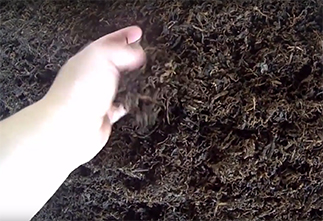
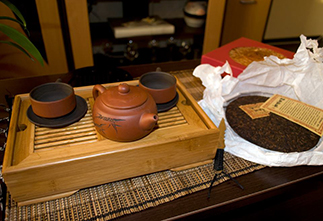

Traveling through the tea mountains, we found ourselves in another land of blue roofs - the village of Zhongcai, which is located in the Menghai district of Yunnan province. According to tradition, we were shown another local tea tree, which, according to the Chinese, is at least a million years old :) The village is very authentic, not designed for tourists, there are many wild pu-erhs there and, of course, we were warmly received. They treated us to local cuisine and tea. We also asked the residents about the prices of tea and how they have changed in recent years.
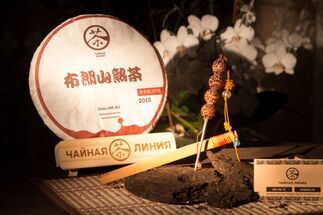
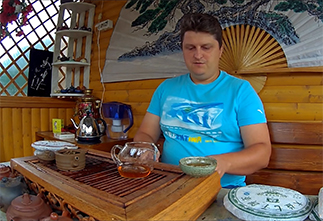
The tea ceremony holds a special place in the centuries-old Eastern tradition. While its essence remains constant, the nature and external manifestations of the tea ceremony vary among different cultures. Each Chinese province has its own distinct tea ceremony and tea used: for example, residents of the southern provinces prefer green tea, while those in the northern provinces prefer red tea. Oolong tea is more commonly used in Fujian Province, while Pu'er tea is widely known in Yunnan Province.


