





-
0 Saturation
-
0 Aftertaste
-
0 Aroma
-
0 Effect
-
0 Balance
-
0 Body
But there are drinks that go beyond the usual and become real discoveries.
They surprise, inspire and make you believe that taste has infinitely many facets.


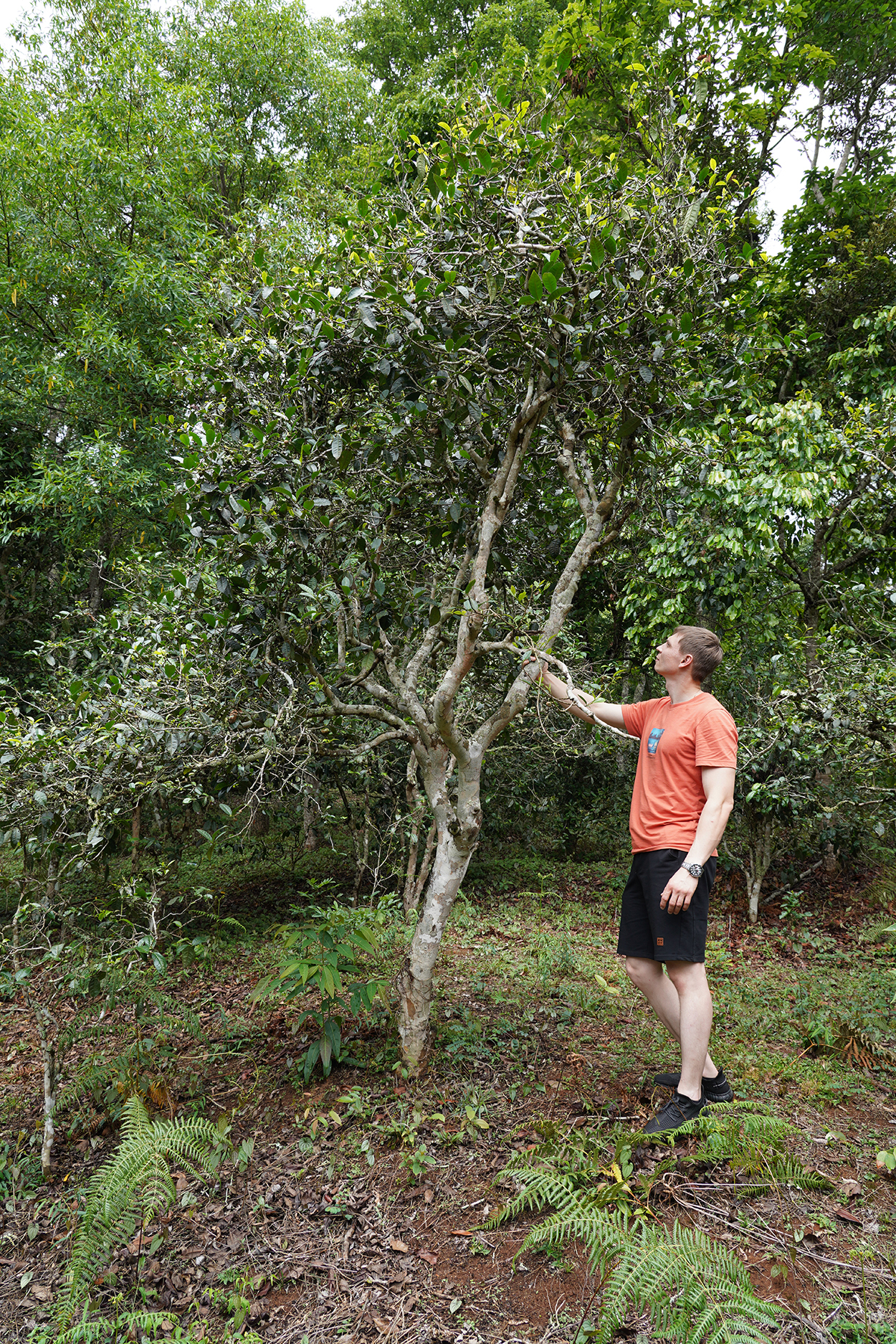
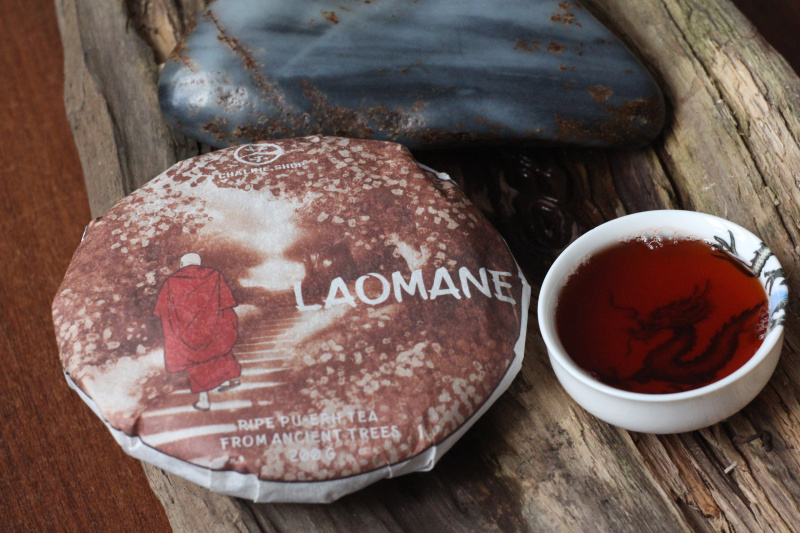
Now a little history. In the spring of 2025, we flew to Yunnan Province, China, to search for raw materials for our new Pu-erhs. For the "PROSECCO SHU" Shu Pu-erh from the "Tea Line" brand, we used raw materials collected from ancient wild Lao Shu tea trees, over 400 years old.
The area is incredibly environmentally friendly, with no fertilizers or pesticides used. The entire production process, from leaf picking to fermentation, is done entirely by hand.


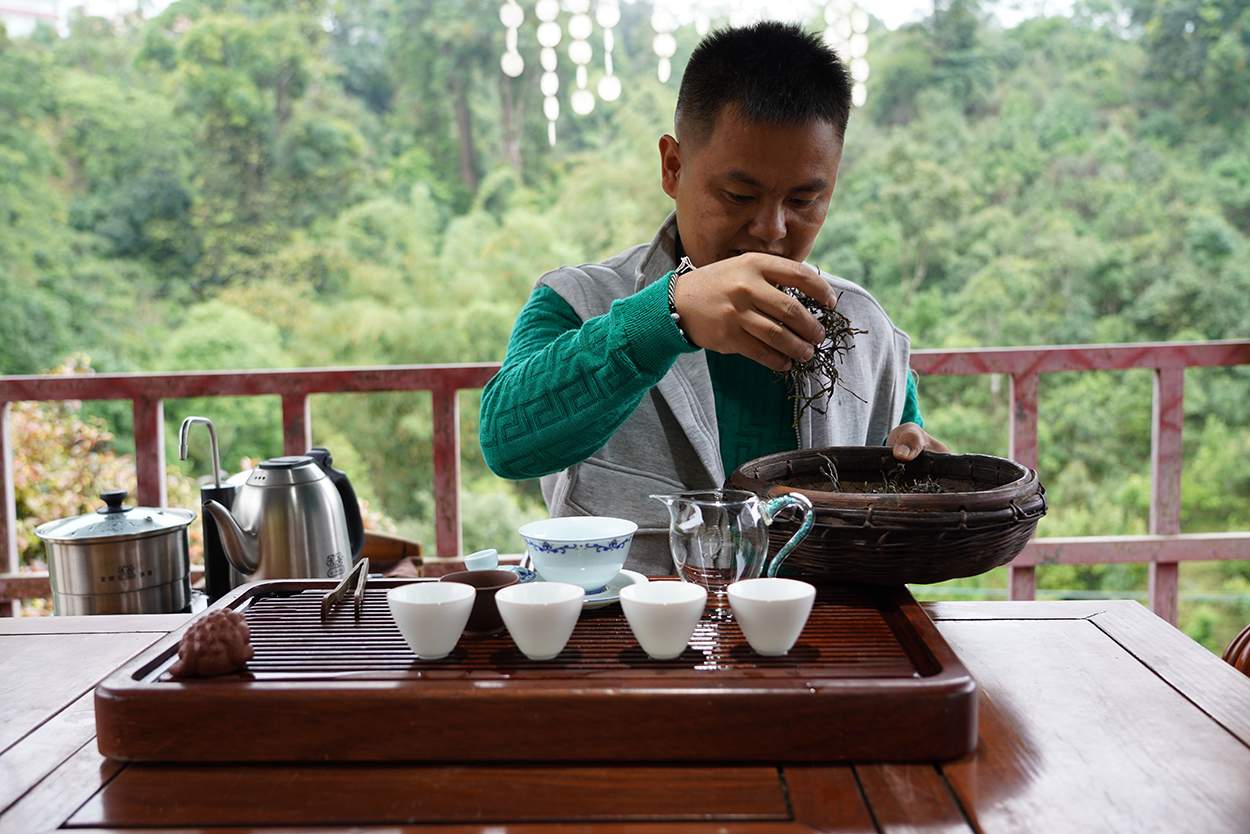
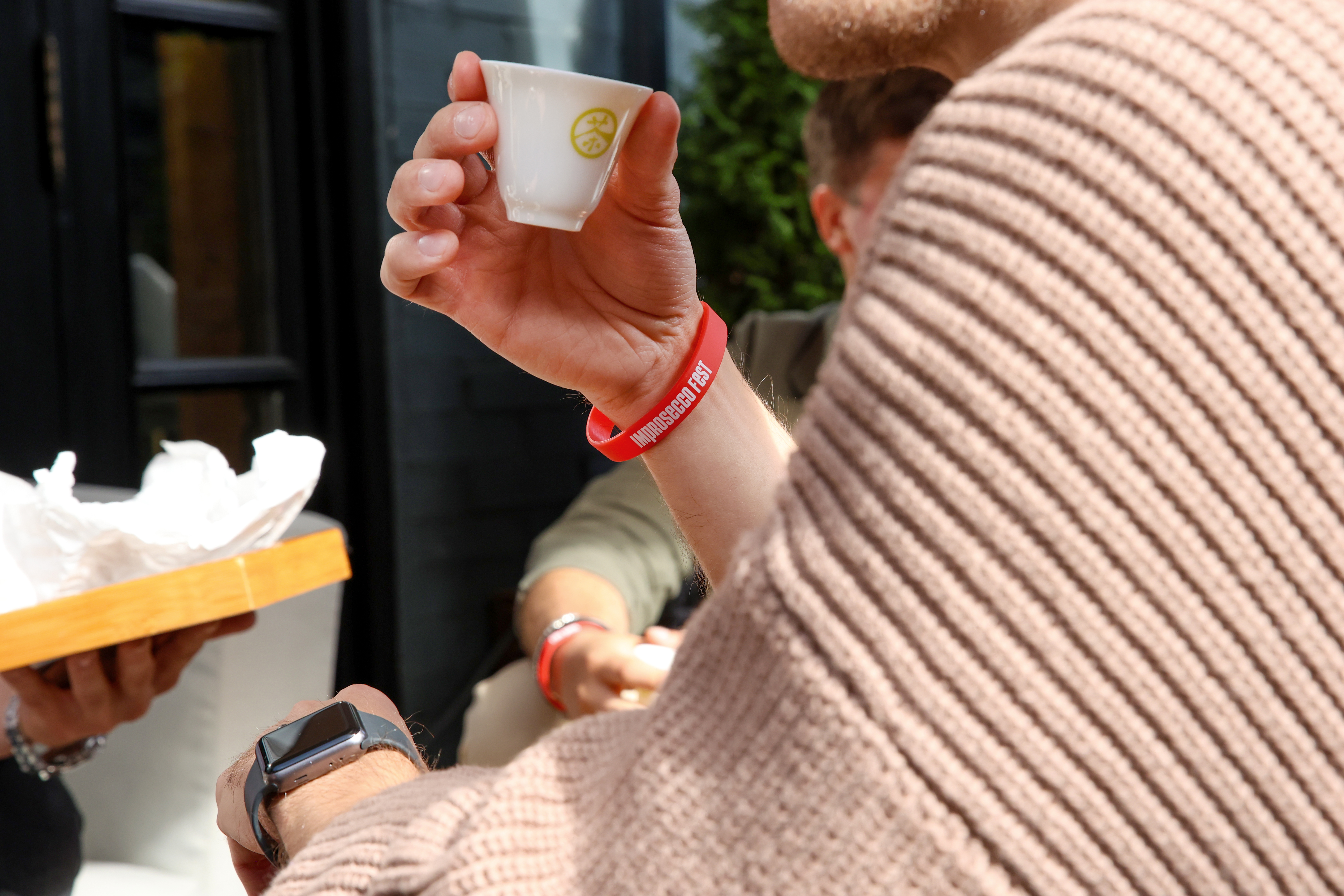
"PROSECCO SHU" 200g Shu Pu-erh from ancient tea trees by "Chaynaya Liniya" is our collaboration with the comedy improv label "Prosecco Show." The cover of the pancake features the 5 rules of improvisation.
On September 14, 2025, the presentation of this pancake took place at the ImProseccoFest improvisation festival in Moscow.


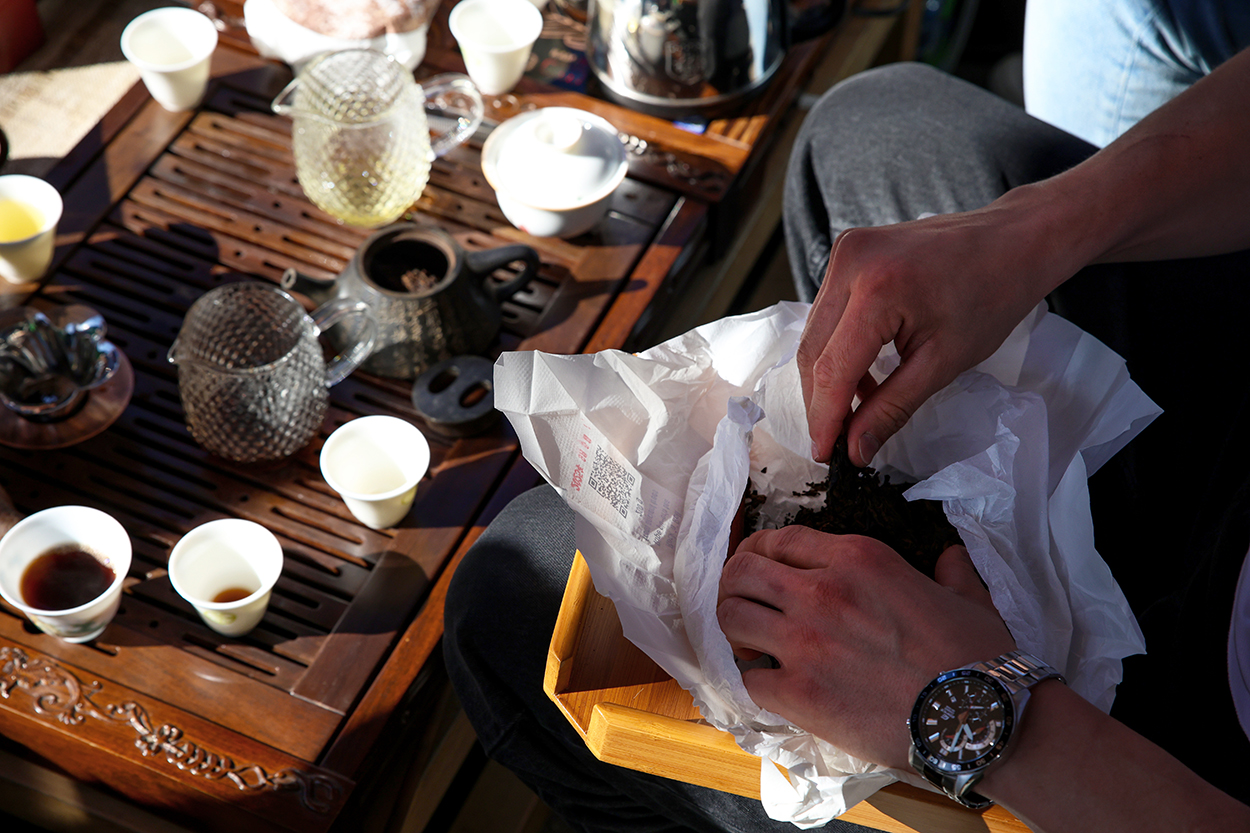
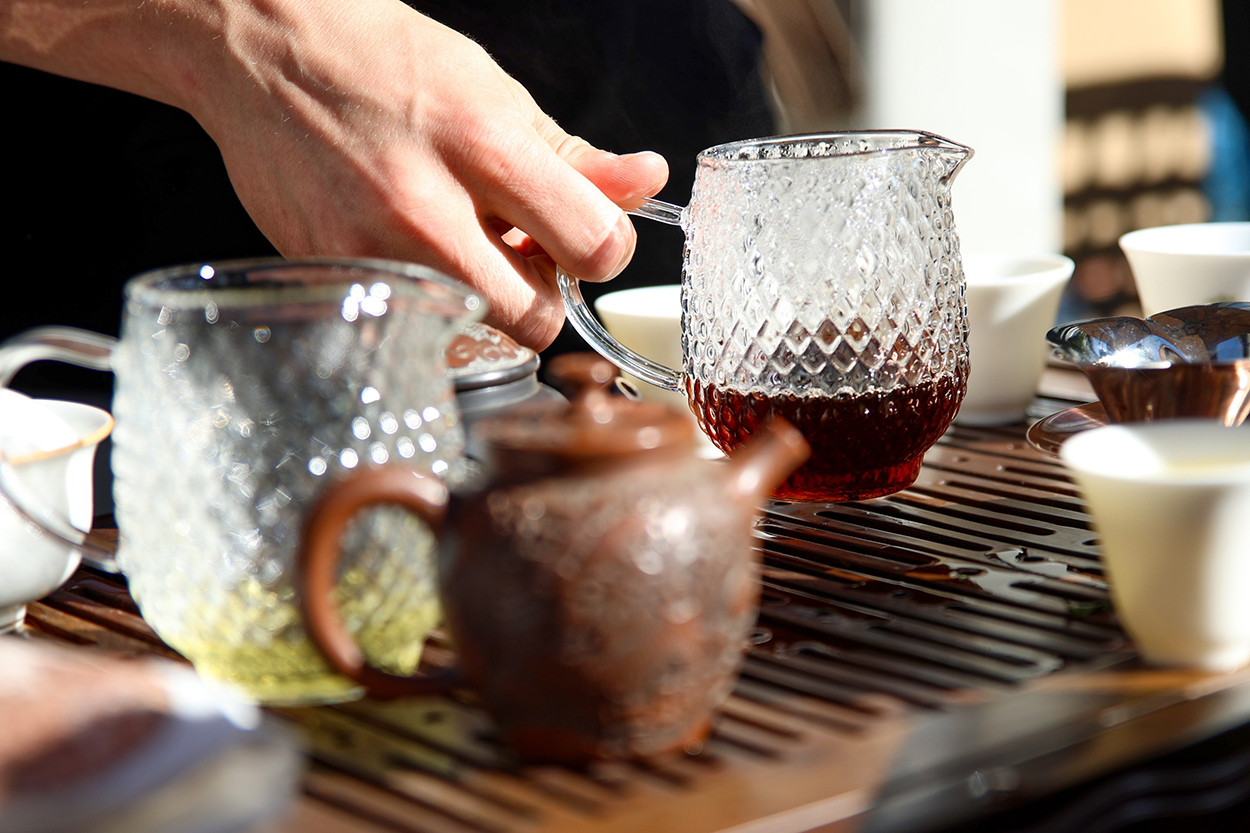
Follow the Prosecco Show team on social media: Telegram , VKontakte

|
Country
|
Китай |
|
Manufacturer
|
ООО "Чайная Линия" |
|
Pressing form
|
Бин Ча (блин) |
|
Fermentation method
|
With a lift-off from the ground |
|
Type of tea raw material
|
Large trees (100-300 years) |
- Reviews
- Vkontakte
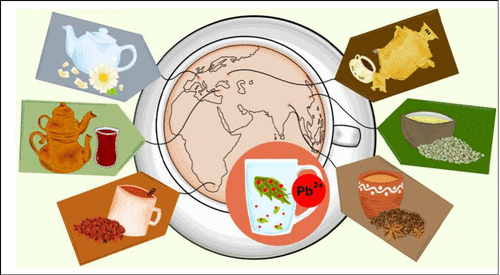
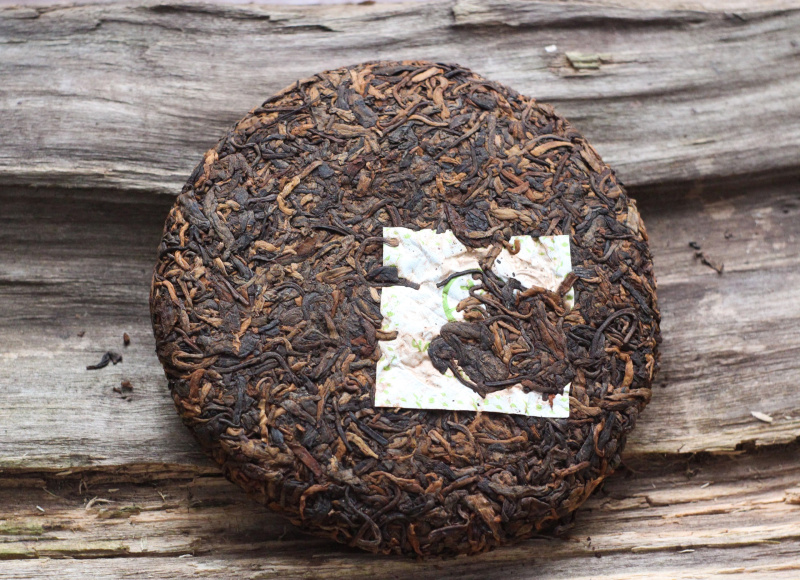
Pu-erh is one of the most unique types of tea, which only gets better with age. Many people, when they first encounter this tea, wondered: why is pu-erh more often found in pressed form (cakes, bricks, tochas), and not in loose form? The reasons for this are related to both history and the practical aspects of storing and fermenting tea. Despite modern technologies that allow the production of loose pu-erh, the shape of pressed cakes remains unchanged. And pu-erh is more often found on sale in pressed form, for example, in the form of cakes or bricks, and loose pu-erh is less common. We will talk about the reasons for pressing pu-erh into cakes in this article.
Puer is a unique Chinese tea that is distinguished by its depth of taste, complexity of aromas and versatility of aftertaste. Its taste characteristics are formed under the influence of many factors, from growing conditions to the brewing method. Let's look at the main ones.
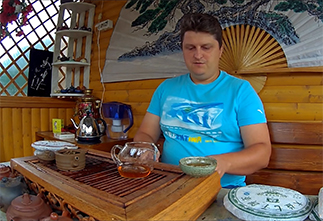
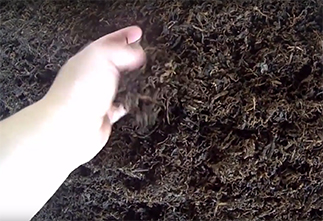
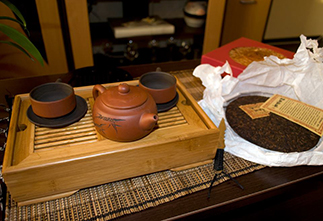
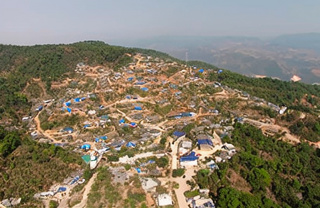
Traveling through the tea mountains, we found ourselves in another land of blue roofs - the village of Zhongcai, which is located in the Menghai district of Yunnan province. According to tradition, we were shown another local tea tree, which, according to the Chinese, is at least a million years old :) The village is very authentic, not designed for tourists, there are many wild pu-erhs there and, of course, we were warmly received. They treated us to local cuisine and tea. We also asked the residents about the prices of tea and how they have changed in recent years.
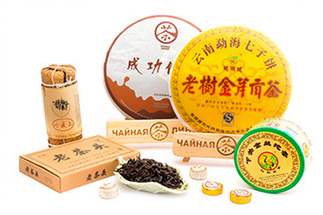
Over time, some consumers who are part of the country's "tea elite" discover mainland Chinese tea. And only a few get acquainted with Taiwanese varieties. The path of a tea person is usually long and thorny, but ultimately it leads to the King of Teas - puer. But not everyone is able to go all the way from ordinary teas to puer and appreciate its qualities.
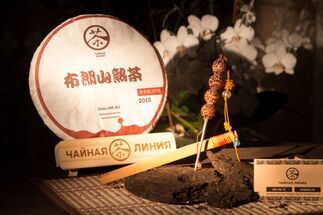
The tea ceremony holds a special place in the centuries-old Eastern tradition. While its essence remains constant, the nature and external manifestations of the tea ceremony vary among different cultures. Each Chinese province has its own distinct tea ceremony and tea used: for example, residents of the southern provinces prefer green tea, while those in the northern provinces prefer red tea. Oolong tea is more commonly used in Fujian Province, while Pu'er tea is widely known in Yunnan Province.


