



-
0 Saturation
-
0 Aftertaste
-
0 Aroma
-
0 Effect
-
0 Balance
-
0 Body
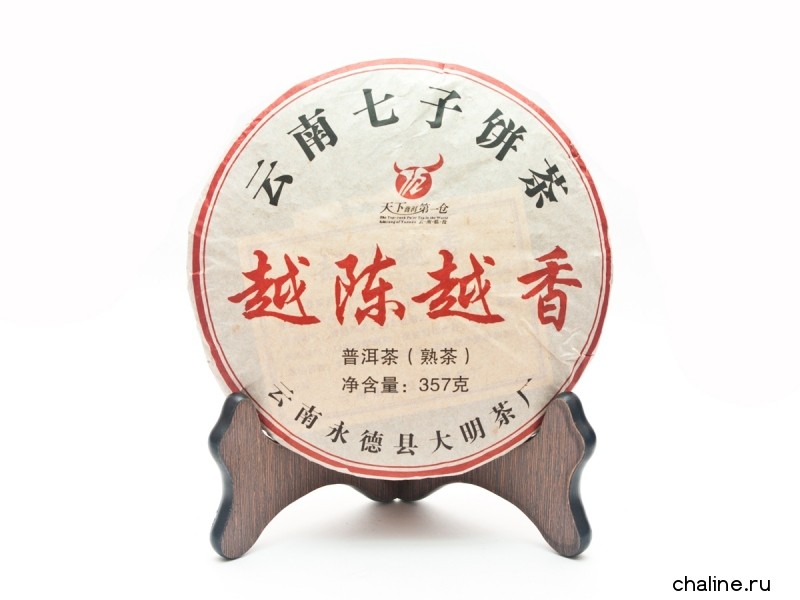
Shu Pu'er 2013 "Aged Aroma" Daming Yunde plant, pancake 357 g
Name: "Aged Aroma" *
* Literal phrase: "the older, the more aromatic"
Whale. 越陈越香, pinyin yuè chén yuè xiāng
Claimed weight: 357 grams.
Production date: 2013.
Raw materials: large-leaf raw tea.
Manufacturer: Daming Yunde tea factory (Chinese: 永德县大明茶厂, pinyin yŏngdé xiàn dàmíng cháchăng).
Origin: Yongde County (Chinese: 永德县, pinyin yǒngdé xiàn), Lincang Urban District (Chinese: 临沧, pinyin líncāng), Yunnan Province (Chinese: 云南, Pinyin: yúnnán).
Source: official information from the manufacturer.
The tea's name suggests that pu-erh teas, like fine wines, can be aged for years to develop their best flavor and aroma. Even now, the tea offers a soft, rich taste with a refreshing aftertaste.
First published on December 16, 2014.
Copyright © Chaline.Ru
|
Country
|
Китай |
|
District
|
Lincang Prefectural District |
|
Date of raw material production
|
2013 |
|
Declared weight, g
|
357 |
- Reviews
- Vkontakte
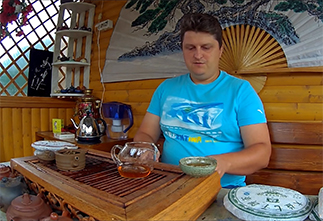
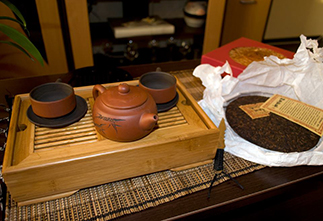
The question often arises: how to brew puerh correctly? Sometimes the phrase "to get high" is added to it. Moreover, everyone has their own understanding of this phrase. Some mean vigor, and some - intoxication. So how to brew puerh tea correctly? Let's consider several options.
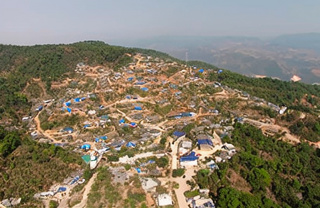
Traveling through the tea mountains, we found ourselves in another land of blue roofs - the village of Zhongcai, which is located in the Menghai district of Yunnan province. According to tradition, we were shown another local tea tree, which, according to the Chinese, is at least a million years old :) The village is very authentic, not designed for tourists, there are many wild pu-erhs there and, of course, we were warmly received. They treated us to local cuisine and tea. We also asked the residents about the prices of tea and how they have changed in recent years.
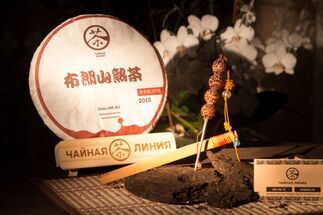
The tea ceremony occupies a special place in the centuries-old Eastern tradition. And although the essence of this phenomenon remains constant, the nature and external manifestations of the tea ceremony in different nations have their own national characteristics. In each Chinese province, the tea ceremony and the tea used in it are varied: for example, residents of the southern provinces prefer green tea, and residents of the northern provinces - red tea, in Fujian province they more often use Oolong tea, and in Yunnan province Puer tea is widely known.


