




-
0 Saturation
-
0 Aftertaste
-
0 Aroma
-
0 Effect
-
0 Balance
-
0 Body
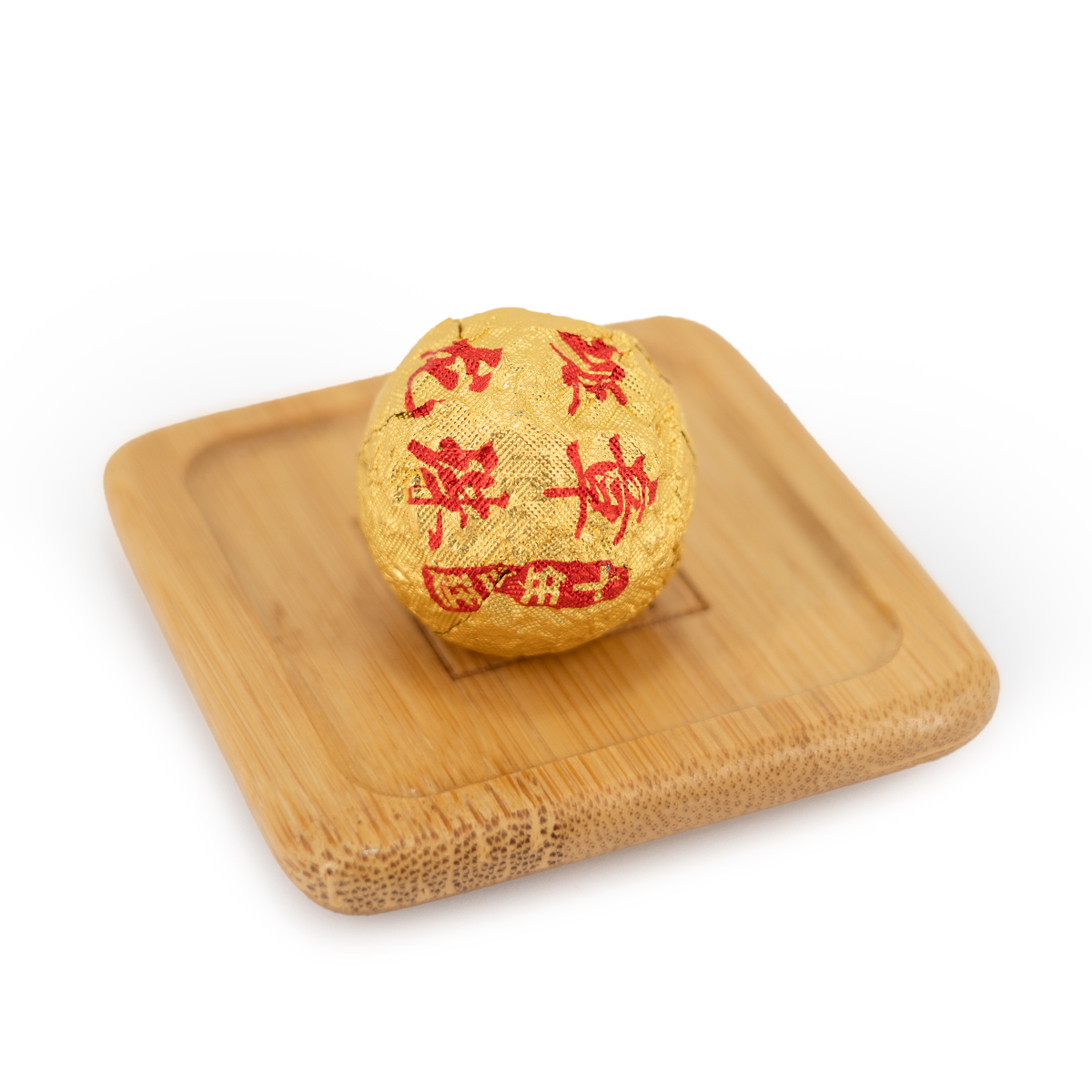
Banzhang Longzhu (班章龙珠): Kaishunhao's shu pu'er in dragon pearl format
In the world of Chinese pu-erh tea, names often carry deep meaning, denoting origin, quality, or form. Shu pu-erh "Banzhang Longzhu" (班章龙珠, Bān zhāng lóngzhū) from the producer Kaishunhao (开顺号, Kāi shùn hào) is a prime example. It combines the prestigious name of the legendary Banzhang tea region, the classic profile of shu pu-erh obtained by heap fermentation, and the convenient Longzhu (dragon pearl) pressing form. Kaishunhao presents this product as aimed at pu-erh connoisseurs seeking both the quality associated with the renowned terroir and the ease of brewing.
The Legendary Banzhang (班章, Bān zhāng )
Banzhang is the name of a village and the surrounding mountainous region in Menghai County, Yunnan Province. This region is considered one of the most prestigious and expensive sources of pu'er tea. Tea from Banzhang, especially sheng pu'er, is renowned for its power, complexity, distinctive bitterness, and quick, sweet finish (huigan). The use of the name "Banzhang" for shu pu'er implies that high-quality tea from this renowned region was used in its production. Although the fermentation process of shu pu'er (vodui) significantly alters the leaf's original character, the use of high-quality tea from Banzhang should impart to the finished shu pu'er a distinctive density, depth, and potential for complex flavor development.
Shu Pu'er - fermentation in heaps (Wodui -渥堆, Wò duī )
This tea is classified as Shu Pu'er, meaning it has undergone an accelerated post-fermentation process known as "Wò duī" (渥堆, Wò duī) – fermentation in wet piles. It is this technique, as indicated by the "pile" method, that gives Shu Pu'er its characteristic features:
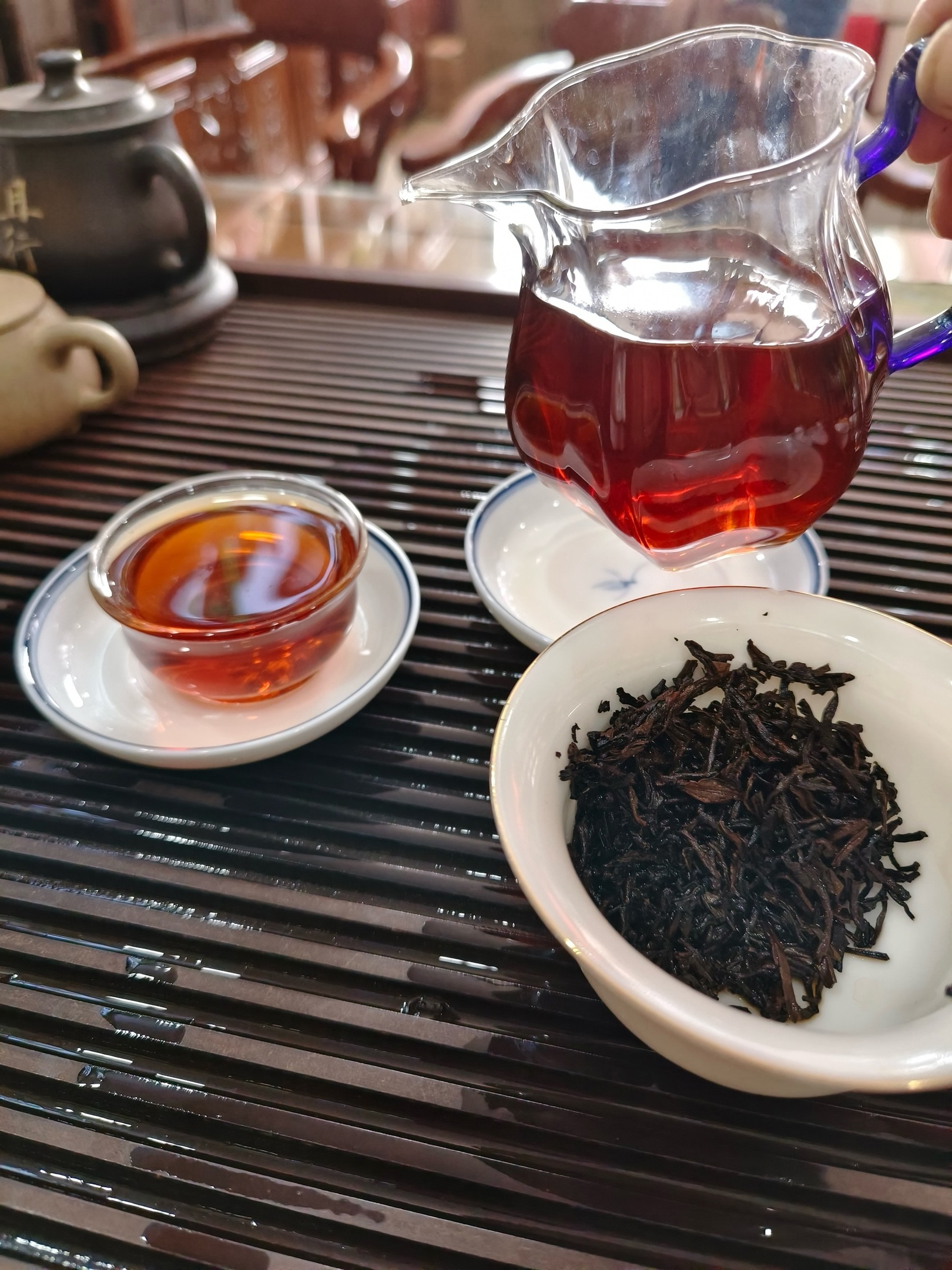
- Dark, almost black color of dry leaf and infusion.
- Smooth, soft, enveloping taste without harsh bitterness.
- A deep, often earthy, woody, nutty or sweet aroma.
Longzhu format (龙珠, Lóngzhū ) – “Dragon Pearl” 5 grams each
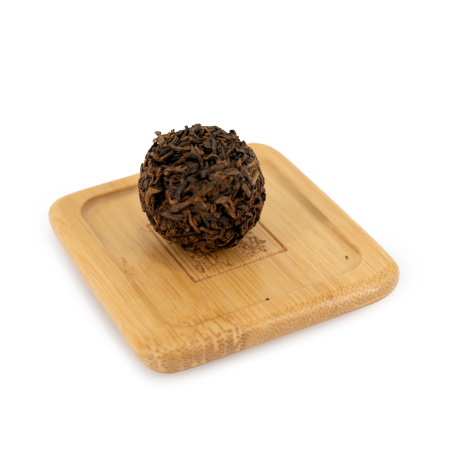
A distinctive feature of this product is its pressing method – Longzhu (龙珠, Lóngzhū), or "Dragon Pearl." The tea leaves are carefully rolled by hand or machine into small, dense balls. Each ball weighs 5 grams, making it the perfect size for a single brew. This format is extremely convenient:
- Does not require a special knife or awl for puer.
- Easy to dose the tea leaves.
- Convenient to take with you on trips or to work.
Taste and aroma
- Aroma: Rich, deep, with predominant woody-nutty and sweetish date notes. The earthiness is refined, without any unpleasant undertones.
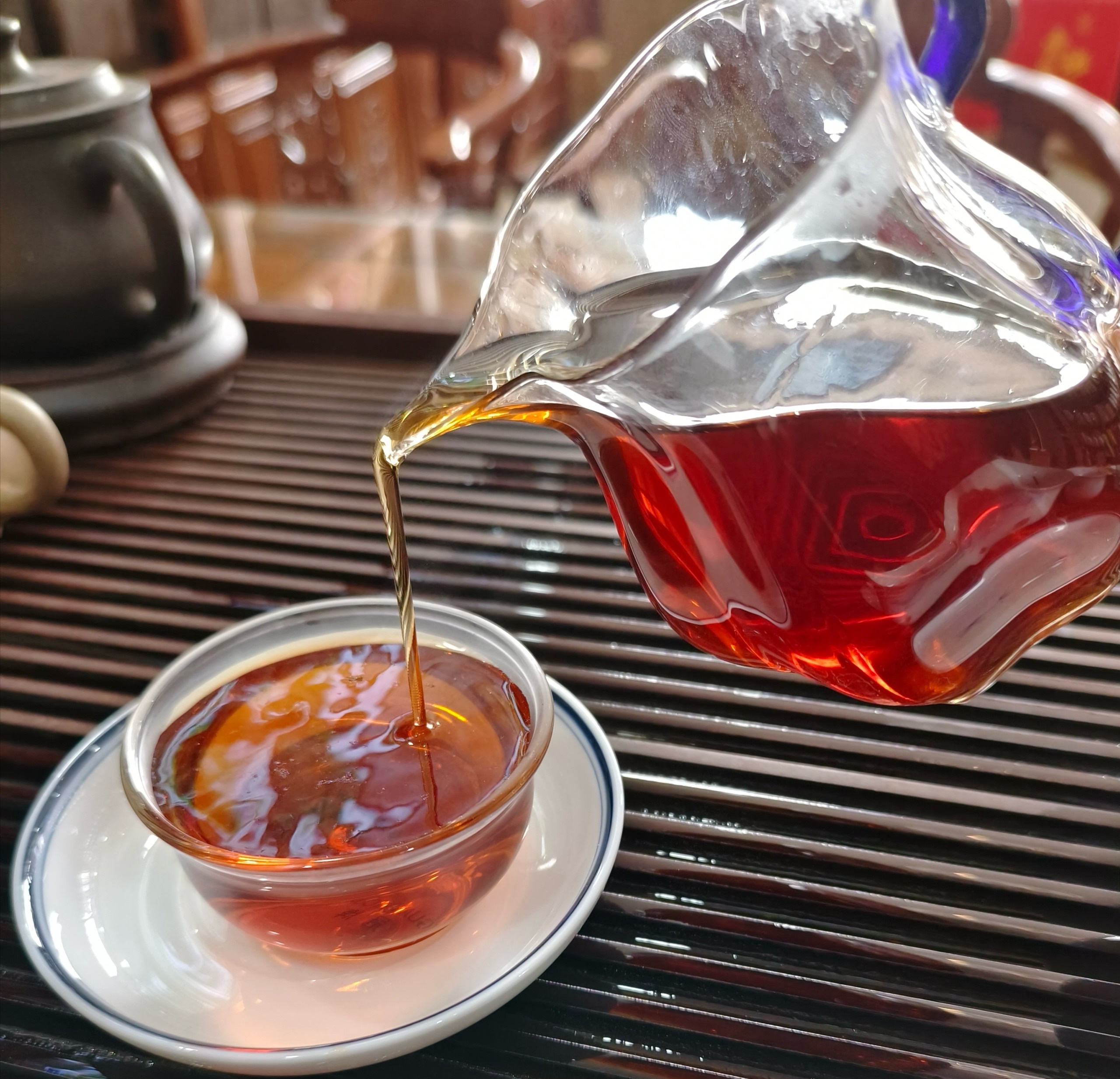
- Taste: Very smooth, dense, and oily. Dominant notes of old wood, nuts (walnuts, almonds), dark chocolate, and cocoa. Pleasant and noticeable sweetness. A long, warming finish.
Brewing recommendations
Thanks to the Longzhu format, brewing is as simple as possible:
- Take one "pearl" (5 grams).
- Place it in a gaiwan, a small teapot or teapot (capacity ~100-150 ml).
- Rinsing: Pour boiling water (95-100°C) over the ball and drain immediately. Repeat the rinsing process once more to ensure the leaf opens properly.
- Brewing: Pour boiling water over the tea again and steep in short infusions. Start with 10-15 seconds, gradually increasing the time with each subsequent infusion. The tea can withstand multiple infusions.
Kaishunhao's Banzhang Longzhu Shu Pu'er is an intriguing combination of prestigious Banzhang raw materials, the soft and deep character of shu pu'er, and the exceptional convenience of the Dragon Pearl format. It's an excellent choice for those seeking a tea associated with the legendary Banzhang terroir in an accessible and easy-to-brew format, as well as for experienced pu'er lovers who value comfort without compromising on the quality of the raw material.
|
Name in Chinese
|
班章龙珠 |
|
Pinyin
|
Bān zhāng lóngzhū |
|
Translation
|
Ban Zhang Long Zhu |
|
Country
|
Китай |
|
Provinces
|
Юньнань (云南) |
|
Manufacturer
|
Кайшуньхао (开顺号) |
|
Fermentation method
|
In heaps |
- Reviews
- Vkontakte
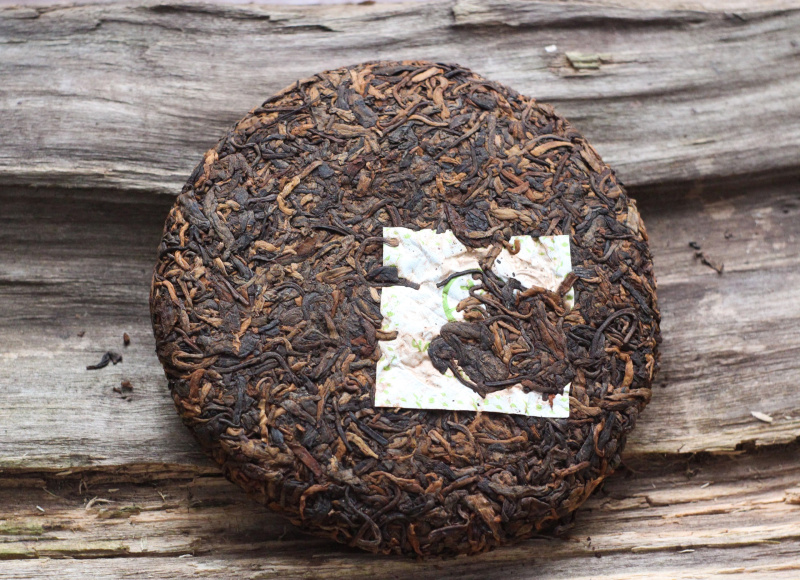
Pu-erh is one of the most unique types of tea, which only gets better with age. Many people, when they first encounter this tea, wondered: why is pu-erh more often found in pressed form (cakes, bricks, tochas), and not in loose form? The reasons for this are related to both history and the practical aspects of storing and fermenting tea. Despite modern technologies that allow the production of loose pu-erh, the shape of pressed cakes remains unchanged. And pu-erh is more often found on sale in pressed form, for example, in the form of cakes or bricks, and loose pu-erh is less common. We will talk about the reasons for pressing pu-erh into cakes in this article.
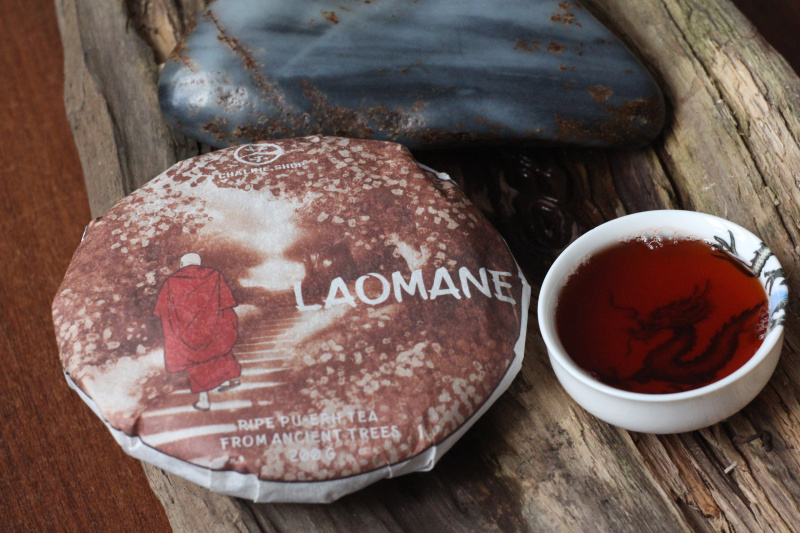
Puer is a unique Chinese tea that is distinguished by its depth of taste, complexity of aromas and versatility of aftertaste. Its taste characteristics are formed under the influence of many factors, from growing conditions to the brewing method. Let's look at the main ones.
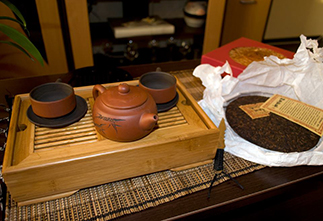

Traveling through the tea mountains, we found ourselves in another land of blue roofs - the village of Zhongcai, which is located in the Menghai district of Yunnan province. According to tradition, we were shown another local tea tree, which, according to the Chinese, is at least a million years old :) The village is very authentic, not designed for tourists, there are many wild pu-erhs there and, of course, we were warmly received. They treated us to local cuisine and tea. We also asked the residents about the prices of tea and how they have changed in recent years.
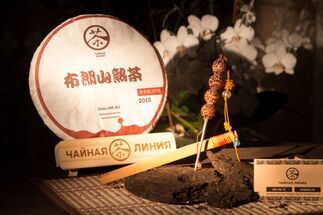
The tea ceremony holds a special place in the centuries-old Eastern tradition. While its essence remains constant, the nature and external manifestations of the tea ceremony vary among different cultures. Each Chinese province has its own distinct tea ceremony and tea used: for example, residents of the southern provinces prefer green tea, while those in the northern provinces prefer red tea. Oolong tea is more commonly used in Fujian Province, while Pu'er tea is widely known in Yunnan Province.


