





-
10 Saturation
-
10 Aftertaste
-
10 Aroma
-
10 Effect
-
10 Balance
-
10 Body
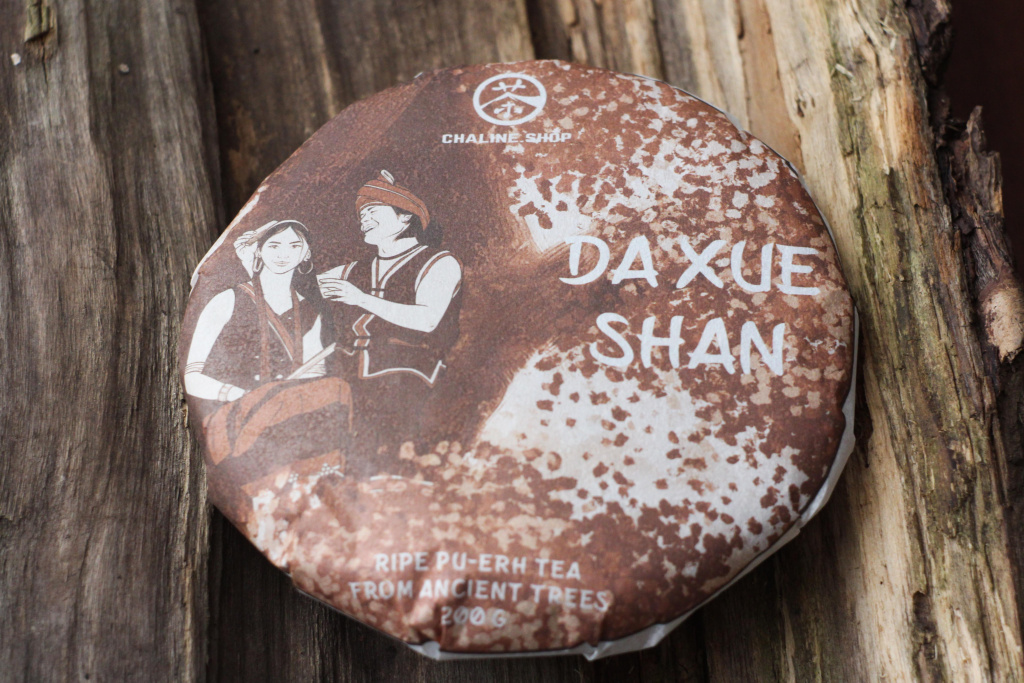
We purchased raw materials collected from ancient trees up to 200 years old in the Daxueshan Mountains (Chinese: 大雪山, pinyin: dàxuěshān), which rise majestically in Shuangjiang County, Mengku City. This raw material was processed into Sheng Pu'er.
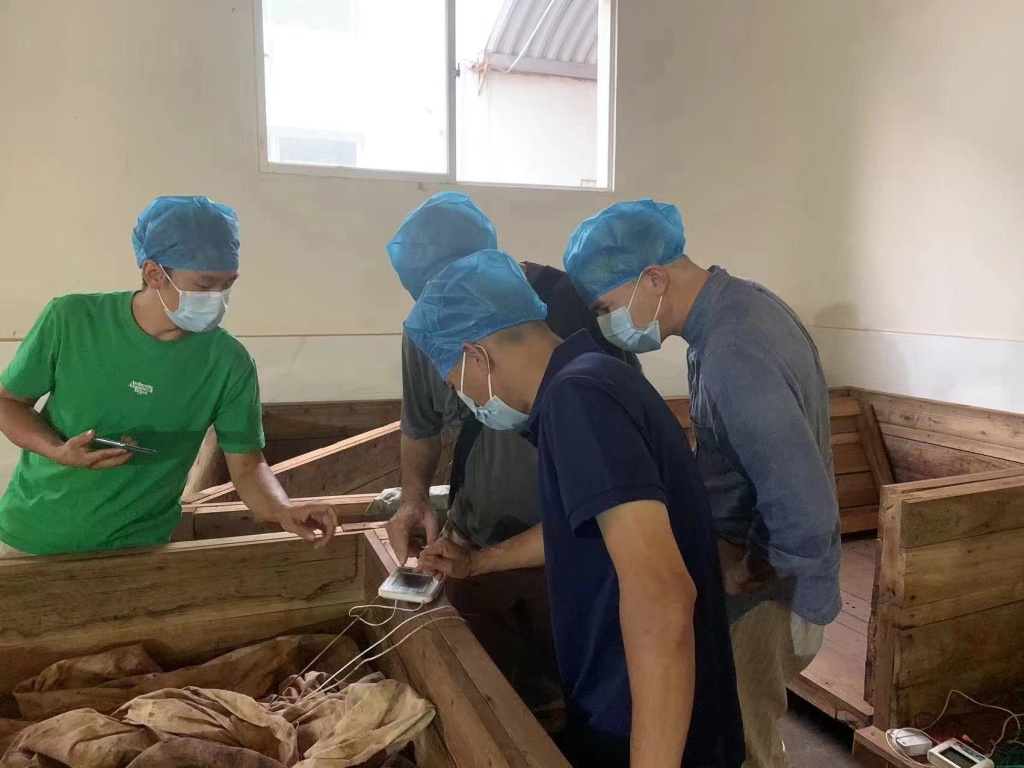
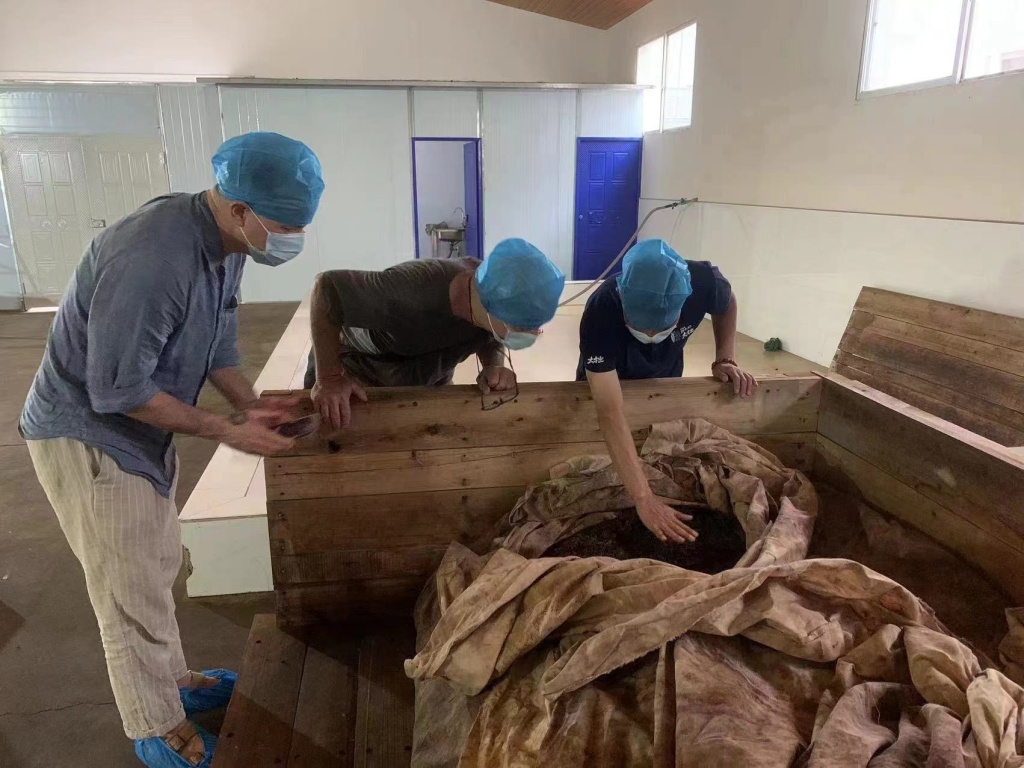
Next, we took the raw materials for fermentation to master Zhang Dechun (Chinese: 张德春, pinyin: zhāng déchūn), who has 19 years of experience fermenting shu pu'er. Mr. Zhang Dechun owns a small fermentation plant called Chunla Xiyan (Chinese: 春腊习验 pinyin: chūnlà xíyàn). Fermentation is carried out in small baskets (also known as lift-off fermentation).

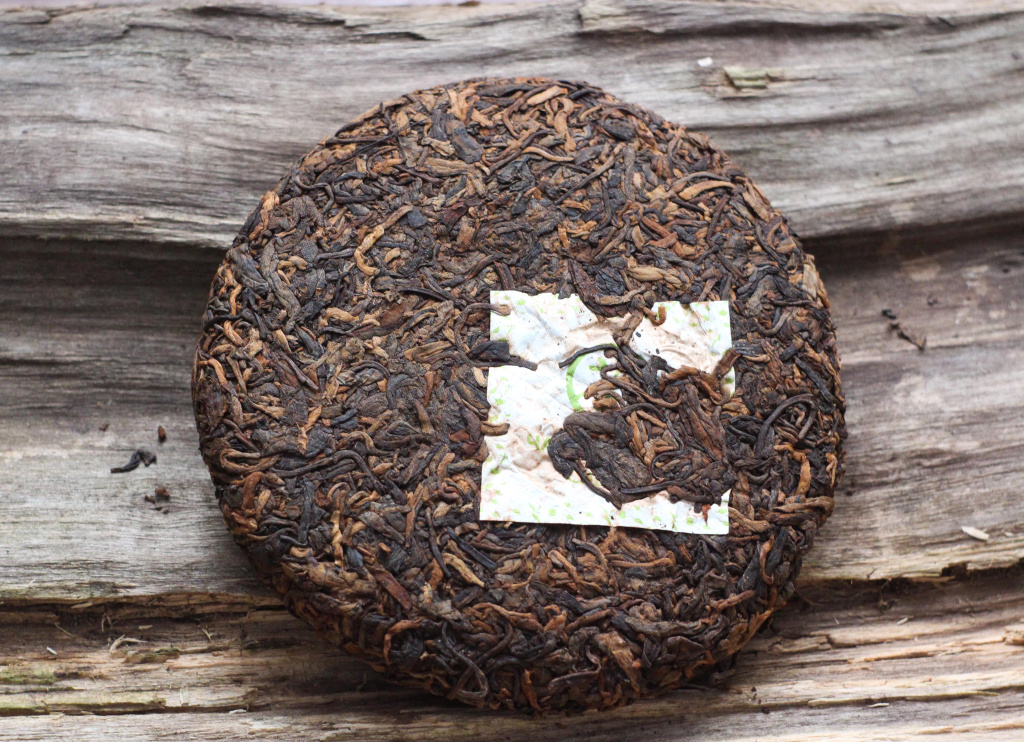
The flavor of the brewed tea is strong, full-bodied, and multifaceted. Notes of spices, nuts, wood resins, and meadow herbs are evident. This pu-erh tea creates a true tea experience, noticeably toning, clarifying, energizing, and invigorating.
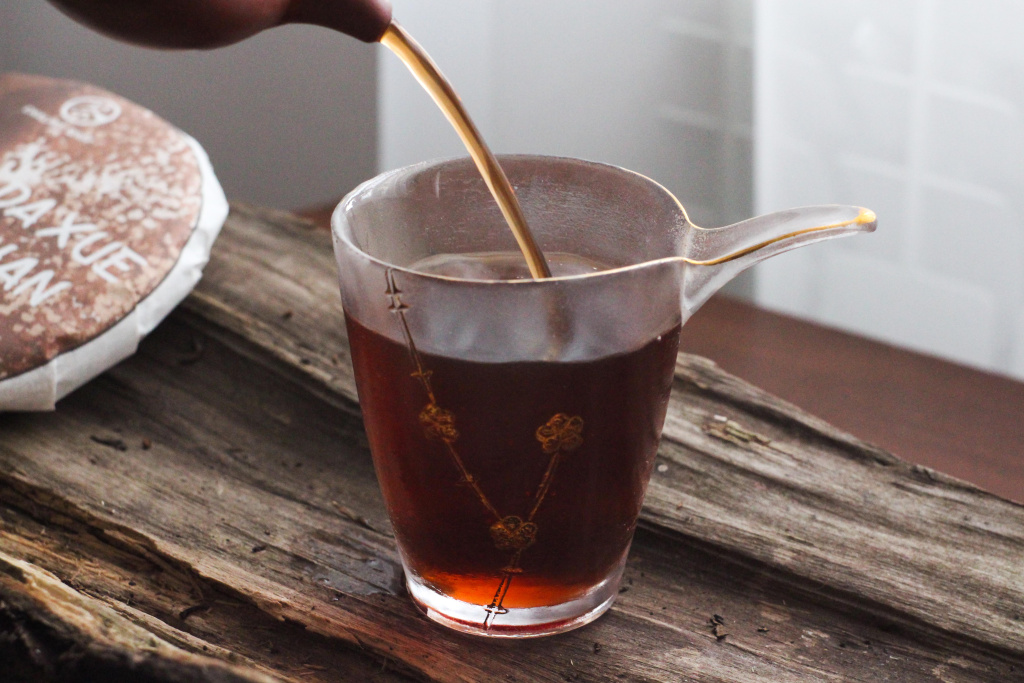
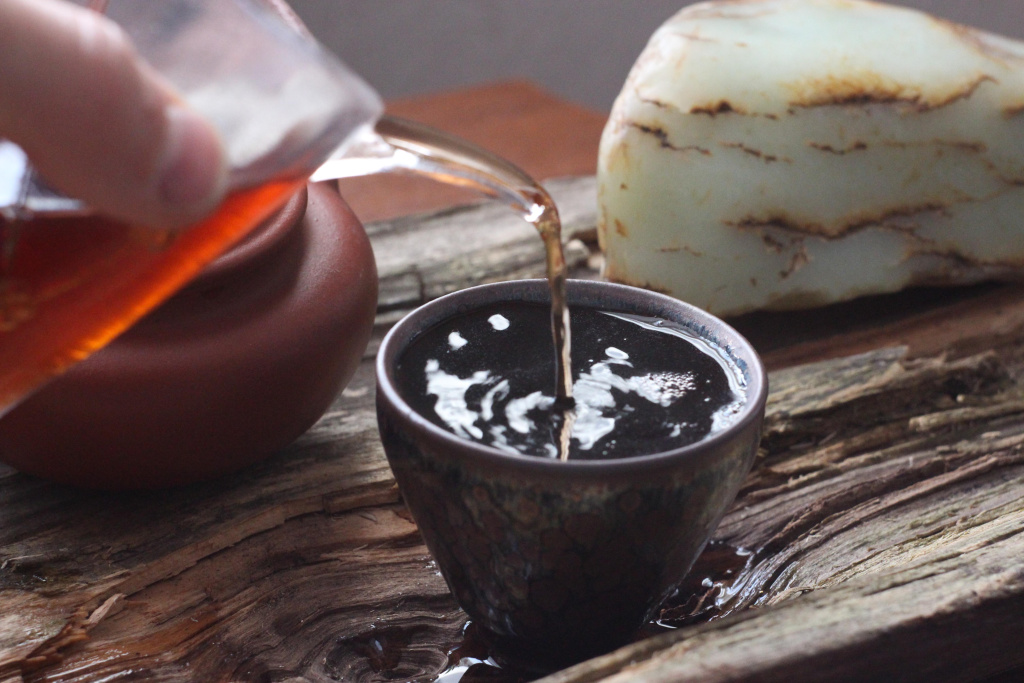
The tea infusion is clear and a captivating ruby-burgundy color.

An excellent example for a collection, a single-varietal, unblended Pu-erh. This tea has tremendous potential for storage and transformation over time.
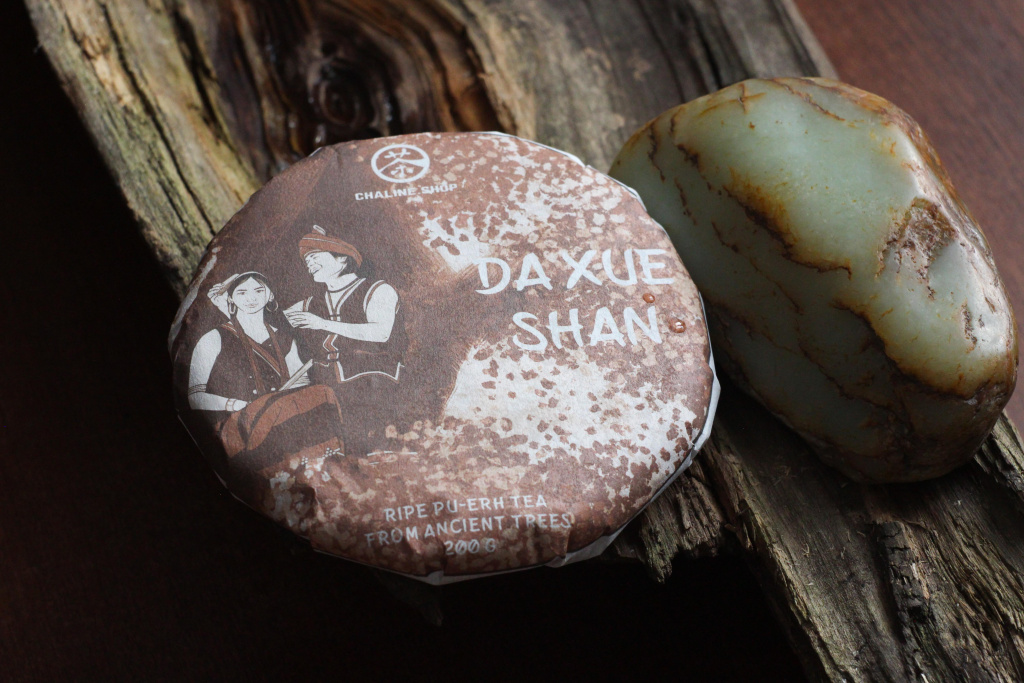
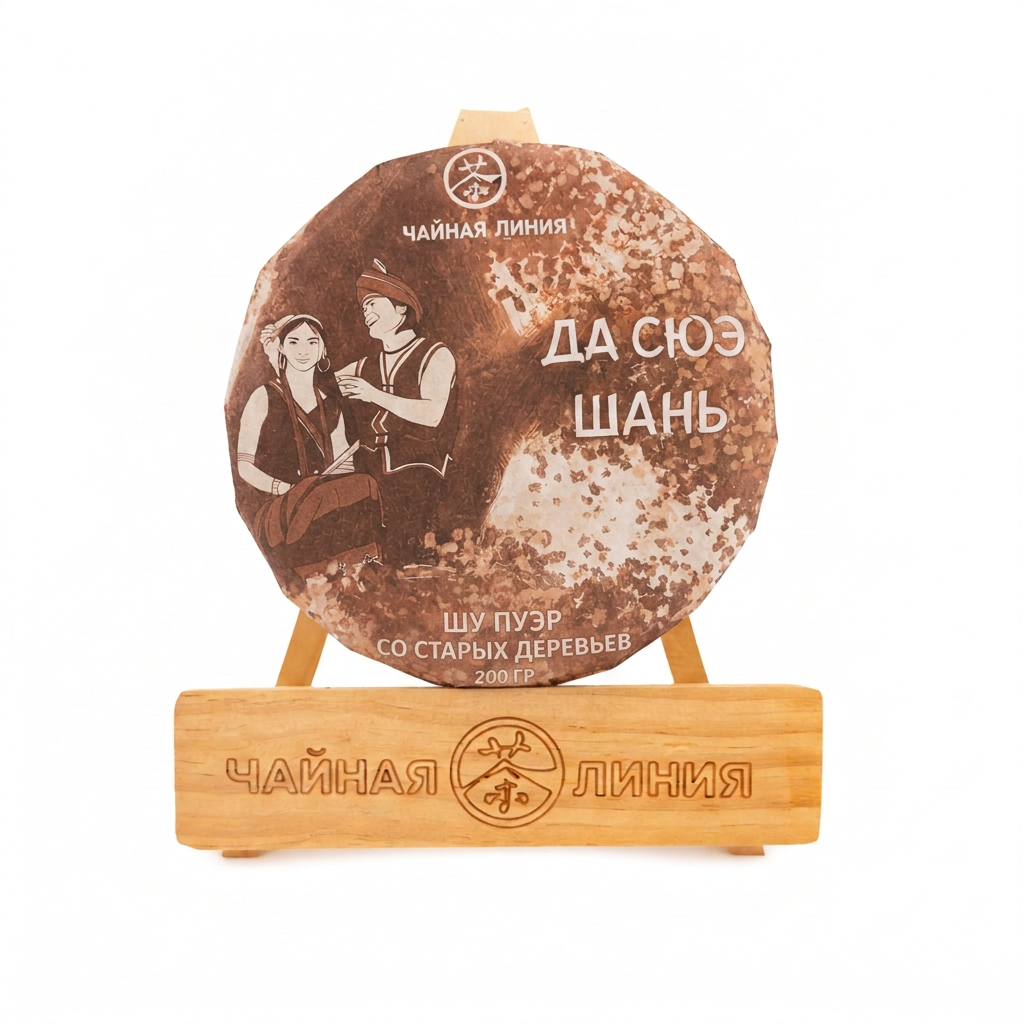
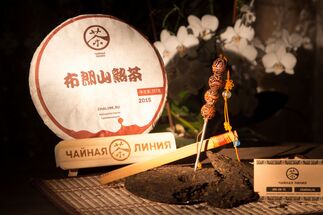
The cover features a Wa (Chinese: 佤族, pinyin: wǎzú) boy and girl sitting on an old tea tree on Mount Daxueshan.
|
English name
|
Ripe puerh tea 2024 from ancient trees Da Xue Shan, 200 g |
|
Country
|
China |
|
Provinces
|
Yunnan (云南) |
|
Habitat
|
Дасюэшань (大雪山, dàxuěshān) |
|
Manufacturer
|
ООО "Чайная Линия" |
|
Pressing form
|
Bing Cha (Cake Tea) |
|
Declared weight, g
|
200 |
|
Fermentation method
|
With a lift-off from the ground |
|
Type of tea raw material
|
Large trees (100-300 years) |
|
The tea is suitable.
|
for evening tea (calming), post-workout (recovery), to improve performance, to perk up (morning) |
|
Length, cm
|
160 |
|
Width, cm
|
160 |
- Reviews
- Vkontakte
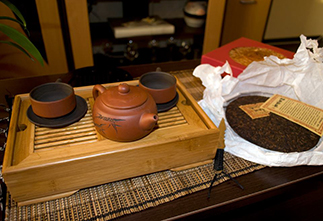
The tea ceremony holds a special place in the centuries-old Eastern tradition. While its essence remains constant, the nature and external manifestations of the tea ceremony vary among different cultures. Each Chinese province has its own distinct tea ceremony and tea used: for example, residents of the southern provinces prefer green tea, while those in the northern provinces prefer red tea. Oolong tea is more commonly used in Fujian Province, while Pu'er tea is widely known in Yunnan Province.
Need a consultation?
Our specialists will answer any question of interest


