





-
9 Saturation
-
9 Aftertaste
-
10 Aroma
-
10 Effect
-
10 Balance
-
8 Body
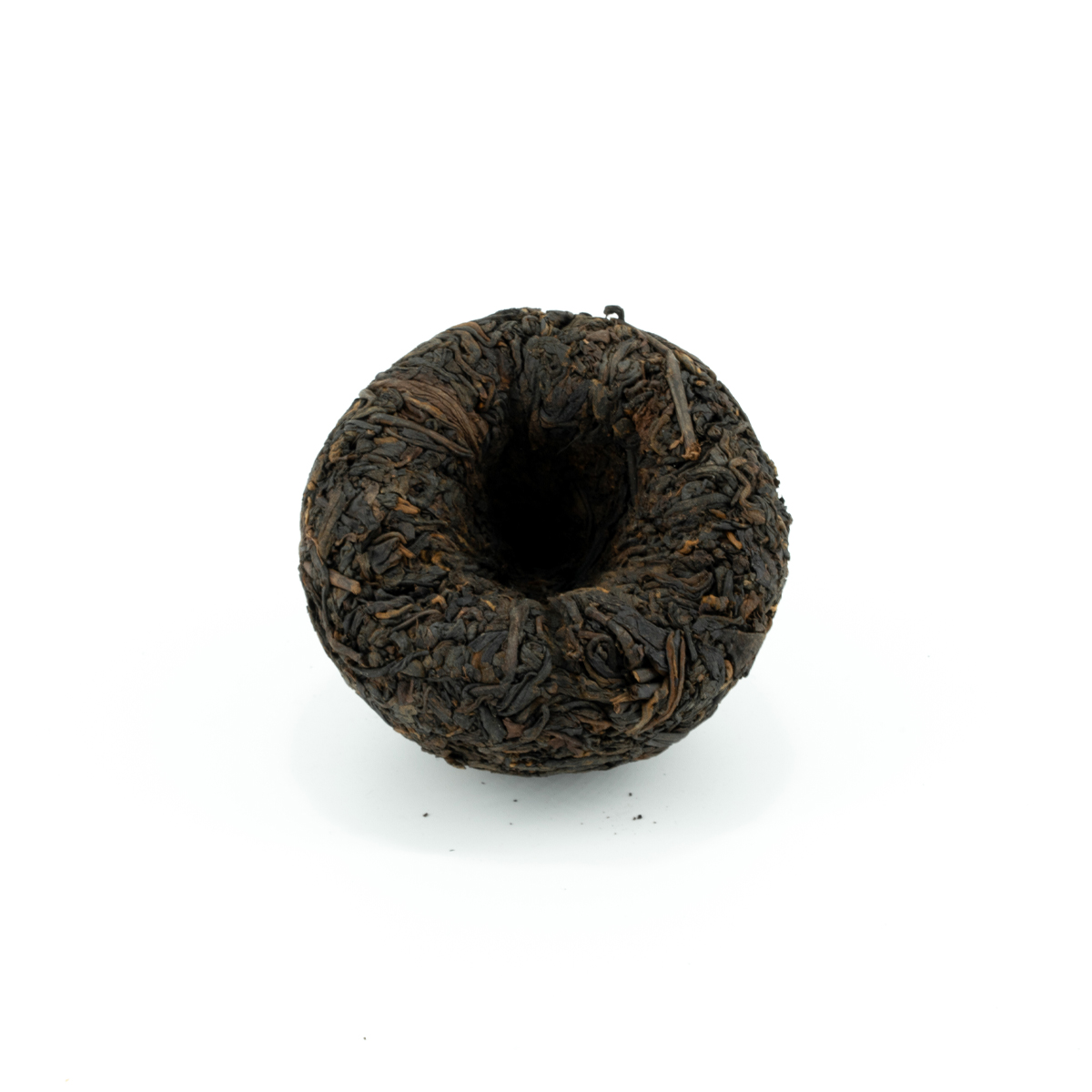
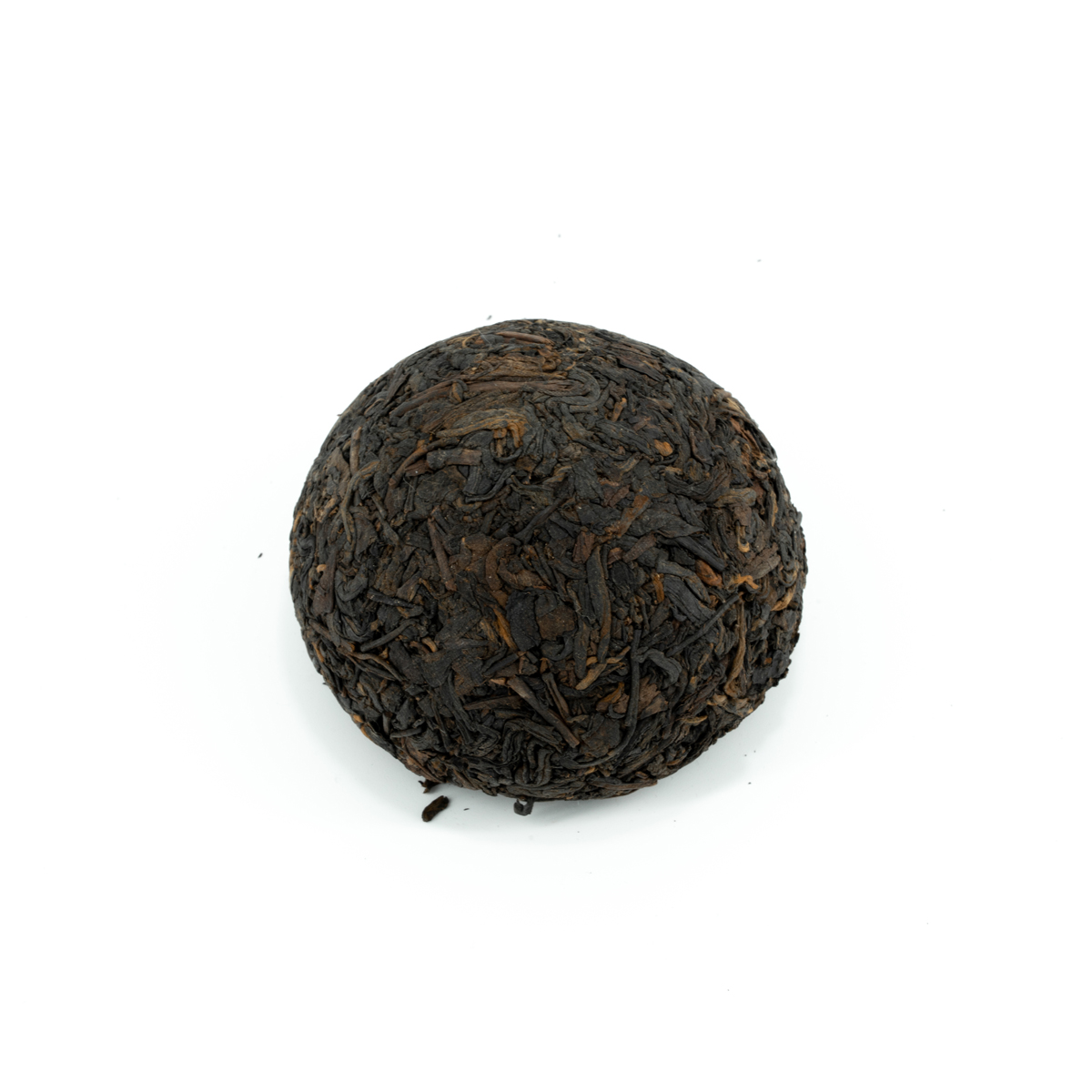
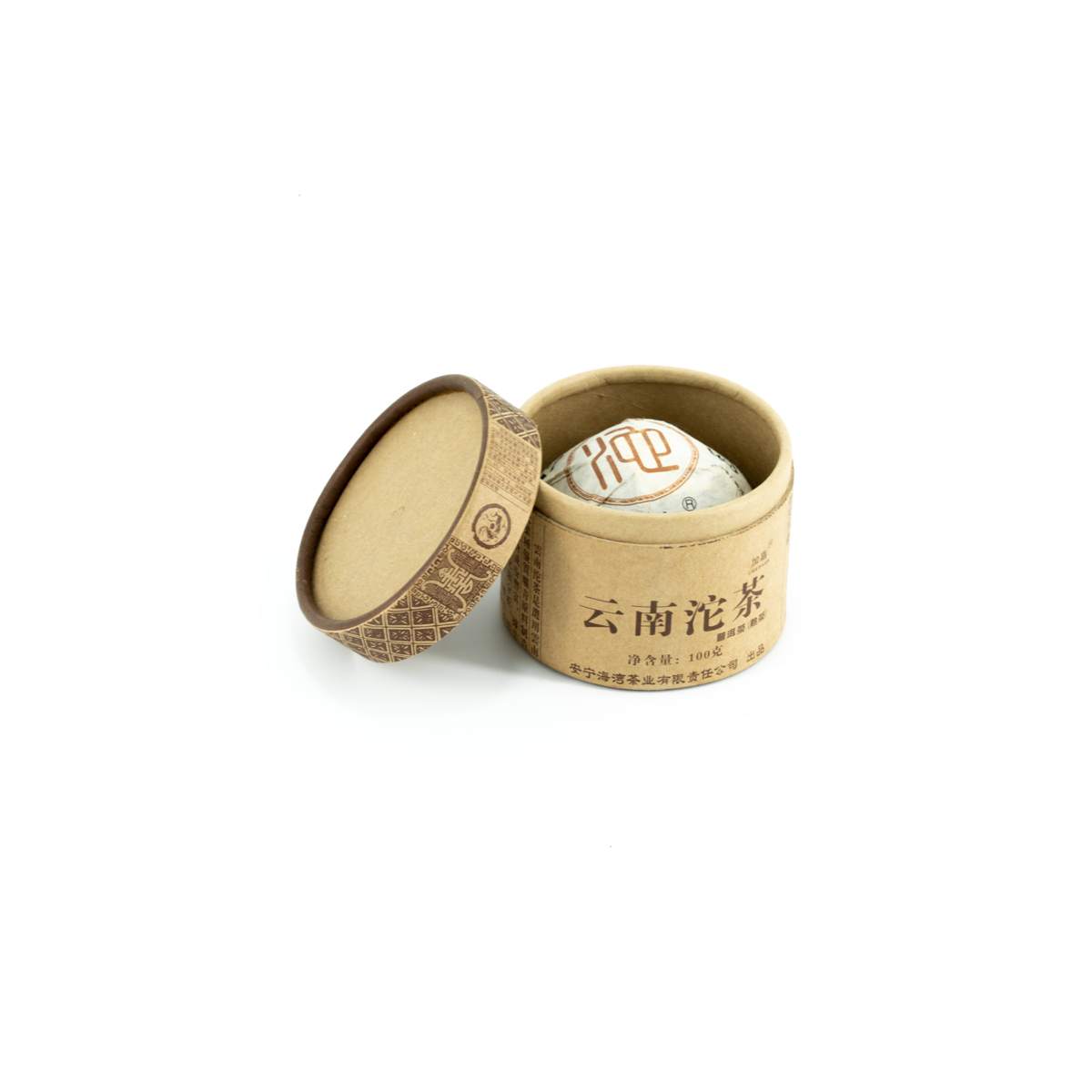
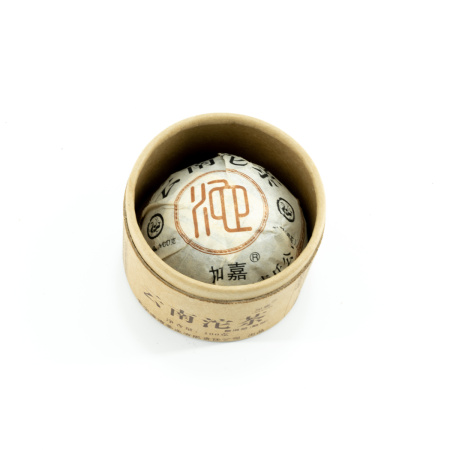
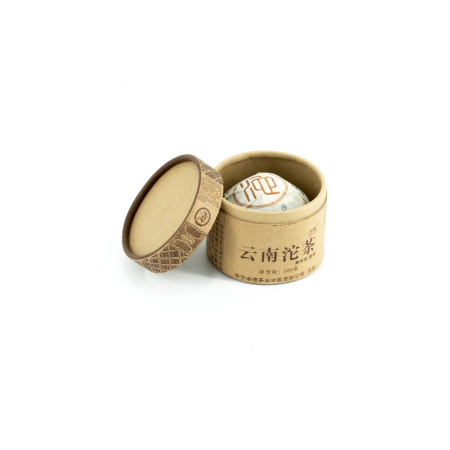
You take this tocha out of the box, and a mature, melodic, and slightly sweet aroma is already noticeable. When warmed by your breath, you can smell the aromas of dried herbs mixed with confectionery notes.
After washing, the aroma is delicate, rounded, and subtle, with notes of homemade chocolate, Turkish baklava, caramel, and ripe nuts.
The taste of brewed tea is very soft, delicate, and aristocratic. As the Chinese say, "Chun," which means pure, active, and complete, reminiscent of wine, the taste of alcohol (fine wine is also appreciated in China). The flavor is reminiscent of authentic Turkish halva, caramel, nuts, and the noble, incomparable note of well-aged pu-erh. Steeped, the tea retains its uniform flavor perfectly, with only woody tones and Georgian kozinaki added.
The aftertaste is long, sweetish-woody, with touches of boiled down sugar syrup.
The infusion is perfectly transparent with a ruby tint, slippery, slick, easily passing down the throat and pleasantly moisturizing it.
For brewing, you'll need a gaiwan or a good Yixing clay teapot. The ratio is 10 grams of tea per 100 ml, using quick steeps. At this ratio, pu-erh tea can withstand at least 10 full (!) steeps.
This pu-erh tea has a strong intoxicating effect, inducing a meditative state, calming, stopping time, and helping one see life from a distance. The flow of Qi (tea energy) can be felt throughout the body. By the end of the tea session, it gently invigorates, helping one feel rested.
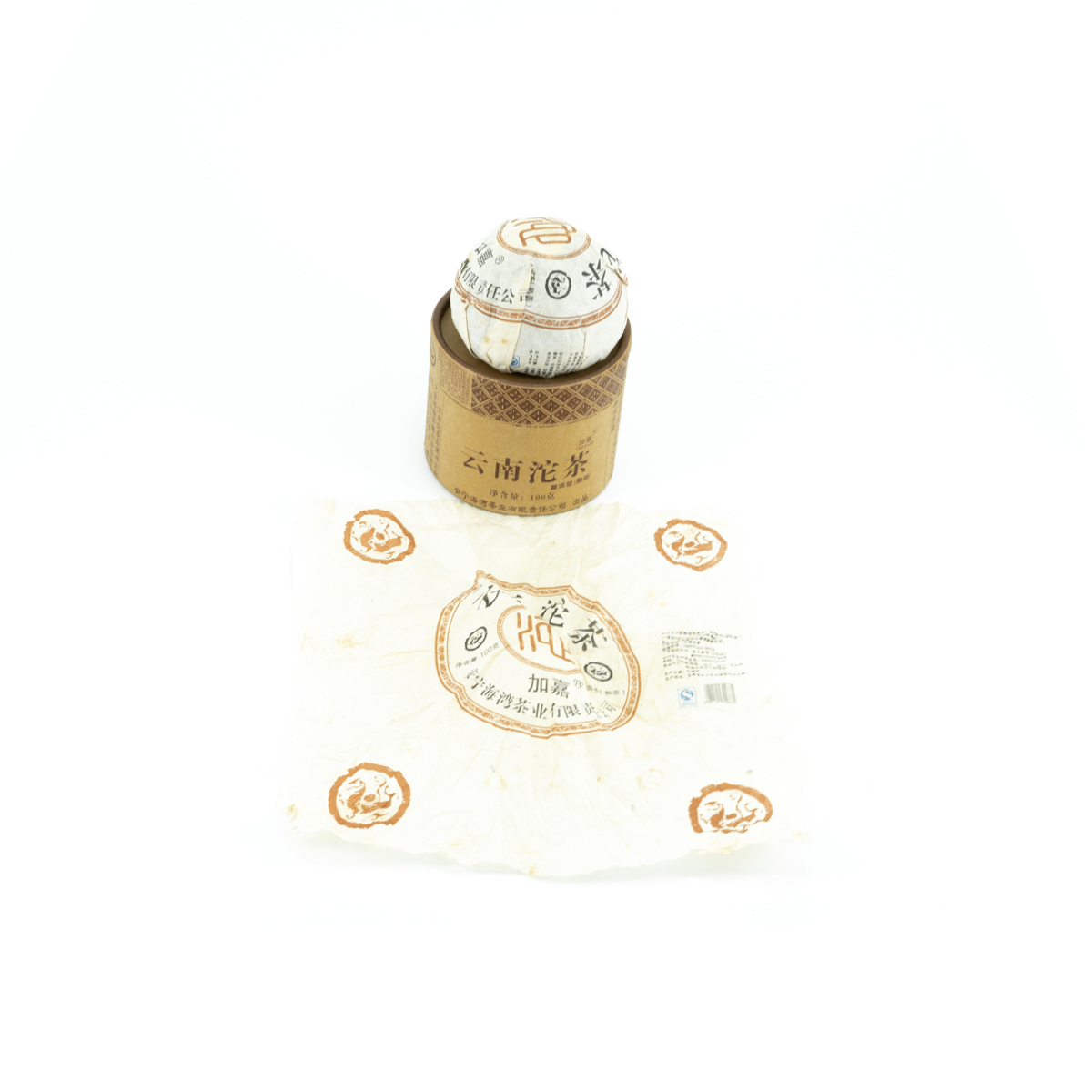
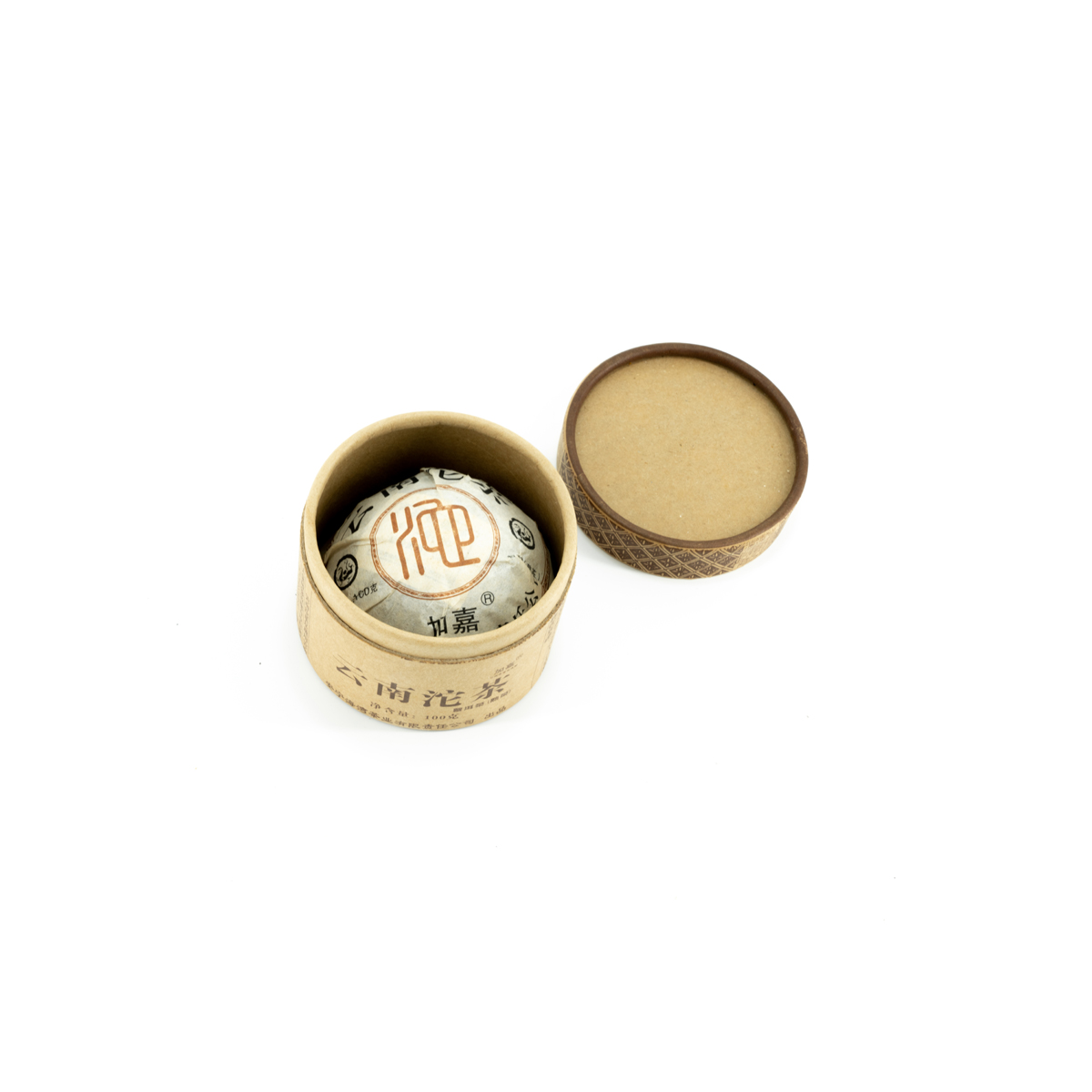
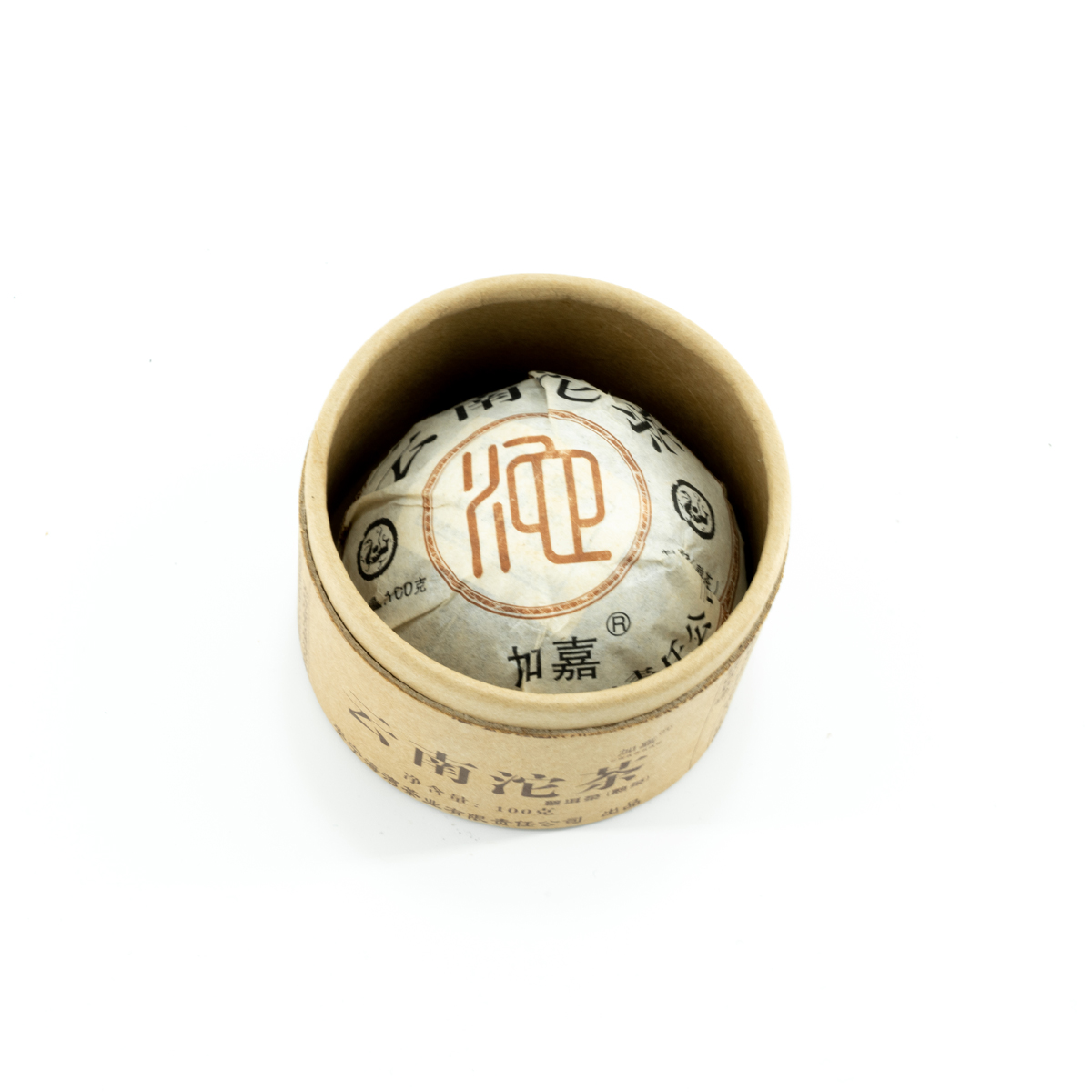
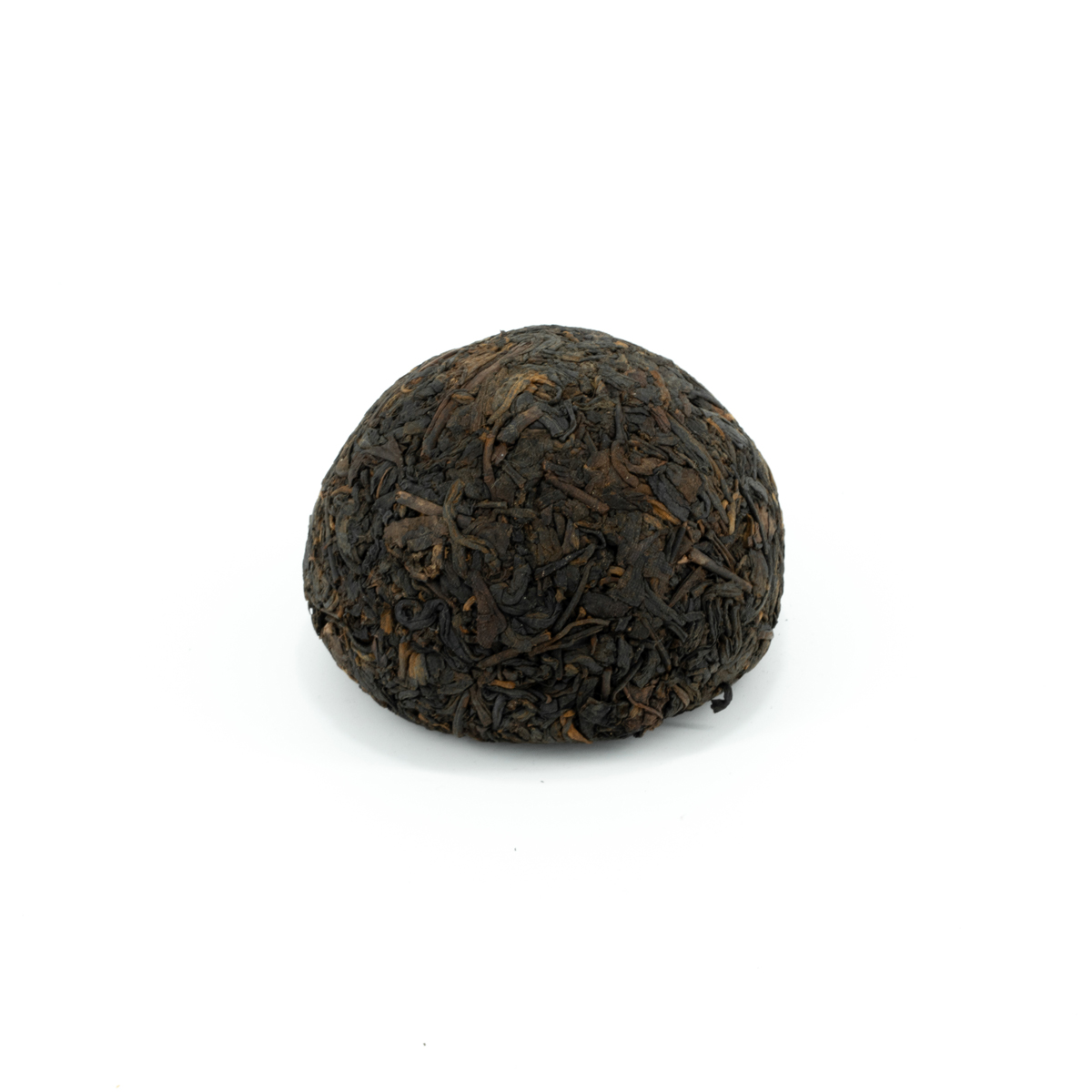
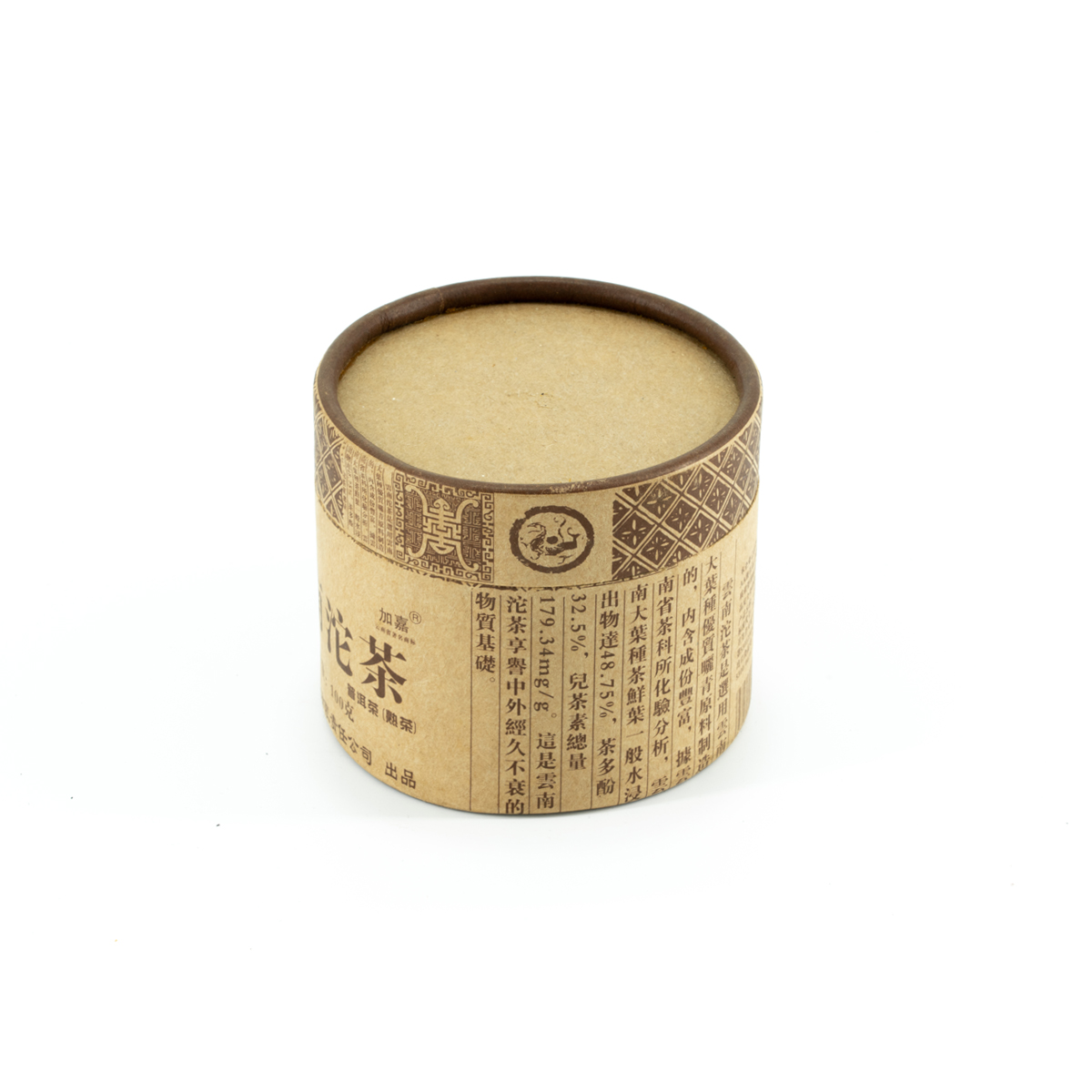
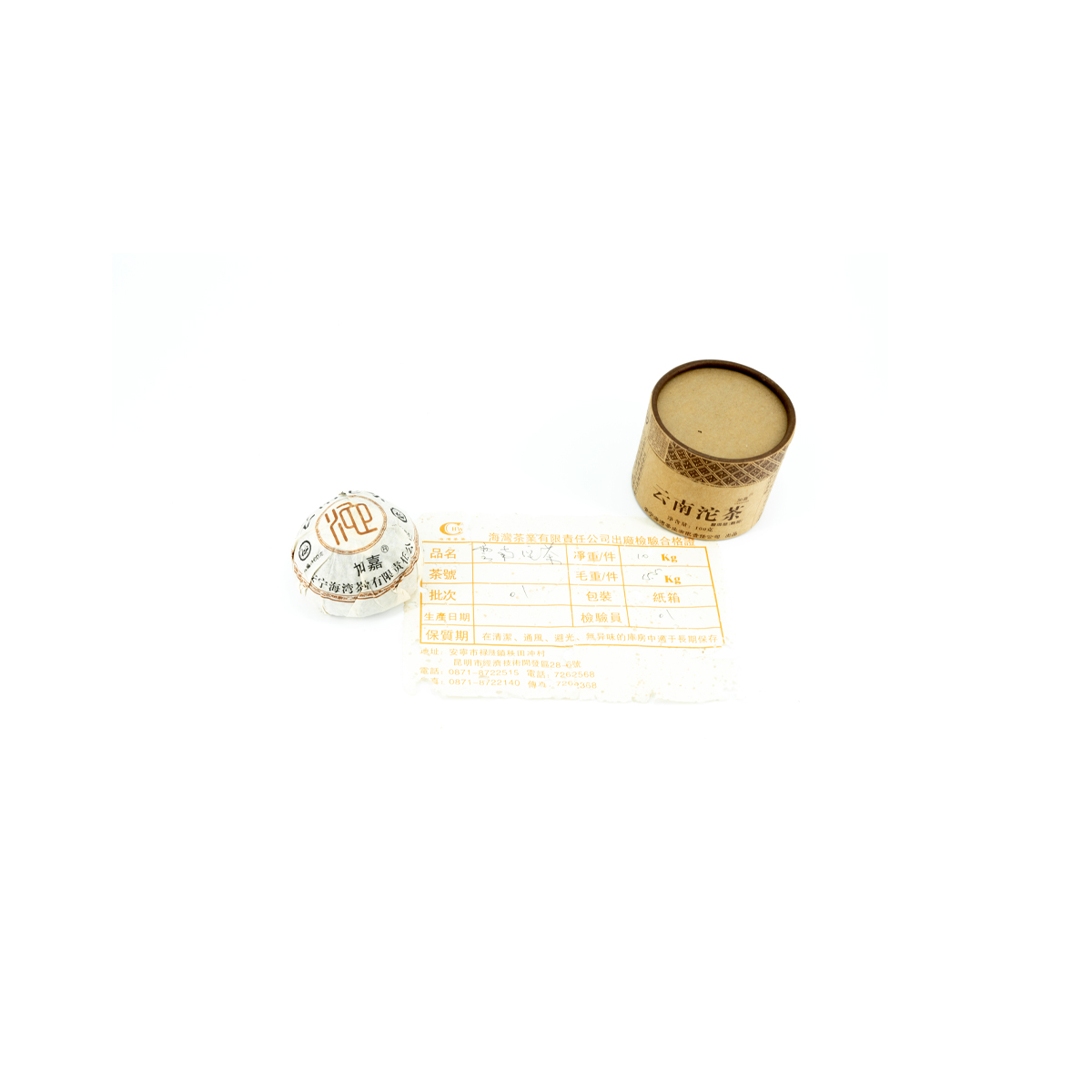
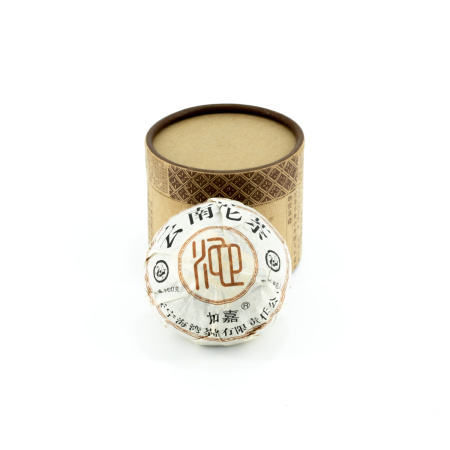
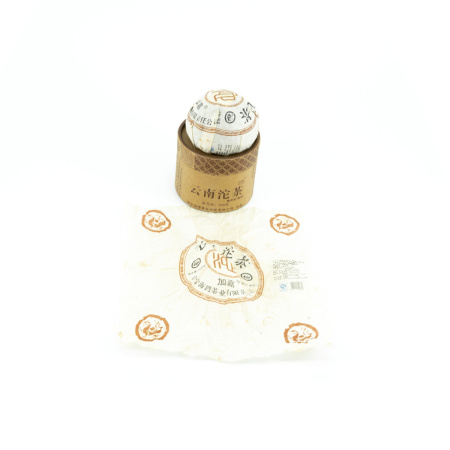
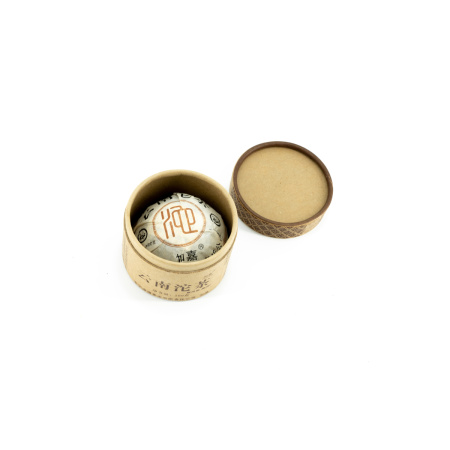
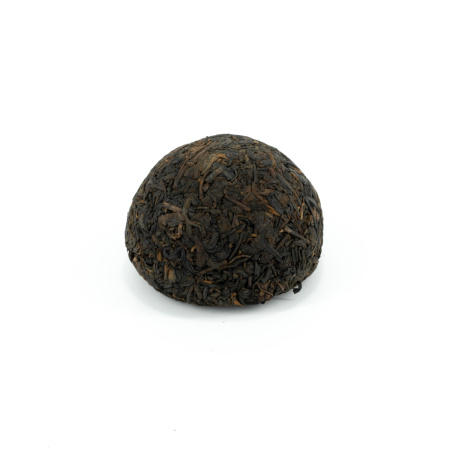
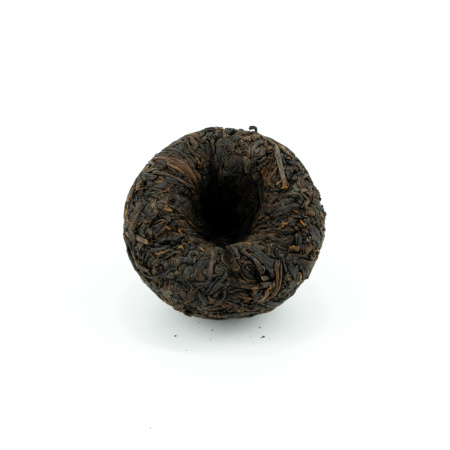
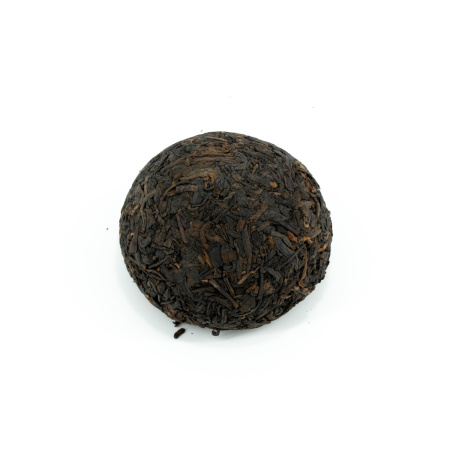
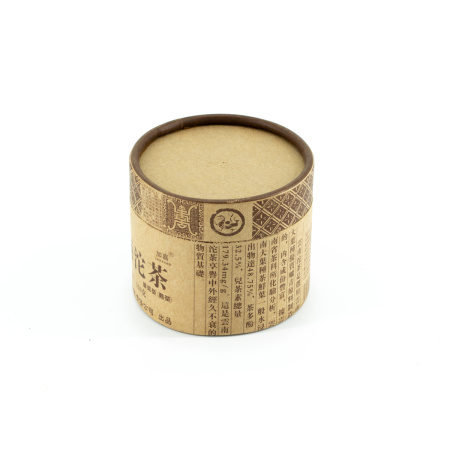
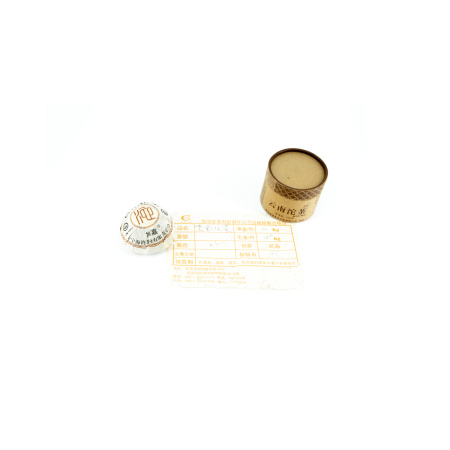
2006 Shu Pu'er "Haiwan Tocha from Yunnan" from the Haiwan tea factory, 100g – an exclusive, collectible pu'er from a top tea factory, an example of the ideal aged tea. However, pu'er from the early 2000s, made by old masters, are very good, and their availability is declining.
|
Country
|
Китай |
|
Manufacturer
|
Хайвань (海湾) |
|
Date of raw material production
|
2006 |
|
Year of pressing
|
2006 |
|
Recipe
|
from Master Zou Bing Liang |
|
Pressing form
|
То ча (гнездо) |
- Reviews
- Vkontakte
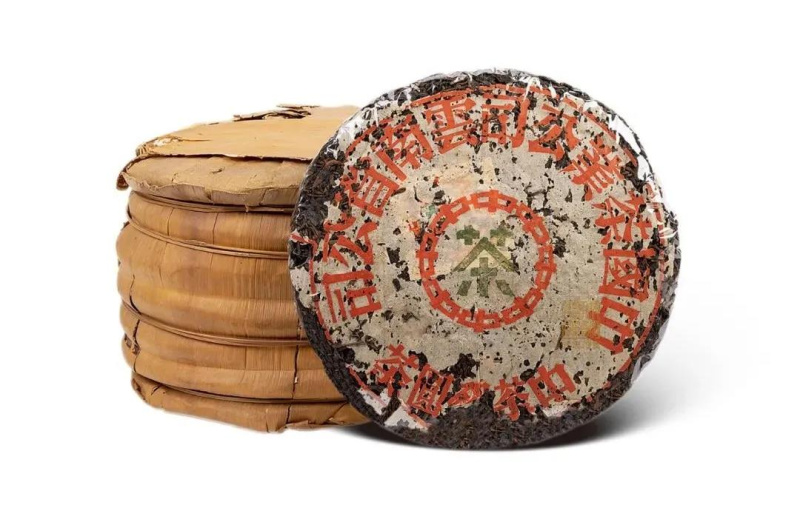
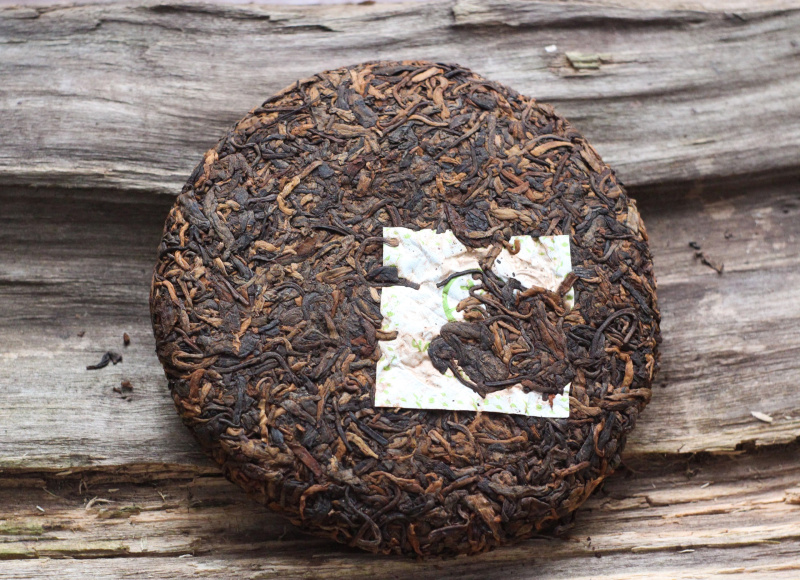
Pu-erh is one of the most unique types of tea, which only gets better with age. Many people, when they first encounter this tea, wondered: why is pu-erh more often found in pressed form (cakes, bricks, tochas), and not in loose form? The reasons for this are related to both history and the practical aspects of storing and fermenting tea. Despite modern technologies that allow the production of loose pu-erh, the shape of pressed cakes remains unchanged. And pu-erh is more often found on sale in pressed form, for example, in the form of cakes or bricks, and loose pu-erh is less common. We will talk about the reasons for pressing pu-erh into cakes in this article.
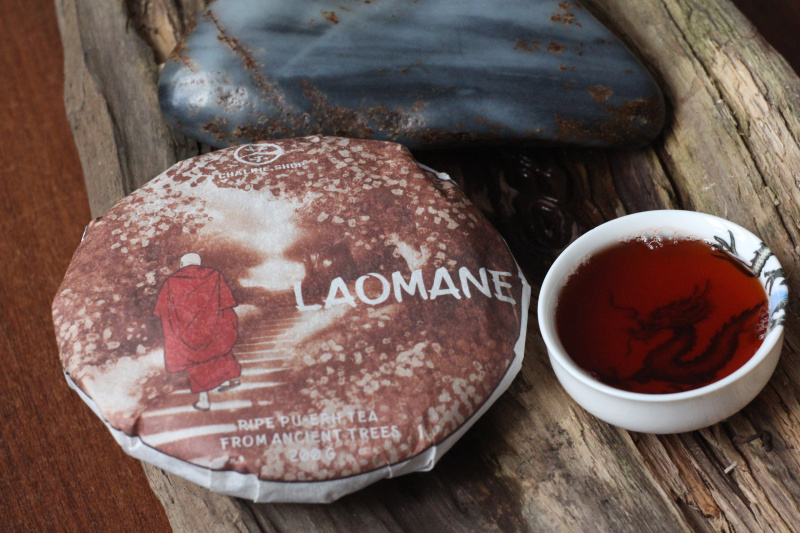
Puer is a unique Chinese tea that is distinguished by its depth of taste, complexity of aromas and versatility of aftertaste. Its taste characteristics are formed under the influence of many factors, from growing conditions to the brewing method. Let's look at the main ones.
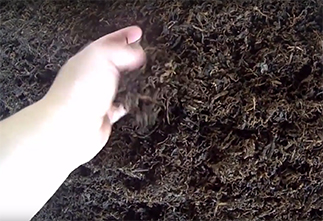
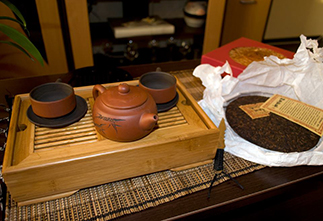

Traveling through the tea mountains, we found ourselves in another land of blue roofs - the village of Zhongcai, which is located in the Menghai district of Yunnan province. According to tradition, we were shown another local tea tree, which, according to the Chinese, is at least a million years old :) The village is very authentic, not designed for tourists, there are many wild pu-erhs there and, of course, we were warmly received. They treated us to local cuisine and tea. We also asked the residents about the prices of tea and how they have changed in recent years.
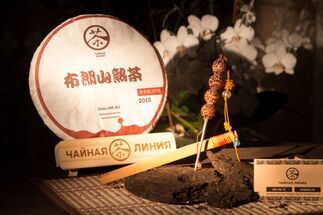
The tea ceremony holds a special place in the centuries-old Eastern tradition. While its essence remains constant, the nature and external manifestations of the tea ceremony vary among different cultures. Each Chinese province has its own distinct tea ceremony and tea used: for example, residents of the southern provinces prefer green tea, while those in the northern provinces prefer red tea. Oolong tea is more commonly used in Fujian Province, while Pu'er tea is widely known in Yunnan Province.
Need a consultation?
Our specialists will answer any question of interest


