



-
0 Saturation
-
0 Aftertaste
-
0 Aroma
-
0 Effect
-
0 Balance
-
0 Body
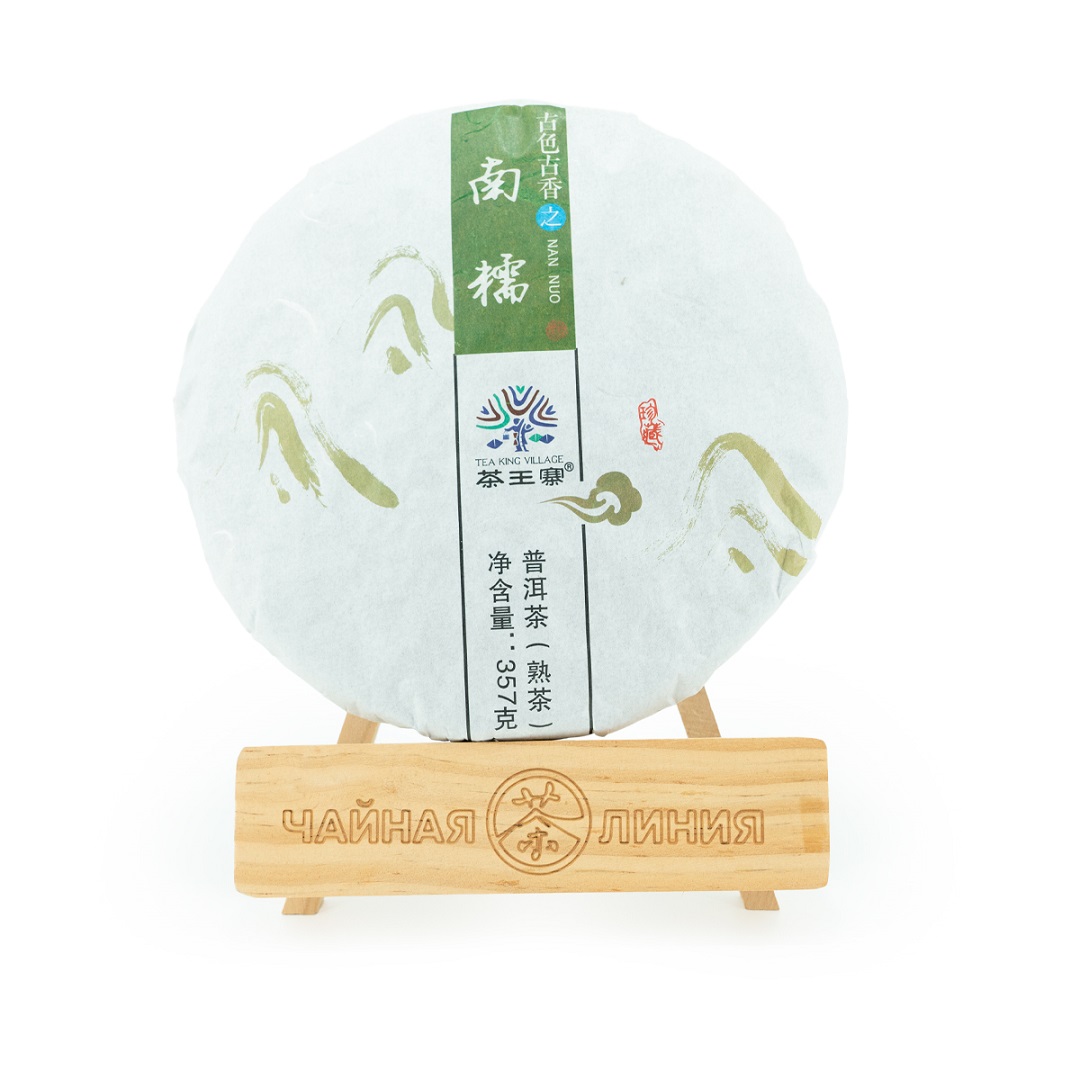
Chinese Shu Pu'er tea "Nanno" of the "Chawanzhai" brand from the "Jindian" factory
Shu Pu'er "Nannuo" from the Chawanzhai brand (茶王寨, chá wáng zhài) of the Jin Dian factory (金典, jīn diǎn) is an elite tea that combines a rich flavor, deep aroma, and the traditions of one of China's most famous tea regions. Pressed in 2024 into a 357-gram Bing Cha (cake), this tea was produced using 2017-grown tea leaves, giving it a particularly soft and harmonious texture.About the Jinjian plant and the Chawanzhai brand
The Jin Dian factory was founded in 2007, and its name translates as "Golden Canon" or "Golden Classic," emphasizing the company's commitment to producing the highest quality tea. The Chawanzhai (or Tea King Village) brand is also owned by the factory and symbolizes the continuity of tea traditions.
Features of the Nanno region
Nannuo (南糯, Nánnuò) is a picturesque region in Yunnan Province, renowned for its ancient tea plantations and favorable climate. Clean air, fertile soil, and a moderate climate create ideal conditions for tea tree growth. Tea from Nannuo is distinguished by its rich flavor, vibrant aroma, and balanced character.
Characteristics of Nanno tea
Appearance
The tea cake has a neat shape, characteristic of traditional Bing Cha. The leaves are evenly pressed, indicating high-quality processing. The leaves are dark brown with golden flecks of tip.
Aroma
Dry tea has a deep, rich aroma with notes of nuttiness, wood, caramel, and a slight earthiness. After brewing, the aroma develops, adding hints of dried fruit, chocolate, and sweet spice.
Taste
The taste of Nanno tea is soft and velvety. The infusion has a rich dark brown color with ruby highlights. The flavor is dominated by warm notes of nuts, caramel, dried fruits, and a slight woody bitterness. The finish is long, with pleasant sweet and spicy undertones.
Energy and Impact
Shu Pu'er "Nannuo" has a warming effect and promotes relaxation. This tea is ideal for the cold season and for those who appreciate a calm and meditative tea experience.
Brewing recommendations
For brewing Nannuo Shu Pu'er, we recommend steeping it in a gaiwan or Yixing clay teapot. The water temperature should be around 95–100°C. The initial steeps should be short (5–10 seconds) to reveal the aroma and avoid excessive bitterness. Gradually, the steeping time can be increased. The tea can withstand up to 8–10 steeps, each of which reveals new facets of flavor.
Shu Pu'er "Nannuo" from the Chawanzhai brand of the Jindia brewery is a tea that combines a rich flavor, deep aroma, and abundant energy. Originating from the Nannuo region and using 2018-grown tea leaves, it is a true treasure for pu'er connoisseurs. This tea will offer unforgettable moments of enjoyment and allow you to connect with the ancient traditions of Chinese tea art.
If you're looking for a tea that will surprise you with its versatility and provide warmth and comfort, Shu Pu'er "Nanno" 2024 is an excellent choice.

Shu Pu'er 2017 "Nanno" from Chawanzhai: A Treasure from Yunnan
The 2017 Shu Pu'er "Nannuo," produced by Jin Dian under the Chawanzhai brand, is an outstanding example of aged pu'er. This 357-gram cake, crafted from premium Da Ye Zhong (large-leaf spring tea), is exquisitely matured, offering a complex and nuanced flavor profile.
Jinjian Company: Preserving Traditions
Founded in 2007, Jin Dian is relatively young but has already earned respect in the Yunnan tea industry. The name Jin Dian translates as "Golden Canon" or "Golden Classic," reflecting the company's commitment to producing high-quality teas using traditional methods.
Nannuo Mountain Tea: A Special Treasure
Nannuo Shan, located in the heart of the Xishuangbanna region of Yunnan, is renowned for producing exceptional pu'er tea. The unique terroir of this mountain range, characterized by rich volcanic soil and diverse microclimates, imparts distinctive characteristics to the tea leaves.
Flavor Profile: A Journey for the Senses
Chawanzhai's 2017 Nannuo Shu Pu'er offers a captivating sensory experience. When steeped, it reveals a rich, dark infusion with a complex aroma of aged wood, dried fruit, and subtle earthiness. The flavor is equally impressive: caramel, chocolate, and a lingering mineral finish. The smooth texture and lingering finish make this tea a truly satisfying drink.
A worthy investment
Beyond immediate enjoyment, this shu pu-erh tea has the potential to age gracefully over time. As the tea matures, its flavors will deepen and become even more complex. This makes it not only a delightful beverage but also a worthwhile investment for tea connoisseurs and collectors.
The 2017 Shu Pu'er "Nanno" from Chawanzhai is a testament to the enduring appeal of pu'er. Its exceptional quality, rich history, and potential for future growth make it a truly special tea.
|
Country
|
Китай |
|
District
|
Pu'er City District |
|
Provinces
|
Юньнань (云南) |
|
Habitat
|
Наньно (南糯, nánnuò) |
|
Manufacturer
|
Цзинь дянь (金典, jīn diǎn) |
|
Date of raw material production
|
2018 |
|
Year of pressing
|
2024 |
|
Pressing form
|
Бин Ча (блин) |
|
Length, cm
|
20 |
|
Width, cm
|
20 |
- Reviews
- Vkontakte

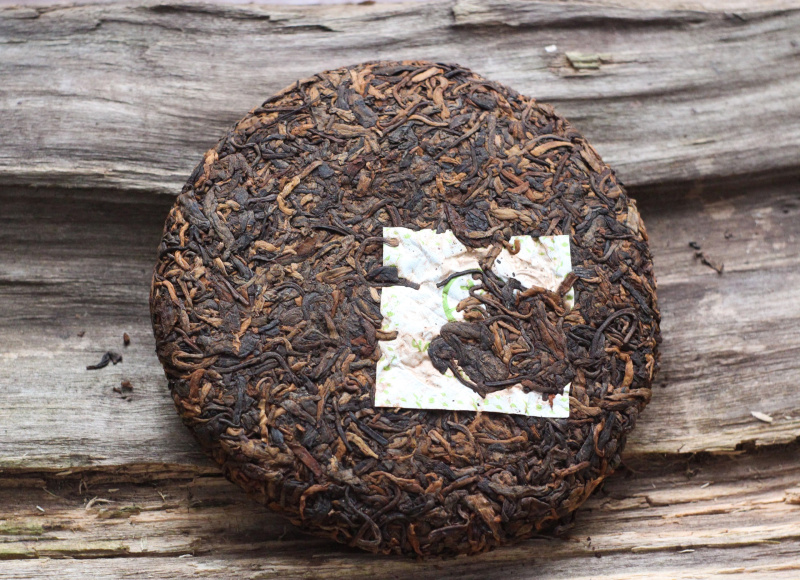
Pu-erh is one of the most unique types of tea, which only gets better with age. Many people, when they first encounter this tea, wondered: why is pu-erh more often found in pressed form (cakes, bricks, tochas), and not in loose form? The reasons for this are related to both history and the practical aspects of storing and fermenting tea. Despite modern technologies that allow the production of loose pu-erh, the shape of pressed cakes remains unchanged. And pu-erh is more often found on sale in pressed form, for example, in the form of cakes or bricks, and loose pu-erh is less common. We will talk about the reasons for pressing pu-erh into cakes in this article.
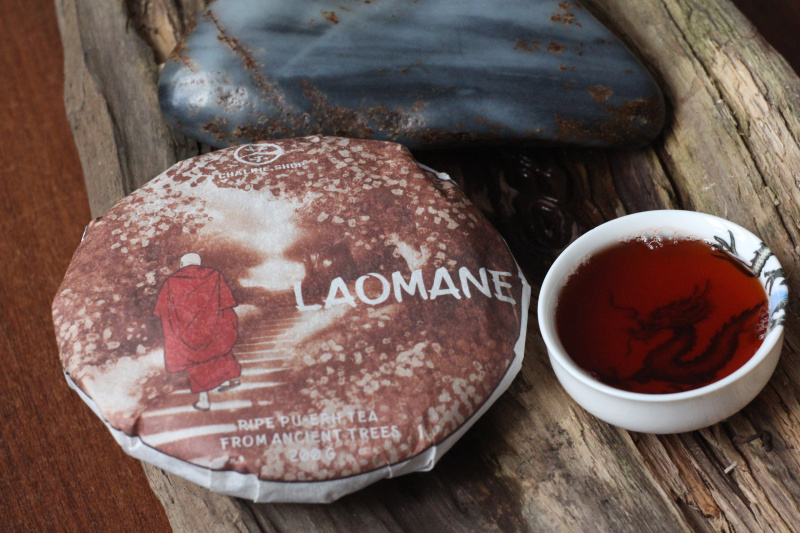
Puer is a unique Chinese tea that is distinguished by its depth of taste, complexity of aromas and versatility of aftertaste. Its taste characteristics are formed under the influence of many factors, from growing conditions to the brewing method. Let's look at the main ones.
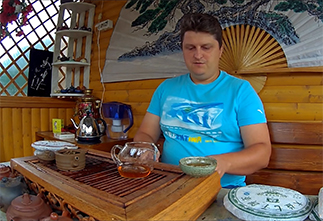
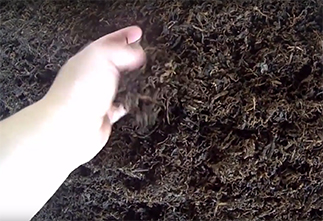
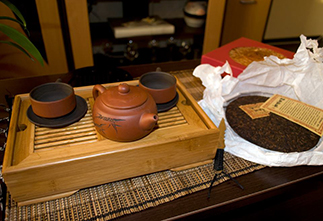

Traveling through the tea mountains, we found ourselves in another land of blue roofs - the village of Zhongcai, which is located in the Menghai district of Yunnan province. According to tradition, we were shown another local tea tree, which, according to the Chinese, is at least a million years old :) The village is very authentic, not designed for tourists, there are many wild pu-erhs there and, of course, we were warmly received. They treated us to local cuisine and tea. We also asked the residents about the prices of tea and how they have changed in recent years.
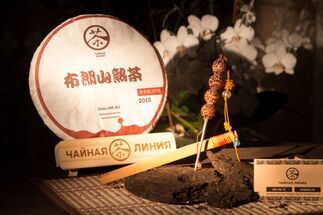
The tea ceremony holds a special place in the centuries-old Eastern tradition. While its essence remains constant, the nature and external manifestations of the tea ceremony vary among different cultures. Each Chinese province has its own distinct tea ceremony and tea used: for example, residents of the southern provinces prefer green tea, while those in the northern provinces prefer red tea. Oolong tea is more commonly used in Fujian Province, while Pu'er tea is widely known in Yunnan Province.


