





-
0 Saturation
-
0 Aftertaste
-
0 Aroma
-
0 Effect
-
0 Balance
-
0 Body
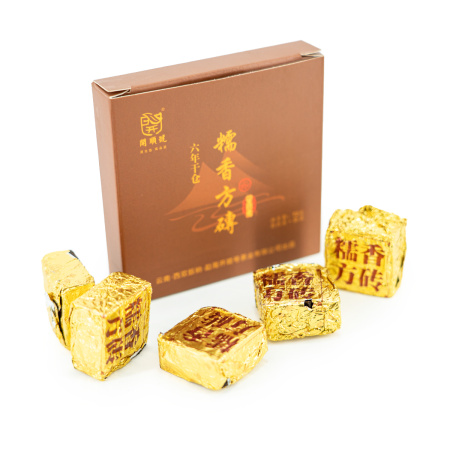
Shu Pu'er 2013 "Taste of Nomi Xiang" from "Kaishunhao": Exquisite cube of pleasure
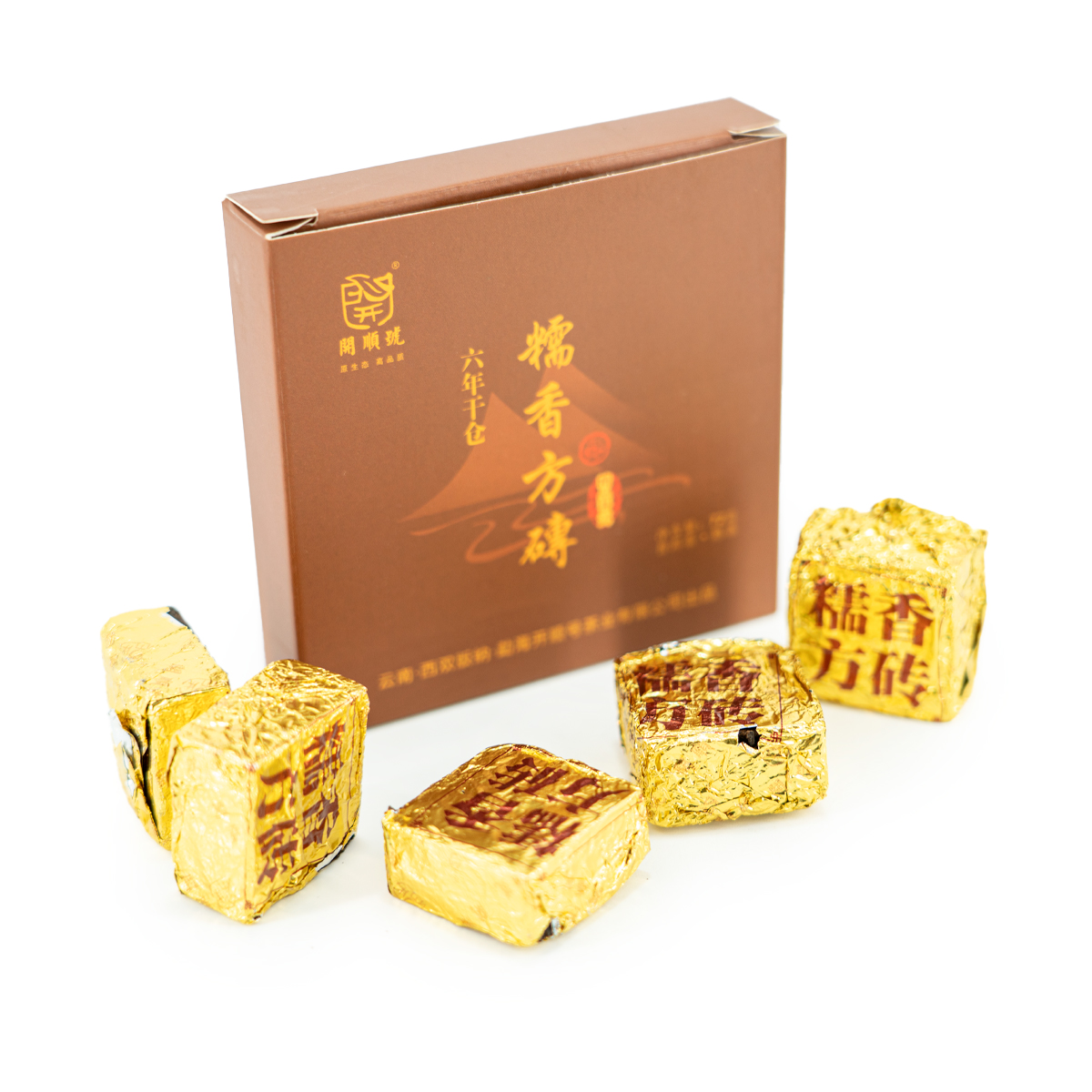
The 2013 Shu Pu'er "Taste of Nomi Xiang" from the renowned Kaishunhao tea factory is a true masterpiece of tea art, encased in a compact cube. This tea has a unique flavor and aroma that unfold with each brew.
What's special about this tea?
- Convenient format: The tea is packaged in small 6.5-gram cubes, making it very convenient for brewing. No need to break off pieces from a large tea bag; just use one cube.
- High Quality: The Kaishunhao factory is renowned for its high-quality products. This shu pu-erh is no exception – it is made from select tea leaves that have undergone meticulous processing.
- Unique flavor: "Nomi Xiang Taste" isn't just a name, but a reflection of this tea's distinctive character. "Nomi Xiang" is the aroma of glutinous rice, which imparts sweet notes to the tea and makes its taste softer and more rounded.
- Multifaceted Flavor: This shu pu-erh tea has a rich and complex flavor. In addition to notes of glutinous rice, it also features fermented grains, nuts, and wood.
- Health benefits: Shu pu-erh, like other types of pu-erh, has numerous health benefits. It helps improve digestion, strengthen the immune system, and increase energy.
Why should you try this tea?
- Convenience of brewing: The cubes are easy to brew in both a gaiwan and a regular cup.
- High quality: You can be sure that you are getting real high-quality pu-erh.
- Unique taste: "Taste Nomi Xian" is a true gastronomic experience.
- Health benefits: Besides pleasure, you will also receive health benefits.
How to brew?
- Water temperature: The optimal water temperature for brewing shu pu-erh is about 95°C.
- Brewing time: The first infusion can be done for 5-10 seconds, then increase the subsequent infusions according to your taste.
- Amount of tea: One cube is suitable for approximately 150-200 ml of water.
Kaishunhao's 2013 Shu Pu-erh "Taste of Nomi Xiang" is an excellent choice for those who value convenience, high quality, and unique flavor. This tea will be a wonderful addition to your tea collection.
|
Country
|
Китай |
|
Manufacturer
|
Кайшуньхао (开顺号) |
|
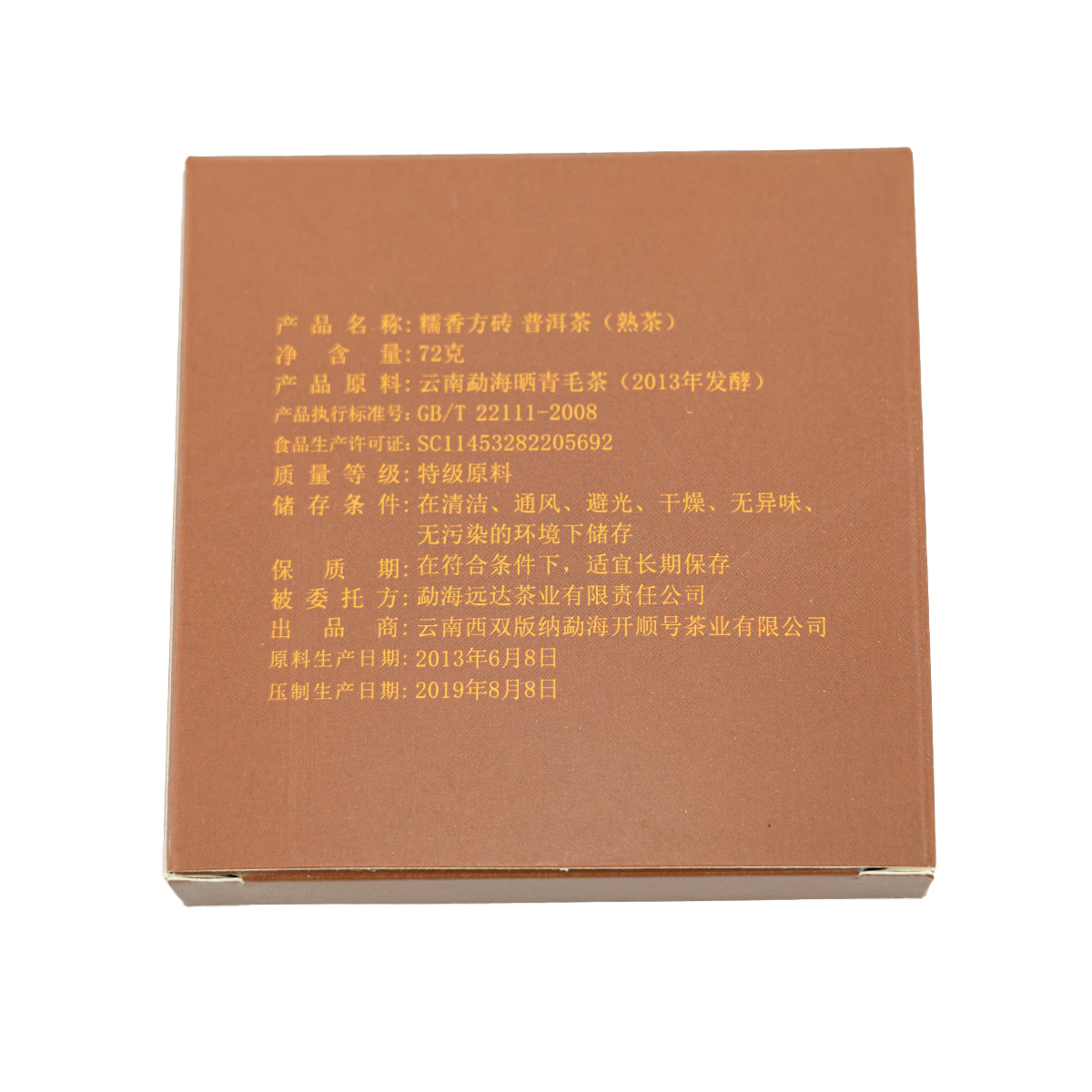
Date of raw material production
|
August 6, 2013 |
|
Year of pressing
|
2019 |
|
Declared weight, g
|
70 |
- Reviews
- Vkontakte
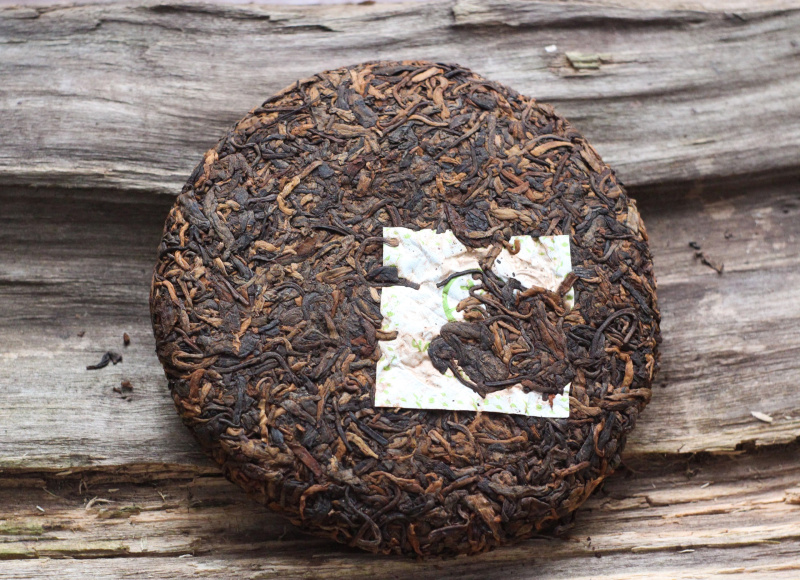
Pu-erh is one of the most unique types of tea, which only gets better with age. Many people, when they first encounter this tea, wondered: why is pu-erh more often found in pressed form (cakes, bricks, tochas), and not in loose form? The reasons for this are related to both history and the practical aspects of storing and fermenting tea. Despite modern technologies that allow the production of loose pu-erh, the shape of pressed cakes remains unchanged. And pu-erh is more often found on sale in pressed form, for example, in the form of cakes or bricks, and loose pu-erh is less common. We will talk about the reasons for pressing pu-erh into cakes in this article.
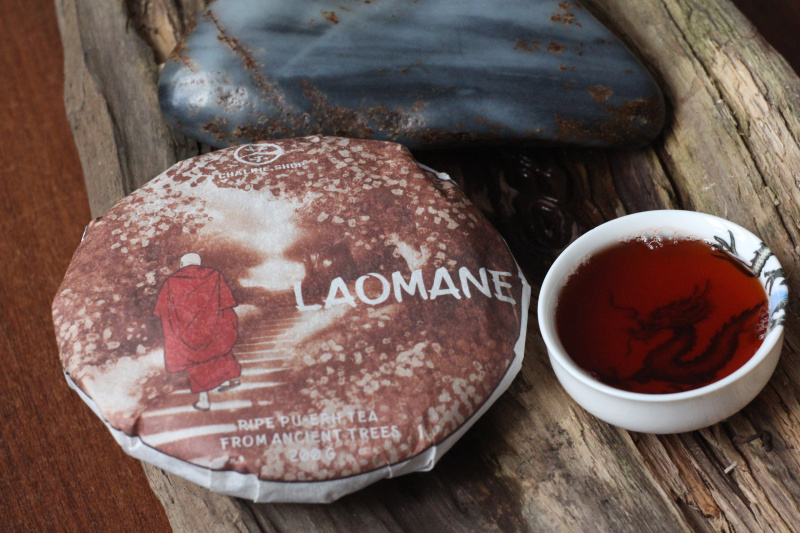
Puer is a unique Chinese tea that is distinguished by its depth of taste, complexity of aromas and versatility of aftertaste. Its taste characteristics are formed under the influence of many factors, from growing conditions to the brewing method. Let's look at the main ones.
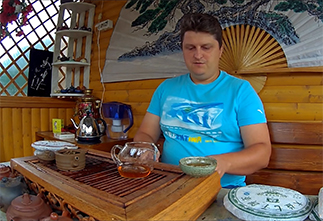
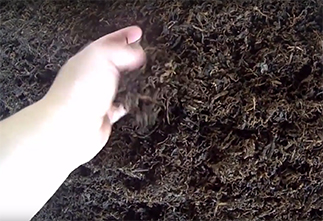
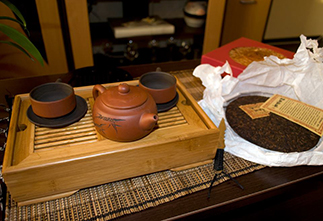

Traveling through the tea mountains, we found ourselves in another land of blue roofs - the village of Zhongcai, which is located in the Menghai district of Yunnan province. According to tradition, we were shown another local tea tree, which, according to the Chinese, is at least a million years old :) The village is very authentic, not designed for tourists, there are many wild pu-erhs there and, of course, we were warmly received. They treated us to local cuisine and tea. We also asked the residents about the prices of tea and how they have changed in recent years.
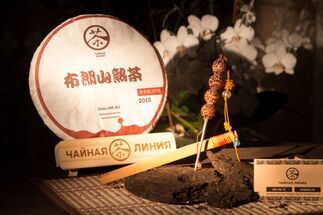
The tea ceremony holds a special place in the centuries-old Eastern tradition. While its essence remains constant, the nature and external manifestations of the tea ceremony vary among different cultures. Each Chinese province has its own distinct tea ceremony and tea used: for example, residents of the southern provinces prefer green tea, while those in the northern provinces prefer red tea. Oolong tea is more commonly used in Fujian Province, while Pu'er tea is widely known in Yunnan Province.
В нашем ассортименте пуэров широко представлена линейка завода "Кайшуньхао". Мы познакомились с владельцем во время одного из путешествий в Китай. Это было время, когда мы открывали новые горизонты для сотрудничества основываясь на качестве и адекватной цене! Так кто же такие эти увлеченные своим делом люди?)
Need a consultation?
Our specialists will answer any question of interest


