





-
0 Saturation
-
0 Aftertaste
-
0 Aroma
-
0 Effect
-
0 Balance
-
0 Body
CNNP's 2006 Green Seal Shu Pu'er (中国土产畜产进出口公司, zhōngguó tǔchǎn xùchǎn jìnchūkǒu gōngsī) has a mellow, sweet, woody aroma with nuances of roasted hazelnuts and marzipan, vegetables, banya, and earthiness. The tea infusion evokes young potatoes in their skins, bean pods, and light notes of beetroot. The taste is very soft, with a woody-chocolate profile and a creamy-vegetable aftertaste. The infusion is clean, dark amber, easy to drink, and delicate. While drinking tea, associations with a forest after rain are captured.
|
Name in Chinese
|
绿印 |
|
Pinyin
|
lǜyìn |
|
English name
|
Green Seal |
|
Translation
|
Green Seal |
|
Country
|
China |
|
Provinces
|
Yunnan (云南) |
|
Habitat
|
Kunming (昆明) |
|
Manufacturer
|
CNNP (China National Native Produce) |
|
Date of raw material production
|
2006 |
|
Year of pressing
|
2006 |
|
Pressing form
|
Bing Cha (Cake Tea) |
|
Declared weight, g
|
357 |
|
Fermentation method
|
In heaps |
|
Size
|
20x20x2 |
|
Length, cm
|
200 |
|
Width, cm
|
200 |
- Reviews
- Vkontakte
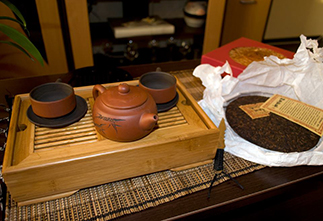
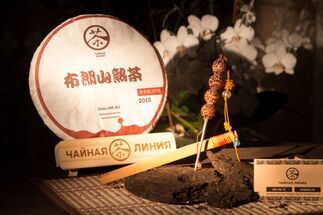
The tea ceremony holds a special place in the centuries-old Eastern tradition. While its essence remains constant, the nature and external manifestations of the tea ceremony vary among different cultures. Each Chinese province has its own distinct tea ceremony and tea used: for example, residents of the southern provinces prefer green tea, while those in the northern provinces prefer red tea. Oolong tea is more commonly used in Fujian Province, while Pu'er tea is widely known in Yunnan Province.
Need a consultation?
Our specialists will answer any question of interest


