




-
0 Saturation
-
0 Aftertaste
-
0 Aroma
-
0 Effect
-
0 Balance
-
0 Body
Gan Pu Cha: a fragrant union of Yunnan shu pu-erh and mandarin
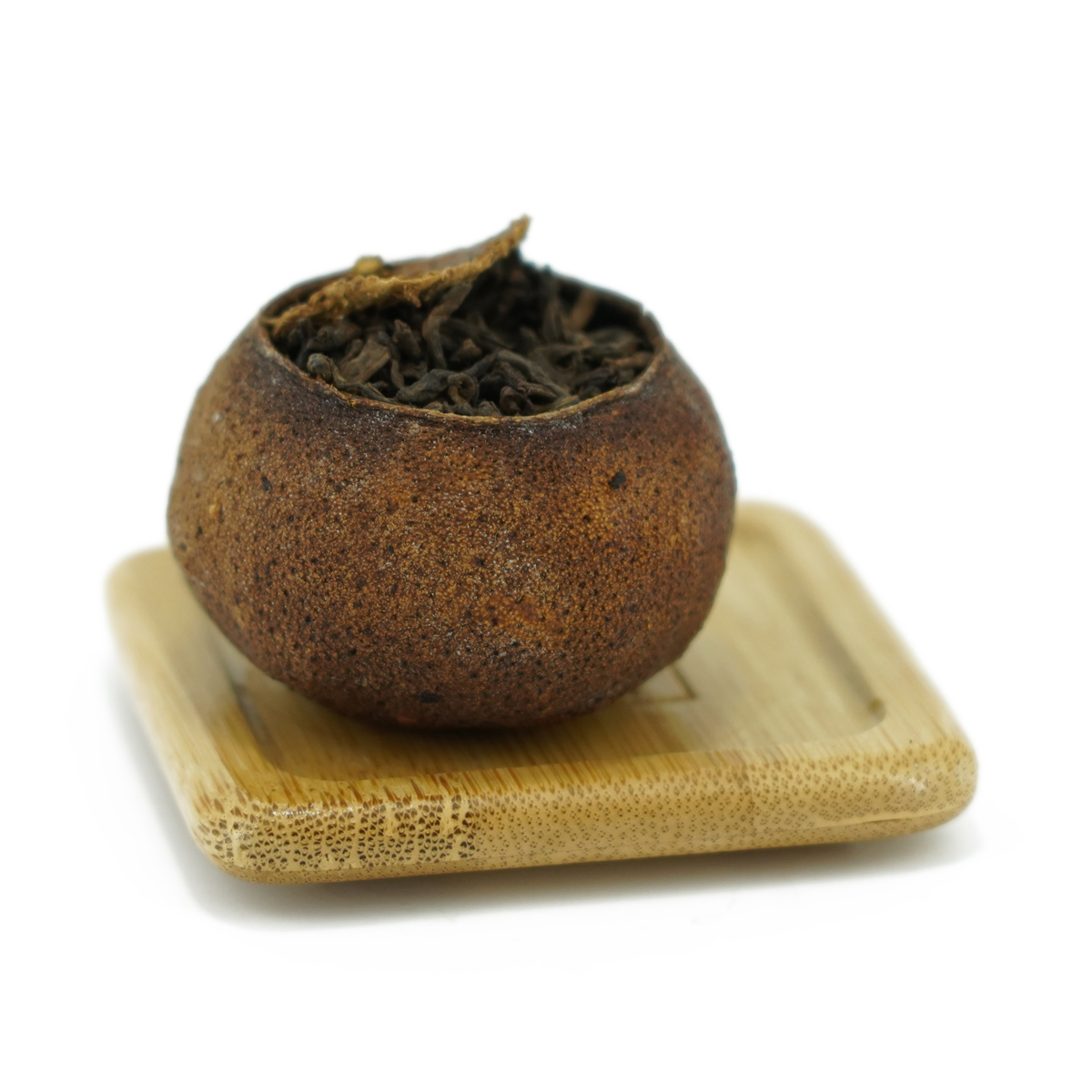
Among the wide variety of Chinese teas, unique combinations of tea leaves and other natural ingredients occupy a special place. One of the most popular and beloved of these is Mandarin Shu Pu'er , also known as Gan Pu Cha (柑普茶, Gān pǔ chá ) . This tea is a harmonious blend of classic Yunnan Shu Pu'er and aromatic mandarin peel.
The base of this tea is Shu Pu'er, a dark, post-fermented tea native to the Yunnan province in southwest China. Shu Pu'er is created through an accelerated fermentation process (vodui), which gives it its characteristic characteristics:
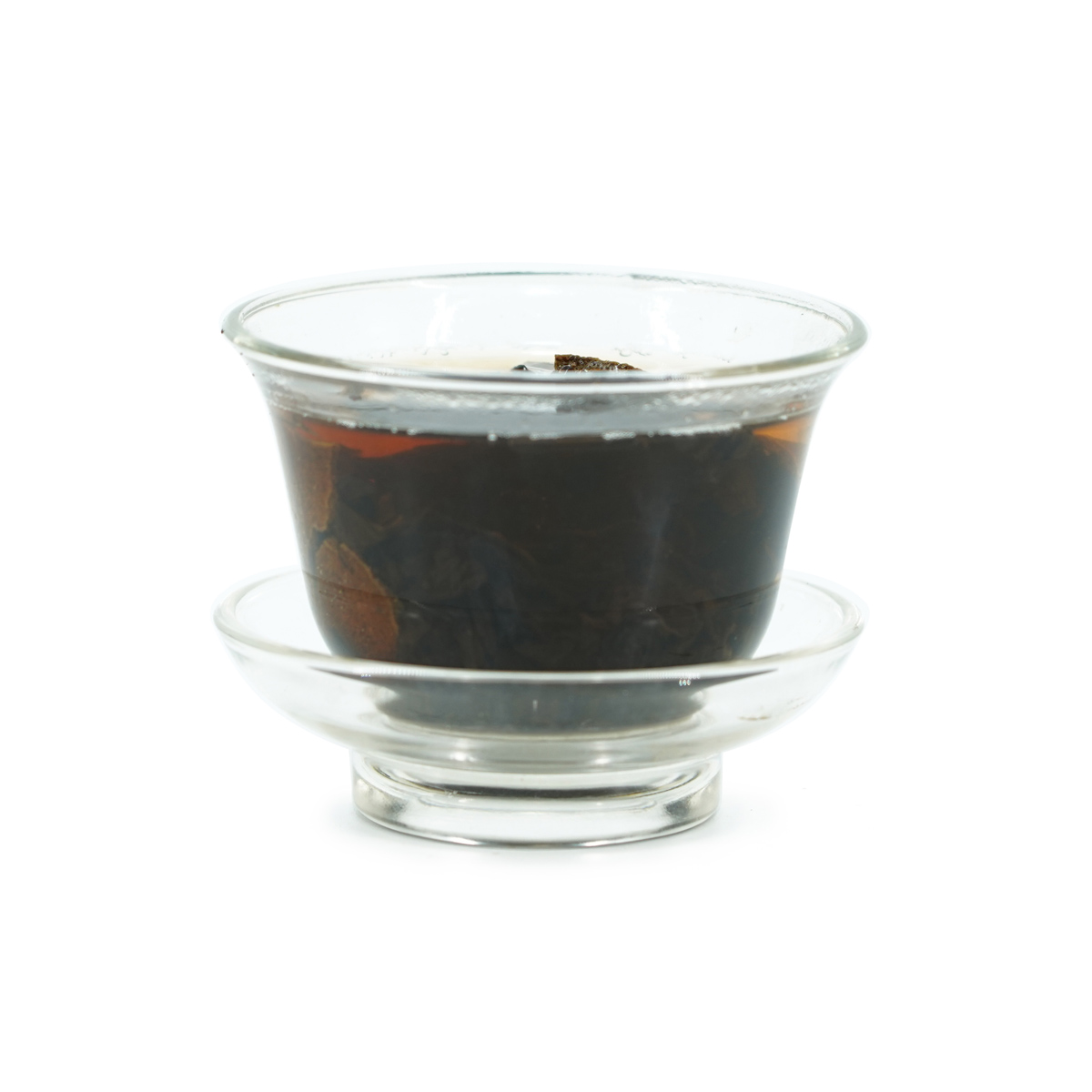
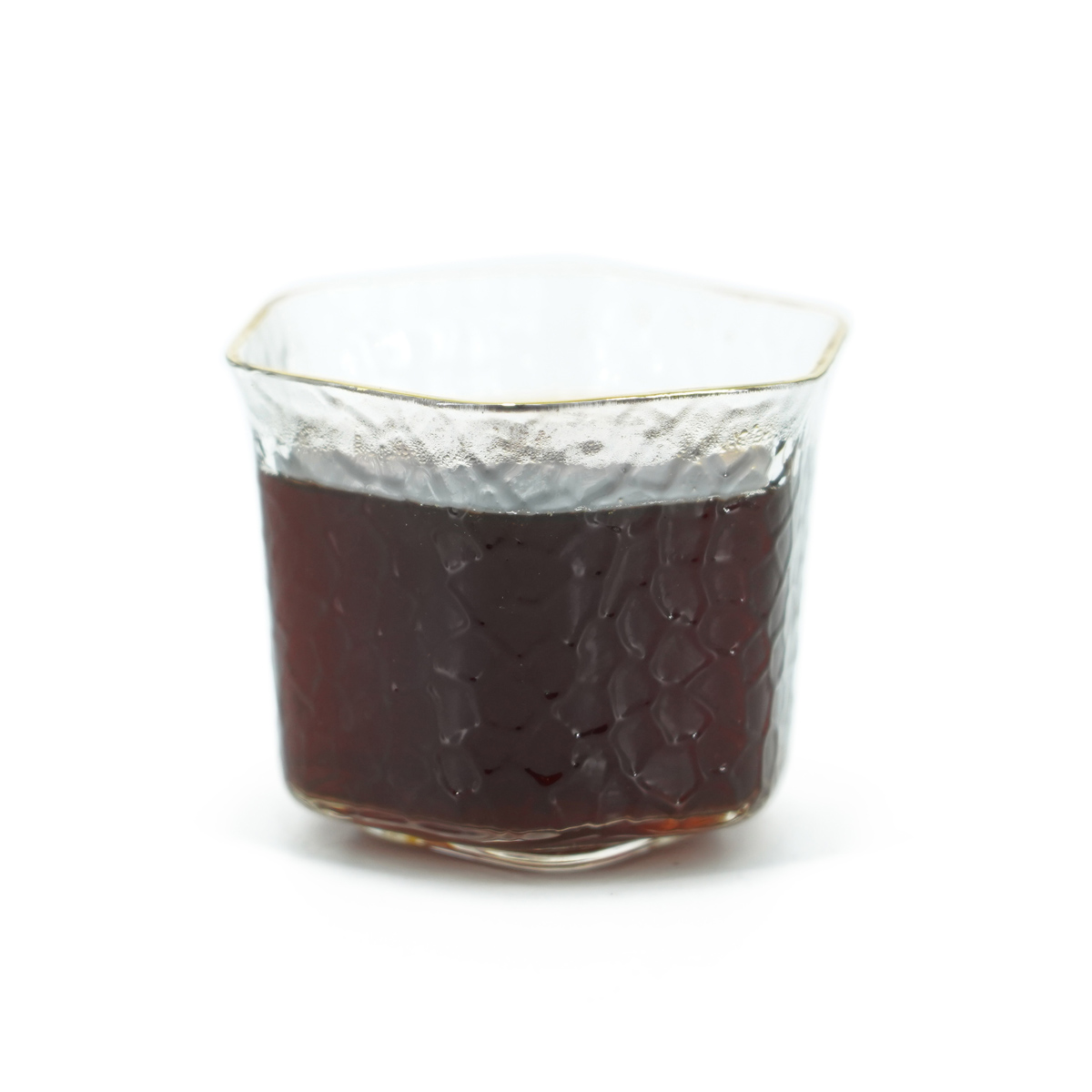
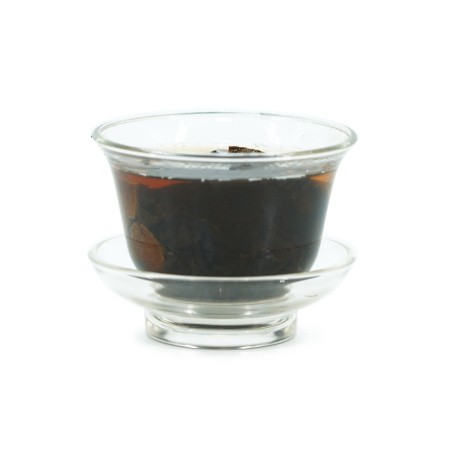
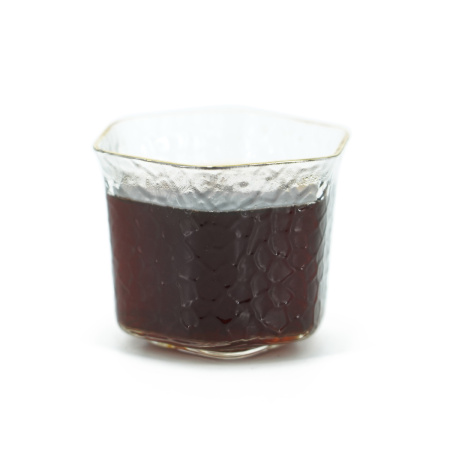
- Infusion: Dark, thick, opaque, often ruby or cognac-colored.
- Aroma: Deep, with notes of damp earth, wood, nuts, sometimes with camphor or sweet nuances.
- Taste: Smooth, soft, enveloping, practically without bitterness and astringency, often with a sweetish aftertaste.
- Properties: Traditionally valued for its ability to warm, improve digestion and gently tonic.
The second key ingredient is tangerine peel. Special varieties of tangerines (from the Xinhui region of Guangdong Province) are often used for Gan Pu Cha, as their peel is particularly prized. Dried citrus peel, especially aged, is known in China as Chen Pi (陈皮, Chénpí ) and is widely used in cooking and traditional medicine. It has:
- Aroma: Bright, rich, sweet-citrusy.
- Properties: It is believed to aid digestion, relieve coughs and improve the circulation of Qi energy.
The process of making Gan Pu Cha
The technology for producing Shu Puerh in a Mandarin requires precision and skill:
- Selection of Mandarins: Fresh, high-quality mandarins of suitable size are selected.
- Preparation: The top of the mandarin is cut off and the pulp is carefully removed, leaving the peel intact.
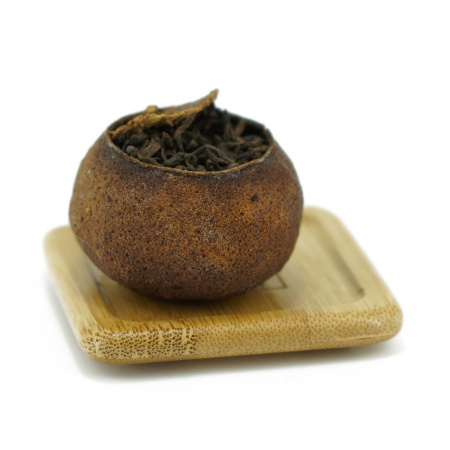
- Filling: The cavity of the mandarin is filled with dry Shu Puer leaves (loose Puer is often used).
- Sealing and Drying/Baking: The mandarin is sealed with the cut "lid" and dried or baked at low temperatures. This step is critical: it allows the zest to dry without spoiling and promotes the interpenetration of the aromas and flavors of the tea and citrus.
Appearance and weight
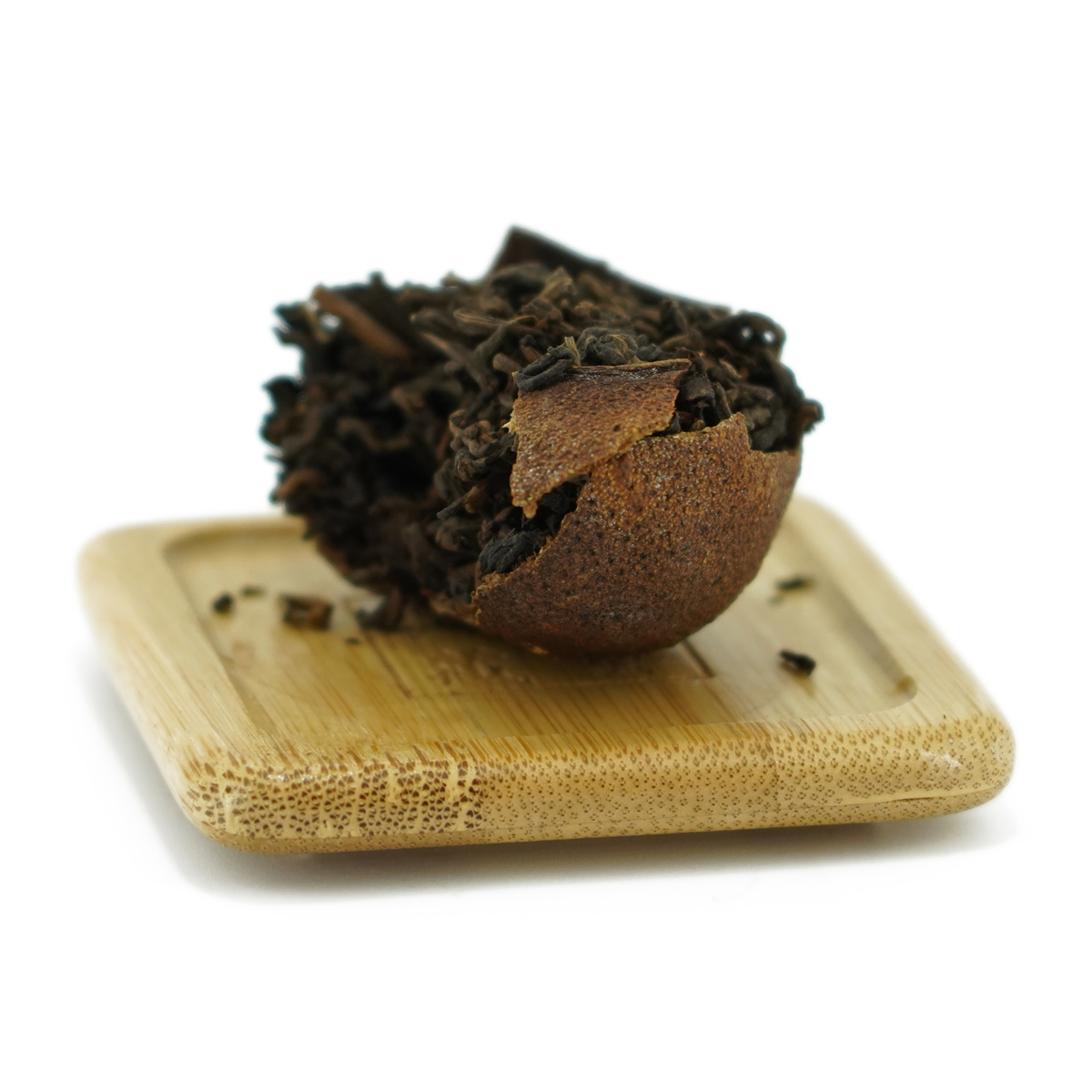
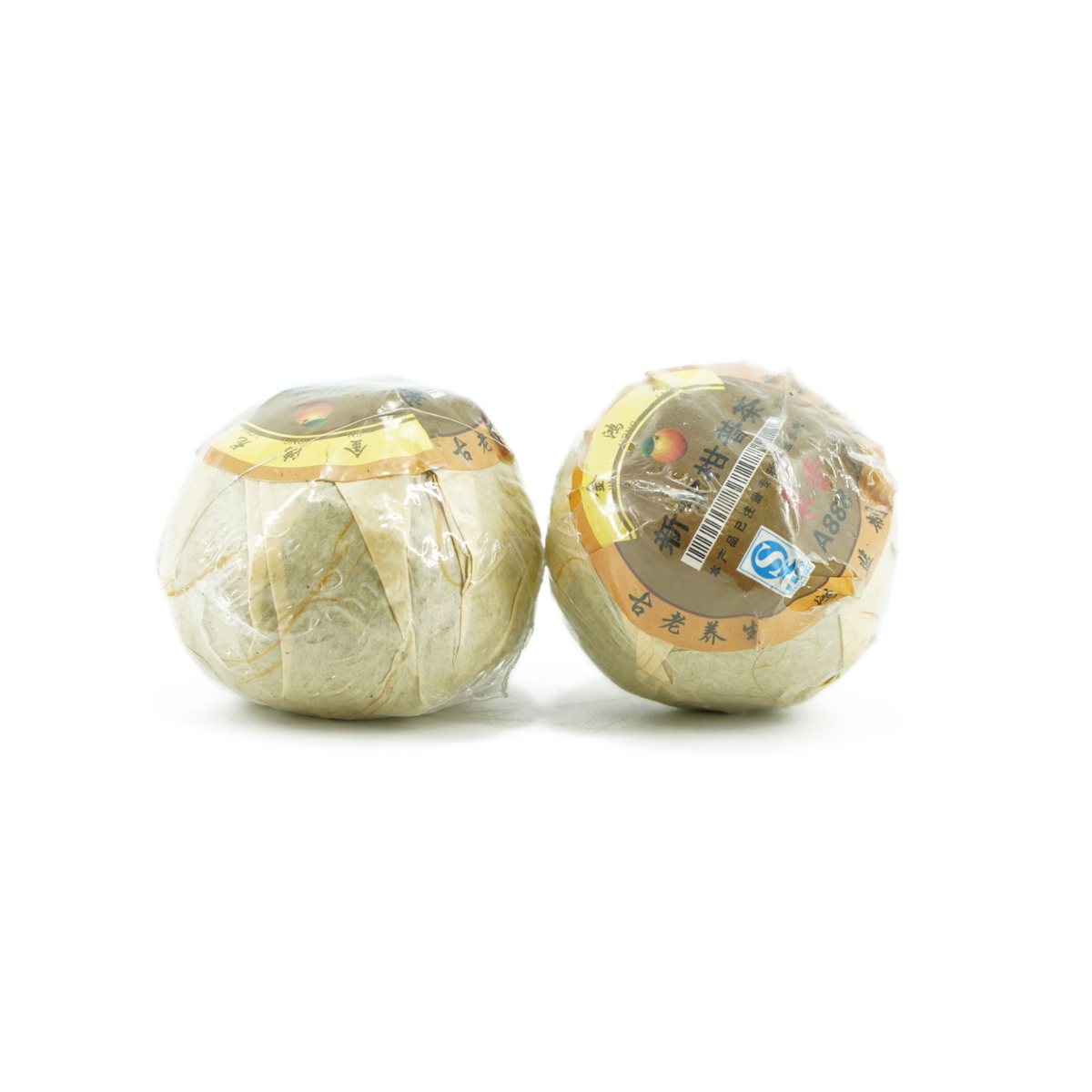
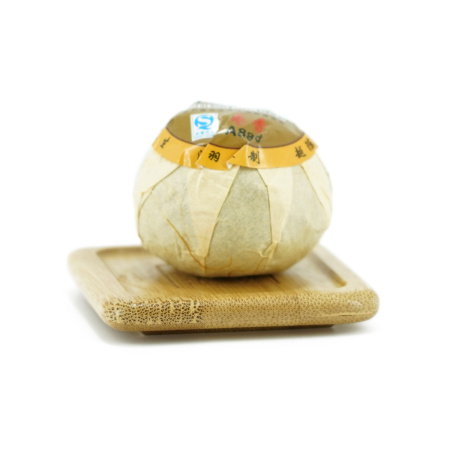
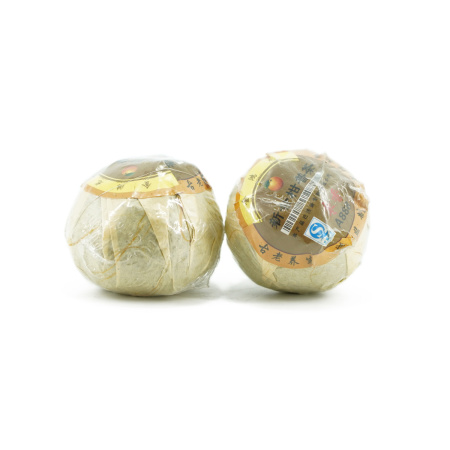
The finished product looks like a small, darkened, dried tangerine filled with tea leaves. It's firm to the touch. Each "tangerine ball" weighs about 20 grams, a fairly common size suitable for one or more brews.
Aroma and taste
Gan Pu Cha offers a unique sensory experience:
- Aroma: When dry, the bright citrus aroma of mandarin peel dominates, through which the warm, earthy notes of Shu Pu'erh emerge. When steeped, the aroma becomes even richer, revealing warm, spicy-citrus and woody-sweet tones.
- Taste: The smoothness and depth of Shu Pu'er perfectly balances the freshness and subtle piquancy of tangerine zest. Citrus notes refresh the classic Pu'er flavor, adding brightness and sweetness. The finish is long, warming, and sweetly citrusy.
Brewing recommendations
There are several ways to brew Shu Puer in a tangerine:
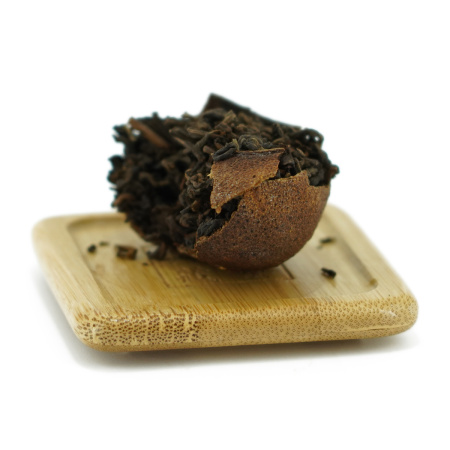
- Whole (for small tangerines): If the tangerine fits in your teapot (gaiwan, teapot), you can brew it whole, after rinsing it with boiling water.
- Pieces: Most often, pieces are broken off from the tangerine, ensuring that both tea leaves and zest fragments are included in the brew. The approximate proportion is 5-8 grams per 100-150 ml of water.
- Water: Use boiling water (95-100°C).
- Rinsing: Quickly rinse the tea leaves with boiling water and drain.
- Brewing: Steep in infusions, starting with 15-20 seconds and gradually increasing the steeping time. The tea will withstand multiple steepings.
Storage and aging
Like Shu Pu'erh itself and the aged Chen Pi zest, Gan Pu Cha is ideal for long-term storage. Over time, the flavor becomes more balanced, deep, and mellow, and the aromas of the tea and zest become even more integrated. Store it in a dry, ventilated place, away from strong odors.
Mandarin Shu Pu'er (Gan Pu Cha) is a wonderful example of tea creativity, combining two beloved Chinese products. It offers a delightful balance between the deep, earthy notes of Shu Pu'er and the bright, aromatic notes of mandarin. This tea is not only delicious and aromatic, but also aesthetically pleasing, making it an excellent choice for both everyday tea drinking and for exploring unusual types of Chinese tea.
|
English name
|
Ripe pu'er in tangerine |
|
Translation
|
Shu pu-erh in a tangerine |
|
Country
|
Китай |
|
Provinces
|
Юньнань (云南) |
|
Declared weight, g
|
20 |
|
Size
|
4x4x4 |
|
Length, cm
|
4 |
|
Width, cm
|
4 |
- Reviews
- Vkontakte
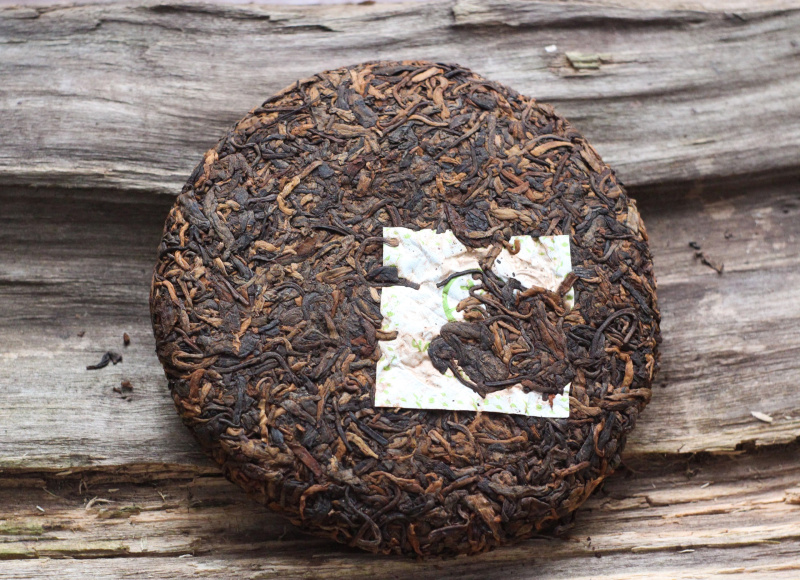
Pu-erh is one of the most unique types of tea, which only gets better with age. Many people, when they first encounter this tea, wondered: why is pu-erh more often found in pressed form (cakes, bricks, tochas), and not in loose form? The reasons for this are related to both history and the practical aspects of storing and fermenting tea. Despite modern technologies that allow the production of loose pu-erh, the shape of pressed cakes remains unchanged. And pu-erh is more often found on sale in pressed form, for example, in the form of cakes or bricks, and loose pu-erh is less common. We will talk about the reasons for pressing pu-erh into cakes in this article.
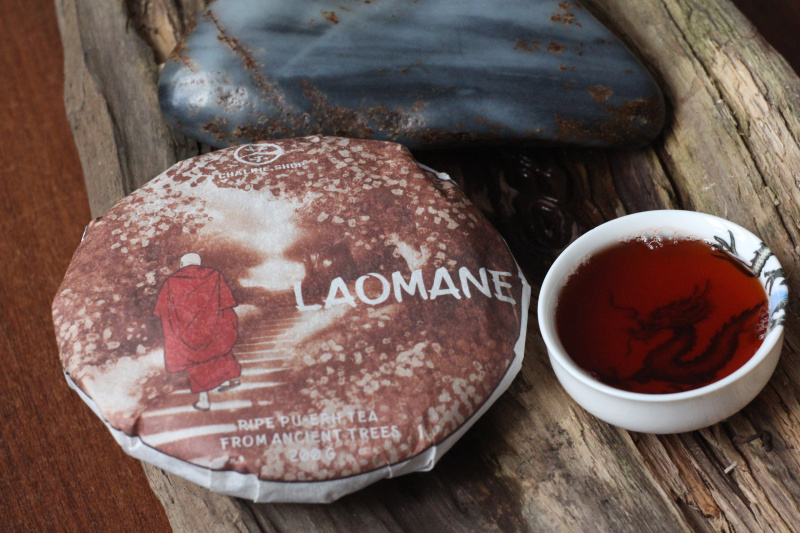
Puer is a unique Chinese tea that is distinguished by its depth of taste, complexity of aromas and versatility of aftertaste. Its taste characteristics are formed under the influence of many factors, from growing conditions to the brewing method. Let's look at the main ones.
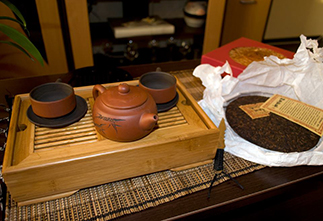

Traveling through the tea mountains, we found ourselves in another land of blue roofs - the village of Zhongcai, which is located in the Menghai district of Yunnan province. According to tradition, we were shown another local tea tree, which, according to the Chinese, is at least a million years old :) The village is very authentic, not designed for tourists, there are many wild pu-erhs there and, of course, we were warmly received. They treated us to local cuisine and tea. We also asked the residents about the prices of tea and how they have changed in recent years.
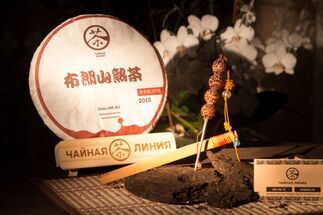
The tea ceremony holds a special place in the centuries-old Eastern tradition. While its essence remains constant, the nature and external manifestations of the tea ceremony vary among different cultures. Each Chinese province has its own distinct tea ceremony and tea used: for example, residents of the southern provinces prefer green tea, while those in the northern provinces prefer red tea. Oolong tea is more commonly used in Fujian Province, while Pu'er tea is widely known in Yunnan Province.


