






-
10 Saturation
-
9 Aftertaste
-
10 Aroma
-
9 Effect
-
10 Balance
-
9 Body
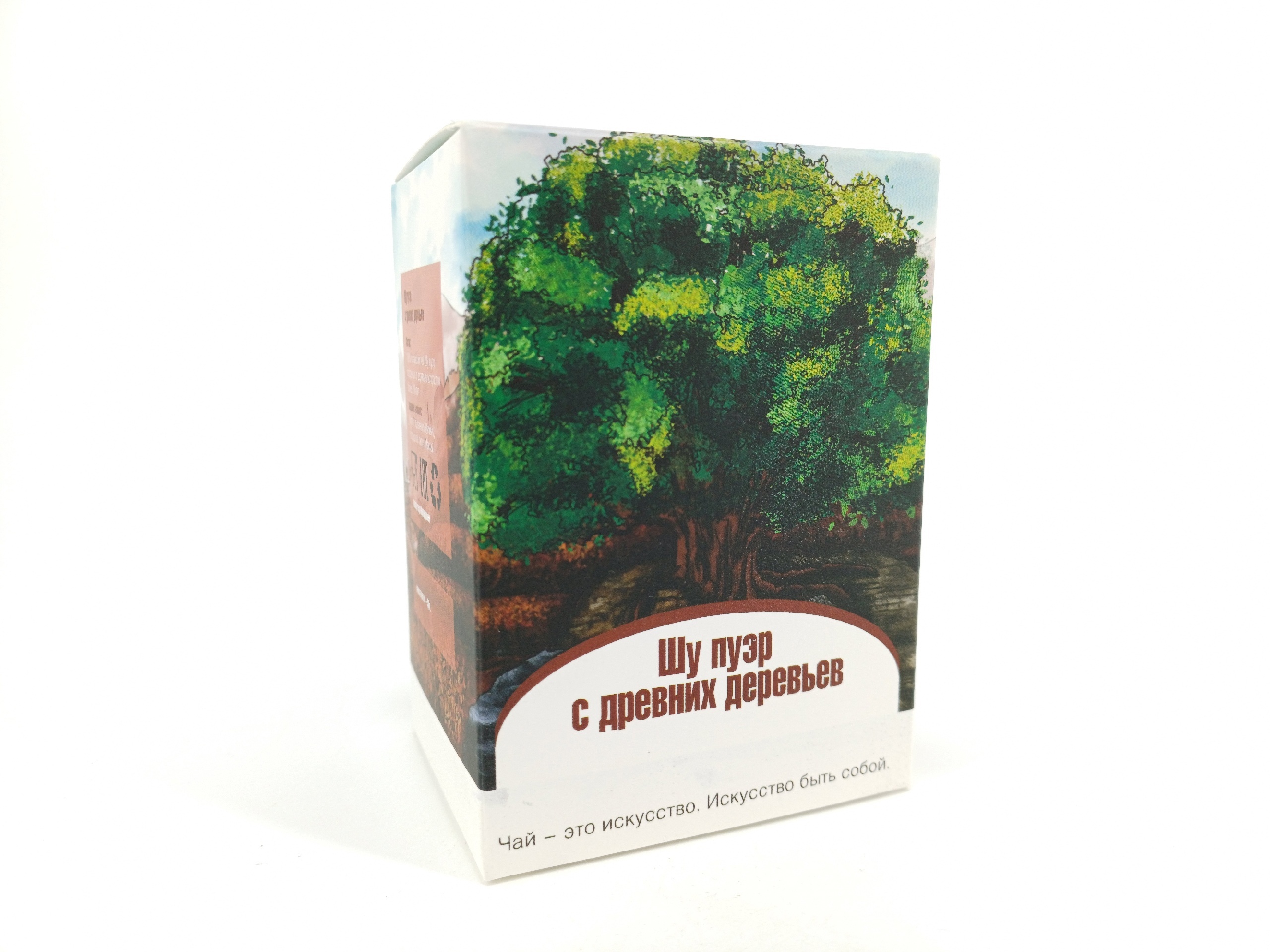
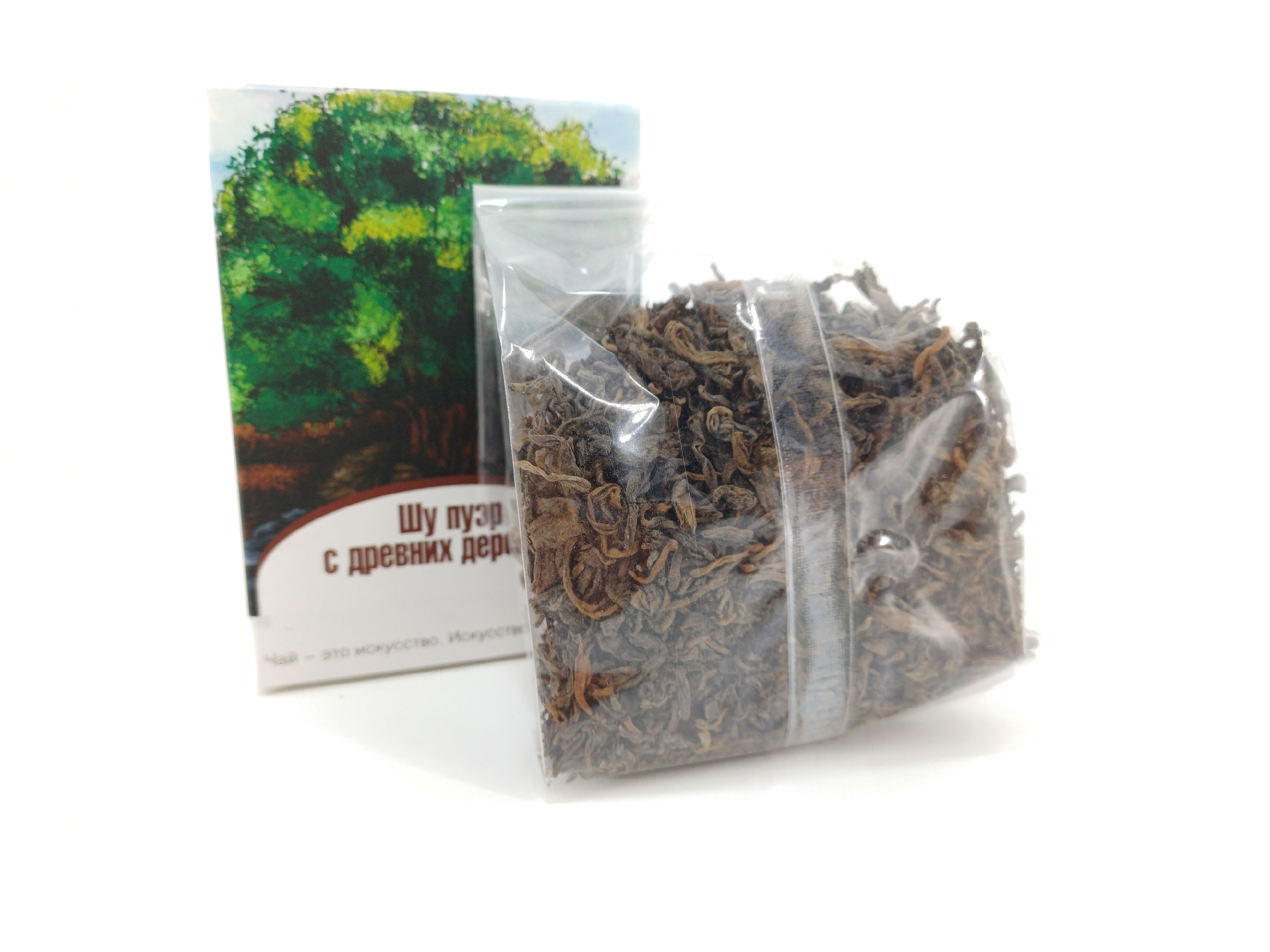
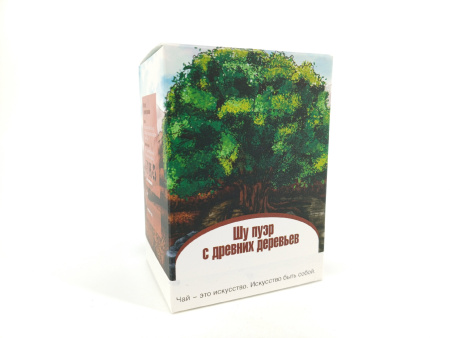
Shu Pu'er from Ancient Trees: A Treasure from the Depths of Time
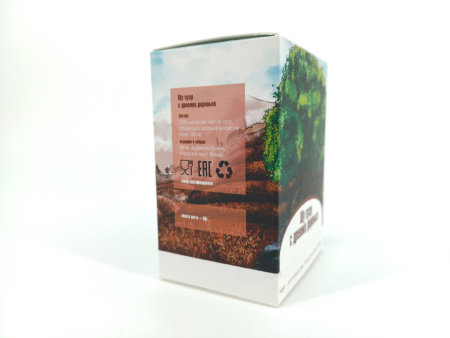
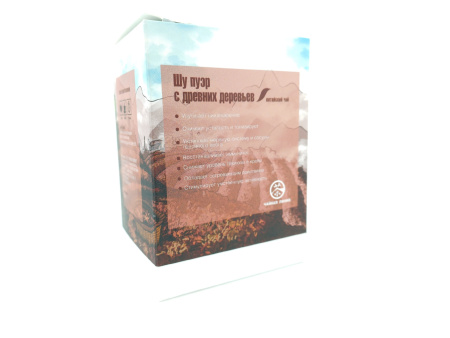
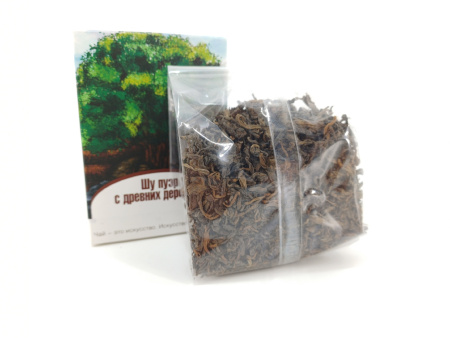
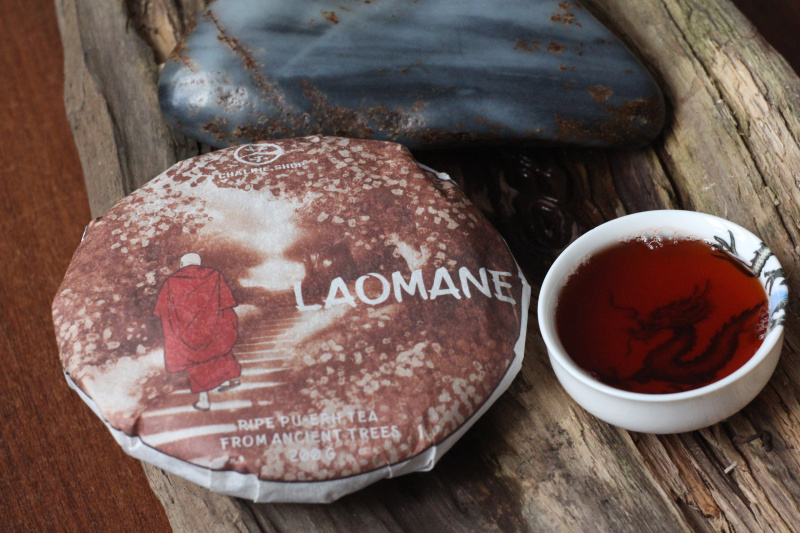
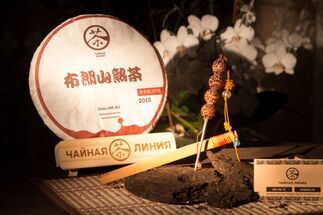
Shu pu-erh from ancient trees from the Tea Line brand is a truly unique drink that will transport you to a world of ancient traditions and inimitable flavors. Harvested from tea trees, it contains the wisdom of centuries and the richness of nature.
Birth of a Legend: The History of Tea
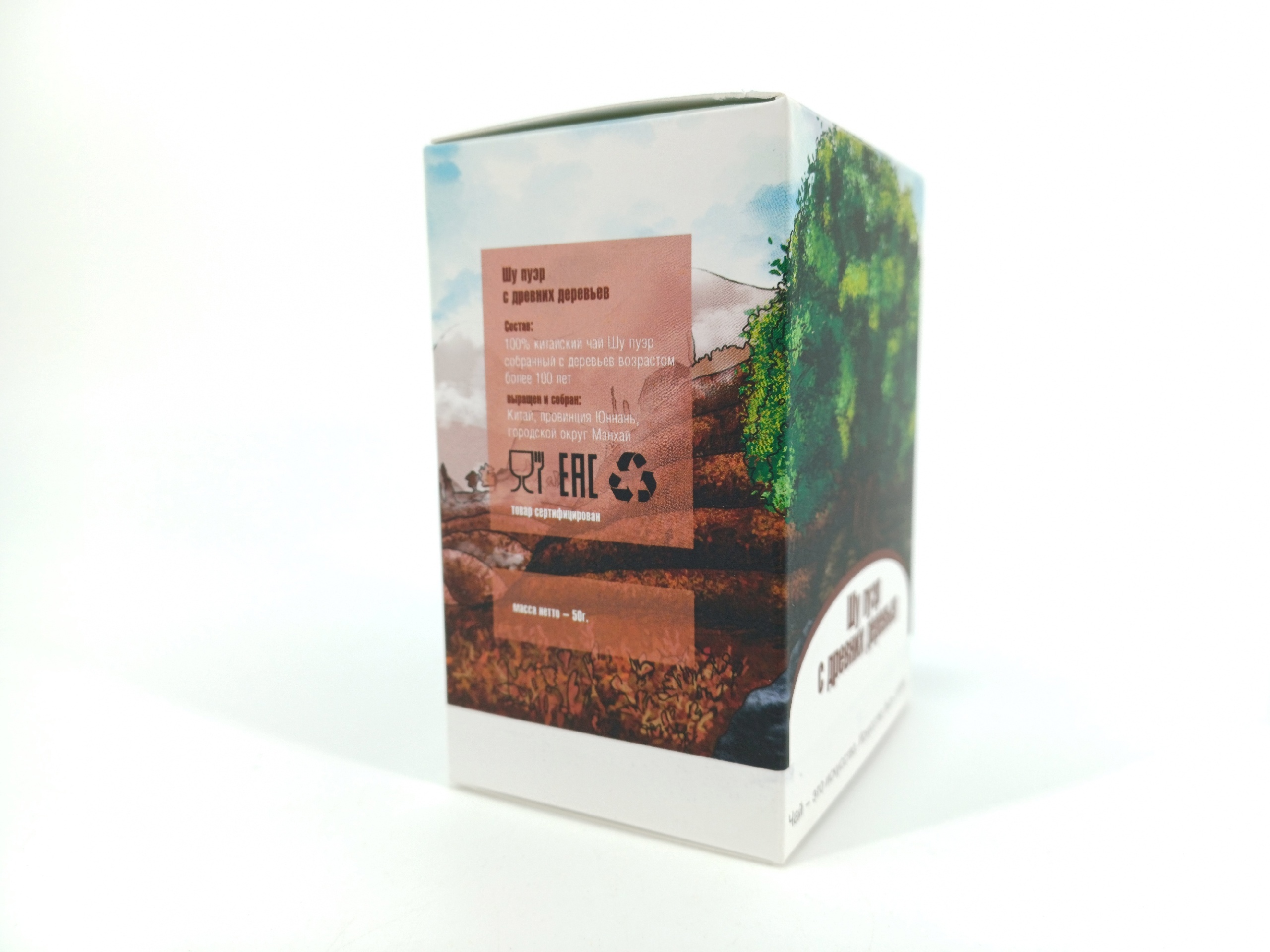
This special pu-erh comes from the Mengsong Mountains (Chinese: 勐宋, pinyin: měngsòng), a region renowned for its ancient tea trees. The tea leaves are harvested from Gu Shu trees over a hundred years old. Each leaf carries the memory of time and the energy of the earth.
Fermenting this pu'er is a true art. Master Zhang Dechun (Chinese: 张德春, pinyin: zhāng déchūn), with 19 years of experience, fermented the tea in small baskets, which allowed him to preserve all the subtle nuances of flavor and aroma. During his tea career, he worked as a technologist at the Yulin Gushucha tea factory (Chinese: 雨林古树茶, pinyin: yǔlín gǔshù chá), and currently works at the Xinhai factory (Chinese: 鑫海茶厂, pinyin: xīnhǎi cháchǎng). Mr. Zhang Dechun also owns a small tea fermentation plant called Chunla Xiyan (Chinese: 春腊习验 pinyin: chūnlà xíyàn), where this pu-erh was fermented.
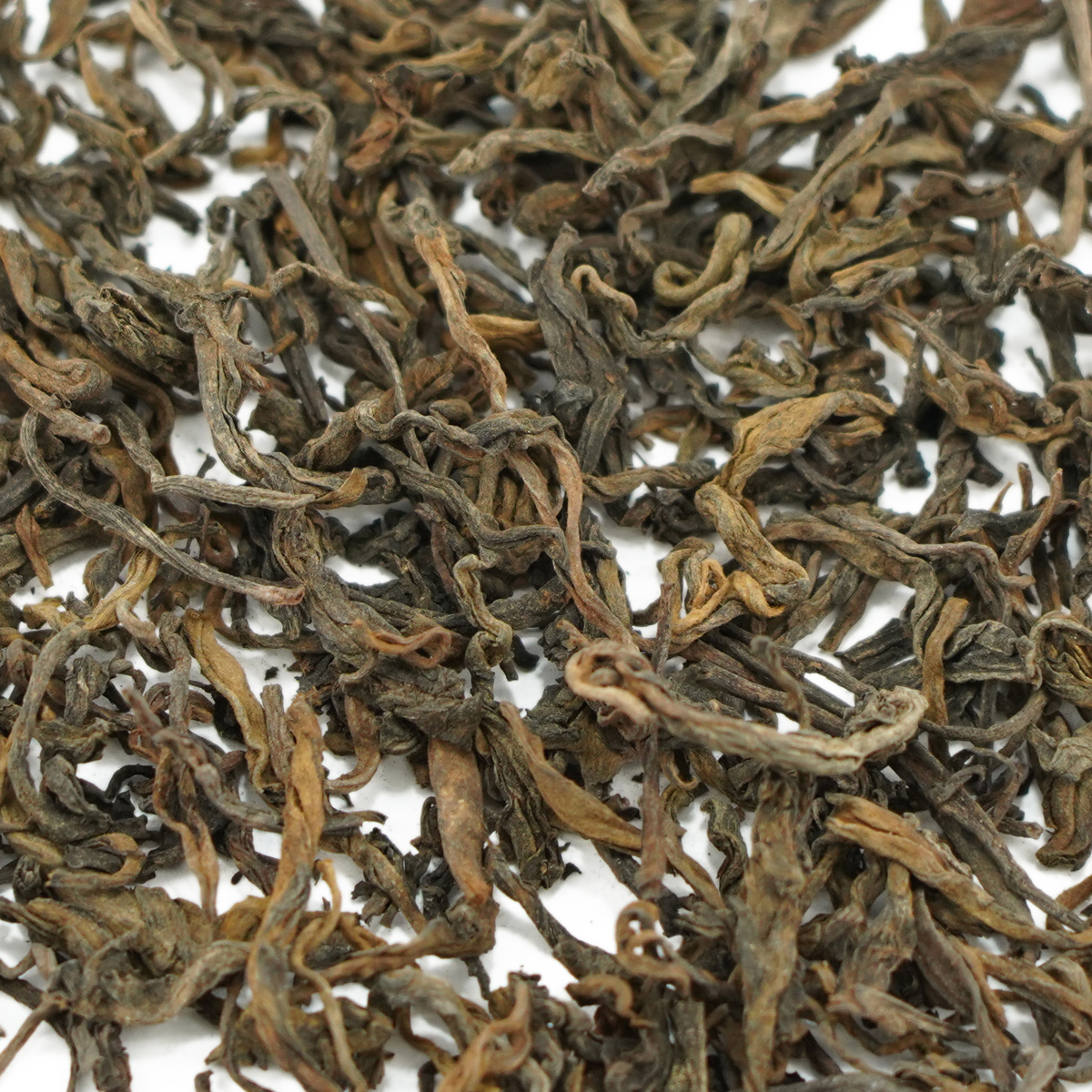
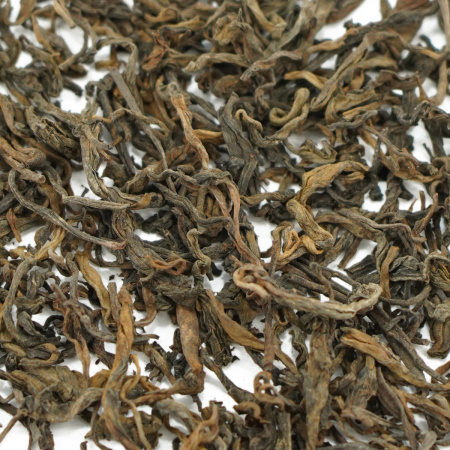
Fermentation level: 80%. Soft, noble, rich, and multifaceted flavor. A strong tea state, as befits pu-erh tea from the trees. This tea has enormous potential for storage and transformation over time.
Taste and Aroma: A Gourmet Journey
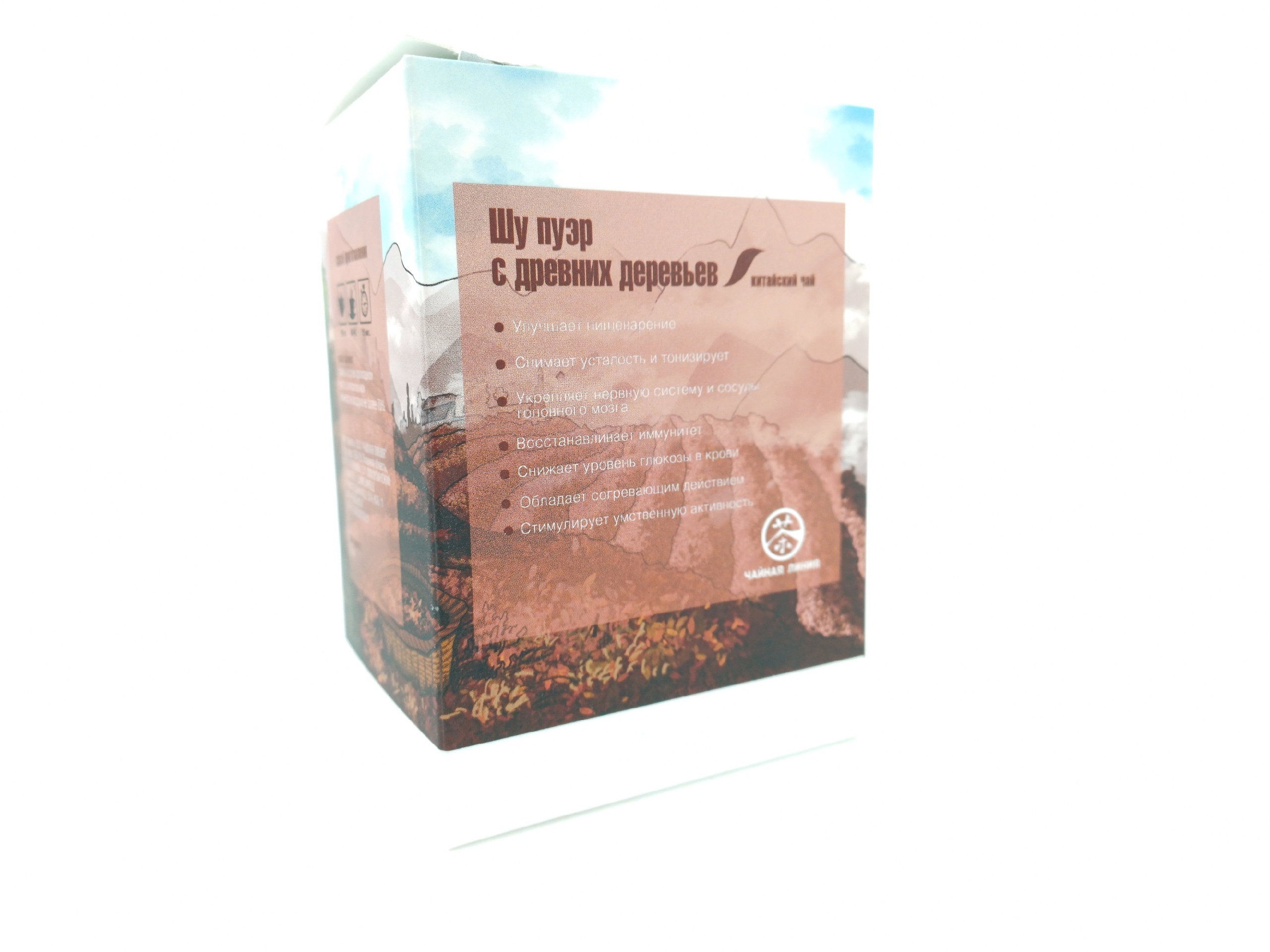
Shu pu-erh tea from ancient trees has a rich, multifaceted flavor. It harmoniously combines sweetness, tartness, and a hint of bitterness. The tea's aroma unfolds gradually, surprising with notes of wood, ripe fruit, and earth.
Key taste features:
- Soft and noble: The absence of harshness and excessive astringency makes this tea pleasant for any connoisseur.
- Rich and multifaceted: New shades of flavor are revealed in every sip.
- Strong tea state: The energy and strength of this tea can be felt from the very first minutes after brewing.
Why is it worth trying this pu-erh?
- Unique taste: Due to the age of the trees and a special fermentation method, this pu-erh has a unique taste that is difficult to confuse with other varieties.
- High Quality: Every stage of production of this tea is controlled by experienced craftsmen, which guarantees its high quality.
- Storage Potential: This pu-erh will become even more complex and interesting in flavor over time.
How to brew?
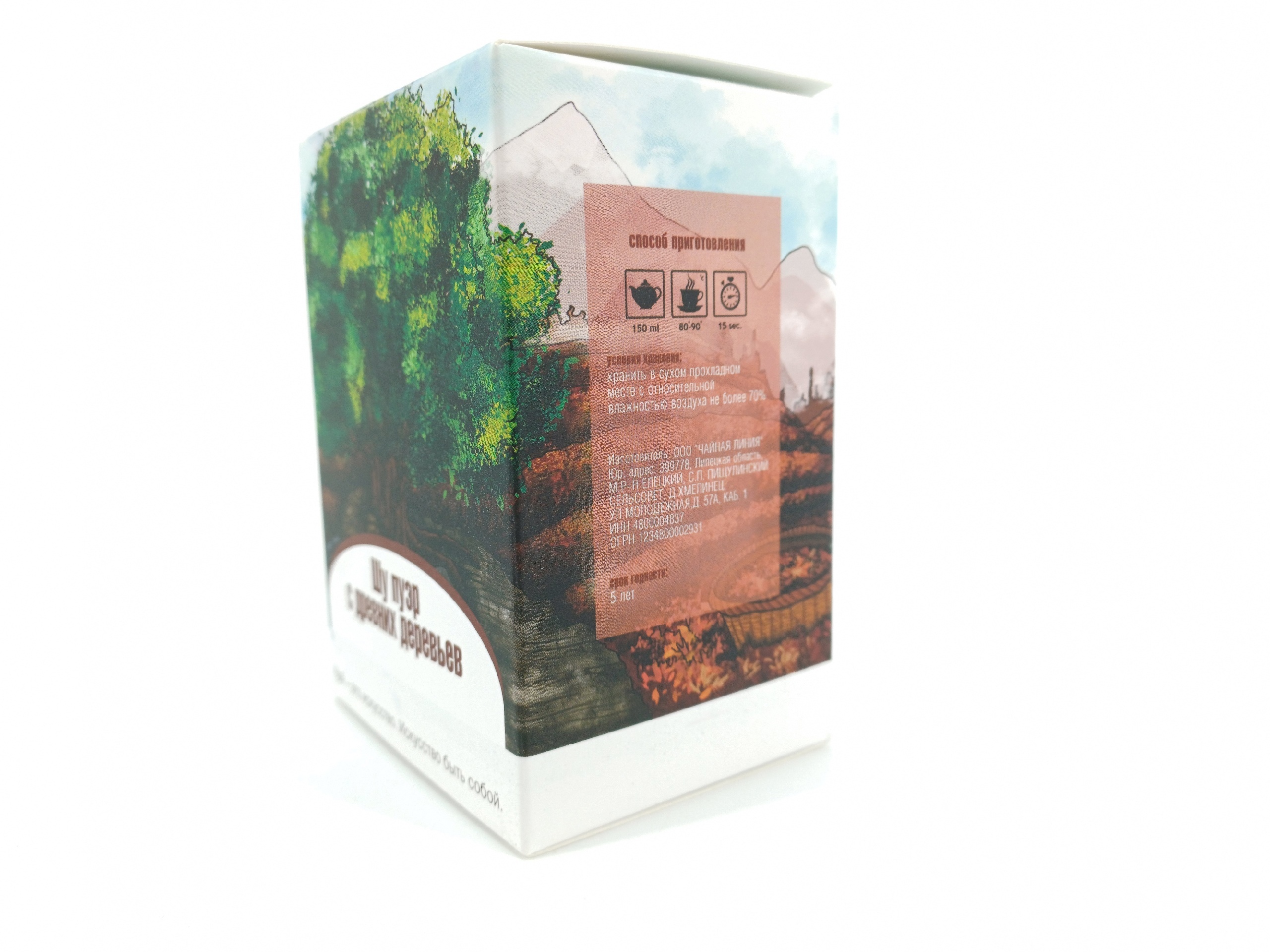
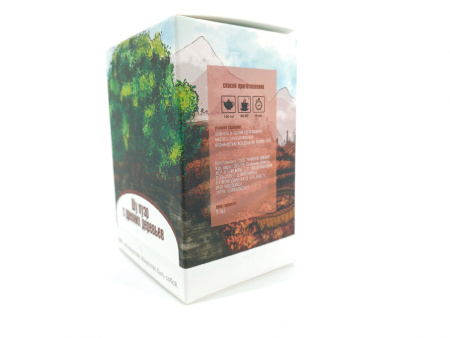
To unlock the full potential of this tea, we recommend using the traditional Chinese brewing method. The optimal water temperature for brewing is 95-100 degrees Celsius. Steeping time can be adjusted according to your preference.
Shu pu-erh from ancient trees from the Tea Line brand is more than just a drink; it's an experience you'll remember for a long time. If you value high quality, unique flavor, and a rich history, this tea is a must-have for your collection.
|
Country
|
Китай |
|
Provinces
|
Юньнань (云南) |
|
Habitat
|
Мэнсун (勐宋, měngsòng) |
|
Manufacturer
|
ООО "Чайная Линия" |
|
Date of raw material production
|
2023 |
|
Declared weight, g
|
50 |
|
Fermentation method
|
With a lift-off from the ground |
|
Type of tea raw material
|
Old trees (300-500 years) |
|
The tea is suitable.
|
for evening tea (calming), for the tea ceremony (ceremonial), to alter consciousness (intoxicating tea), to perk up (morning) |
- Reviews
- Vkontakte
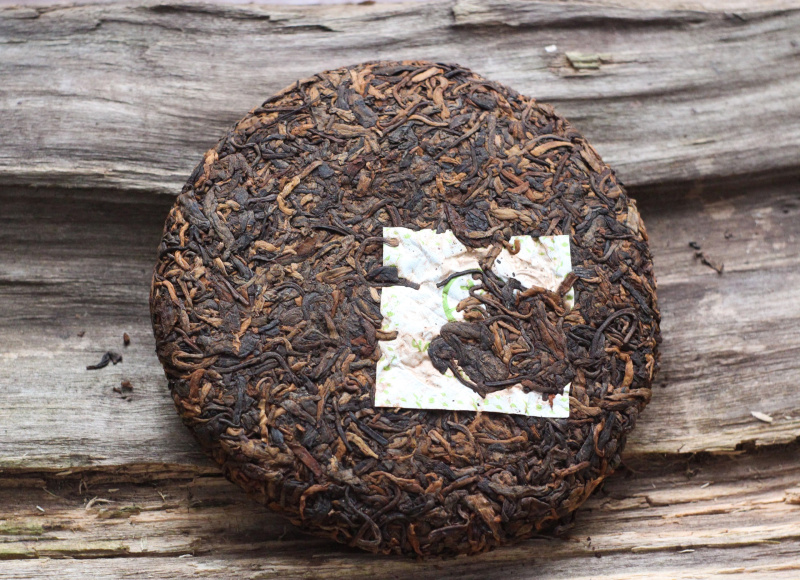
Pu-erh is one of the most unique types of tea, which only gets better with age. Many people, when they first encounter this tea, wondered: why is pu-erh more often found in pressed form (cakes, bricks, tochas), and not in loose form? The reasons for this are related to both history and the practical aspects of storing and fermenting tea. Despite modern technologies that allow the production of loose pu-erh, the shape of pressed cakes remains unchanged. And pu-erh is more often found on sale in pressed form, for example, in the form of cakes or bricks, and loose pu-erh is less common. We will talk about the reasons for pressing pu-erh into cakes in this article.
Puer is a unique Chinese tea that is distinguished by its depth of taste, complexity of aromas and versatility of aftertaste. Its taste characteristics are formed under the influence of many factors, from growing conditions to the brewing method. Let's look at the main ones.
Over time, some consumers who are part of the country's "tea elite" discover mainland Chinese tea. And only a few get acquainted with Taiwanese varieties. The path of a tea person is usually long and thorny, but ultimately it leads to the King of Teas - puer. But not everyone is able to go all the way from ordinary teas to puer and appreciate its qualities.
The tea ceremony holds a special place in the centuries-old Eastern tradition. While its essence remains constant, the nature and external manifestations of the tea ceremony vary among different cultures. Each Chinese province has its own distinct tea ceremony and tea used: for example, residents of the southern provinces prefer green tea, while those in the northern provinces prefer red tea. Oolong tea is more commonly used in Fujian Province, while Pu'er tea is widely known in Yunnan Province.
Need a consultation?
Our specialists will answer any question of interest


