









-
9 Saturation
-
9 Aftertaste
-
8 Aroma
-
8 Effect
-
8 Balance
-
8 Body
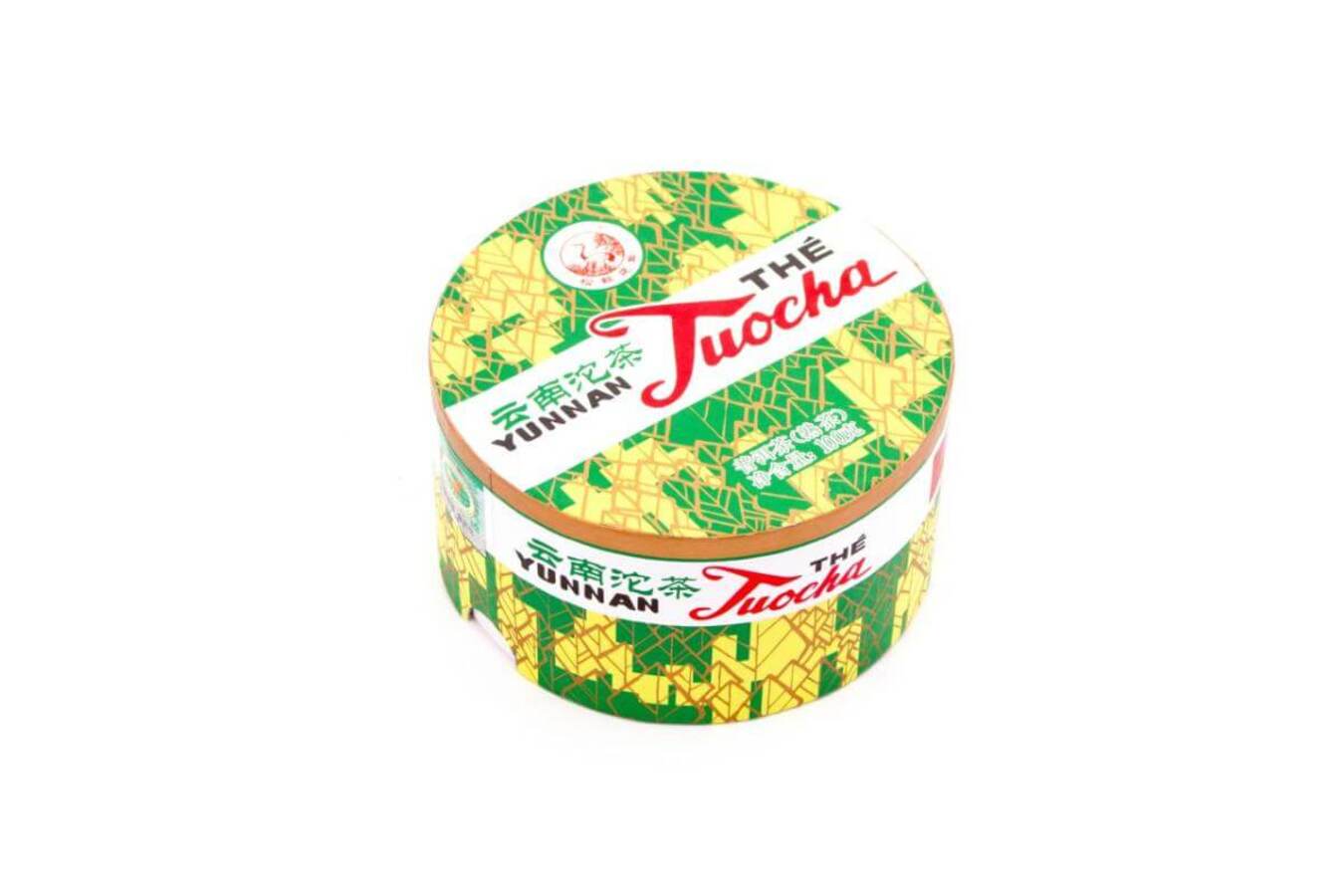
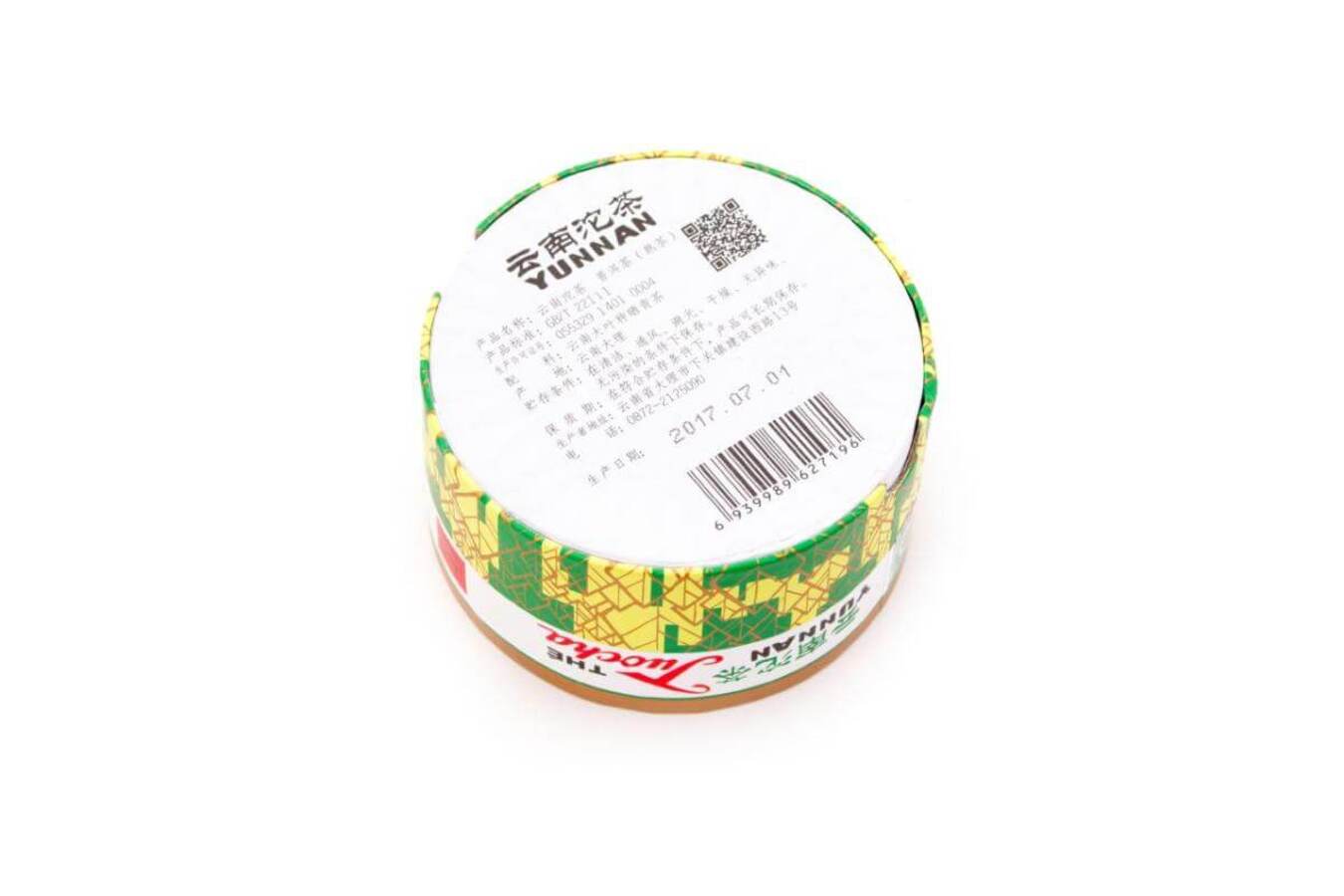
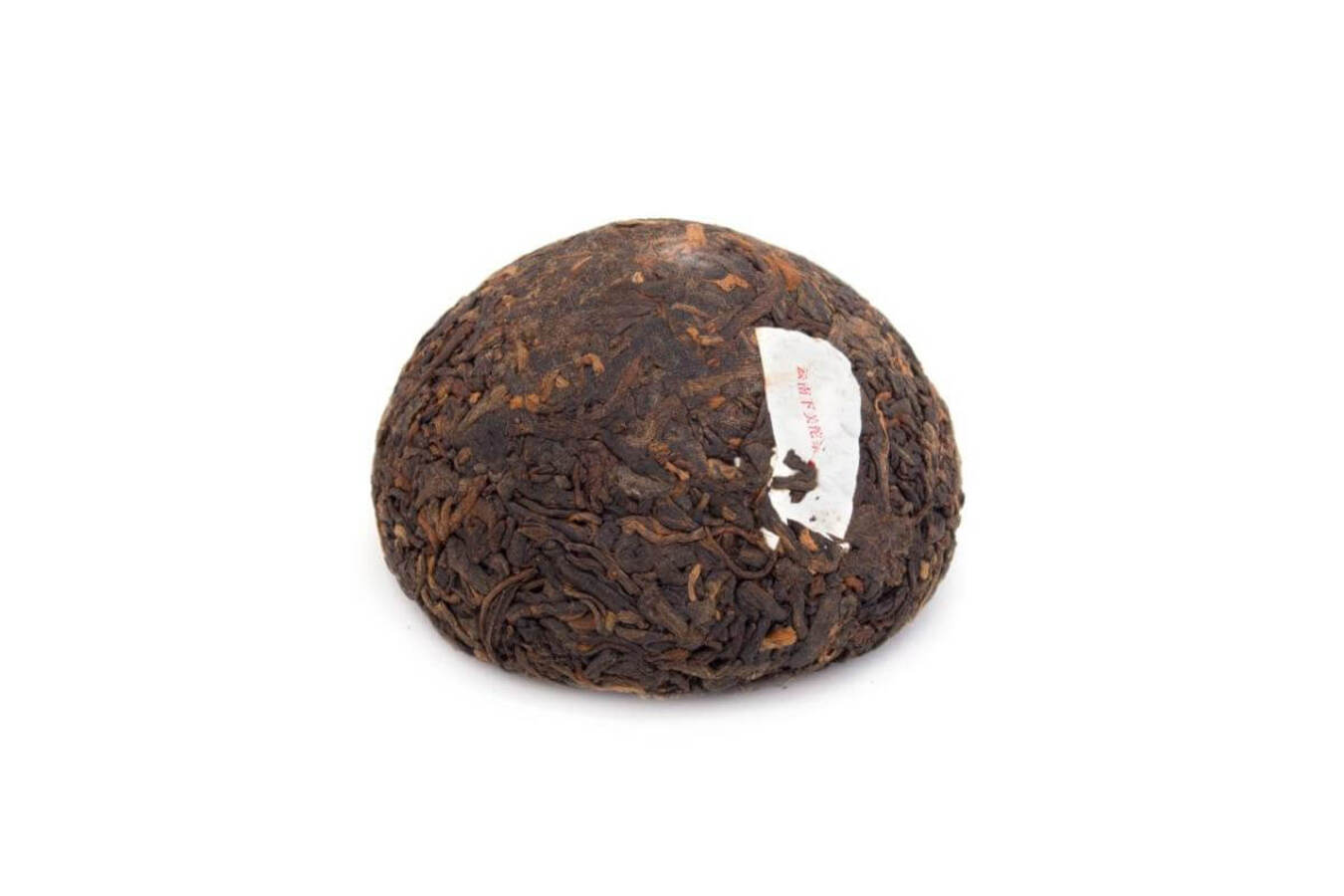
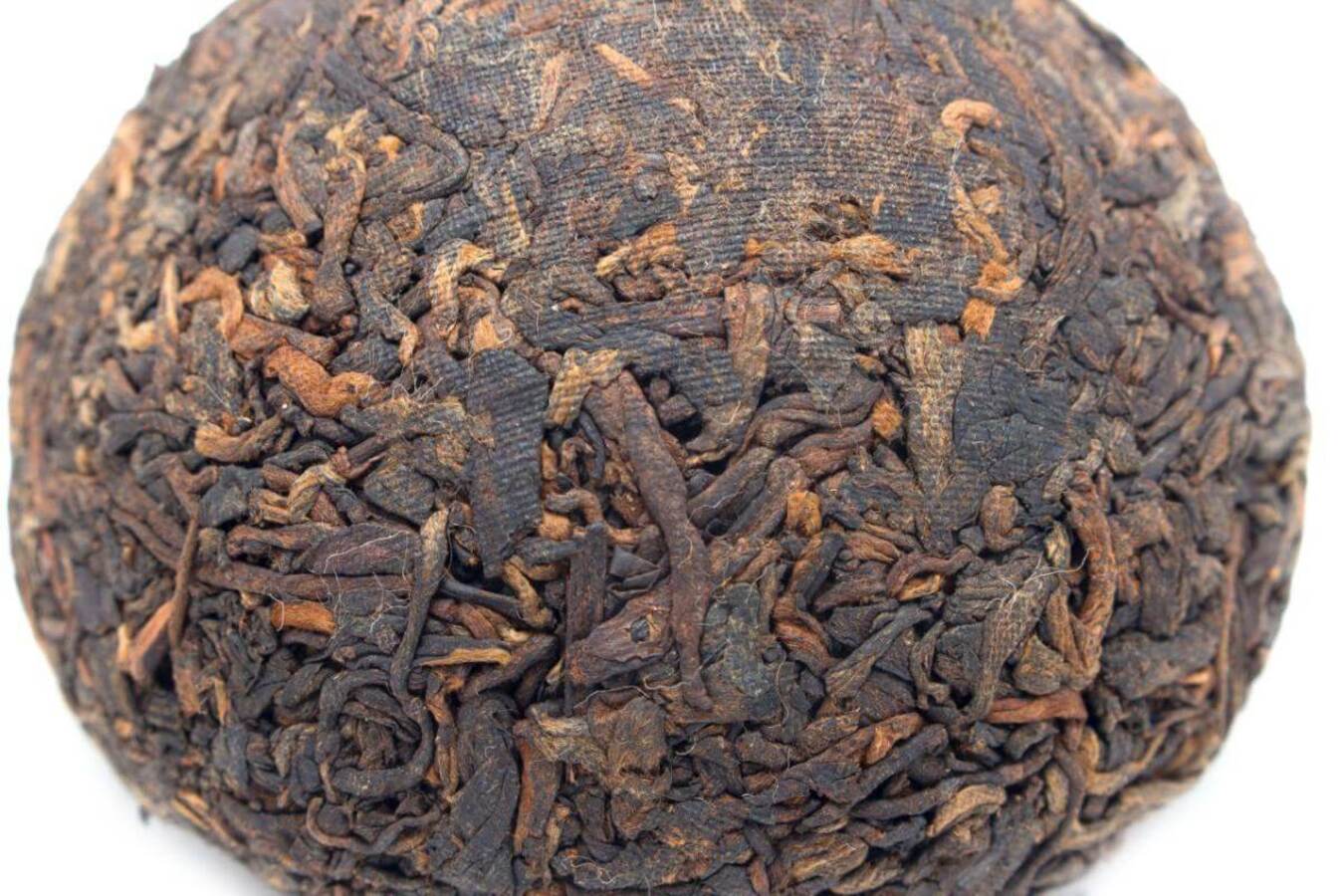
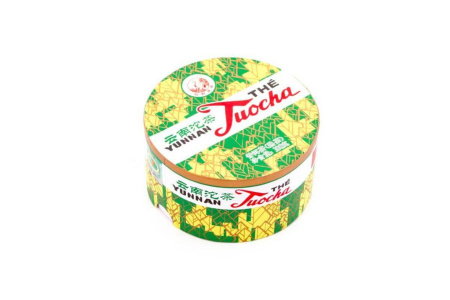
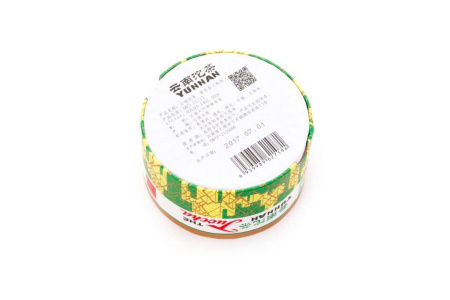
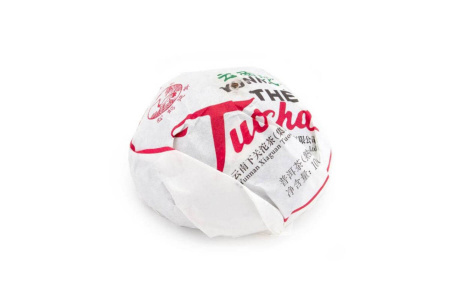
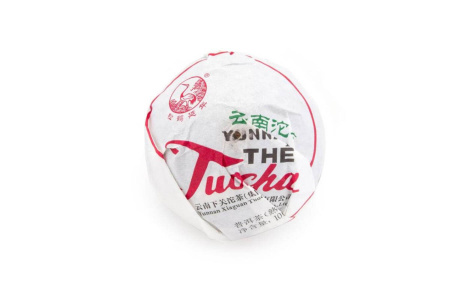
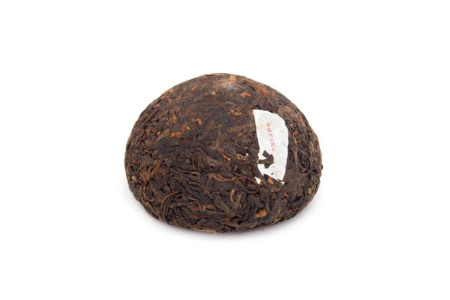
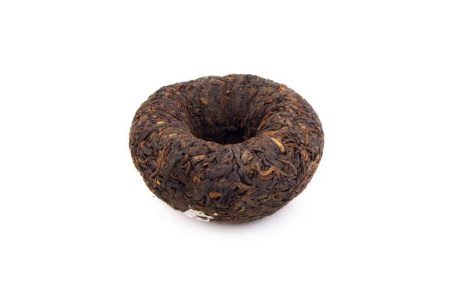
Shu Pu'er 2018 "Lux" of the "Pine and Crane" brand from the "Xiaguan" factory: An exquisite treasure from Yunnan
The 2018 Shu Pu'er "Lux" from the "Pine and Crane" brand of the Xiaguan brewery is a true masterpiece among Chinese pu'er teas. Its deep, rich flavor and multifaceted aroma make it a welcome addition to any tea ceremony.
Xiaguan factory pu-erhs are not only renowned shengs, but also high-quality shu teas with a harmonious flavor and noticeable effects. The 2018 "Lux" shu pu-erh from the "Pine and Crane" brand is a perfect example: a tea for everyday drinking that's perfect anywhere and anytime.
Production and characteristics
- Manufacturer: Xiaguan (Chinese: 云南下关沱茶集团, pinyin: Yúnnán xià guān tuóchá jítuán) is one of the oldest and most respected tea factories in China, specializing in the production of pu-erh tea.
- Brand: Pine and Crane is a popular brand of pu-erh tea produced by Xiaguan factory.
- Grade: Shu Pu-erh is a type of fermented black tea produced through accelerated fermentation.
- Year of production: 2018.
- Pressing shape: To cha (nest) – a traditional shape for pu-erhs, reminiscent of a bird’s nest.
- Weight: 100 grams.
- The name in Chinese:特级 (tèjí) – means “luxury” or “premium”, which indicates the high quality of the tea.
Taste and aroma
When dry, it has a calm, smooth aroma with notes of rustic hay and walnut shells. After washing, the aroma is velvety, with hints of damp wood and sweet spices.
This pu-erh tea can withstand up to five steepings, all of which hold up well. It develops well in a 150-200 ml Yixing clay teapot. It boasts a deep, rich flavor with notes of wood, earth, and spice. The aroma is dominated by notes of dried fruit, nuts, and a touch of sweetness.
The aftertaste is long and pleasant, with hints of chocolate and caramel. It warms you up nicely, tones you up, sobers you up, invigorates you, and puts you in a good mood.
Beneficial properties
- Improves digestion: Shu pu-erh helps normalize digestion and metabolism.
- Tones the body: Tea increases vitality and energy.
- Antioxidant properties: Protects the body's cells from the harmful effects of free radicals.
- Has a beneficial effect on the cardiovascular system: Helps lower cholesterol levels and improve blood circulation.
How to brew
- Water temperature: 95-100°C.
- Brewing time: First rinse – 10-15 seconds, subsequent brews – 30-60 seconds.
- Amount of tea: 5-7 grams per 150 ml of water.
Why is it worth trying this pu-erh?
- High quality: The tea is produced by one of the best Chinese tea factories.
- Unique taste: Deep, rich taste with a multifaceted aroma.
- Beneficial properties: Has a beneficial effect on the body as a whole.
- Collector's value: Pu-erh teas only get better with age, making this tea an excellent investment.
The 2018 Shu Pu'er "Lux" from the "Pine and Crane" brand from the Xiaguan tea factory is more than just a tea; it's a true work of art. It will be a wonderful addition to your tea collection and will provide unforgettable moments of enjoyment.
This fine shu from the renowned Xiaguan Tea Factory, when dry, has a calm, smooth aroma with notes of rustic hay and walnut shells. After washing, the aroma is velvety, with hints of damp wood and sweet spices.
The flavor of shu pu-erh is enveloping and rich, with nutty undertones and hints of wheat flour in the background. As the steeping process increases, a pleasant bitterness emerges, with hints of baked goods and spices. This pu-erh can withstand up to five steepings, which hold up well. The tea develops best in a 150-200 ml Yixing clay teapot, using 7-10 g of dry tea leaves and water at a temperature of 98-100°C.
The finished infusion is clear and a pleasant dark brown color. The aftertaste is enveloping, with hints of wheat dough and homemade cookies.
This pu-erh warms well, perfectly invigorates and sobers, gives strength and creates a good mood.
Pu'erhs from the Xiaguan factory are not only impressive shengs, but also high-quality shu teas with a harmonious flavor and a noticeable effect. The 2018 "Lux" shu pu'erh from the "Pine and Crane" brand is a case in point—a tea for everyday drinking at a relatively low price that's perfect anywhere and anytime.
|
Name in Chinese
|
特级 |
|
Pinyin
|
tèjí |
|
English name
|
Luxe |
|
Translation
|
Lux |
|
Country
|
China |
|
District
|
Dali-Bai Autonomous Okrug |
|
Provinces
|
Yunnan (云南) |
|
Prefecture
|
Dali |
|
Habitat
|
Дали (大理, dàlǐ) |
|
Manufacturer
|
Сягуань (云南下关沱茶集团) |
|
Date of raw material production
|
2018 |
|
Year of pressing
|
2018 |
|
Pressing form
|
Tuo Cha (Tuo Tea) |
|
Declared weight, g
|
100 |
|
A variety of tea tree (bush)
|
Da Ye Zhong |
|
Fermentation method
|
In heaps |
|
Size
|
10x10x6 |
|
Length, cm
|
10 |
|
Width, cm
|
10 |
- Reviews
- Vkontakte
Xiaguan Tea Factory has a history of over 70 years. It was founded in 1941 and is located in Dali, Yunnan Province, which is often called the Eastern Switzerland. Beautiful nature and favorable weather, mountains and crystal clear lakes make it possible to produce excellent quality puer. Xiaguan Tea Factory is one of the main producers of pressed tea in China. It produces over 6,000 tons of puer tea annually. Xiaguan Factory produces both Shu puer and Sheng puer. However, the most popular and recognized are Sheng puer tocha (in the form of a nest, bowl) and bingcha (in the form of a pancake).
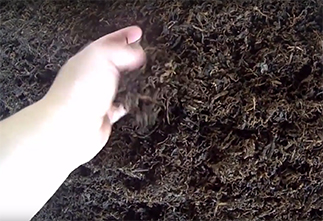
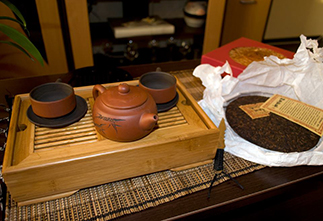
The question often arises: how to brew puerh correctly? Sometimes the phrase "to get high" is added to it. Moreover, everyone has their own understanding of this phrase. Some mean vigor, and some - intoxication. So how to brew puerh tea correctly? Let's consider several options.
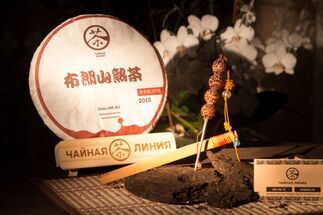
The tea ceremony occupies a special place in the centuries-old Eastern tradition. And although the essence of this phenomenon remains constant, the nature and external manifestations of the tea ceremony in different nations have their own national characteristics. In each Chinese province, the tea ceremony and the tea used in it are varied: for example, residents of the southern provinces prefer green tea, and residents of the northern provinces - red tea, in Fujian province they more often use Oolong tea, and in Yunnan province Puer tea is widely known.
Need a consultation?
Our specialists will answer any question of interest


