



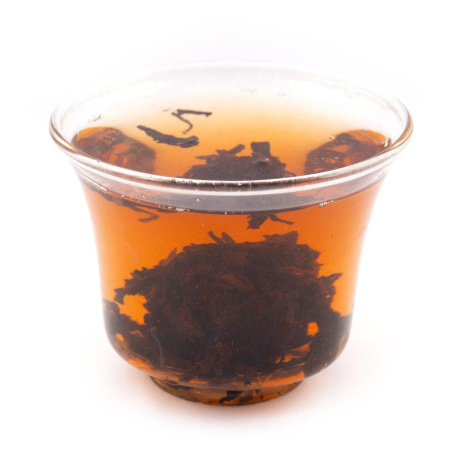
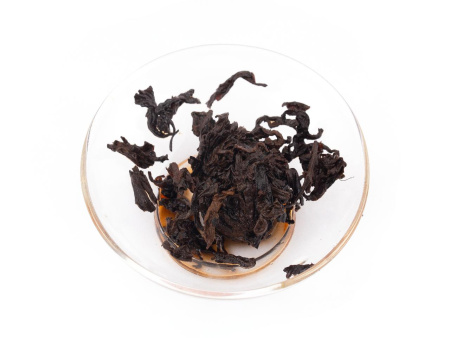

-
0 Saturation
-
0 Aftertaste
-
0 Aroma
-
0 Effect
-
0 Balance
-
0 Body
|
Name in Chinese
|
冰岛老树龙珠 |
|
Pinyin
|
bīngdǎo lǎoshù lóngzhū |
|
English name
|
bingdao laoshu longzhu |
|
Translation
|
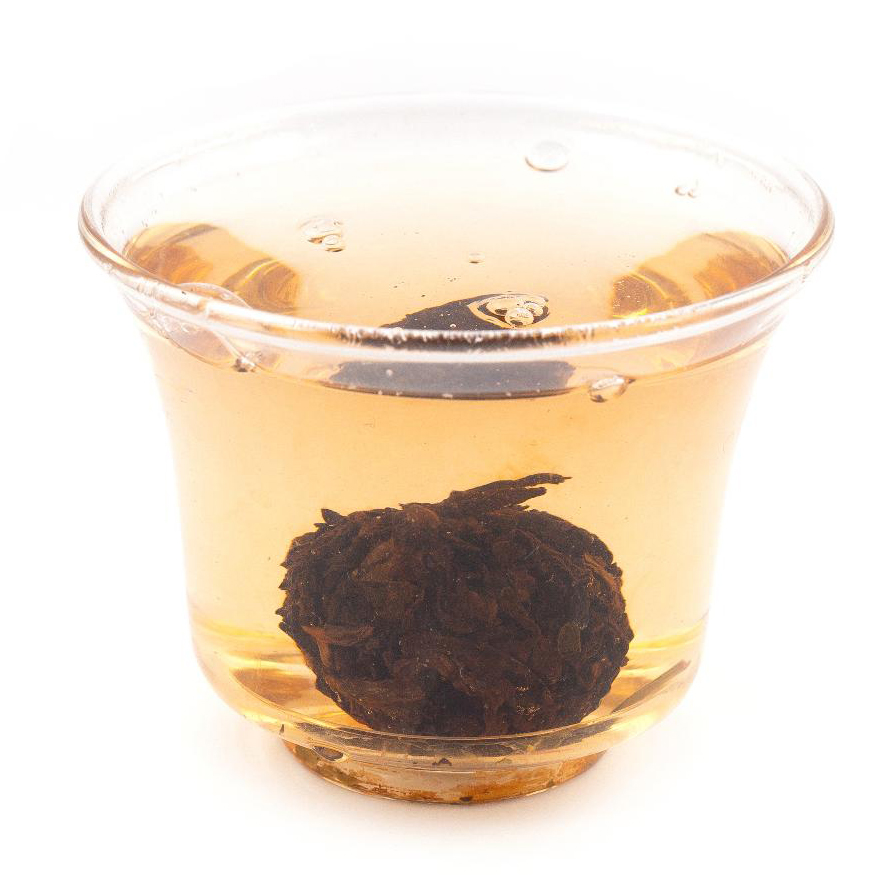
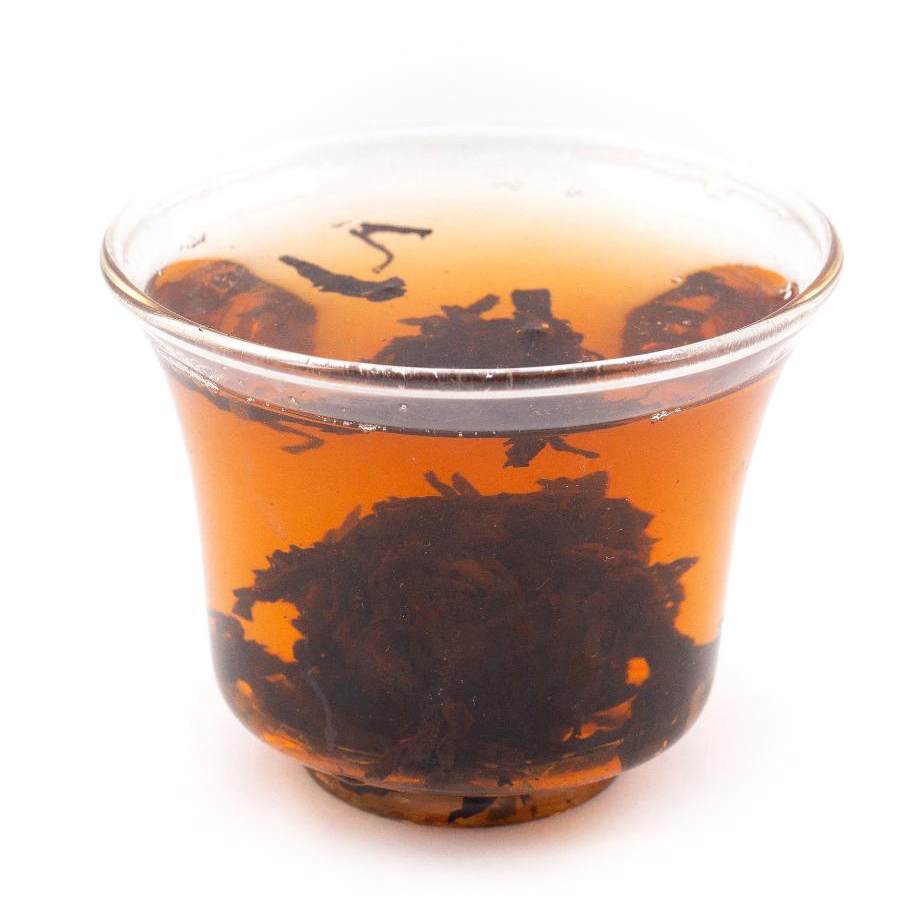
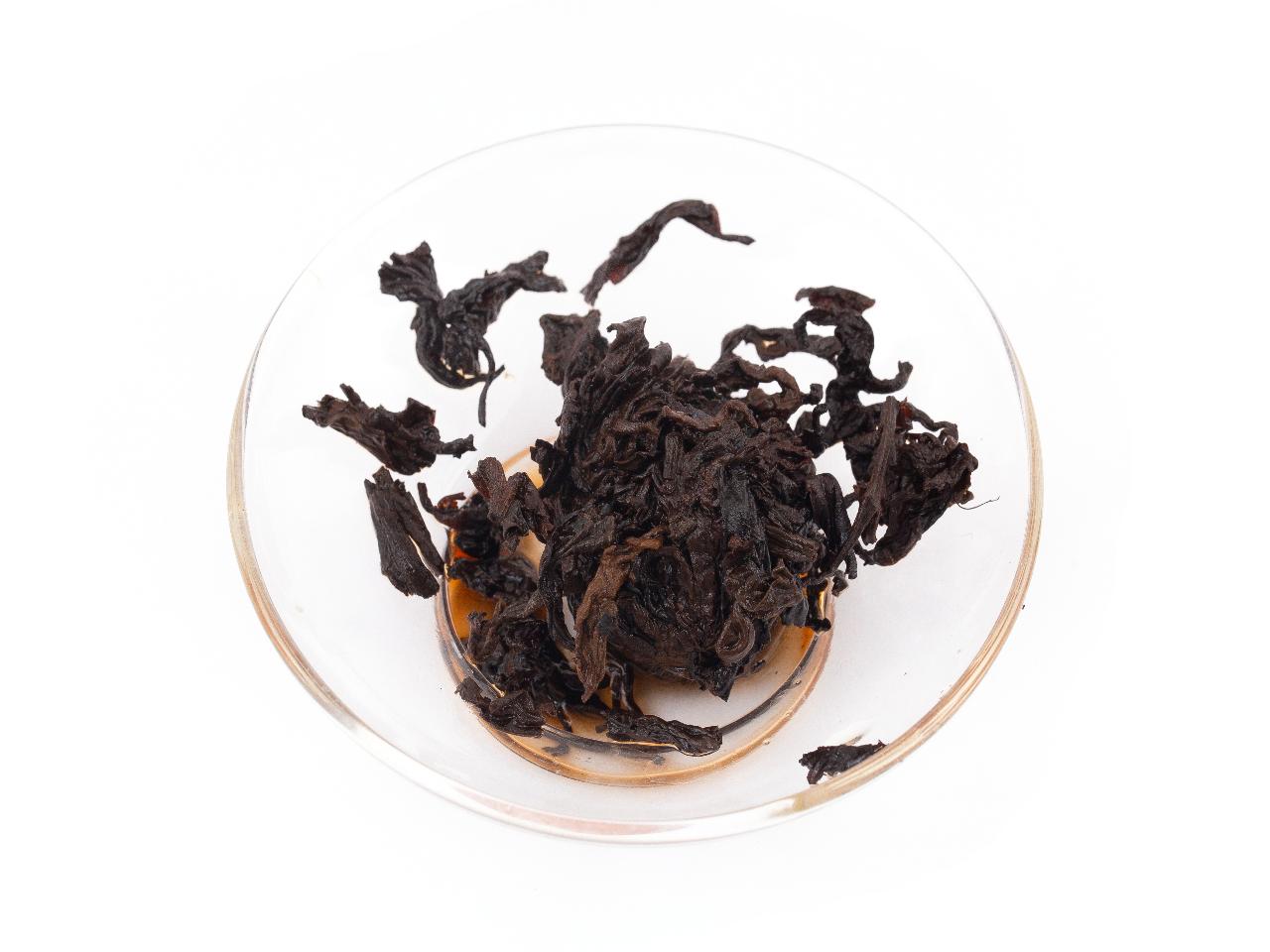
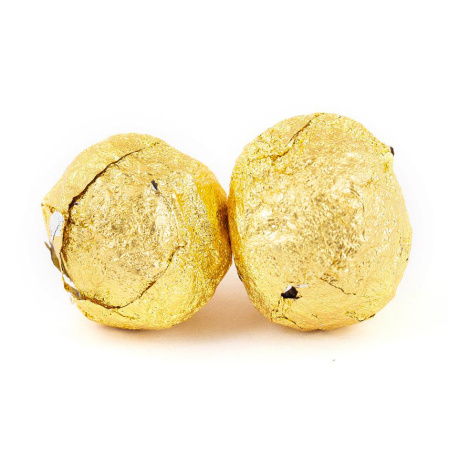
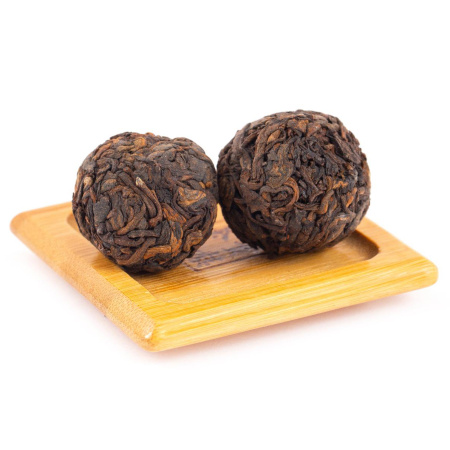
Dragon Pearl from the Old Trees of Bindao |
|
Country
|
China |
|
District
|
Lincang Prefectural District |
|
Provinces
|
Yunnan (云南) |
|
Region
|
Mengku (勐库) |
|
Habitat
|
Bingdao (冰岛) |
|
Manufacturer
|
Кайшуньхао (开顺号) |
|
Date of raw material production
|
2017 |
|
Declared weight, g
|
9 |
|
A variety of tea tree (bush)
|
Lao Shu |
|
Size
|
3x3x3 |
|
Length, cm
|
3 |
|
Width, cm
|
3 |
- Reviews
- Vkontakte
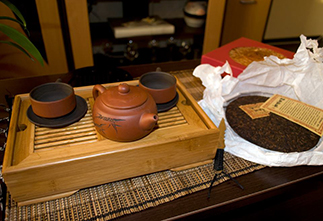
The question often arises: how to brew puerh correctly? Sometimes the phrase "to get high" is added to it. Moreover, everyone has their own understanding of this phrase. Some mean vigor, and some - intoxication. So how to brew puerh tea correctly? Let's consider several options.
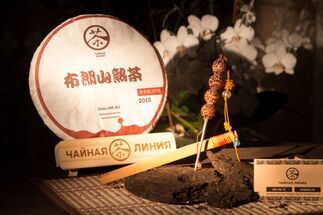
The tea ceremony occupies a special place in the centuries-old Eastern tradition. And although the essence of this phenomenon remains constant, the nature and external manifestations of the tea ceremony in different nations have their own national characteristics. In each Chinese province, the tea ceremony and the tea used in it are varied: for example, residents of the southern provinces prefer green tea, and residents of the northern provinces - red tea, in Fujian province they more often use Oolong tea, and in Yunnan province Puer tea is widely known.
В нашем ассортименте пуэров широко представлена линейка завода "Кайшуньхао". Мы познакомились с владельцем во время одного из путешествий в Китай. Это было время, когда мы открывали новые горизонты для сотрудничества основываясь на качестве и адекватной цене! Так кто же такие эти увлеченные своим делом люди?)
Need a consultation?
Our specialists will answer any question of interest


