







-
8 Saturation
-
8 Aftertaste
-
9 Aroma
-
7 Effect
-
9 Balance
-
9 Body
Zhongguo Feng Shu Pu'er (中国风) 2021 by Zhoushi: A Multifaceted "Chinese Style"
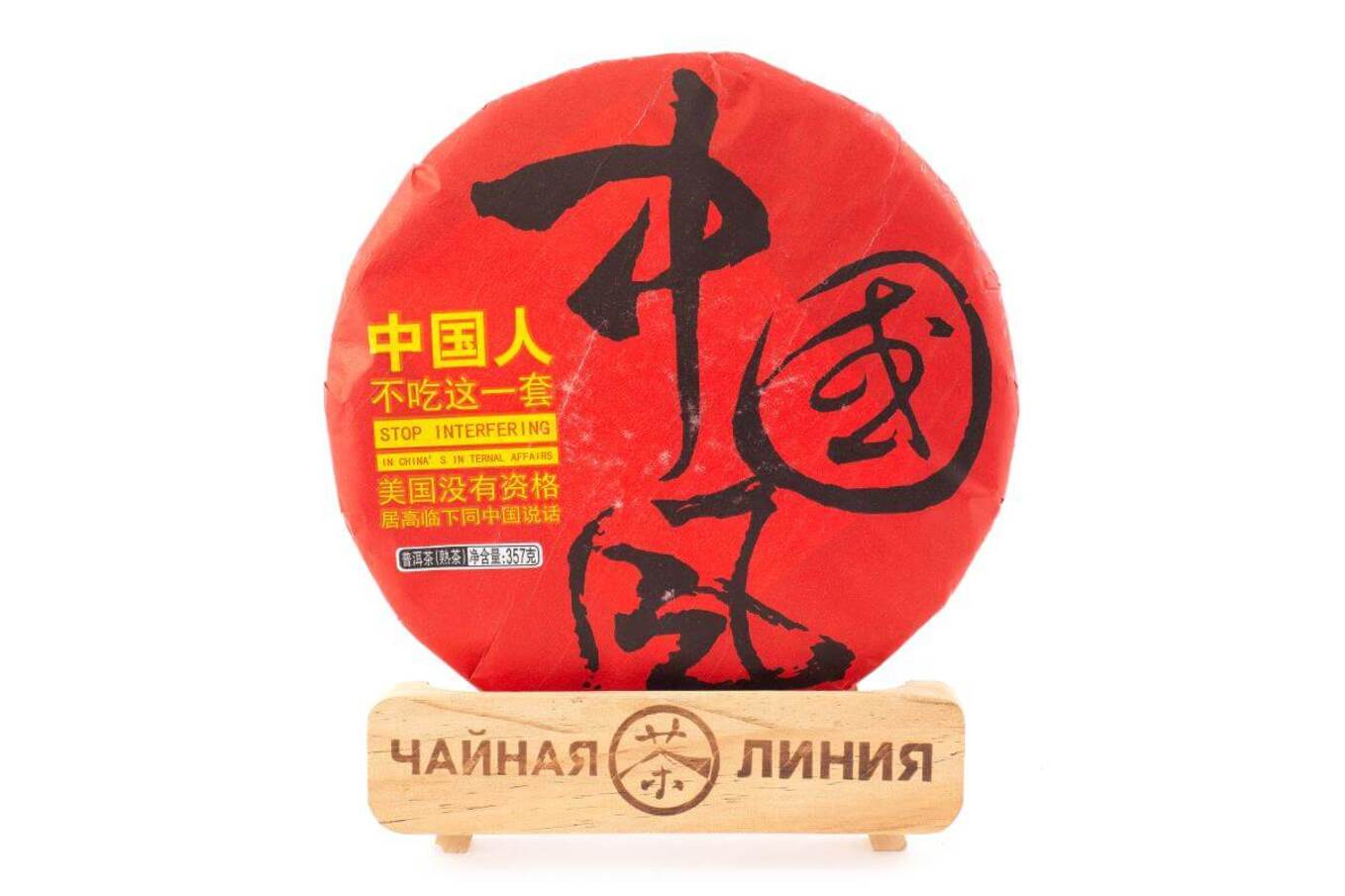
Zhongguo Feng (中国风, Zhōngguó fēng), translated as "Chinese Wind" or "Chinese Style," is a 2021 harvest shu pu'er (熟普洱, Shú pǔ'ěr) from the renowned producer Zhoushi (周氏, Zhōu shì). This tea hails from the heart of pu'er lands—Xishuangbanna Dai Autonomous Prefecture, Yunnan Province—and is presented in the classic 357-gram bing cha (饼茶, Bǐng chá) cake. This pu'er offers a surprisingly rich and harmonious taste experience.
Zhoushi (周氏, Zhou shì), where the word "shi," meaning "clan," refers to a family brand, is a producer from the renowned Xishuangbanna region. By choosing the name "Zhongguo Feng" for their tea, they may have been aiming to create a profile that reflects the classic and characteristic features of Chinese shu pu-erh. And judging by the positive reviews, they have succeeded in creating not just a basic tea, but a highly versatile and beautifully balanced one.
Vintage 2021 and appearance
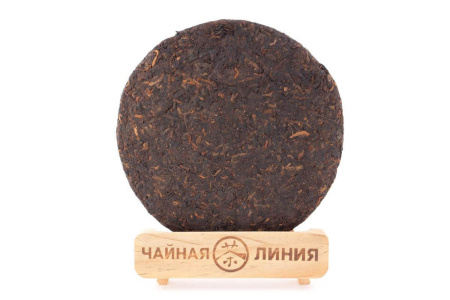
The tea was made from 2021 tea leaves, making it currently around 3.5 years old—enough for the initial fermentation notes to soften while maintaining its freshness and vigor. The cake is visually pleasing, with a fairly dense pressing and beautifully arranged tea leaves inside. The attractive, promising cover also adds to the aesthetic appeal.
Taste and aroma: a surprising balance of opposites
- Versatility: Reviews describe this pu-erh as "fresh, delicious," "a current favorite," and "very versatile." It surprisingly combines seemingly disparate profiles:
- Woody-chocolate notes: Classic for shu pu-erh.
- Honey Sweetness: Adds softness and depth.
- Camphor: Adds freshness and a noble touch.
- A little tobacco: Adds a spicy, tart note.
- Texture: Soft, creamy.
- Aftertaste: A pleasant sweetness lingers on the exhale, and a pleasant aftertaste lingers long after drinking the tea.
- Effect: Tea is great for the morning, helping you to wake up.
Brewing recommendations
Standard method for shu puer:
- Preparation: Break off 5-8 grams of tea from a tightly pressed pancake.
- Rinsing: Rinse the tea 1-2 times with boiling water (95-100°C), quickly draining the water.
- Brewing: Use boiling water. Start with short infusions (10-15 seconds), gradually increasing the time for each subsequent infusion.
The 2021 Zhongguo Feng Shu Pu'er from Zhoushi is a shining example of a successful recipe for Shu Pu'er, which has received high praise from consumers. Its main strength lies in the surprisingly harmonious combination of diverse flavor notes (wood, chocolate, honey, camphor, and tobacco), a soft, creamy texture, and a long, pleasant aftertaste. An attractive appearance and invigorating effect complete the picture. This tea is confidently recommended both for an introduction to high-quality Shu Pu'er and for daily consumption by experienced connoisseurs seeking a complex yet balanced flavor.
|
Name in Chinese
|
中国风 |
|
Pinyin
|
zhōngguó fēng |
|
English name
|
Chinese wind |
|
Translation
|
Chinese wind / Chinese style |
|
Country
|
China |
|
District
|
Xishuangbanna Dai Autonomous Prefecture |
|
Provinces
|
Yunnan (云南) |
|
Manufacturer
|
Чжоуши (周氏) |
|
Date of raw material production
|
2021 |
|
Year of pressing
|
2021 |
|
Pressing form
|
Bing Cha (Cake Tea) |
|
Declared weight, g
|
357 |
|
Size
|
20x20x2 |
|
Length, cm
|
20 |
|
Width, cm
|
20 |
- Reviews
- Vkontakte
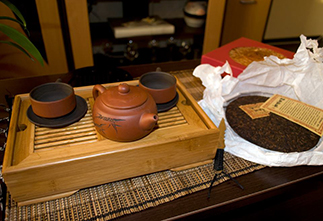
The question often arises: how to brew puerh correctly? Sometimes the phrase "to get high" is added to it. Moreover, everyone has their own understanding of this phrase. Some mean vigor, and some - intoxication. So how to brew puerh tea correctly? Let's consider several options.
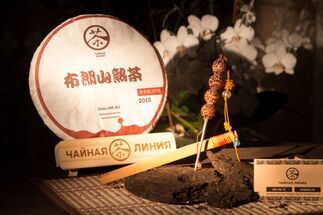
The tea ceremony occupies a special place in the centuries-old Eastern tradition. And although the essence of this phenomenon remains constant, the nature and external manifestations of the tea ceremony in different nations have their own national characteristics. In each Chinese province, the tea ceremony and the tea used in it are varied: for example, residents of the southern provinces prefer green tea, and residents of the northern provinces - red tea, in Fujian province they more often use Oolong tea, and in Yunnan province Puer tea is widely known.


