




-
0 Saturation
-
0 Aftertaste
-
0 Aroma
-
0 Effect
-
0 Balance
-
0 Body
The aroma, when warmed by the breath, is calm and melodic, moderately woody, with hints of dry hay and mixed grass.
After rinsing, it intensifies, adding creamy notes, orchid flower shades, and raisins.The brewed tea's flavor is soft, rounded, and buttery. The taste features notes of wood, dried herbs, and hints of cream and dried fruit. This pu-erh can be brewed very strongly, yet it remains soft, becoming more velvety and rich, without becoming "oil-like" or bitter.
With the straits, shades of wet autumn leaves, dried fruits, and dogwood are added.
The finish is bright, slightly sweet, woody and nutty. Hints of Turkish sweets and dried fruits emerge.
This pu-erh tea is incredibly invigorating, dispelling drowsiness, setting the right mood, warming, and stimulating. It doesn't require any specific brewing instructions, but it's especially delicious in a Yixing clay teapot.
Shu Pu'er 2013 "From Old Banzhangwang Trees" is one of the best everyday pu'er options in terms of price and quality. It has a very pleasant taste, a long aftertaste, and a high-quality tea texture. It's great in the morning, enjoyable at lunch, and delicious in the evening!

|
Country
|
China |
|
Provinces
|
Yunnan (云南) |
|
Year of pressing
|
2013 |
|
Pressing form
|
Bing Cha (Cake Tea) |
- Reviews
- Vkontakte
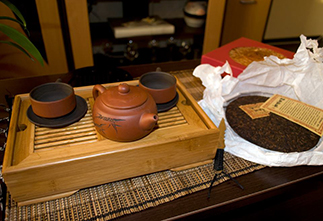
The question often arises: how to brew puerh correctly? Sometimes the phrase "to get high" is added to it. Moreover, everyone has their own understanding of this phrase. Some mean vigor, and some - intoxication. So how to brew puerh tea correctly? Let's consider several options.
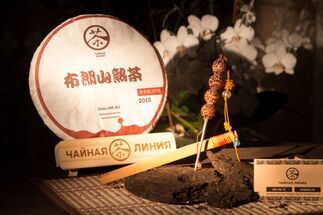
The tea ceremony occupies a special place in the centuries-old Eastern tradition. And although the essence of this phenomenon remains constant, the nature and external manifestations of the tea ceremony in different nations have their own national characteristics. In each Chinese province, the tea ceremony and the tea used in it are varied: for example, residents of the southern provinces prefer green tea, and residents of the northern provinces - red tea, in Fujian province they more often use Oolong tea, and in Yunnan province Puer tea is widely known.


