





-
0 Saturation
-
0 Aftertaste
-
0 Aroma
-
0 Effect
-
0 Balance
-
0 Body
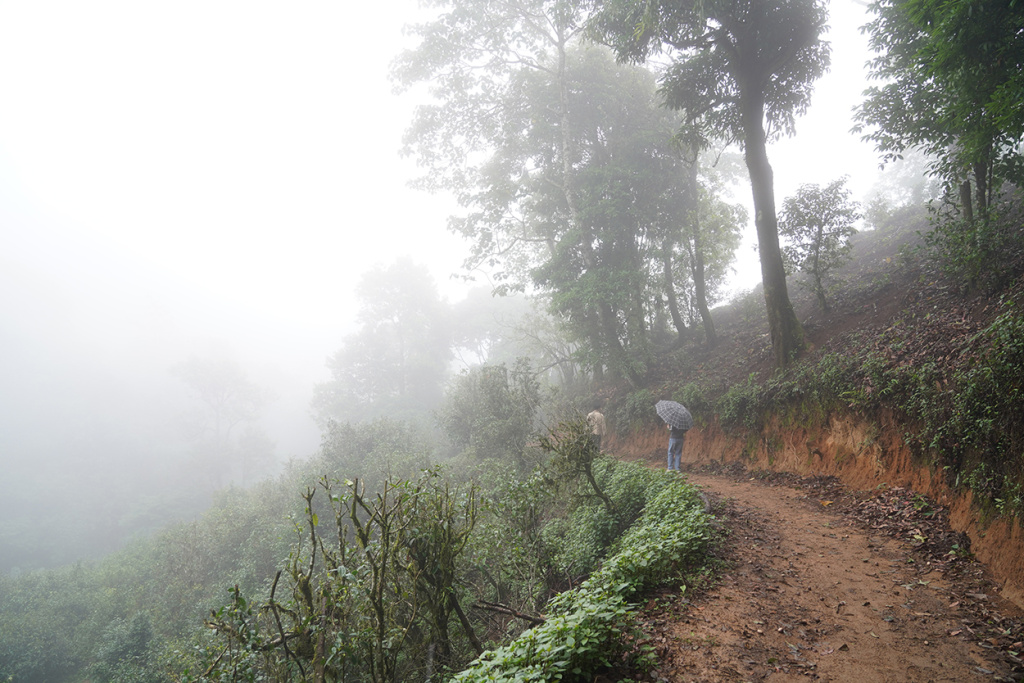
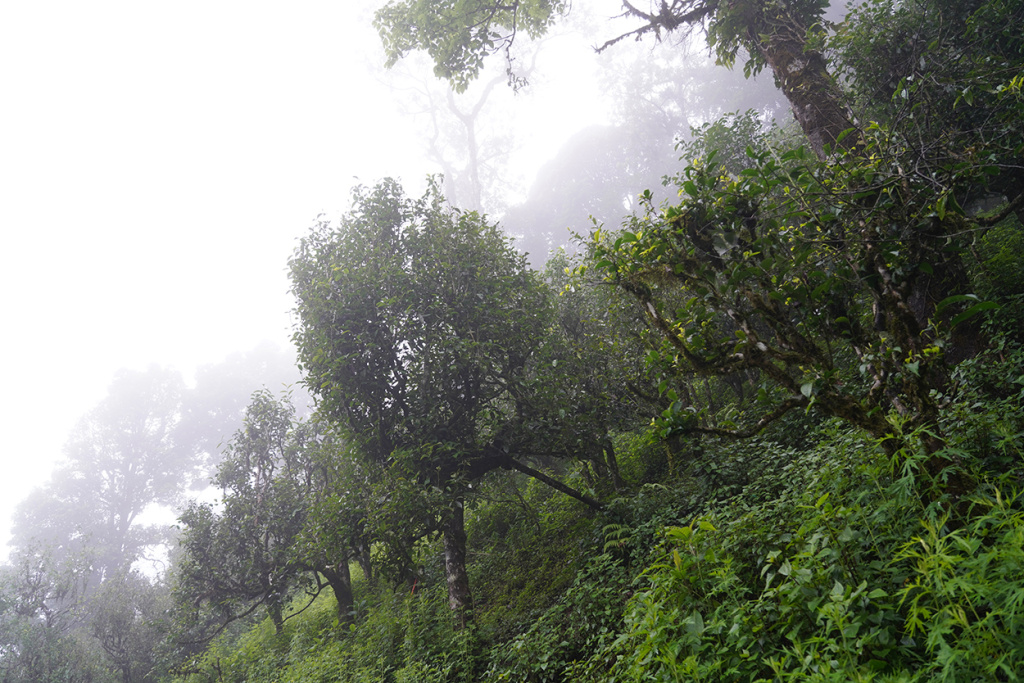


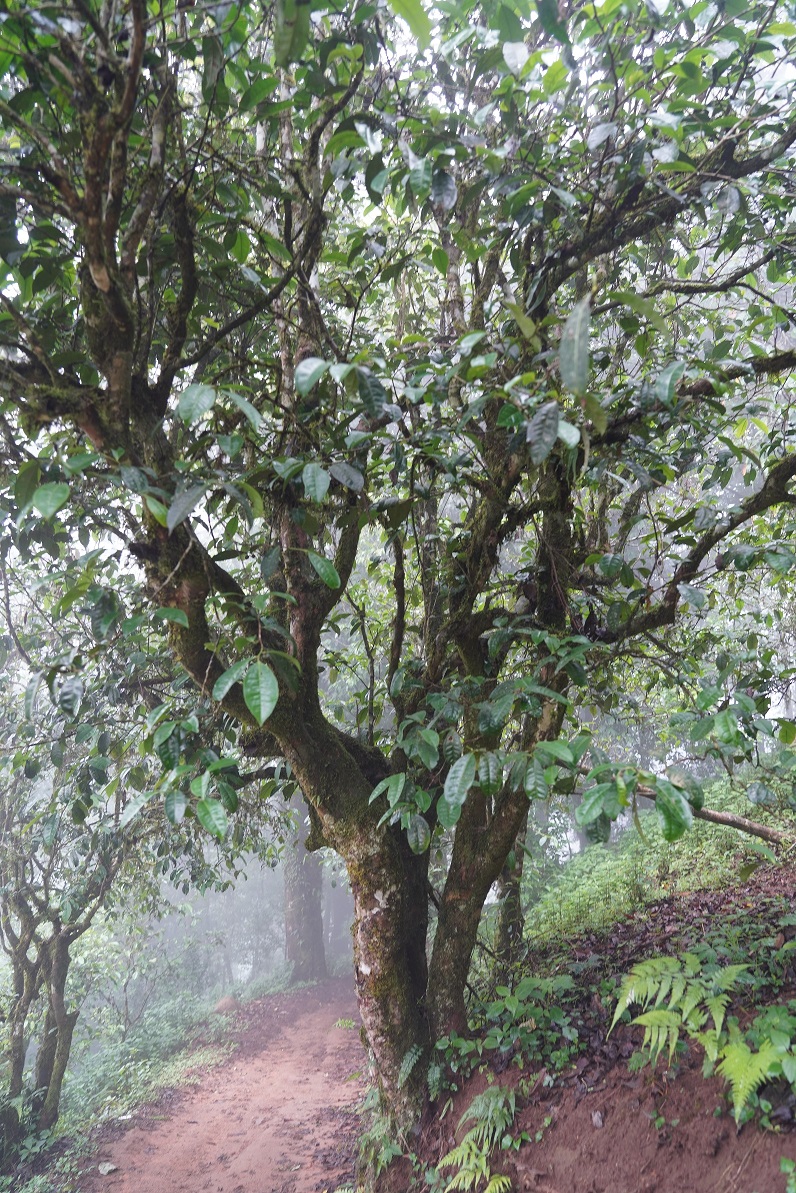
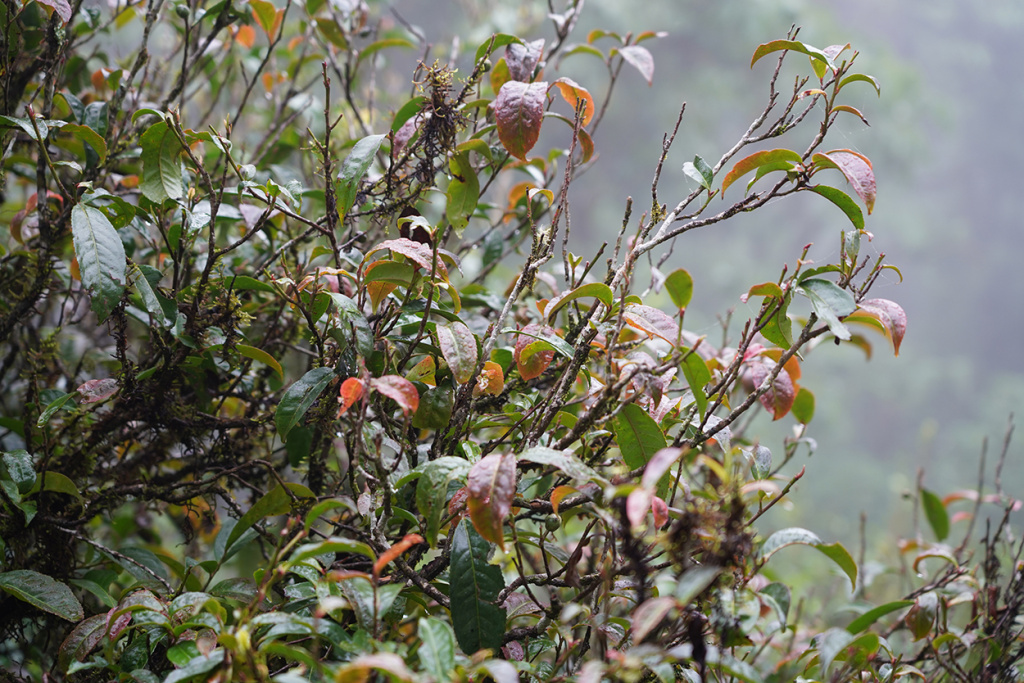
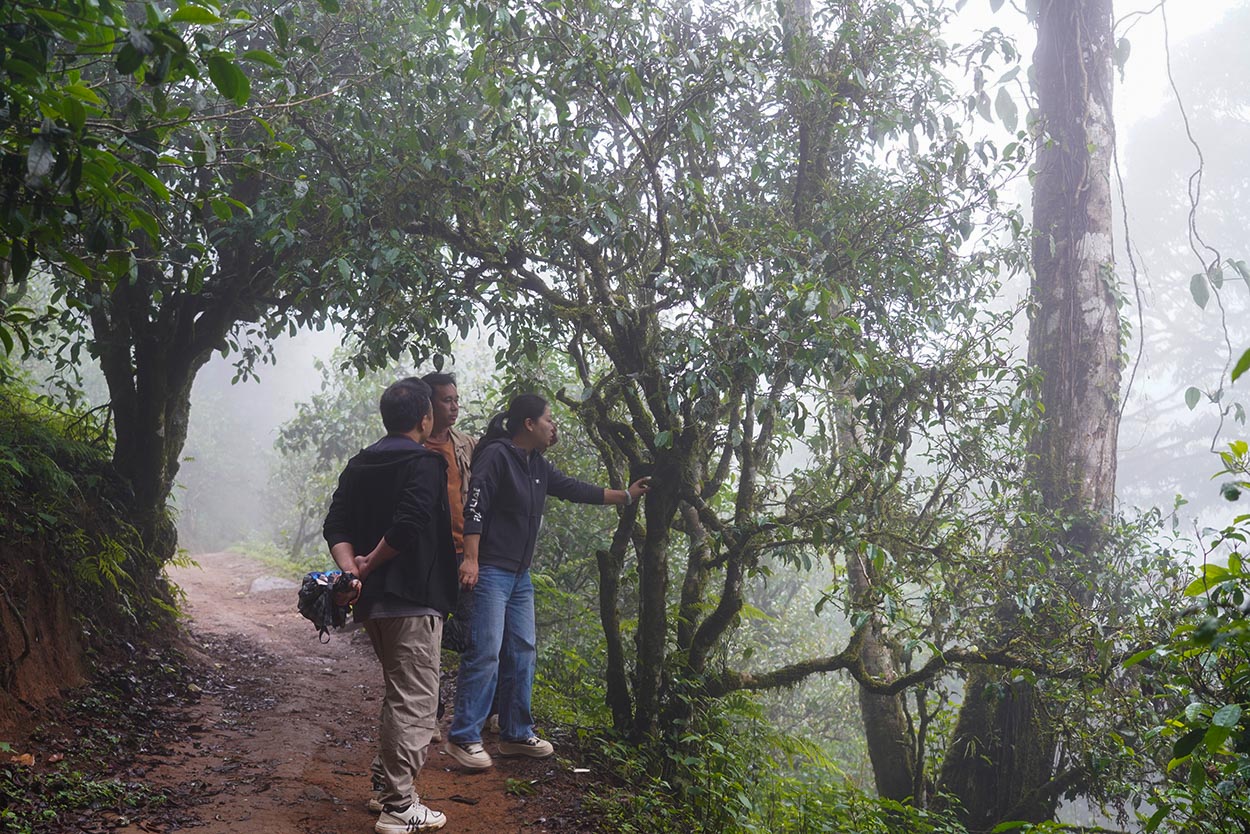
Here, in the wild, ancient tea trees (ranging from 100 to 1,500 years old) grow on steep slopes, in natural conditions, in complete symbiosis with other plants. The environment is pristine, with no human settlements, no industries, and not even roads nearby.
There are Gu Shu trees, impressive, long-trunked, whose crowns are shrouded in thick fog.
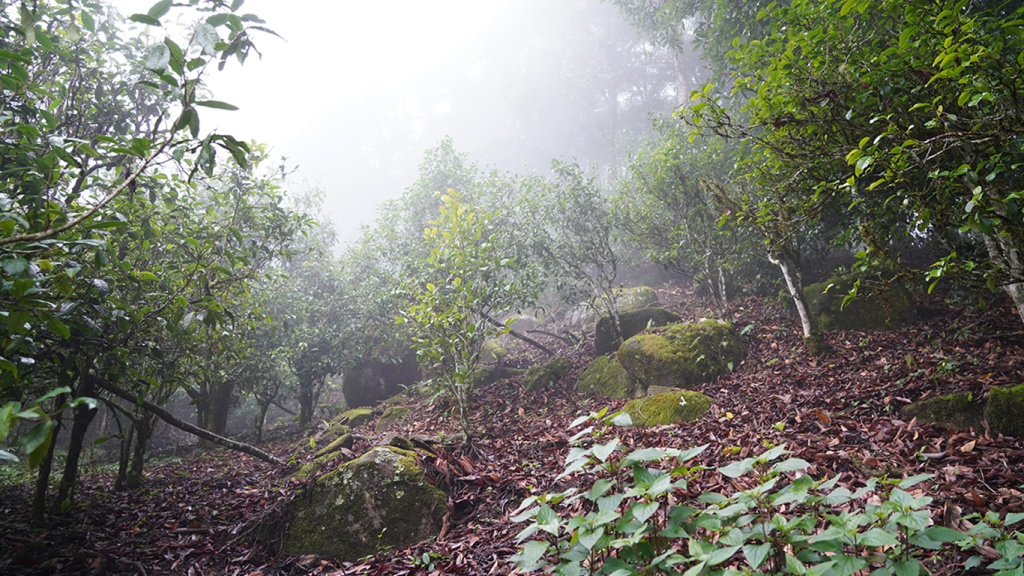

To produce this shu puerh, we selected raw materials from large trees (ranging in age from 100 to 300 years) with long and thick trunks, which were processed by master Xian Da (Chinese: 先大, xiān dà).

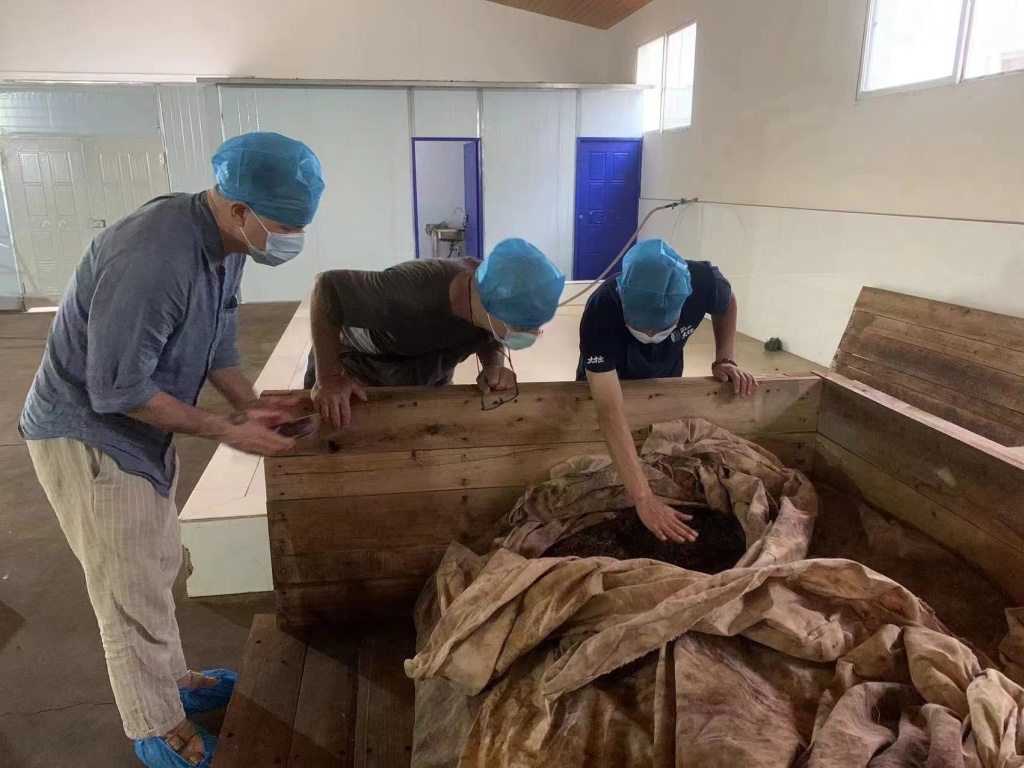
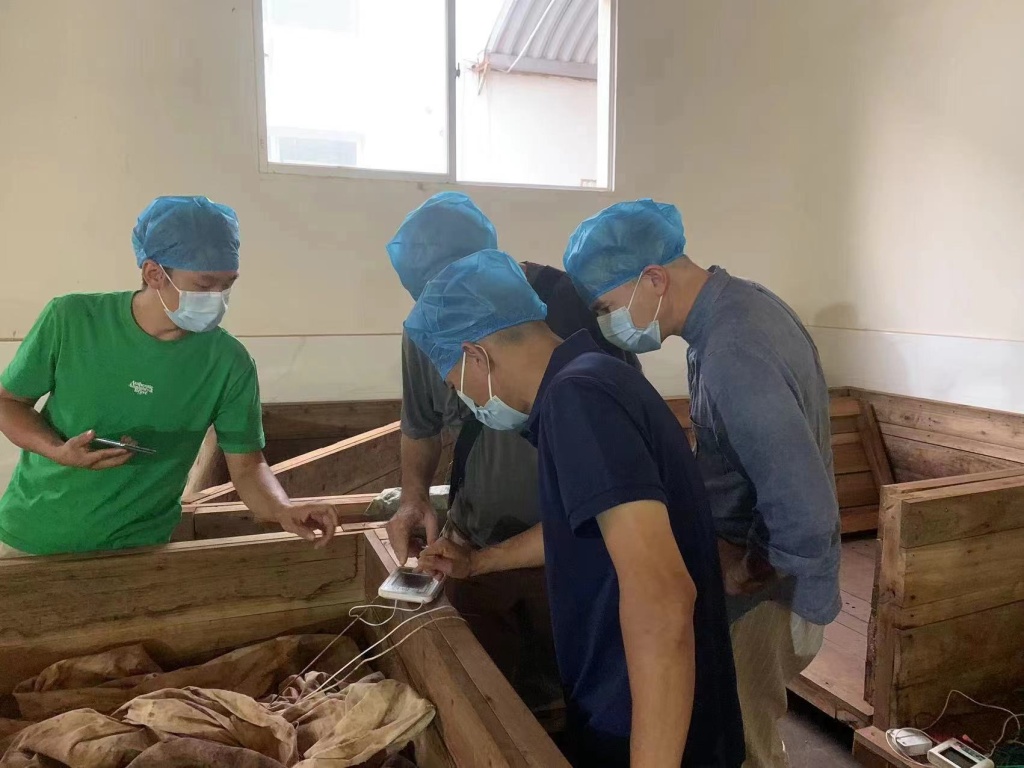
We then took this Sheng to Menghai, a small private brewery where fermentation is professionally performed in small baskets. The fermentation was carried out by master tea master Zhang Dechun (Chinese: 张德春, pinyin: zhāng déchūn), who has 19 years of experience. This resulted in a single-varietal, honest pu'er, created entirely under our control.

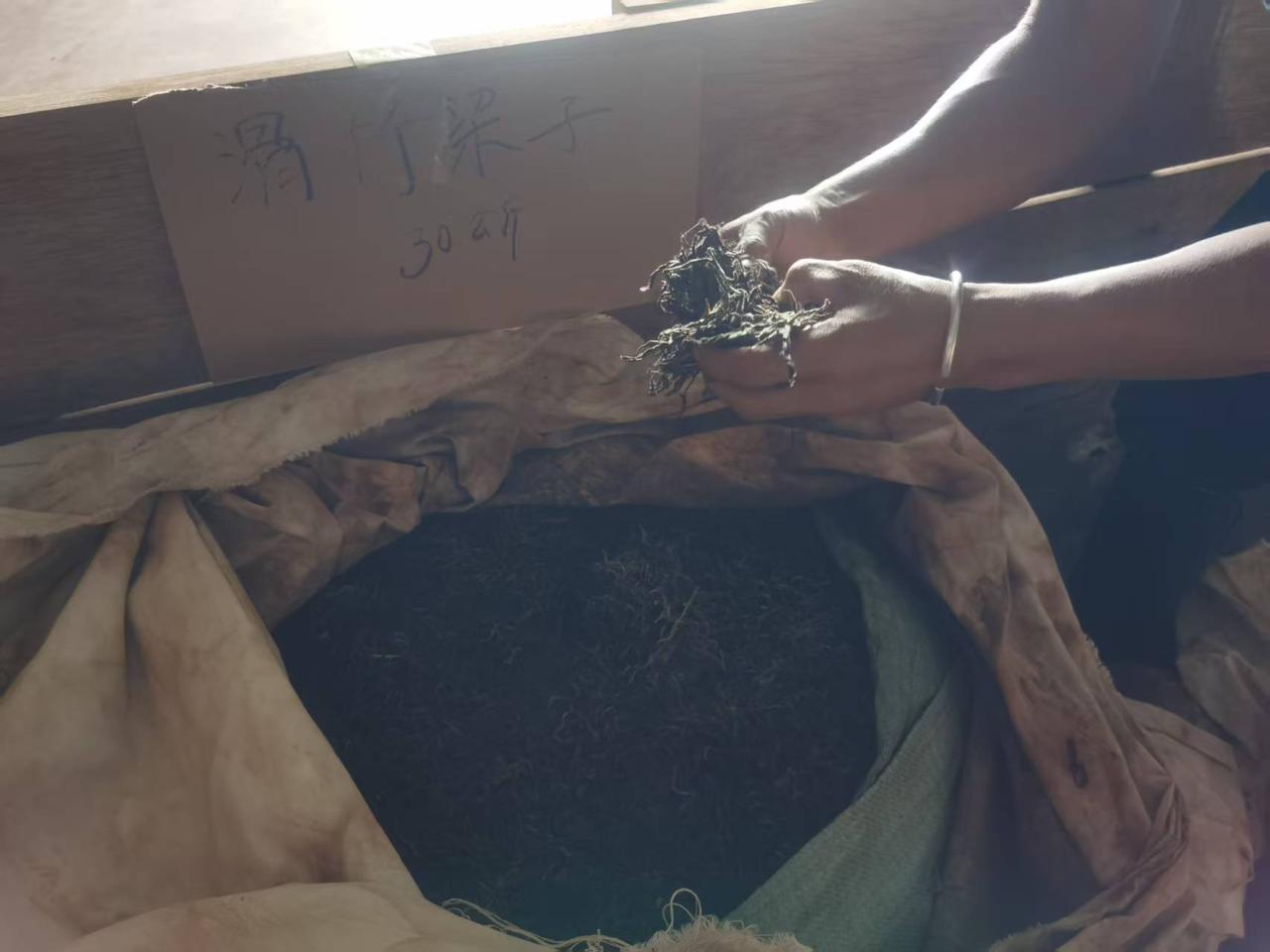
The flavor of this old-tree shu pu-erh tea from Hua Zhu Liang Zi is a powerful nutty-floral palette, with hints of wild blackberries, which we often encountered on mountain trails. The finish reveals notes of forest hollow honey intertwined with tropical fruits.

This tea leaves a magical tea effect... apparently due to the wild, ecologically clean environment of the forest tea trees, which grow on the slopes, often in competition with other local trees.
It's strength, but a soft, familiar strength. It's lightness, it's a childhood dream.
The intoxicating effect is similar to that of a rare, aged wine: the body experiences intense relaxation, but the mind is clear and fresh! A very interesting and honest experience!
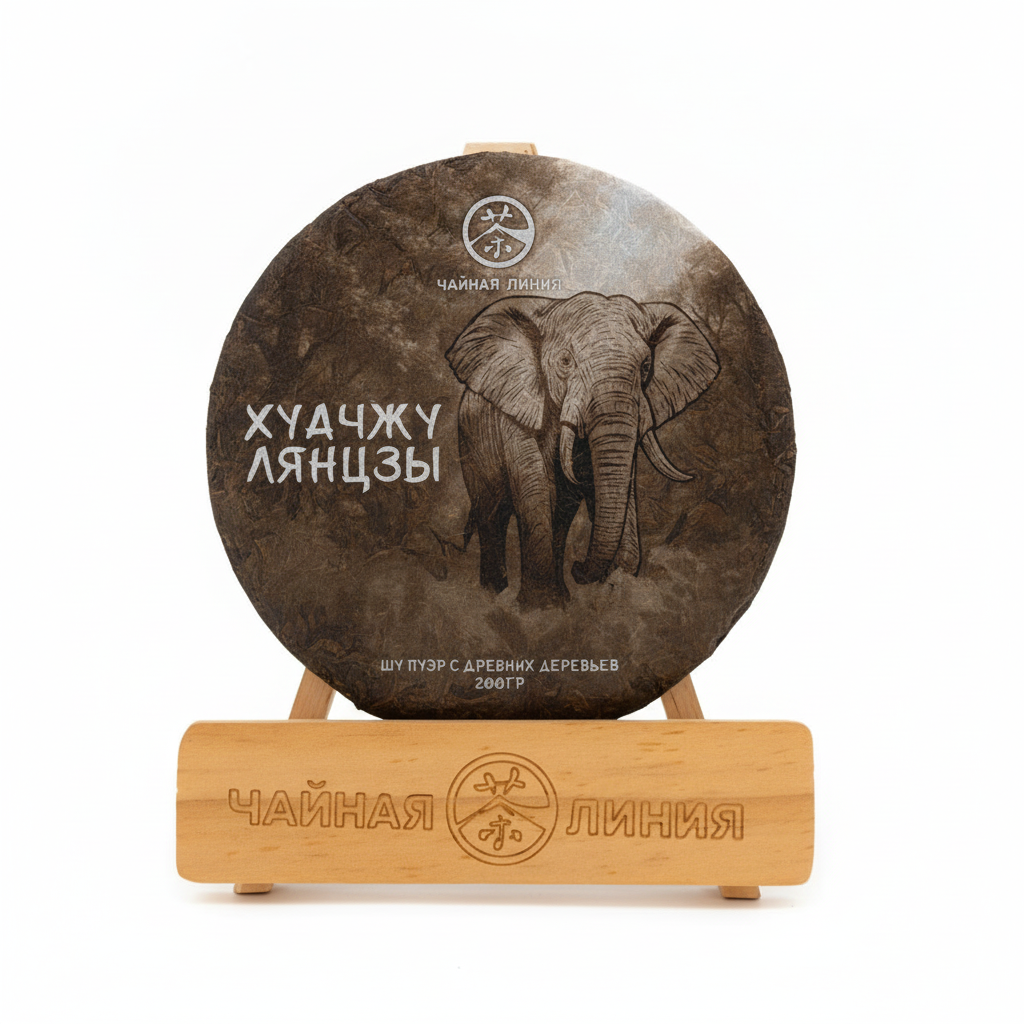
Shu pu'er from the old trees of the Hua Zhu Liang Zi mountain, brand "Tea Line", is a single-variety, unblended pu'er of collector's level with enormous potential.

|
Country
|
China |
|
Provinces
|
Yunnan (云南) |
|
Habitat
|
Хуачжу Лянцзы (滑竹梁子, huázhú liángzi) |
|
Altitude
?
Height in meters |
2004 |
|
Manufacturer
|
ООО "Чайная Линия" |
|
Date of raw material production
|
2025 |
|
Year of pressing
|
2025 |
|
Pressing form
|
Bing Cha (Cake Tea) |
|
Declared weight, g
|
200 |
|
Fermentation method
|
With a lift-off from the ground |
|
Type of tea raw material
|
Large trees (100-300 years) |
- Reviews
- Vkontakte
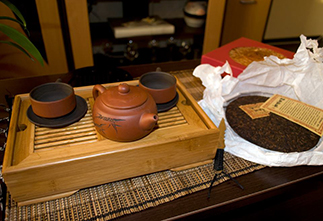
The question often arises: how to brew puerh correctly? Sometimes the phrase "to get high" is added to it. Moreover, everyone has their own understanding of this phrase. Some mean vigor, and some - intoxication. So how to brew puerh tea correctly? Let's consider several options.
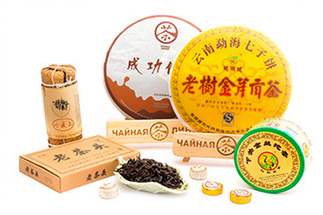
Over time, some consumers who are part of the country's "tea elite" discover mainland Chinese tea. And only a few get acquainted with Taiwanese varieties. The path of a tea person is usually long and thorny, but ultimately it leads to the King of Teas - puer. But not everyone is able to go all the way from ordinary teas to puer and appreciate its qualities.
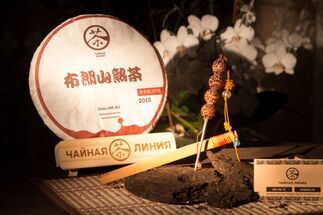
The tea ceremony occupies a special place in the centuries-old Eastern tradition. And although the essence of this phenomenon remains constant, the nature and external manifestations of the tea ceremony in different nations have their own national characteristics. In each Chinese province, the tea ceremony and the tea used in it are varied: for example, residents of the southern provinces prefer green tea, and residents of the northern provinces - red tea, in Fujian province they more often use Oolong tea, and in Yunnan province Puer tea is widely known.
Need a consultation?
Our specialists will answer any question of interest


