





-
0 Saturation
-
0 Aftertaste
-
0 Aroma
-
0 Effect
-
0 Balance
-
0 Body
Chinese Shu Pu'er tea 2022 "Jingmai Shan" from the Xing Yang Cha factory
The 2022 Shu Pu'er "Jingmai Shan" from the Xing Yang Cha (興样茶, Xìng yàng chá) factory is a high-quality tea that combines a rich flavor, deep aroma, and the traditions of one of China's most renowned tea regions. Pressed in 2022 into a 357-gram Bing Cha (cake), this tea was produced from 2020 raw materials, giving it a particularly soft and harmonious texture.
About the Xin Yan Cha factory
The Xin Yan Cha factory is located in Yunnan Province, considered the birthplace of pu'er tea. This region is renowned for its favorable climate, high-altitude plantations, and ancient tea trees, which impart a unique flavor and aroma to the tea. Xin Yan Cha is renowned for its attention to the quality of its raw materials and strict adherence to production technologies, making its products sought after both in China and abroad.
Features of the Jingmai Region
Jingmai (景迈, Jǐngmài) is a picturesque region in Yunnan Province, renowned for its ancient tea plantations and favorable climate. Clean air, fertile soil, and a moderate climate create ideal conditions for tea cultivation. Jingmai tea is distinguished by its rich flavor, vibrant aroma, and balanced character.
Characteristics of Jingmai Shan tea
Appearance
The tea cake has a neat shape, characteristic of traditional Bing Cha. The leaves are evenly pressed, indicating high-quality processing. The leaves are dark brown with golden flecks of tip.
Aroma
Dry tea has a deep, rich aroma with notes of nuttiness, wood, caramel, and a slight earthiness. After brewing, the aroma develops, adding hints of dried fruit, chocolate, and sweet spice.
Taste
The taste of Jingmai Shan tea is soft and velvety. The infusion has a rich dark brown color with ruby highlights. The flavor is dominated by warm notes of nut, caramel, dried fruit, and a slight woody bitterness. The finish is long, with pleasant sweet and spicy undertones.
Energy and Impact
Shu Pu-erh "Jingmai Shan" has a warming effect and promotes relaxation. This tea is ideal for the cold season and for those who appreciate a calm and meditative tea experience.
Brewing recommendations
For brewing Shu Pu'er "Jingmai Shan," we recommend steeping it in a gaiwan or Yixing clay teapot. The water temperature should be around 95–100°C. The initial steeps should be short (5–10 seconds) to reveal the aroma and avoid excessive bitterness. Gradually, the steeping time can be increased. The tea can withstand up to 8–10 steeps, each of which reveals new facets of flavor.
The 2022 Shu Pu'er "Jingmai Shan" from the Xing Yan Cha factory combines a rich flavor, deep aroma, and abundant energy. Originating from the Jingmai region and using 2020 raw materials, it is a true treasure for pu'er connoisseurs. This tea will offer unforgettable moments of enjoyment and allow you to connect with the ancient traditions of Chinese tea art.
If you're looking for a tea that will surprise you with its versatility and provide warmth and comfort, Shu Pu'er "Jingmai Shan" 2022 is an excellent choice.

|
Country
|
China |
|
Manufacturer
|
Син Ян Ча (興样茶) |
|
Date of raw material production
|
July 15, 2022 |
|
Year of pressing
|
2020 |
|
Pressing form
|
Bing Cha (Cake Tea) |
- Reviews
- Vkontakte
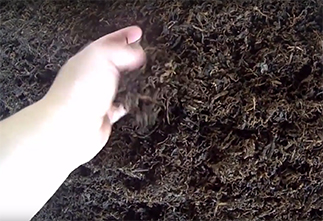
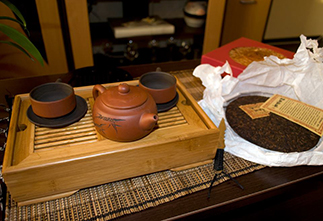
The question often arises: how to brew puerh correctly? Sometimes the phrase "to get high" is added to it. Moreover, everyone has their own understanding of this phrase. Some mean vigor, and some - intoxication. So how to brew puerh tea correctly? Let's consider several options.
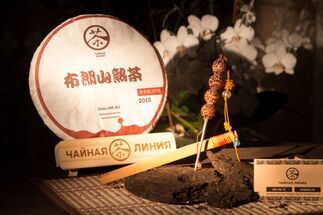
The tea ceremony occupies a special place in the centuries-old Eastern tradition. And although the essence of this phenomenon remains constant, the nature and external manifestations of the tea ceremony in different nations have their own national characteristics. In each Chinese province, the tea ceremony and the tea used in it are varied: for example, residents of the southern provinces prefer green tea, and residents of the northern provinces - red tea, in Fujian province they more often use Oolong tea, and in Yunnan province Puer tea is widely known.


