



-
0 Saturation
-
0 Aftertaste
-
0 Aroma
-
0 Effect
-
0 Balance
-
0 Body
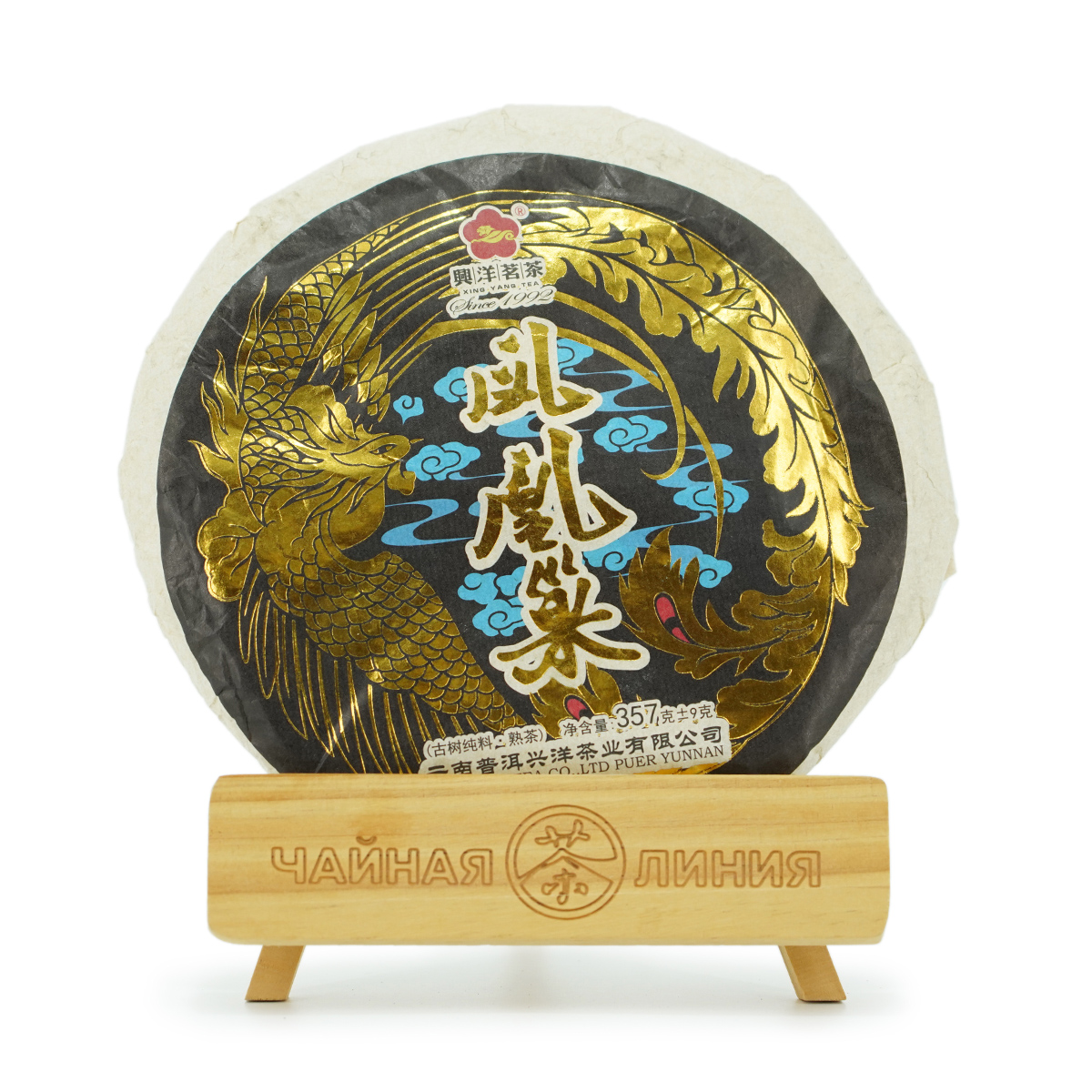
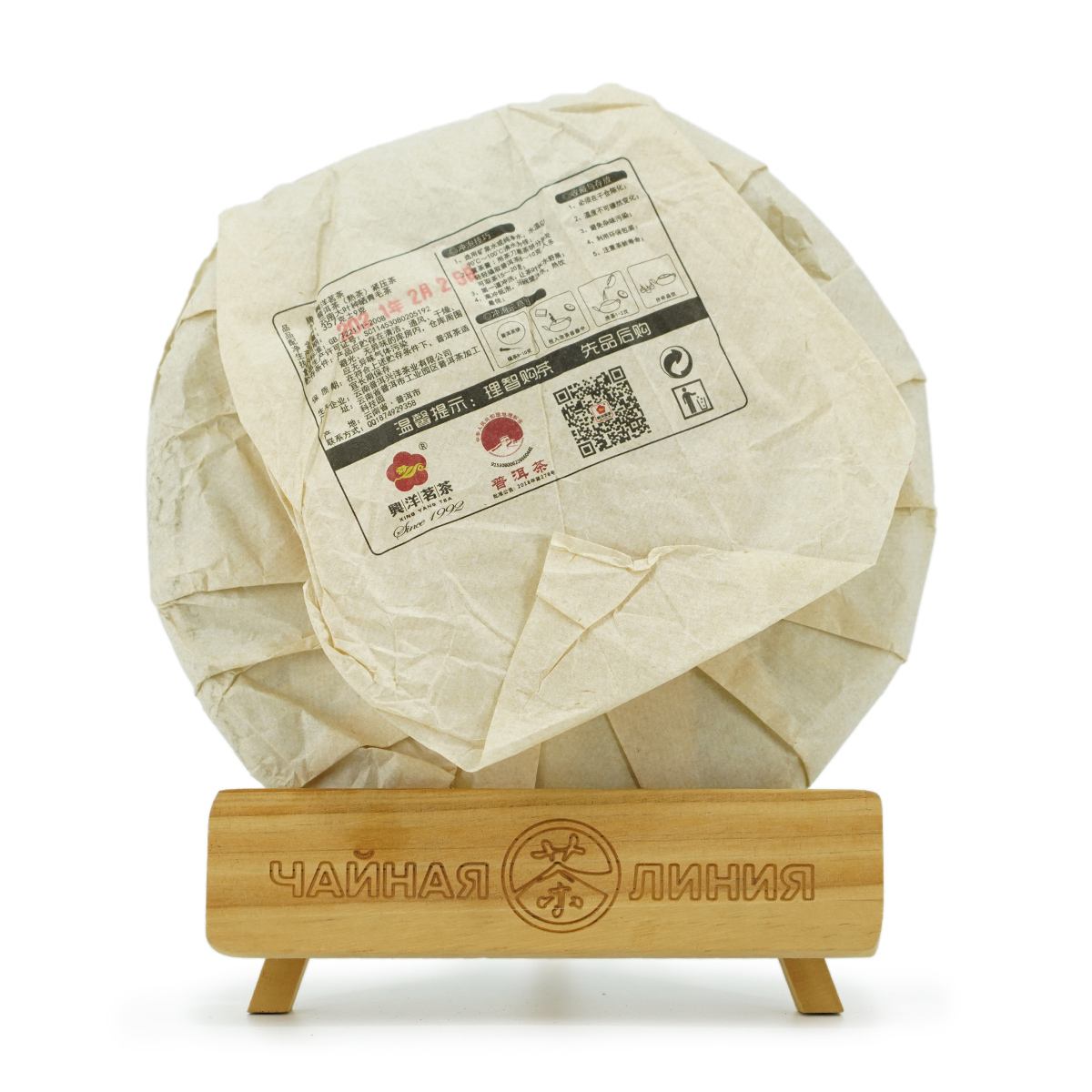
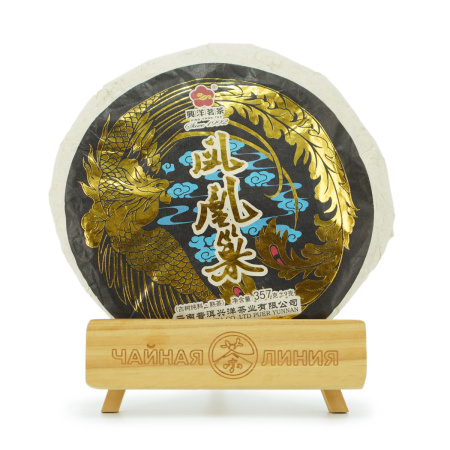
Chinese Shu Pu'er tea "Phoenix" 2021 from the Xin Yang Cha factory
The 2021 Shu Pu'er "Phoenix" tea from the Xing Yang Cha (興样茶, Xìng yàng chá) factory is a striking example of traditional Chinese tea, worthy of the attention of both pu'er connoisseurs and those just beginning to discover this unique beverage. Pressed into a 357-gram Bing Cha (cake), this tea combines centuries-old tea traditions with modern production technologies.
History and features of the Xin Yan Cha factory
The Xin Yan Cha factory is located in Yunnan Province, considered the birthplace of pu'er tea. This region is renowned for its favorable climate, high-altitude plantations, and ancient tea trees, which impart a unique flavor and aroma to the tea. Xin Yan Cha is renowned for its attention to the quality of its raw materials and strict adherence to production technologies, making its products sought after both in China and abroad.
Features of Phoenix Tea 2021
Phoenix tea is made from high-quality tea leaves harvested on February 25, 2021. This harvest period is considered one of the most favorable for pu-erh production, as the young leaves have a rich flavor and aroma.
Appearance
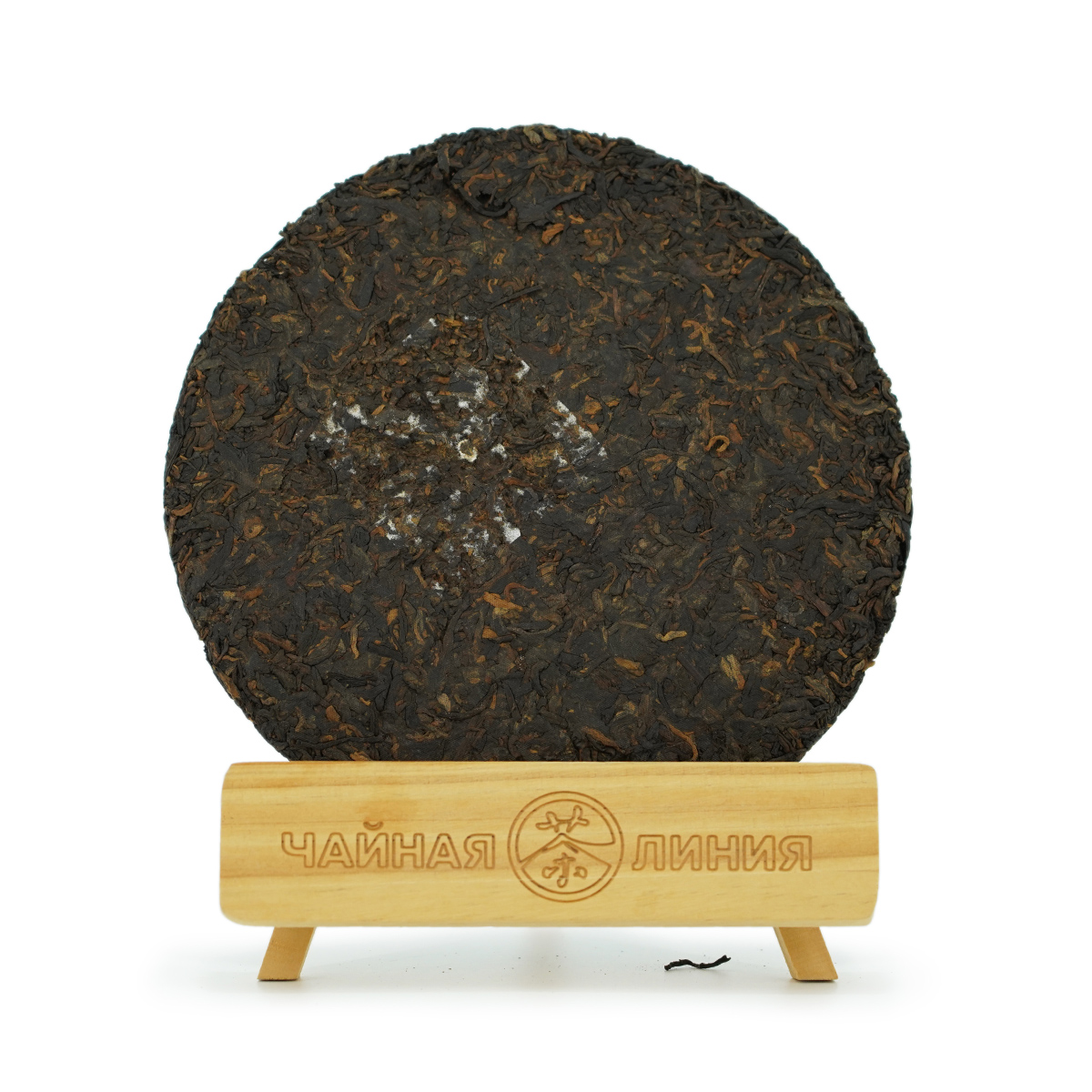
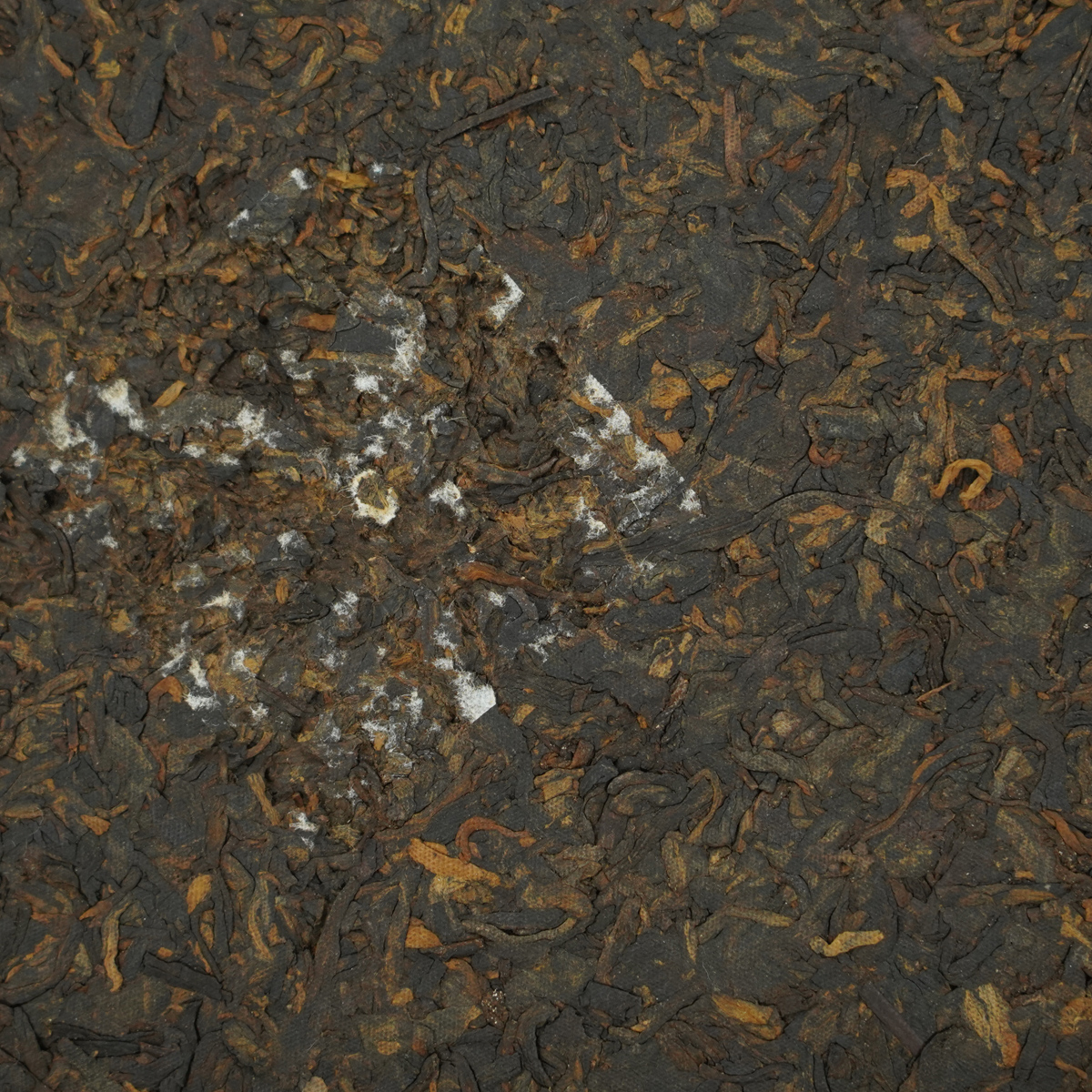
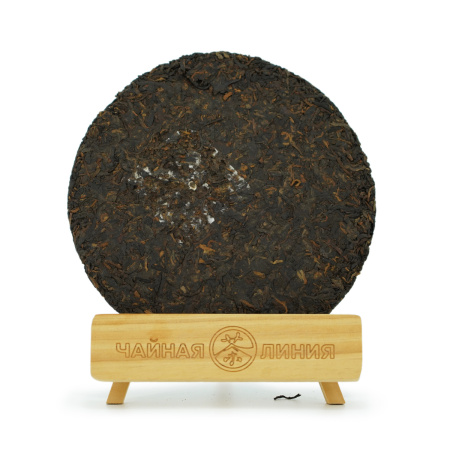
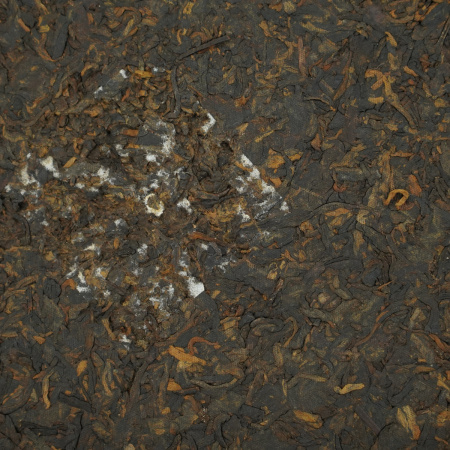
The tea cake has the neat shape typical of traditional Bing Cha. The leaves are evenly pressed, indicating high-quality processing. Upon closer inspection, golden tips (buds) are noticeable, adding a touch of sophistication to the tea.
Aroma
The dry tea cake has a deep, rich aroma with notes of nuttiness, woodiness, and a touch of sweetness. After steeping, the aroma unfolds, acquiring subtle hints of dried fruit, caramel, and earthy notes characteristic of well-fermented Shu Pu'er.
Taste
The taste of Phoenix tea is soft and velvety. The first steeps produce a rich infusion with vibrant notes of nut, chocolate, and a touch of sweetness. The aftertaste reveals warm dried fruit and woody notes. The tea has a good depth and a long finish, making it ideal for leisurely sipping.
Energy and Impact
Like any high-quality Shu Pu-erh, Phoenix has a warming effect, making it especially pleasant to drink during the colder months. The tea promotes relaxation, improves digestion, and promotes a feeling of comfort.
Brewing recommendations
To reveal all the nuances of Phoenix tea's flavor and aroma, steeping in a gaiwan or Yixing clay teapot is recommended. The water temperature should be around 95–100°C. Initial steepings should be short (5–10 seconds), gradually increasing the steeping time. The tea can withstand up to 8–10 steepings, each of which reveals new nuances of flavor.
The 2021 Shu Pu'er "Phoenix" from the Xing Yan Cha factory is a fine example of high-quality Chinese tea that combines rich flavor, depth of aroma, and the traditions of tea art. This tea will be a worthy addition to any pu'er connoisseur's collection and will provide unforgettable moments of enjoyment.
If you're looking for a tea that will surprise you with its multifaceted character and provide warmth and comfort, Phoenix is the perfect choice.
|
Name in Chinese
|
興样茶 |
|
Pinyin
|
Xìng yàng chá |
|
English name
|
"Phoenix" of the Xing Yang Cha factory. |
|
Translation
|
"Phoenix" of the "Xing Yang Cha" plant |
|
Country
|
China |
|
Provinces
|
Yunnan (云南) |
|
Region
|
Menghai (勐海) |
|
Manufacturer
|
Син Ян Ча (興样茶) |
|
Date of raw material production
|
February 25, 2021 |
|
Year of pressing
|
2021 |
|
Pressing form
|
Bing Cha (Cake Tea) |
|
Declared weight, g
|
357 |
|
A variety of tea tree (bush)
|
Da Ye Zhong |
|
Size
|
20x20x2 |
|
Length, cm
|
20 |
|
Width, cm
|
20 |
- Reviews
- Vkontakte
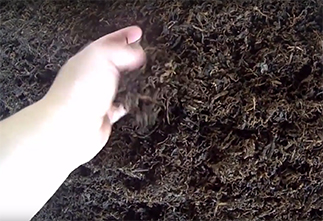
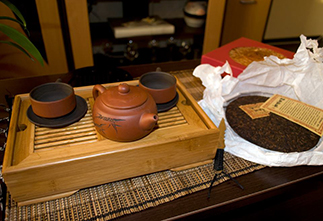
The question often arises: how to brew puerh correctly? Sometimes the phrase "to get high" is added to it. Moreover, everyone has their own understanding of this phrase. Some mean vigor, and some - intoxication. So how to brew puerh tea correctly? Let's consider several options.
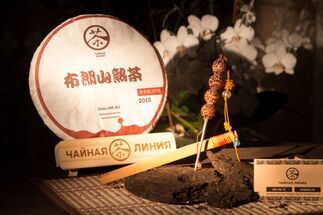
The tea ceremony occupies a special place in the centuries-old Eastern tradition. And although the essence of this phenomenon remains constant, the nature and external manifestations of the tea ceremony in different nations have their own national characteristics. In each Chinese province, the tea ceremony and the tea used in it are varied: for example, residents of the southern provinces prefer green tea, and residents of the northern provinces - red tea, in Fujian province they more often use Oolong tea, and in Yunnan province Puer tea is widely known.


