






-
9 Saturation
-
10 Aftertaste
-
10 Aroma
-
8 Effect
-
8 Balance
-
7 Body
Sheng Pu'er "Self-Realization" 2020: A Journey to Yourself
Self-Realization Sheng Pu-erh from Tea Line is more than just a drink; it's a philosophy. Every sip of this tea is a small journey within yourself, to your true desires and goals. Let's dive into the world of this unique tea together.
Origin and characteristics
To produce this pu-erh, we sourced tea leaves from ancient tea trees up to 300 years old from Mount Mengsun and Bulan. The leaves for this pu-erh are hand-picked and minimally processed, preserving all the beneficial properties and natural flavor.
Key Features:
- Year of production: 2020. This is a young pu-erh that has already revealed its first notes, but still has great potential for further development.
- Form: Fan cha (square cake weighing 90 grams) – convenient format for storage and brewing.
- Flavor and Aroma: When dried, pu-erh tea has a rich aroma with notes of camphor and dried tropical fruits, particularly mango. After steeping, notes of boiled corn, wildflowers, and tropical fruits emerge. The flavor of the brewed tea is rich, herbaceous, and floral, with a slight bitterness and hints of citrus.
- Beneficial properties: Sheng pu-erh tea has a tonic effect, improves digestion, and strengthens the immune system. It also helps improve concentration and memory.
Why "Self-Realization"?
The name "Self-Realization" was chosen deliberately. This pu-erh tea helps a person better understand themselves, their desires, and aspirations. It provides energy and inspiration, helping them reach new heights.
How to brew
For brewing "Self-Realization" sheng pu-erh, it is recommended to use water at a temperature of approximately 95°C. Place the tea leaves in a gaiwan or teapot and pour hot water over them. Steeping time may vary depending on personal preference and the age of the tea.
Who is this tea suitable for?
Sheng Pu-erh "Self-Realization" is suitable for those who appreciate natural flavor, seek new experiences, and strive for self-improvement. It will be beneficial for those leading an active lifestyle, as well as those looking to improve their health.
Storage potential
This pu-erh has excellent aging potential. Over time, its bitterness and astringency will give way to a balanced flavor and a refined, refined texture.
Sheng Pu'er "Self-Realization" is more than just a drink; it's a path to self-discovery. It will help you discover new facets of your taste and feel more in tune with yourself and the world around you.

When dry, it has a rich aroma with notes of camphor and dried tropical fruits, particularly mango.
After the first rinse, the pu-erh reveals notes of boiled corn, wildflowers and tropical fruits.
The brewed tea has a rich, herbal-floral flavor, with a slight bitterness and hints of citrus. This pu-erh tea can be steeped up to six times, using 5-8 grams of tea per Yixing clay teapot or gaiwan.
The clear, light-yellow infusion leaves a light aftertaste with a tart nuance and sweetness that appears after a few minutes.
Self-Realization Sheng Pu-erh from Tea Line is an excellent tonic, blood-boosting, and warming tea. It sobers the body and improves brain function.
This pu-erh has excellent aging potential; over the years, the bitterness and astringency will disappear, giving way to a balanced taste and a subtle tea texture.
|
Translation
|
Big trees from Mengsun |
|
Country
|
Китай |
|
District
|
Xishuangbanna Dai Autonomous Prefecture |
|
Provinces
|
Юньнань (云南) |
|
Manufacturer
|
ООО "Чайная Линия" |
|
Year of pressing
|
2020 |
|
Pressing form
|
Фан ча (квадрат) |
|
Declared weight, g
|
90 |
|
Fermentation method
|
Natural |
|
Type of tea raw material
|
Large trees (100-300 years) |
|
The tea is suitable.
|
for weight loss, to improve performance |
- Reviews
- Vkontakte
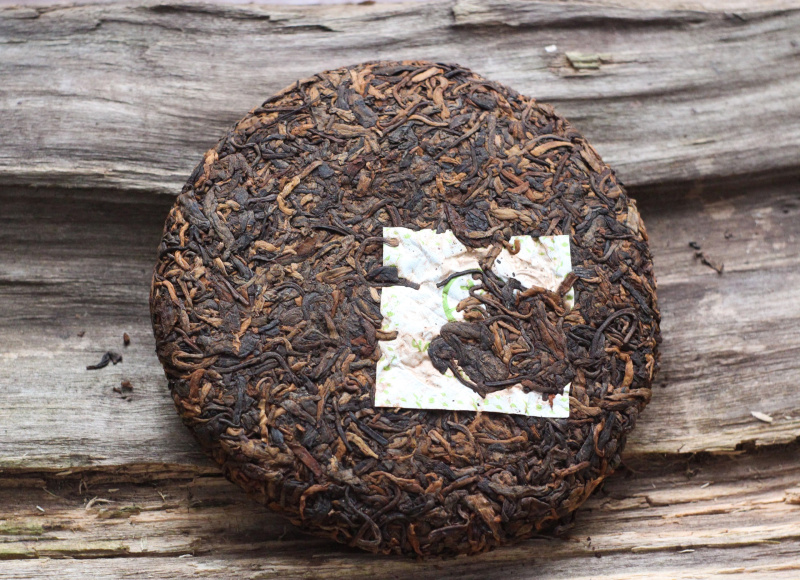
Pu-erh is one of the most unique types of tea, which only gets better with age. Many people, when they first encounter this tea, wondered: why is pu-erh more often found in pressed form (cakes, bricks, tochas), and not in loose form? The reasons for this are related to both history and the practical aspects of storing and fermenting tea. Despite modern technologies that allow the production of loose pu-erh, the shape of pressed cakes remains unchanged. And pu-erh is more often found on sale in pressed form, for example, in the form of cakes or bricks, and loose pu-erh is less common. We will talk about the reasons for pressing pu-erh into cakes in this article.
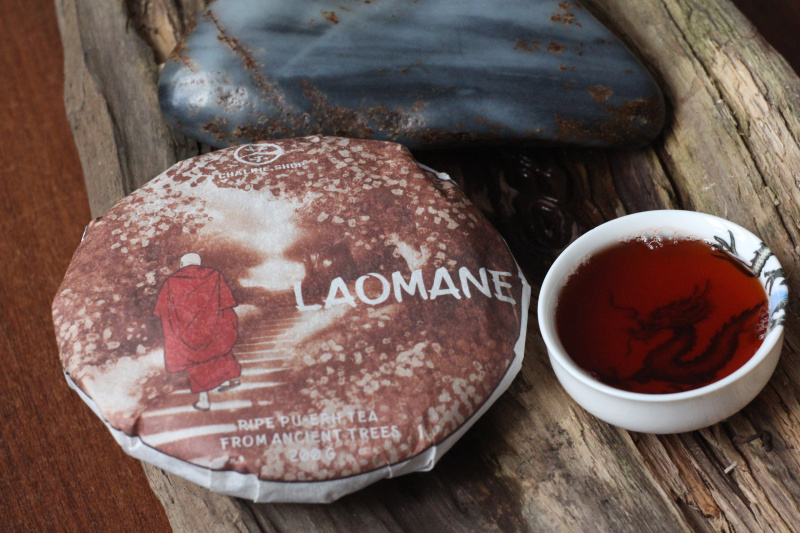
Puer is a unique Chinese tea that is distinguished by its depth of taste, complexity of aromas and versatility of aftertaste. Its taste characteristics are formed under the influence of many factors, from growing conditions to the brewing method. Let's look at the main ones.
Over time, some consumers who are part of the country's "tea elite" discover mainland Chinese tea. And only a few get acquainted with Taiwanese varieties. The path of a tea person is usually long and thorny, but ultimately it leads to the King of Teas - puer. But not everyone is able to go all the way from ordinary teas to puer and appreciate its qualities.
The tea ceremony holds a special place in the centuries-old Eastern tradition. While its essence remains constant, the nature and external manifestations of the tea ceremony vary among different cultures. Each Chinese province has its own distinct tea ceremony and tea used: for example, residents of the southern provinces prefer green tea, while those in the northern provinces prefer red tea. Oolong tea is more commonly used in Fujian Province, while Pu'er tea is widely known in Yunnan Province.
Need a consultation?
Our specialists will answer any question of interest


