





-
8 Saturation
-
10 Aftertaste
-
9 Aroma
-
10 Effect
-
9 Balance
-
10 Body

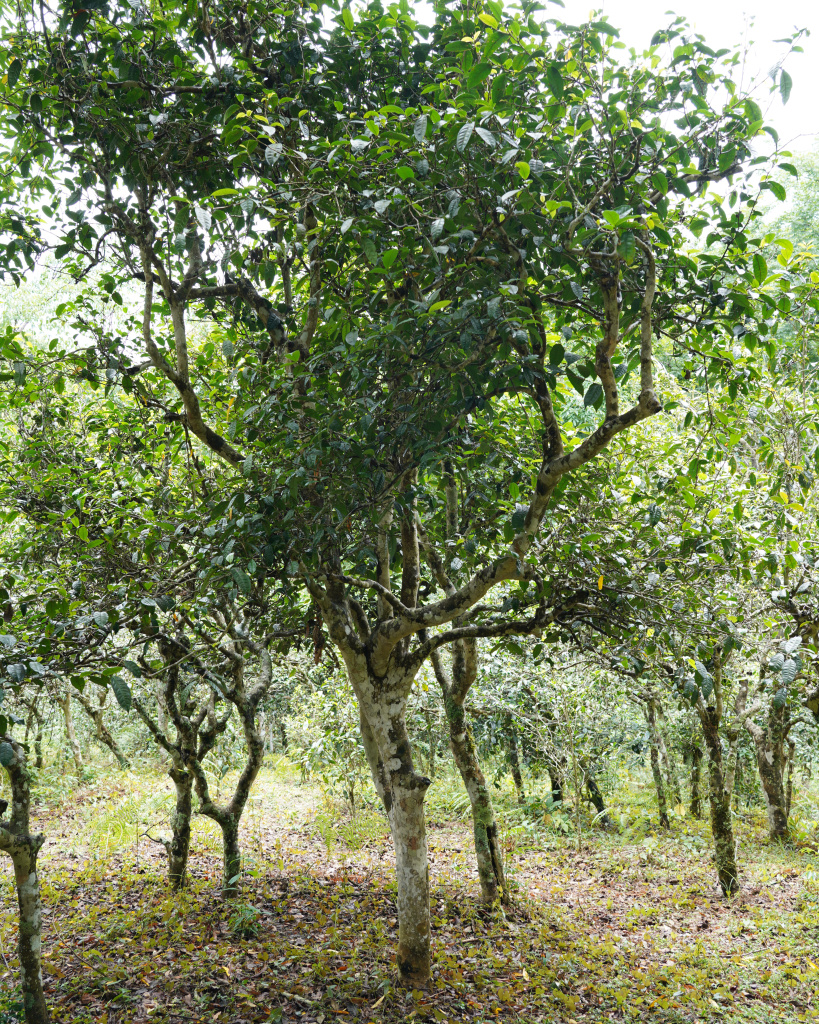
Here, large tea trees (aged from 100 to 300 years) grow in natural conditions, in mixed forests, where a humid climate and clean air are combined.


The environment is pristine, local farmers don't use any fertilizers or pesticides—caterpillars and grasshoppers crawl right on the tea leaves.


The tea leaves from large tea trees are processed into sheng pu'er by master tea master Yan Rong (Chinese: 岩荣, pinyin: Yán Róng). The aroma features berry and fruity notes (especially peach).

The taste is rich, buttery and fruity, with notes of multi-fruit juice, with a honeyed sweetness characteristic of the Jingmai terroir.
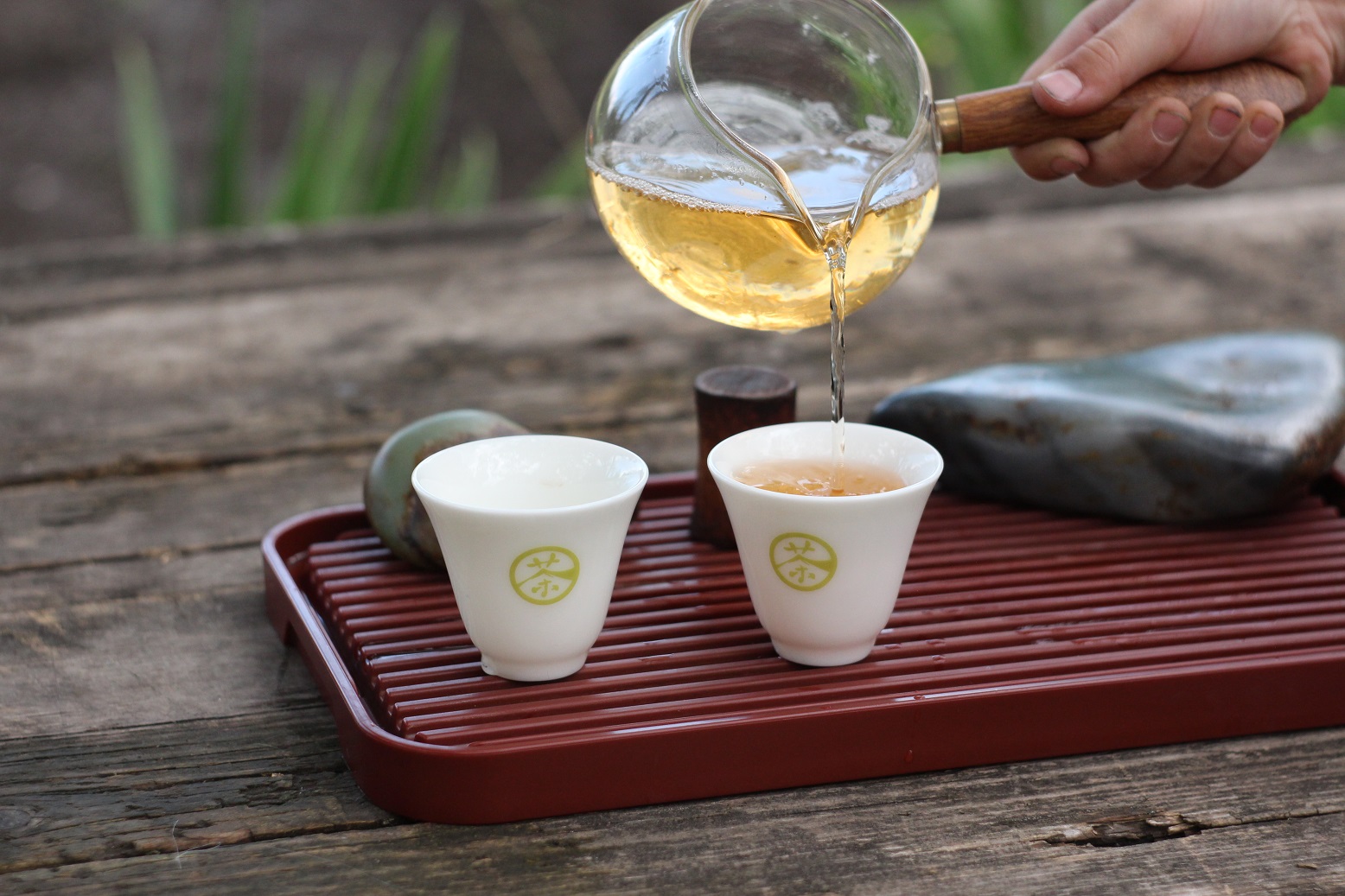
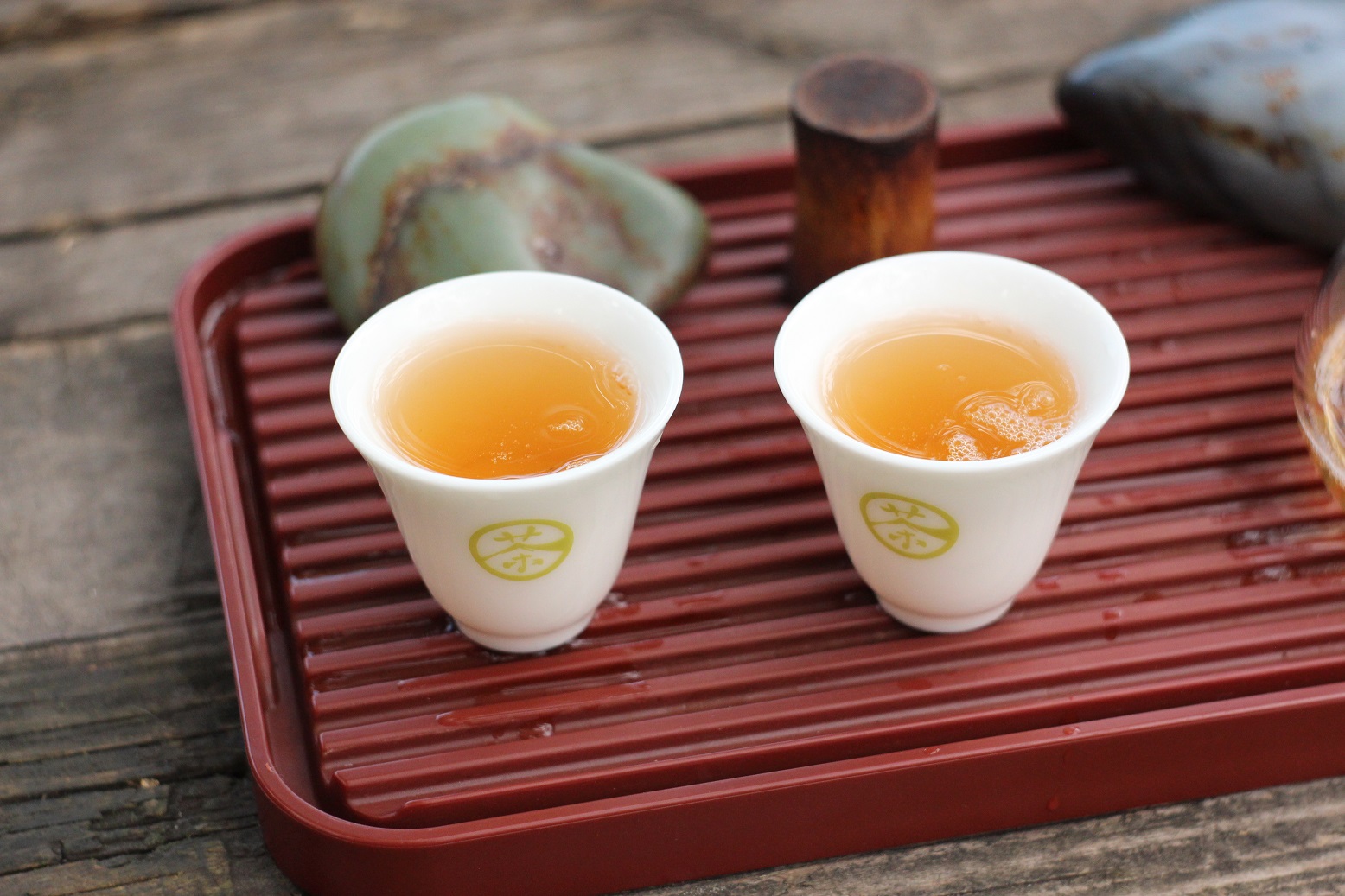
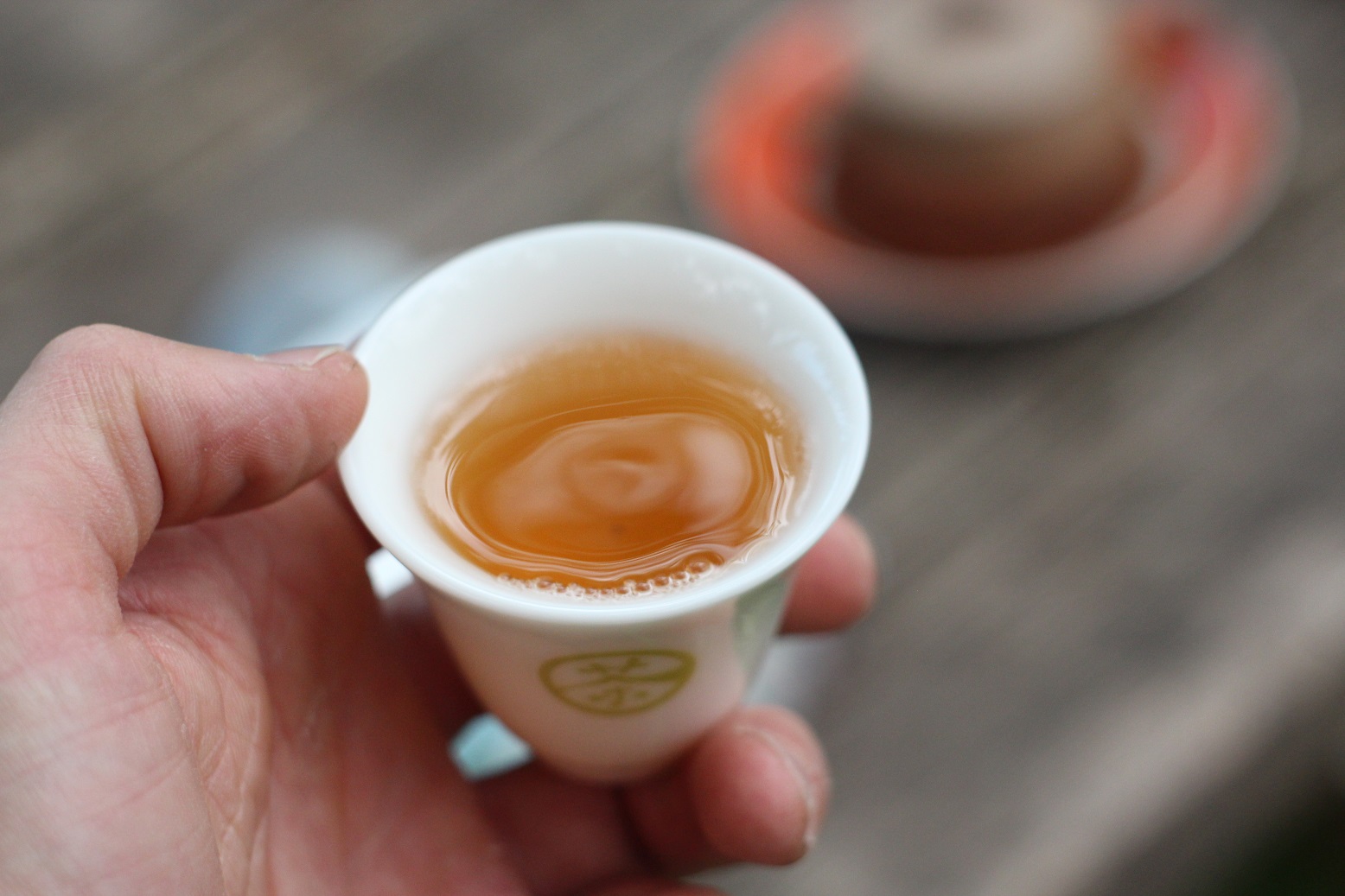

The infusion leaves a powerful and unusually persistent aftertaste, with nuances of fresh tropical fruits.
The tea-like state that Master Yan Rong's sheng pu'er leaves behind is worth a special mention. After just one cup, you can feel a warmth spreading through your body.
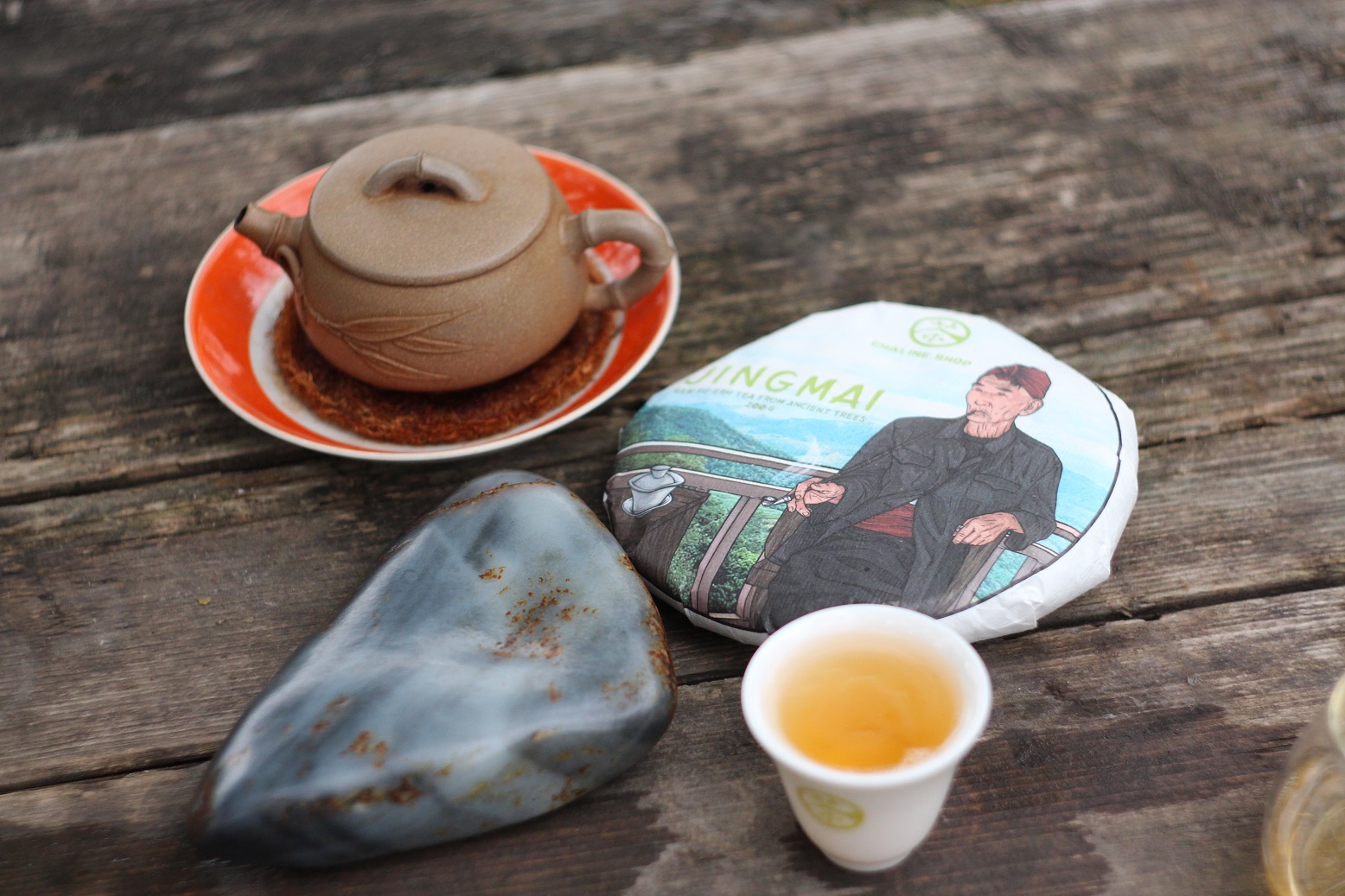
This pu-erh has great potential for subsequent storage!

|
Country
|
Китай |
|
Provinces
|
Юньнань (云南) |
|
Habitat
|
Цзинмай (景迈, jǐngmài) |
|
Altitude
?
Height in meters |
1860 |
|
Manufacturer
|
ООО "Чайная Линия" |
|
Pressing form
|
Бин Ча (блин) |
|
Declared weight, g
|
200 |
|
Fermentation method
|
Natural |
|
Type of tea raw material
|
Large trees (100-300 years) |
|
The tea is suitable.
|
for meditation (relaxing), for skin rejuvenation, for weight loss, to alter consciousness (intoxicating tea) |
- Reviews
- Vkontakte
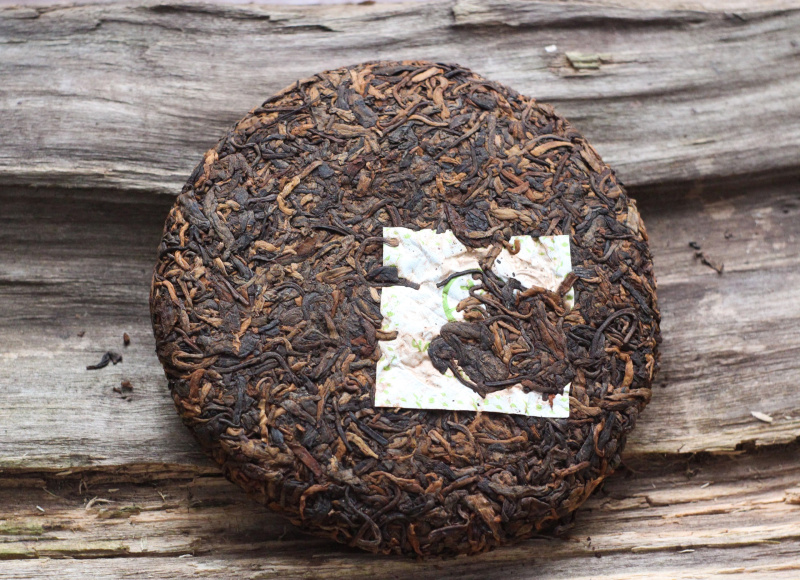
Pu-erh is one of the most unique types of tea, which only gets better with age. Many people, when they first encounter this tea, wondered: why is pu-erh more often found in pressed form (cakes, bricks, tochas), and not in loose form? The reasons for this are related to both history and the practical aspects of storing and fermenting tea. Despite modern technologies that allow the production of loose pu-erh, the shape of pressed cakes remains unchanged. And pu-erh is more often found on sale in pressed form, for example, in the form of cakes or bricks, and loose pu-erh is less common. We will talk about the reasons for pressing pu-erh into cakes in this article.
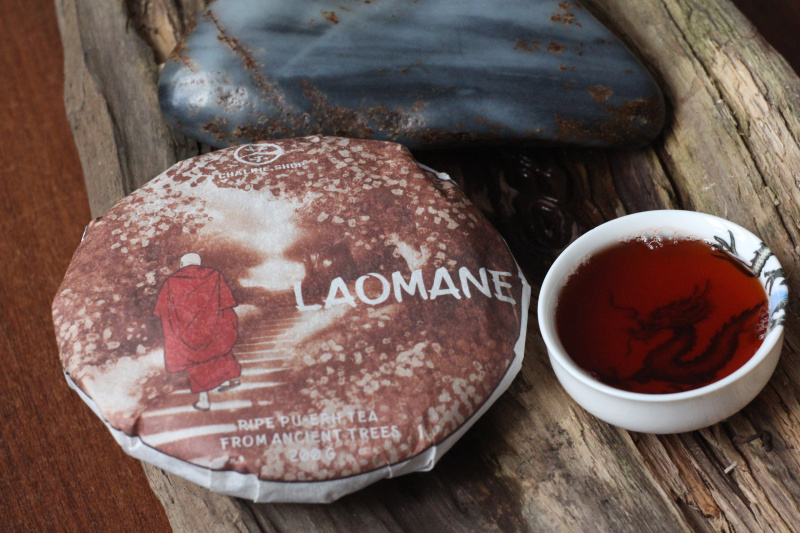
Puer is a unique Chinese tea that is distinguished by its depth of taste, complexity of aromas and versatility of aftertaste. Its taste characteristics are formed under the influence of many factors, from growing conditions to the brewing method. Let's look at the main ones.
Over time, some consumers who are part of the country's "tea elite" discover mainland Chinese tea. And only a few get acquainted with Taiwanese varieties. The path of a tea person is usually long and thorny, but ultimately it leads to the King of Teas - puer. But not everyone is able to go all the way from ordinary teas to puer and appreciate its qualities.
The tea ceremony holds a special place in the centuries-old Eastern tradition. While its essence remains constant, the nature and external manifestations of the tea ceremony vary among different cultures. Each Chinese province has its own distinct tea ceremony and tea used: for example, residents of the southern provinces prefer green tea, while those in the northern provinces prefer red tea. Oolong tea is more commonly used in Fujian Province, while Pu'er tea is widely known in Yunnan Province.
Need a consultation?
Our specialists will answer any question of interest


