




-
0 Saturation
-
0 Aftertaste
-
0 Aroma
-
0 Effect
-
0 Balance
-
0 Body
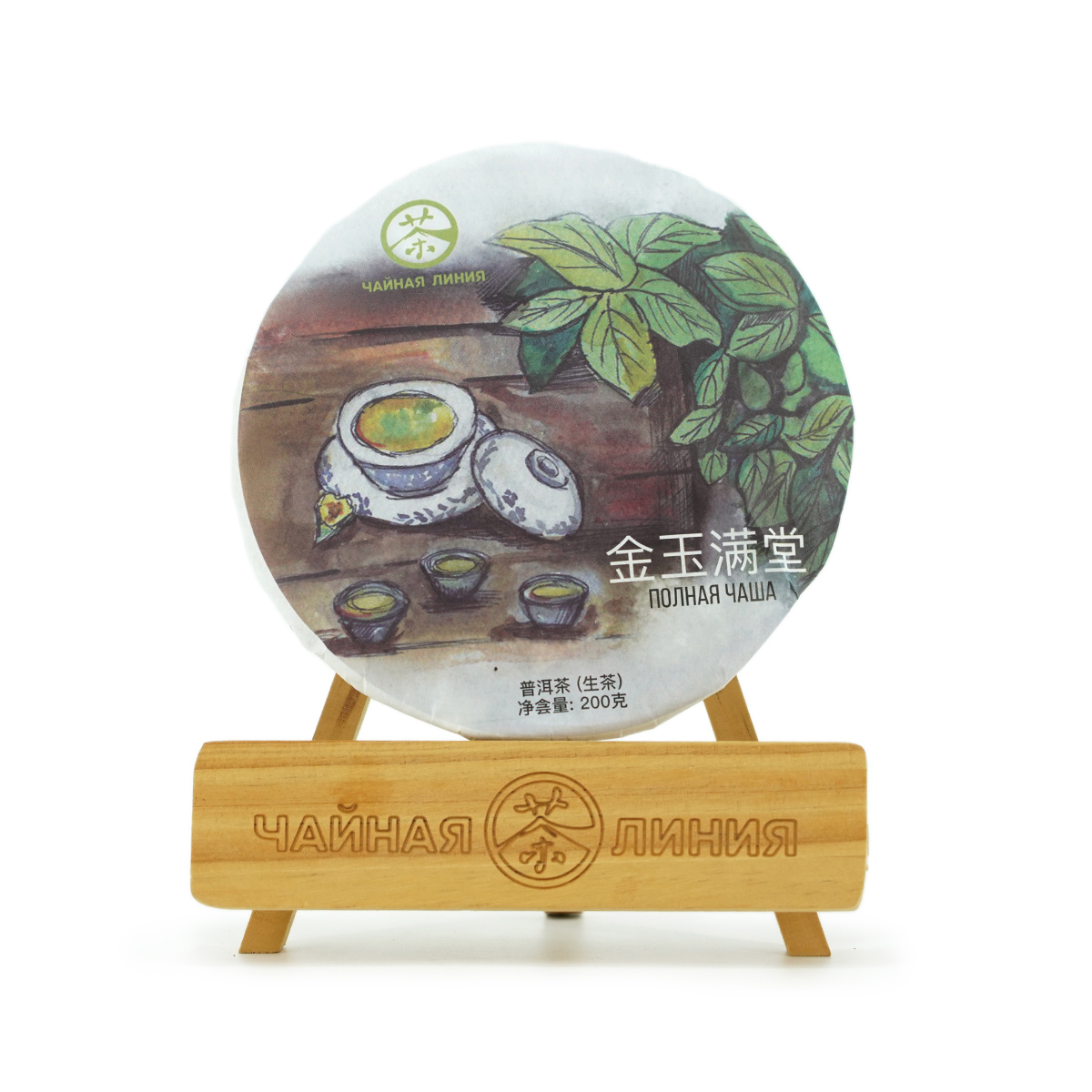
Sheng Pu'er "Full Cup" 2023: Treasure from Mengsong
Sheng Pu'er "Full Cup" is a new masterpiece from the renowned tea brand "Tea Line." Released in 2023, this classic bing cha (cake) tea is crafted from tea grown in the renowned Mengsong (勐宋, měngsòng) tea region.
Features of tea
- Growing Region: Mengsong is one of Yunnan's most renowned tea regions. The tea trees growing here are renowned for their longevity and ability to produce the highest quality tea. Tea from Mengsong is distinguished by its vibrant, rich flavor and complex aroma.
- Tea Variety: Sheng Pu'er is a unique tea variety that undergoes minimal processing and continues to ferment after pressing. This allows the flavor of Sheng Pu'er to become deeper and more complex over time.
- Pressing Form: Bing cha is the traditional pressing form for pu-erh. The cake is convenient for storage and transportation, and also allows the tea to mature slowly.
- Pressing year: 2023—the year this particular cake was released. Fresh sheng pu'er has a vibrant, fruity flavor that will develop and acquire new nuances over time.
Taste and aroma
"Full Cup" sheng pu'er is expected to delight tea lovers with its vibrant, rich flavor, featuring fruity and floral notes. The tea's aroma features sweet woody notes and light floral nuances. Mengsong sheng pu'er is characterized by its sweetness, pleasant viscosity, and lingering aftertaste.
Beneficial properties
Sheng pu-erh, like other types of tea, has many beneficial properties:
- Rich in antioxidants: Helps fight free radicals and slows down the aging process.
- Improves digestion: Promotes normal functioning of the gastrointestinal tract.
- Tones and invigorates: Due to the caffeine content, it increases performance.
- Strengthens the immune system: Increases the body's resistance to various diseases.
How to brew
To fully appreciate the flavor and aroma of "Full Cup" sheng pu'er, it's recommended to use water at a temperature of 95-100 degrees Celsius. You can brew the tea in either a gaiwan or a teapot. Steeping time depends on personal preference and can vary from 5 to 15 seconds.
The 2023 "Full Cup" sheng pu'er is an excellent choice for those looking to experience fresh, vibrant sheng pu'er from the renowned Mengsong region. This tea will be a wonderful addition to your tea collection, allowing you to enjoy all the nuances of flavor and aroma of this unique beverage.

|
Country
|
Россия |
|
Provinces
|
Юньнань (云南) |
|
Habitat
|
Мэнсун (勐宋, měngsòng) |
|
Manufacturer
|
ООО "Чайная Линия" |
|
Year of pressing
|
2023 |
|
Pressing form
|
Бин Ча (блин) |
- Reviews
- Vkontakte
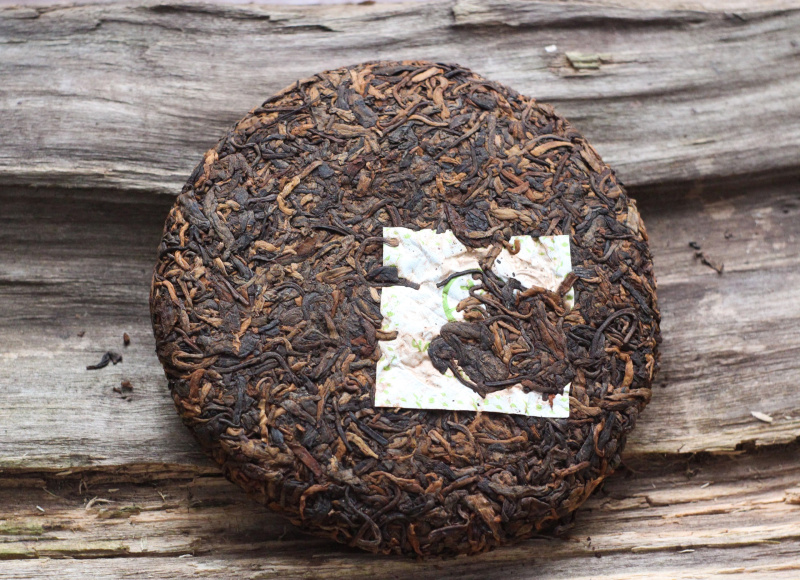
Pu-erh is one of the most unique types of tea, which only gets better with age. Many people, when they first encounter this tea, wondered: why is pu-erh more often found in pressed form (cakes, bricks, tochas), and not in loose form? The reasons for this are related to both history and the practical aspects of storing and fermenting tea. Despite modern technologies that allow the production of loose pu-erh, the shape of pressed cakes remains unchanged. And pu-erh is more often found on sale in pressed form, for example, in the form of cakes or bricks, and loose pu-erh is less common. We will talk about the reasons for pressing pu-erh into cakes in this article.
Puer is a unique Chinese tea that is distinguished by its depth of taste, complexity of aromas and versatility of aftertaste. Its taste characteristics are formed under the influence of many factors, from growing conditions to the brewing method. Let's look at the main ones.
Over time, some consumers who are part of the country's "tea elite" discover mainland Chinese tea. And only a few get acquainted with Taiwanese varieties. The path of a tea person is usually long and thorny, but ultimately it leads to the King of Teas - puer. But not everyone is able to go all the way from ordinary teas to puer and appreciate its qualities.
The tea ceremony holds a special place in the centuries-old Eastern tradition. While its essence remains constant, the nature and external manifestations of the tea ceremony vary among different cultures. Each Chinese province has its own distinct tea ceremony and tea used: for example, residents of the southern provinces prefer green tea, while those in the northern provinces prefer red tea. Oolong tea is more commonly used in Fujian Province, while Pu'er tea is widely known in Yunnan Province.
Need a consultation?
Our specialists will answer any question of interest


