





-
0 Saturation
-
0 Aftertaste
-
0 Aroma
-
0 Effect
-
0 Balance
-
0 Body
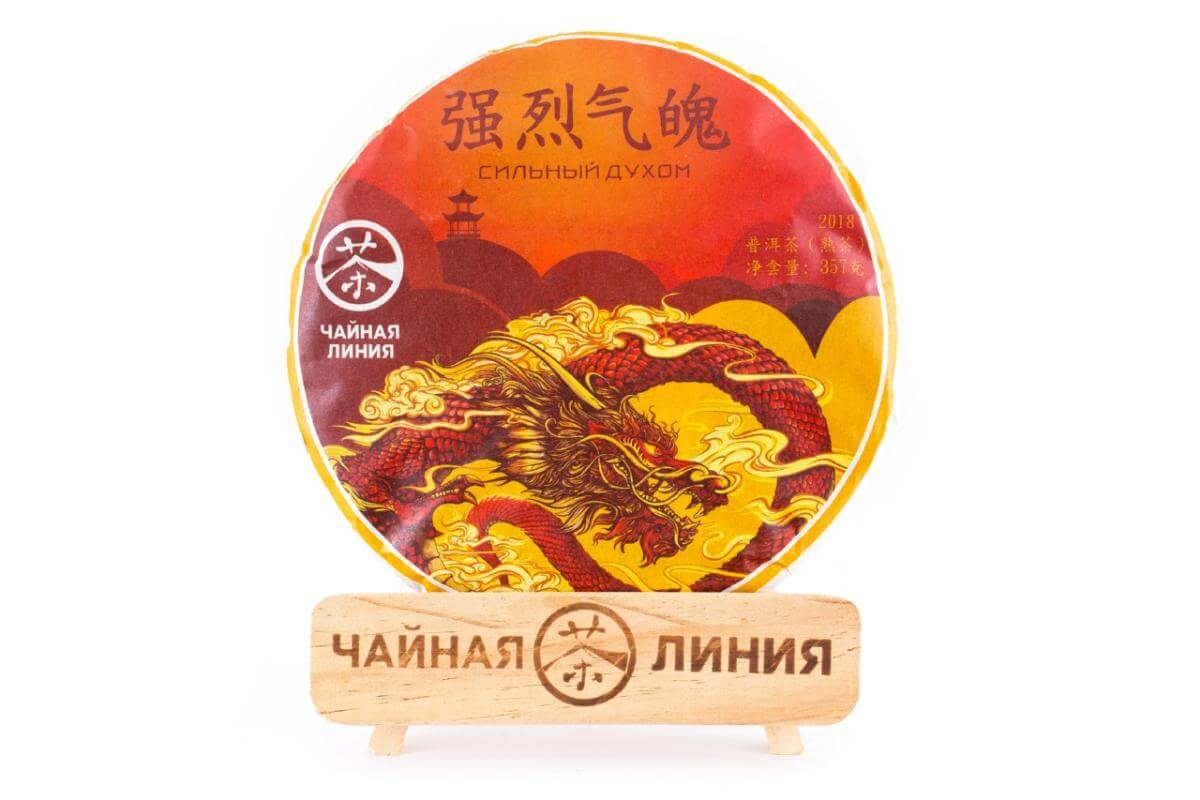
Shu Pu'er 2023 "Strong in Spirit" from Tea Line: A Source of Strength and Inspiration
The 2023 Shu Pu'er "Strong in Spirit" (Chinese: 强烈气魄, pinyin: qiángliè qìpò) from Tea Line is a true gift for connoisseurs of deep, rich flavor and noble aroma. Aged for two years, this tea has acquired unique properties that will be appreciated by both novices and seasoned tea connoisseurs.
Origin and production
This tea is made from high-quality raw materials harvested in 2022 on the Yongde tea plantations in the Xishuangbanna Dai Autonomous Prefecture of Yunnan Province. This region is home to some of the finest tea leaf varieties used to produce shu pu-erh. The freshly picked leaves underwent traditional heap fermentation and were pressed into cakes in 2023. This production method gives the tea its characteristic rich flavor and aroma.
Taste and aroma
When dry, the pu-erh tea has a restrained, woody aroma, with a prominent hint of cherry bark. After washing, the aroma is rich, with hints of damp cherry leaf, oak bark, and steamed wood. The flavor of "Strong in Spirit" shu pu-erh is dense, with a delicate acidity, woody notes, and a hint of cherry resin. By the third steeping, the flavor profile evens out and softens. A sweet note of cherry juice emerges, perfectly harmonizing with the woody profile. This pu-erh tea had six full steeps. The infusion is clean and transparent, a dark chestnut color. The aftertaste is light and relaxed, with woody and cherry tones.
Beneficial properties
Shu Puer "Strong in Spirit" has a number of beneficial properties:
- Toning: Fills the body with energy, gives strength and self-confidence.
- Calming the nervous system: Relieves stress, calms the nerves.
- Improved concentration: Clarifies the mind, increases concentration.
- Beneficial effect on digestion: Promotes normal digestion.
How to brew
For brewing Shu Pu'er "Strong in Spirit," we recommend using a purple clay teapot or porcelain gaiwan. Water temperature is approximately 95°C. The first steeping time is 30-40 seconds; subsequent steepings can be increased by 10-15 seconds.
Shu Pu'er "Strong in Spirit" is more than just a drink; it's a journey into the world of Chinese tea culture. Its deep flavor and noble aroma will immerse you in the atmosphere of Yunnan tea plantations and savor all the facets of this unique tea.

When dry, pu-erh tea has a restrained, woody aroma, with a prominent hint of cherry bark. After washing, the aroma is rich, with hints of damp cherry leaf, oak bark, and steamed wood.
The flavor of "Strong in Spirit" shu pu-erh is dense, with a delicate acidity, woody notes, and a hint of cherry tree resin. By the third steeping, the flavor profile evens out and softens. A sweet cherry juice note emerges, perfectly harmonizing with the woody profile. This pu-erh was steeped for six full infusions. The infusion is clean and clear, a dark chestnut color. The aftertaste is light and relaxed, with woody cherry tones.
It is best to brew this pu-erh in a purple clay teapot or use a porcelain gaiwan.
Shu Puer 2018 "Strong in Spirit" from the Tea Line brand energizes the body, gives strength and self-confidence, strengthens the spirit and calms the nerves, makes the eyes sharp, clears the mind and sobers up.
A very affordable price, pleasant taste, and classic tea texture make this 357-gram signature cake a must-have for every day. It's easy to brew and suitable for any occasion.
|
Name in Chinese
|
强烈气魄 |
|
Pinyin
|
qiángliè qìpò |
|
Translation
|
Strong in spirit |
|
Country
|
Китай |
|
District
|
Xishuangbanna Dai Autonomous Prefecture |
|
Provinces
|
Юньнань (云南) |
|
Habitat
|
Юндэ (永德, yǒngdé) |
|
Manufacturer
|
ООО "Чайная Линия" |
|
Date of raw material production
|
2022 |
|
Year of pressing
|
2023 |
|
Pressing form
|
Бин Ча (блин) |
|
Declared weight, g
|
357 |
|
Fermentation method
|
In heaps |
- Reviews
- Vkontakte
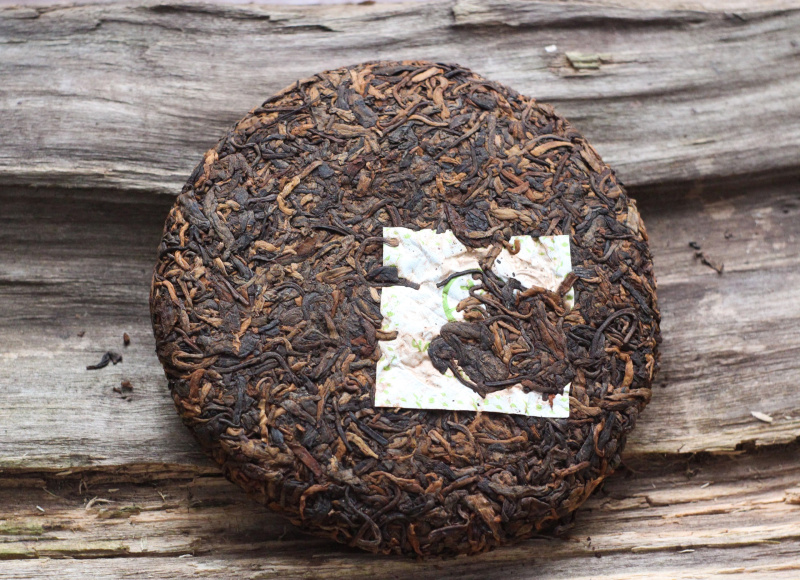
Pu-erh is one of the most unique types of tea, which only gets better with age. Many people, when they first encounter this tea, wondered: why is pu-erh more often found in pressed form (cakes, bricks, tochas), and not in loose form? The reasons for this are related to both history and the practical aspects of storing and fermenting tea. Despite modern technologies that allow the production of loose pu-erh, the shape of pressed cakes remains unchanged. And pu-erh is more often found on sale in pressed form, for example, in the form of cakes or bricks, and loose pu-erh is less common. We will talk about the reasons for pressing pu-erh into cakes in this article.
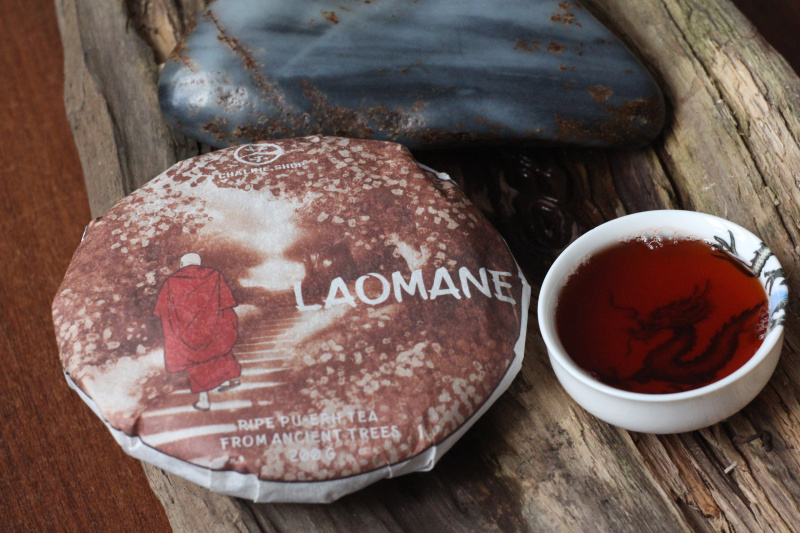
Puer is a unique Chinese tea that is distinguished by its depth of taste, complexity of aromas and versatility of aftertaste. Its taste characteristics are formed under the influence of many factors, from growing conditions to the brewing method. Let's look at the main ones.
Over time, some consumers who are part of the country's "tea elite" discover mainland Chinese tea. And only a few get acquainted with Taiwanese varieties. The path of a tea person is usually long and thorny, but ultimately it leads to the King of Teas - puer. But not everyone is able to go all the way from ordinary teas to puer and appreciate its qualities.
The tea ceremony holds a special place in the centuries-old Eastern tradition. While its essence remains constant, the nature and external manifestations of the tea ceremony vary among different cultures. Each Chinese province has its own distinct tea ceremony and tea used: for example, residents of the southern provinces prefer green tea, while those in the northern provinces prefer red tea. Oolong tea is more commonly used in Fujian Province, while Pu'er tea is widely known in Yunnan Province.
Need a consultation?
Our specialists will answer any question of interest


