





-
9 Saturation
-
9 Aftertaste
-
9 Aroma
-
8 Effect
-
9 Balance
-
9 Body
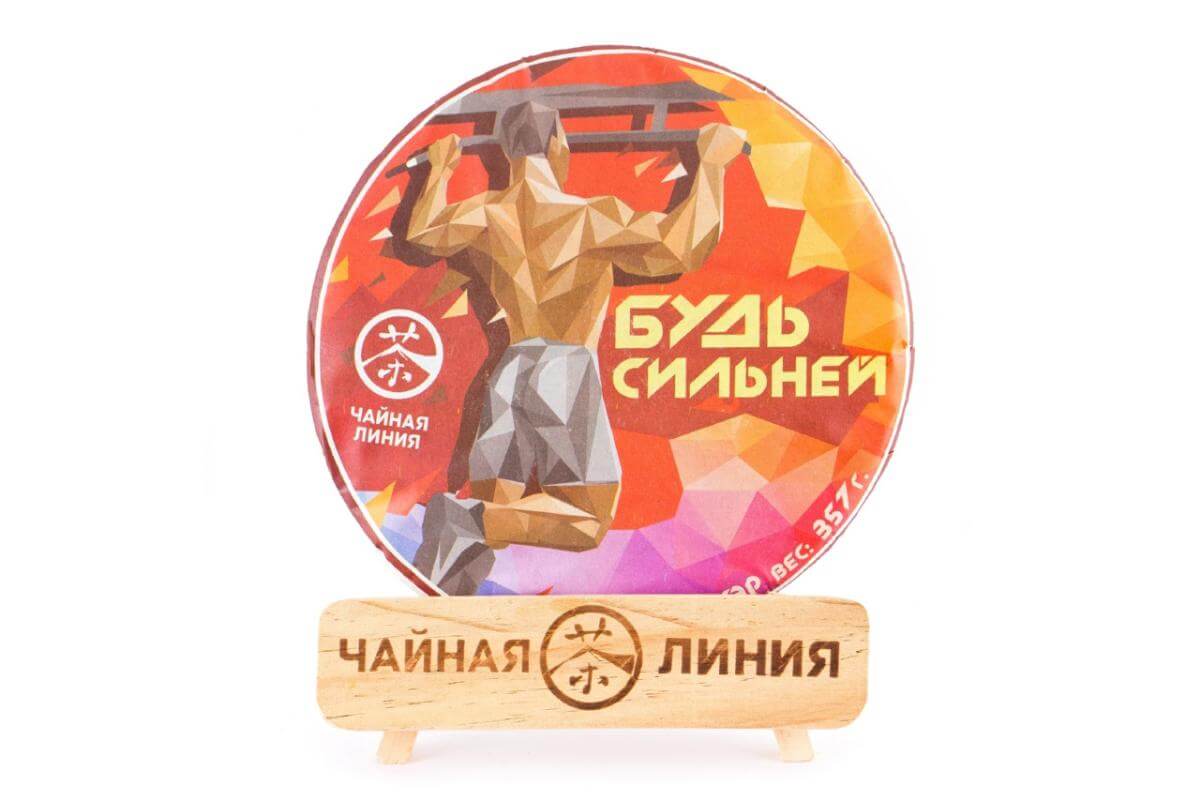
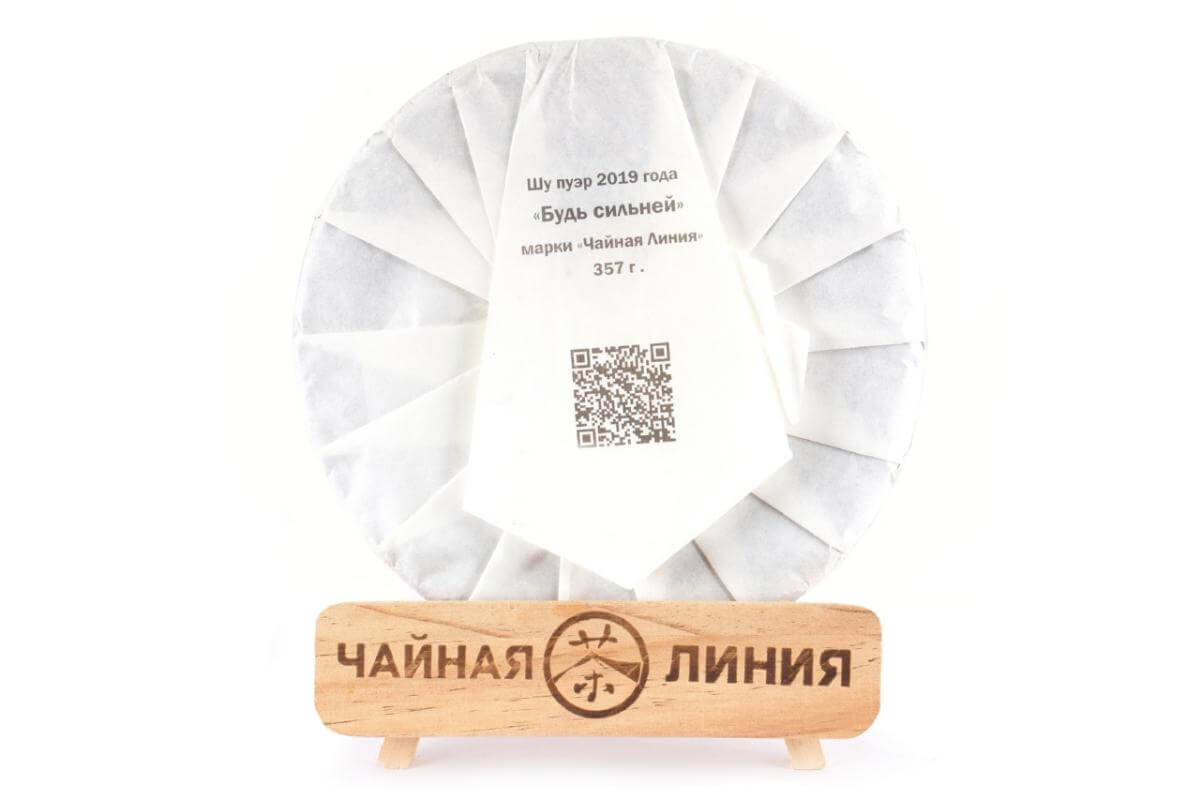
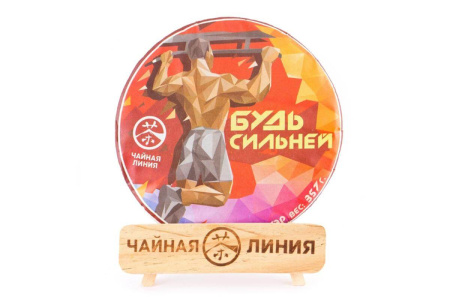
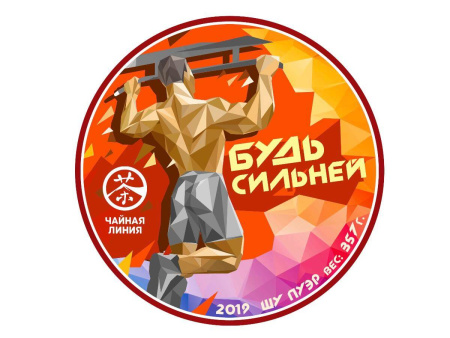
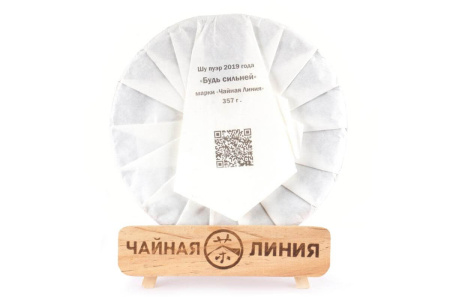
Title: " Be Stronger "
Raw material production date: 2018
Pressing date: 2019
Claimed weight: 357 g.
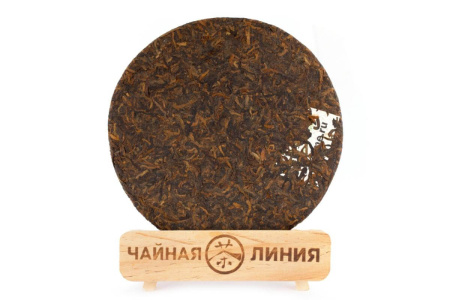
Shape: pancake (bincha).
Brand: " Tea line ".
Area where raw materials grow: Menghai region (勐海县, měnghǎi xiàn), Xishuangbanna-Dai Autonomous Prefecture (西双版纳傣族自治州), Yunnan Province (云南省, yúnnán shěng), China.
A truly original and unique signature shu pu-erh cake, "Be Stronger." Made from blended tea leaves from the Menghai region of the Xishuangbanna Dai Autonomous Prefecture, located in the south of Yunnan Province. It includes the counties of Jinghong, Menghai, and Mengla. Xishuangbanna is the main pu-erh production area in China.
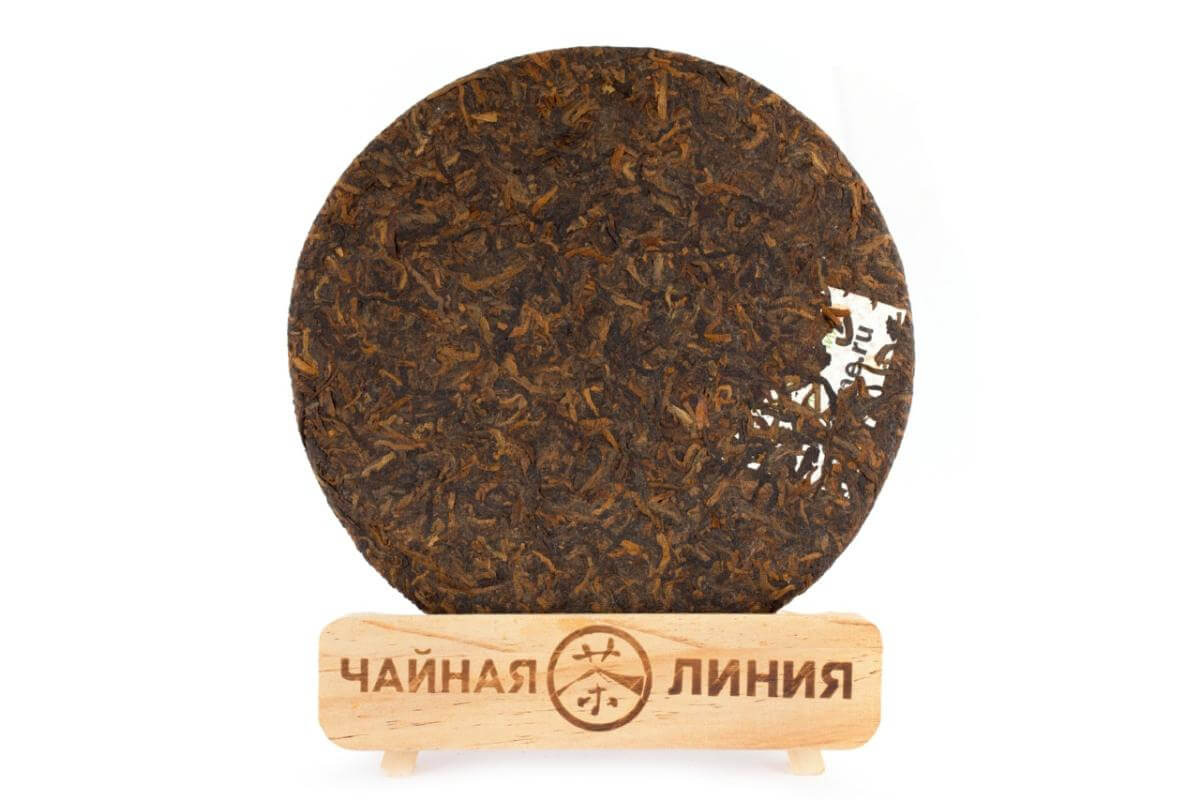
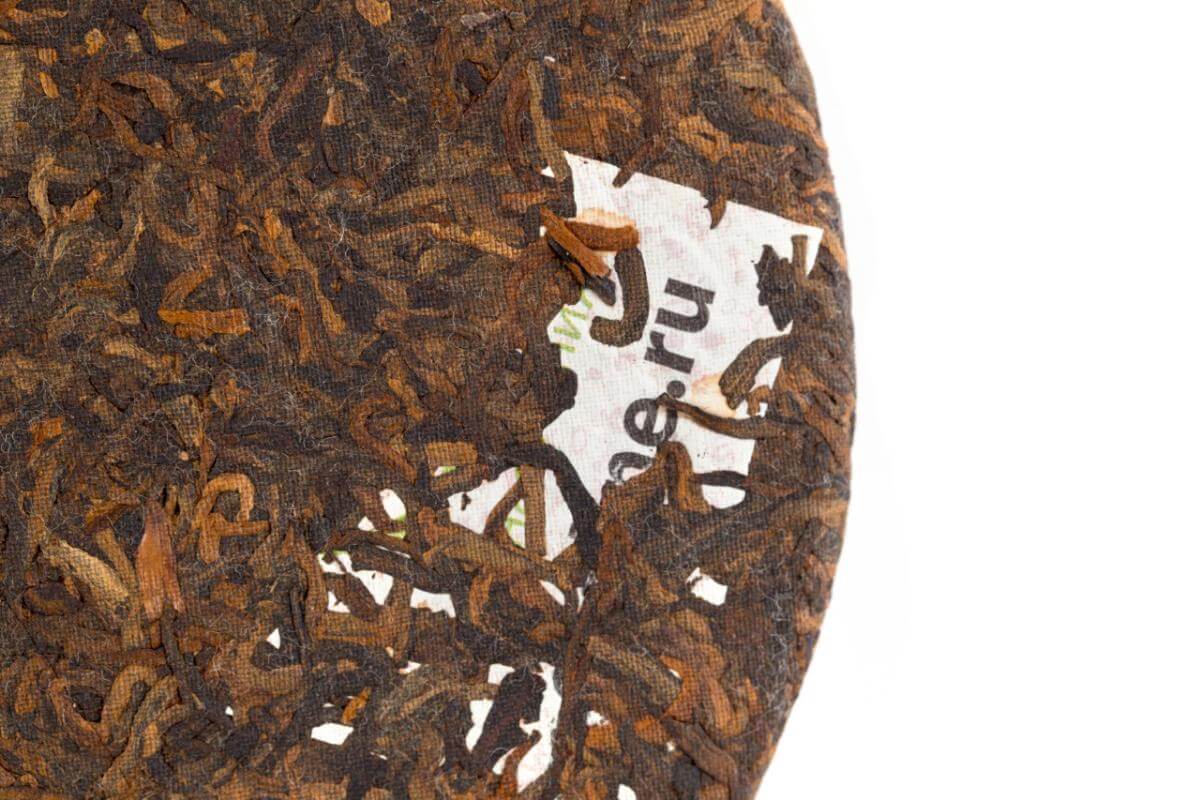
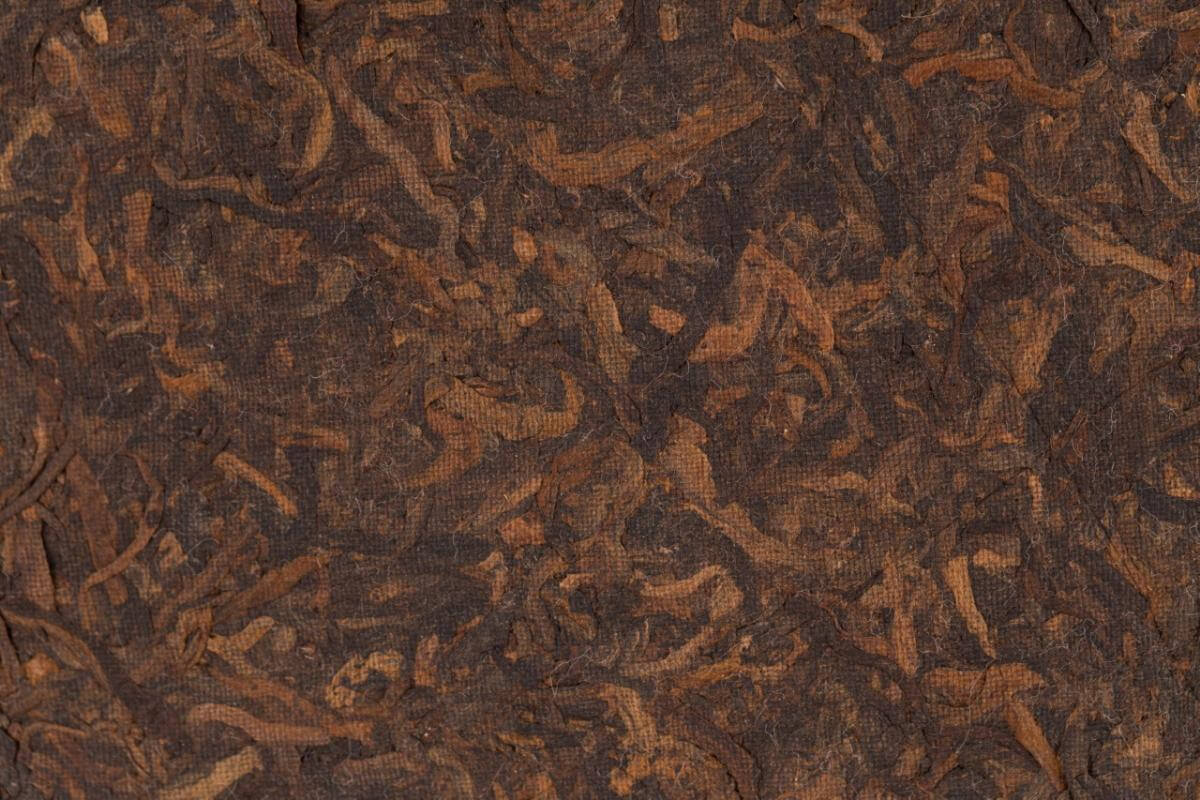
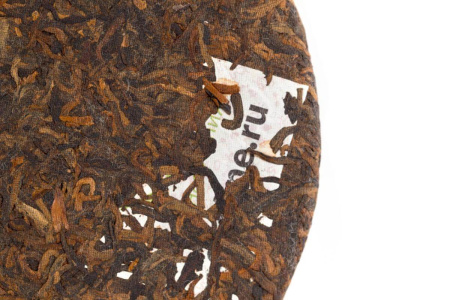
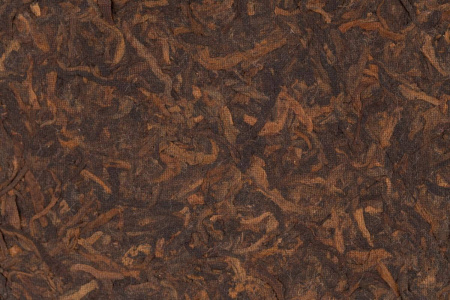
For the "Be Stronger" shu pu'er, we used tea leaves of the " Da Ye Zhong " (大叶种, dàyězhǒng) variety, which characterizes them as having large leaf blades. The tea leaves in the cake appear varied, with numerous hairy buds and leaves. A delicate prune aroma is noticeable in the split tea. This is complemented by a hint of walnut during brewing.
Tea from a limited edition.
The signature pancake has a rich, velvety, chocolate-nutty aroma with hints of spice. The washed pu-erh reveals a warm, sweet flavor with notes of cocoa beans, homemade sponge cake, and sweet spices.
The brewed tea has a delicate, chocolatey, nutty flavor, with spicy notes and hints of cocoa liquor. The body is soft, thick, and dense. The tea rolls easily down the throat, enveloping the entire mouth. This pu-erh tea is brewed for eight full steeps. Gradually, the flavor palette shifts toward spicy, woody notes with hints of dark chocolate.
The aftertaste is chocolate-berry, rich and balanced. The infusion is clear, dark chestnut in color with a reddish-brown tint.
Pu-erh is best enjoyed in a thick-walled Yixing teapot or a porcelain gaiwan.
Tea Qi is strong and direct. It manifests itself actively after the first cup. Tea is a great tonic, sobering, and focused tea, balancing, providing a sense of comfort, and setting the right mood.
Shu Pu'er 2019 "Be Stronger" by Chaynaya Liniya is a wonderful tea made from high-quality tea leaves harvested at high altitude, boasting a memorable flavor and a powerful aftertaste. It's perfect for a leisurely weekend tea with close friends, or makes a wonderful gift for a pu'er lover.
|
Country
|
Китай |
|
District
|
Xishuangbanna Dai Autonomous Prefecture |
|
Provinces
|
Юньнань (云南) |
|
Manufacturer
|
ООО "Чайная Линия" |
|
Date of raw material production
|
2020 |
|
Year of pressing
|
2021 |
|
Pressing form
|
Бин Ча (блин) |
|
Declared weight, g
|
357 |
|
The tea is suitable.
|
post-workout (recovery), to alter consciousness (intoxicating tea), to improve performance, to perk up (morning) |
- Reviews
- Vkontakte
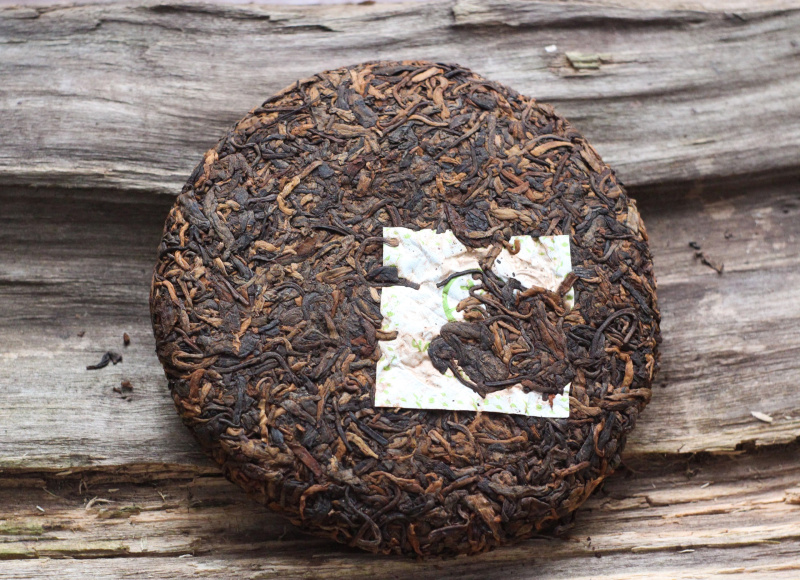
Pu-erh is one of the most unique types of tea, which only gets better with age. Many people, when they first encounter this tea, wondered: why is pu-erh more often found in pressed form (cakes, bricks, tochas), and not in loose form? The reasons for this are related to both history and the practical aspects of storing and fermenting tea. Despite modern technologies that allow the production of loose pu-erh, the shape of pressed cakes remains unchanged. And pu-erh is more often found on sale in pressed form, for example, in the form of cakes or bricks, and loose pu-erh is less common. We will talk about the reasons for pressing pu-erh into cakes in this article.
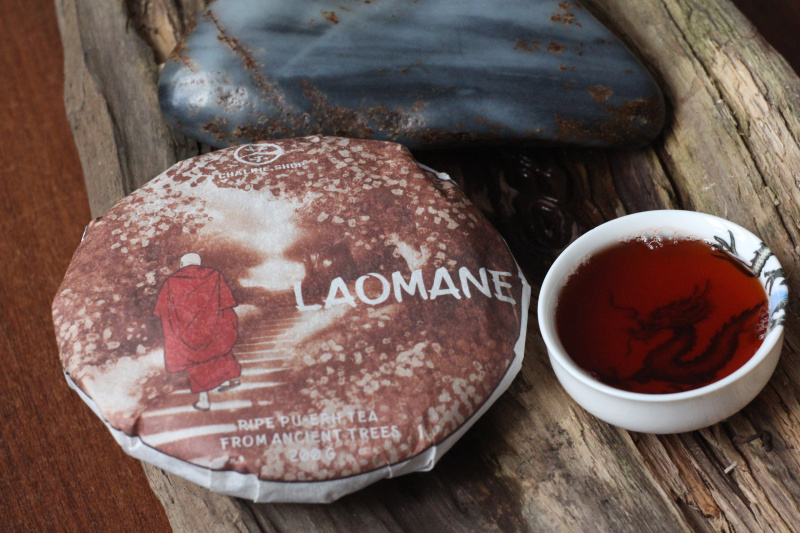
Puer is a unique Chinese tea that is distinguished by its depth of taste, complexity of aromas and versatility of aftertaste. Its taste characteristics are formed under the influence of many factors, from growing conditions to the brewing method. Let's look at the main ones.
Over time, some consumers who are part of the country's "tea elite" discover mainland Chinese tea. And only a few get acquainted with Taiwanese varieties. The path of a tea person is usually long and thorny, but ultimately it leads to the King of Teas - puer. But not everyone is able to go all the way from ordinary teas to puer and appreciate its qualities.
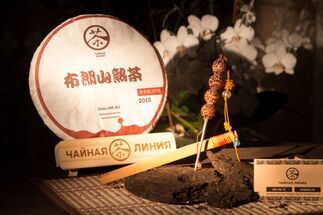
The tea ceremony holds a special place in the centuries-old Eastern tradition. While its essence remains constant, the nature and external manifestations of the tea ceremony vary among different cultures. Each Chinese province has its own distinct tea ceremony and tea used: for example, residents of the southern provinces prefer green tea, while those in the northern provinces prefer red tea. Oolong tea is more commonly used in Fujian Province, while Pu'er tea is widely known in Yunnan Province.
Need a consultation?
Our specialists will answer any question of interest


