





-
10 Saturation
-
9 Aftertaste
-
9 Aroma
-
9 Effect
-
9 Balance
-
9 Body
Area where raw materials grow: Yongde region (Chinese: 永德, pinyin yǒngdé), Lincang county (临沧, Líncāng), Yunnan province (云南, yúnnán), China.
The Yongde region of Lincang County is ideal for growing and harvesting tea leaves almost year-round, with temperatures remaining stable at an average of 17°C throughout the year. Yongde is one of four counties in Lincang City, along with Fengqing, Yunxian, and Zhenkang. The climate here is warm, temperate, and generally mild. Even in the driest month, rain is common.
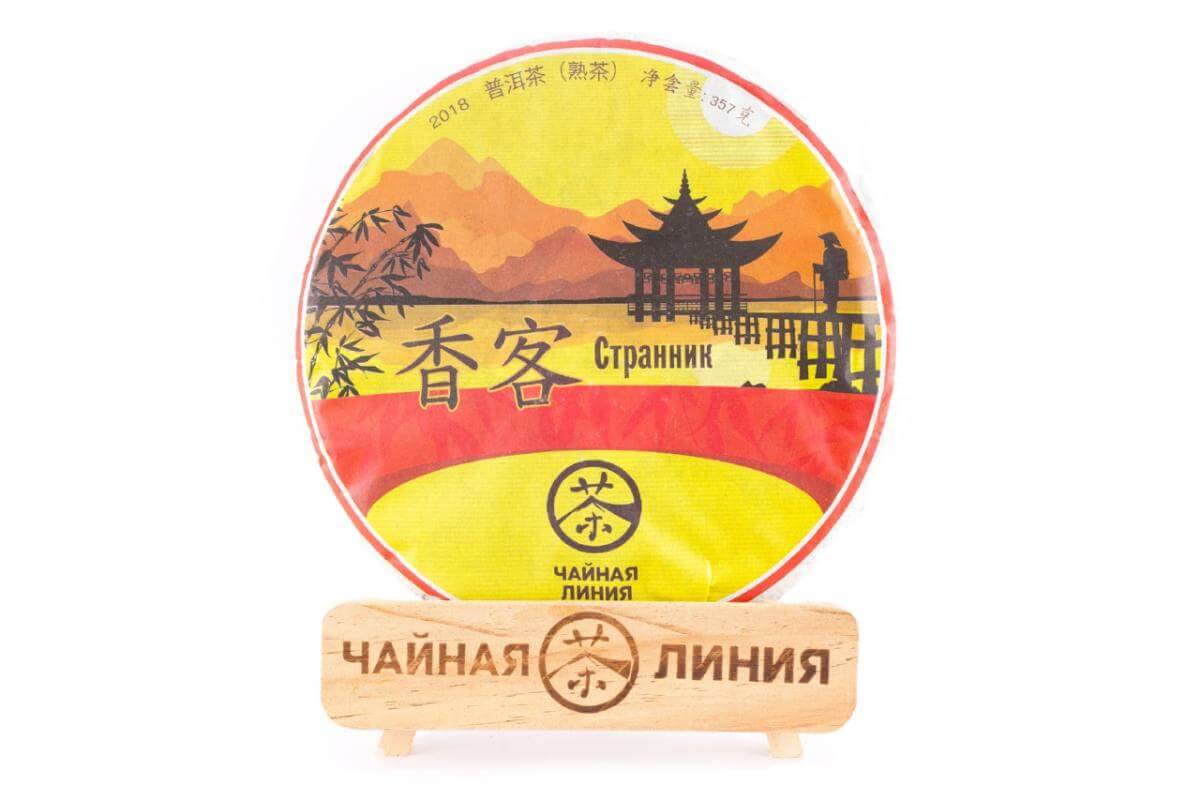
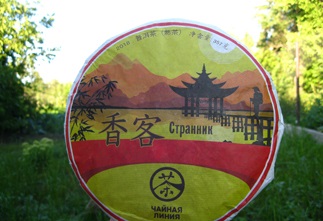
The tea leaves in the " Wanderer " shu pu-erh cake are true to the region where they were grown—smooth, consistent in flavor, and rich throughout the cake. The aroma, immediately noticeable upon breaking, is very vibrant, with notes of forest undergrowth and minerality. As it steeps, the aroma thickens, becoming more mellow. The flavor is rich with dates and prunes, which linger into the aftertaste. Ideal for lovers of strong, vibrant shu pu-erhs. It's also suitable for long tea parties.
Tea from a limited edition.

As soon as you remove the pancake from its wrapper, you'll be greeted by a rich, vibrant aroma with a hint of camphor, a hint of roasted nuts, and a light touch of dried peppermint. The rinse imparts a warm, rich aroma with a camphor profile, hints of fresh hazelnuts, and dried forest herbs.
The flavor of brewed pu-erh is bright, juicy, and full-bodied. A pleasant note of wormwood with nutty nuances dominates. This pu-erh is steeped seven times, preserving its flavor profile as much as possible. The aftertaste is long, nutty and chocolatey, thickly enveloping the entire mouth.
The most suitable utensils for brewing this tea are a thick-walled Yixing clay teapot or a porcelain gaiwan.
The finished infusion is clear, deep black-brown in color.
Pu-erh gently invigorates and dispels drowsiness, calms the nerves, gives the right direction to all affairs and undertakings, encourages action and improves mood.
Shu Pu-erh "Wanderer" 2019 from the "Tea Line" brand is a high-quality tea for daily consumption, with an elegant taste and a long-lasting effect.
|
Name in Chinese
|
香客 |
|
Pinyin
|
xiāngkè |
|
Translation
|
Wanderer |
|
Country
|
Китай |
|
District
|
Lincang (Chinese: 临沧, pinyin: Líncāng) |
|
Manufacturer
|
ООО "Чайная Линия" |
|
Date of raw material production
|
2020 |
|
Year of pressing
|
2021 |
|
Pressing form
|
Бин Ча (блин) |
|
Declared weight, g
|
357 |
|
The tea is suitable.
|
for meditation (relaxing), to alter consciousness (intoxicating tea), to improve performance, to perk up (morning) |
- Reviews
- Vkontakte
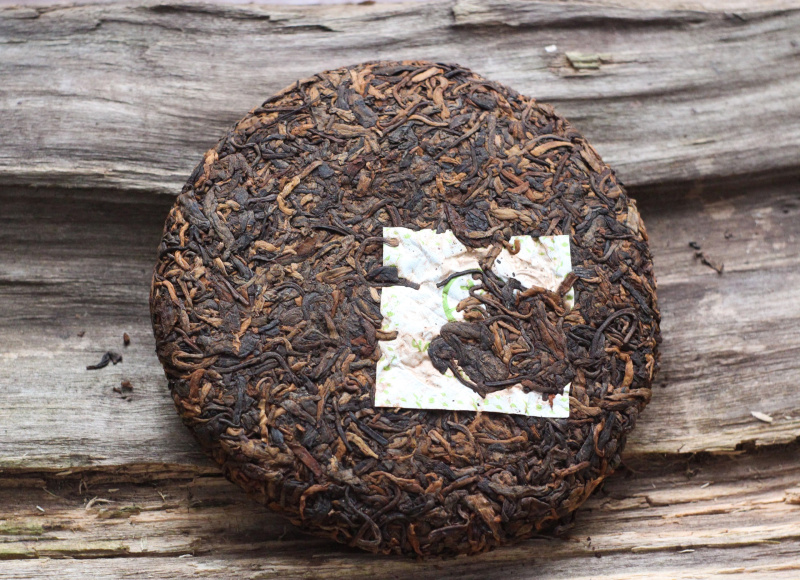
Pu-erh is one of the most unique types of tea, which only gets better with age. Many people, when they first encounter this tea, wondered: why is pu-erh more often found in pressed form (cakes, bricks, tochas), and not in loose form? The reasons for this are related to both history and the practical aspects of storing and fermenting tea. Despite modern technologies that allow the production of loose pu-erh, the shape of pressed cakes remains unchanged. And pu-erh is more often found on sale in pressed form, for example, in the form of cakes or bricks, and loose pu-erh is less common. We will talk about the reasons for pressing pu-erh into cakes in this article.
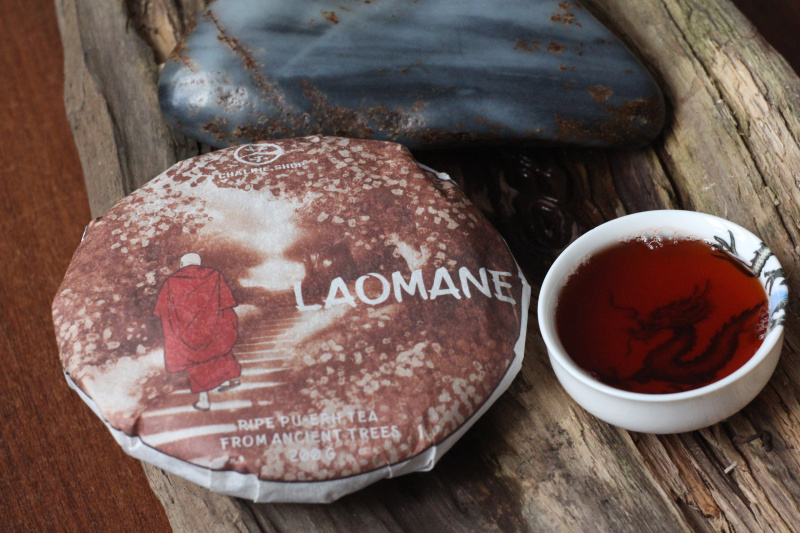
Puer is a unique Chinese tea that is distinguished by its depth of taste, complexity of aromas and versatility of aftertaste. Its taste characteristics are formed under the influence of many factors, from growing conditions to the brewing method. Let's look at the main ones.
Over time, some consumers who are part of the country's "tea elite" discover mainland Chinese tea. And only a few get acquainted with Taiwanese varieties. The path of a tea person is usually long and thorny, but ultimately it leads to the King of Teas - puer. But not everyone is able to go all the way from ordinary teas to puer and appreciate its qualities.
The tea ceremony holds a special place in the centuries-old Eastern tradition. While its essence remains constant, the nature and external manifestations of the tea ceremony vary among different cultures. Each Chinese province has its own distinct tea ceremony and tea used: for example, residents of the southern provinces prefer green tea, while those in the northern provinces prefer red tea. Oolong tea is more commonly used in Fujian Province, while Pu'er tea is widely known in Yunnan Province.
Need a consultation?
Our specialists will answer any question of interest


