



-
0 Saturation
-
0 Aftertaste
-
0 Aroma
-
0 Effect
-
0 Balance
-
0 Body
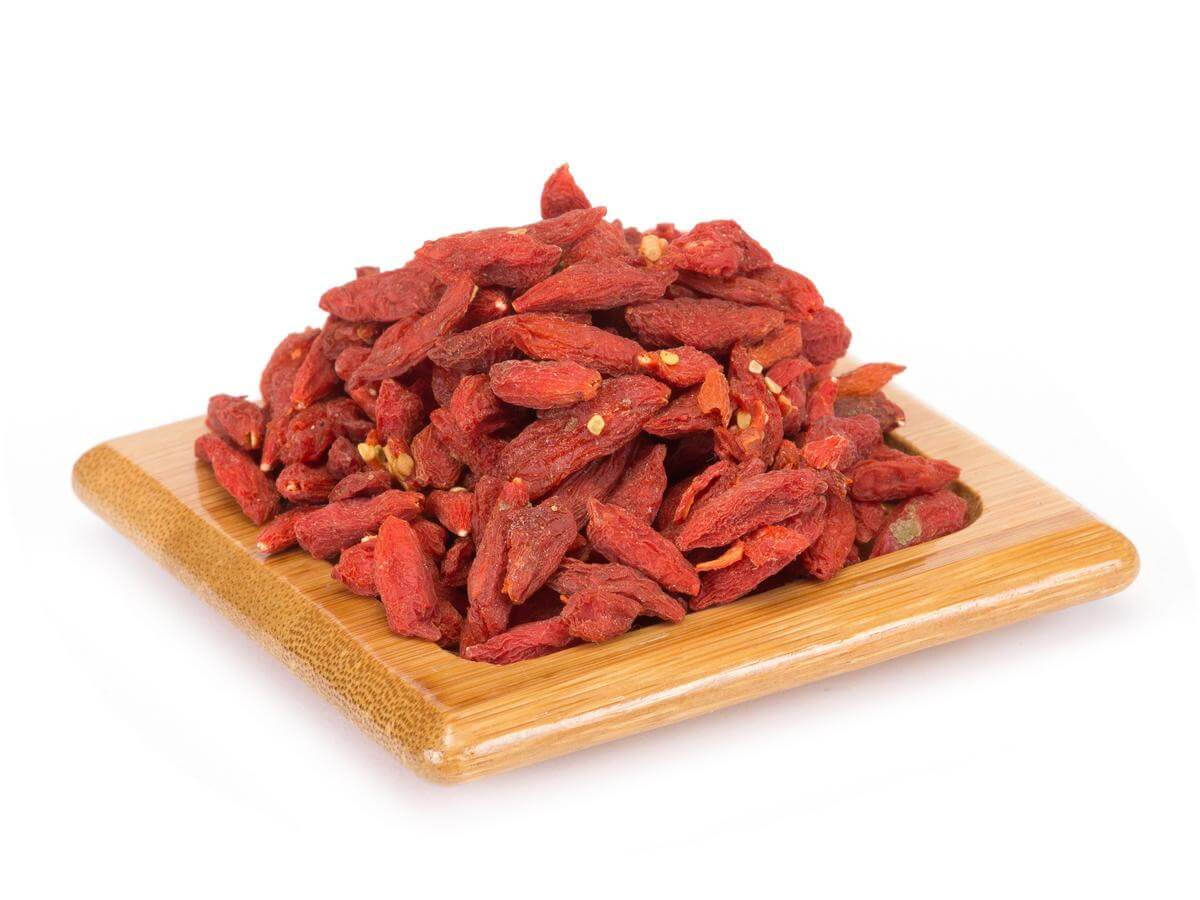
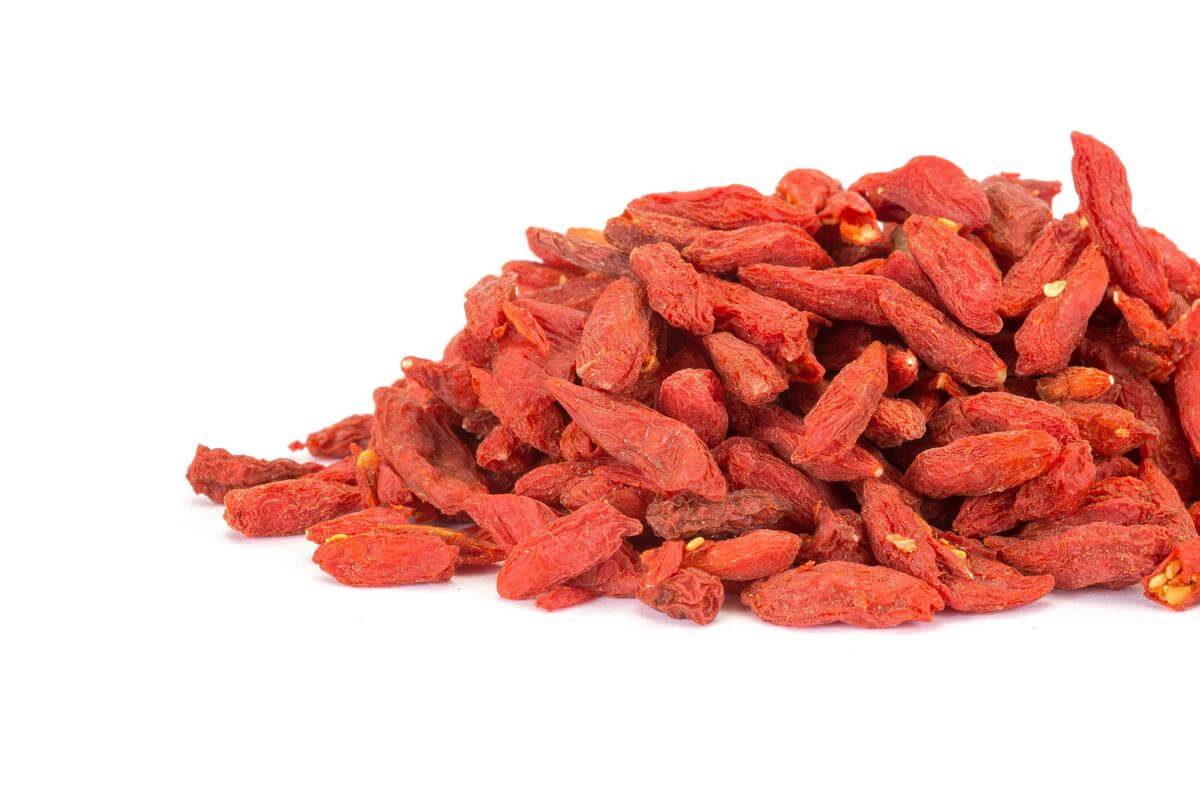
Goji berries
枸杞 - gōu qǐ
Goji berries, first discovered in Tibet, studied in China, and celebrated in Europe and the United States, have now reached Russia. These berries are the most healing, beneficial, and unique plant known today. The Chinese call them "happy berries," "marital wine," "medicinal," "precious tree," and "passion-inciter."
Goji berries are a storehouse of beneficial micronutrients, a large amount of antioxidants, natural minerals, and amino acids, such as zinc, calcium, selenium, phosphorus, copper, iron, iodine, manganese, nickel, chromium, magnesium, potassium, cobalt, cadmium, and germanium. These berries also contain vitamins C, E, B1, B2, and B6, as well as the polysaccharides LBP-1, LBP-2, LBP-3, and LBP-4. The nutritional value of dried goji berries is: carbohydrates 68%, protein 12%, fat 10%, and fiber 10%.
The Bone Et Al laboratory conducted experiments on the effects of zeaxanthin found in these berries on people several times from 1985 to 2003. Other scientific laboratories also conducted studies: Li Et Al in 1989-1991, Seddon Et Al in 1994, Hsu Et Al, Brown Etal, Chasan-Taber Et Al in 1999, Lb. Gp. 2 and Peng and Tian in 2001, Li Et Al, Wang Et Al, Johnson Et Al in 2002, Gale Et Al in 2003, Gan Et Al, Breaithaupt Et Al, Beatty Et Al in 2004. As a result of the above studies, results were obtained indicating that Goji berries are extremely beneficial for the body. Eating goji berries helps fight heart disease, diabetes, and cancer. Goji berries improve potency and sperm quality in men, boost libido in women, promote weight loss, lower cholesterol and blood sugar levels, regulate melatonin levels, combat insomnia, and help overcome the negative effects of menopause. In 1995, the Ren et al laboratory discovered that the antioxidants contained in goji berries protected laboratory rats from radiation. In China, goji berry infusion is recommended for a healthy pregnancy and a speedy recovery from illness, but it is advised to avoid goji berries if you have a high fever or an individual intolerance to them.
Goji berries are consumed both dried and as compote. They are also used in soups, porridges, ice cream, cocktails, wine, salads, desserts, yogurts, baked goods, and, of course, tea. The recommended daily intake of goji berries is 10 to 25 grams. Goji berry compote is best stored in the refrigerator for no more than 1-2 days. Before consumption, the berries should be rinsed, just like tea.
Although Goji Berries are not a panacea, if you care about your health, want to support your immune system, and add variety to your regular tea, we recommend including these magical berries in your diet.
|
Name in Chinese
|
枸杞 |
|
Pinyin
|
gǒuqǐ |
|
Translation
|
Lycium barbarium, Goji |
|
Country
|
Китай |
- Reviews
- Vkontakte


