



-
10 Saturation
-
10 Aftertaste
-
8 Aroma
-
10 Effect
-
10 Balance
-
10 Body
Title: "Kudin"
Translation: "Bitter thorn"
Whale. 苦丁, pinyin kǔdīng
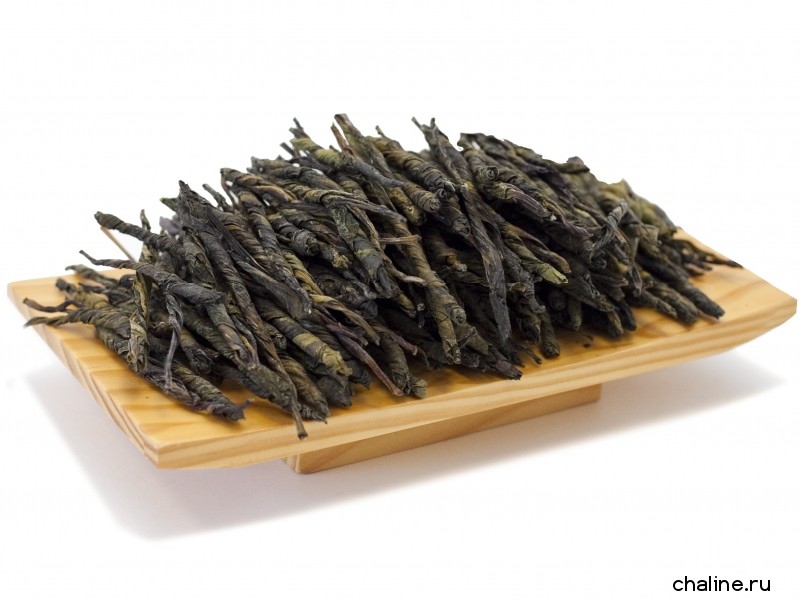
Kuding is also known as bitters. It is made from broadleaf holly (Ilex kaushue), a species native to China. The leaves, when fully formed, resemble tightly twisted tubes. This shape is reflected in the second character in the name, which means "thorn" or "nail." Another type of kuding exists, made from privet (Ligustrum robustum).
Kuding is considered a healing drink and has been known since ancient times. According to the writings of the Chinese physician Li Shizhen (1518–1593), it can clear the head and eyes, quench thirst, improve digestion, maintain vitality, and even act as an anti-inflammatory. Today, the complex composition of over 200 substances contained in the leaf is fully understood.
To obtain a pleasant drink instead of a harsh bitterness, brew the leaves with hot water, not boiling water. A sip is immediately followed by a sweet aftertaste. It also contains some caffeine.
First published on 01.02.2016.
Copyright © Chaline.Ru

|
Name in Chinese
|
苦丁 |
|
Pinyin
|
kǔdīng |
|
Country
|
Китай |
- Reviews
- Vkontakte
This category usually includes some plants that are not of tea origin (not related to the Chinese camellia variety). However, people are used to calling it tea. One of the reasons for calling this category tea was the use of the same processing methods as regular tea. As the name of this category suggests, these teas have a pronounced health-promoting, disease-preventing and general strengthening effect.

If you ask any Russian today: "What is the main non-alcoholic national drink?", then in the overwhelming majority of cases we will hear about tea. In the category of non-alcoholic drinks, tea is beyond competition. But tea came to the European part of Russia only in the 17th century. What drinks did Russians drink before the arrival of tea and in parallel with it? We will try to answer this question.


