



-
8 Saturation
-
5 Aftertaste
-
9 Aroma
-
8 Effect
-
9 Balance
-
9 Body
Purple Sheng Pu'er (紫生普洱): Rare Color and Unique Taste
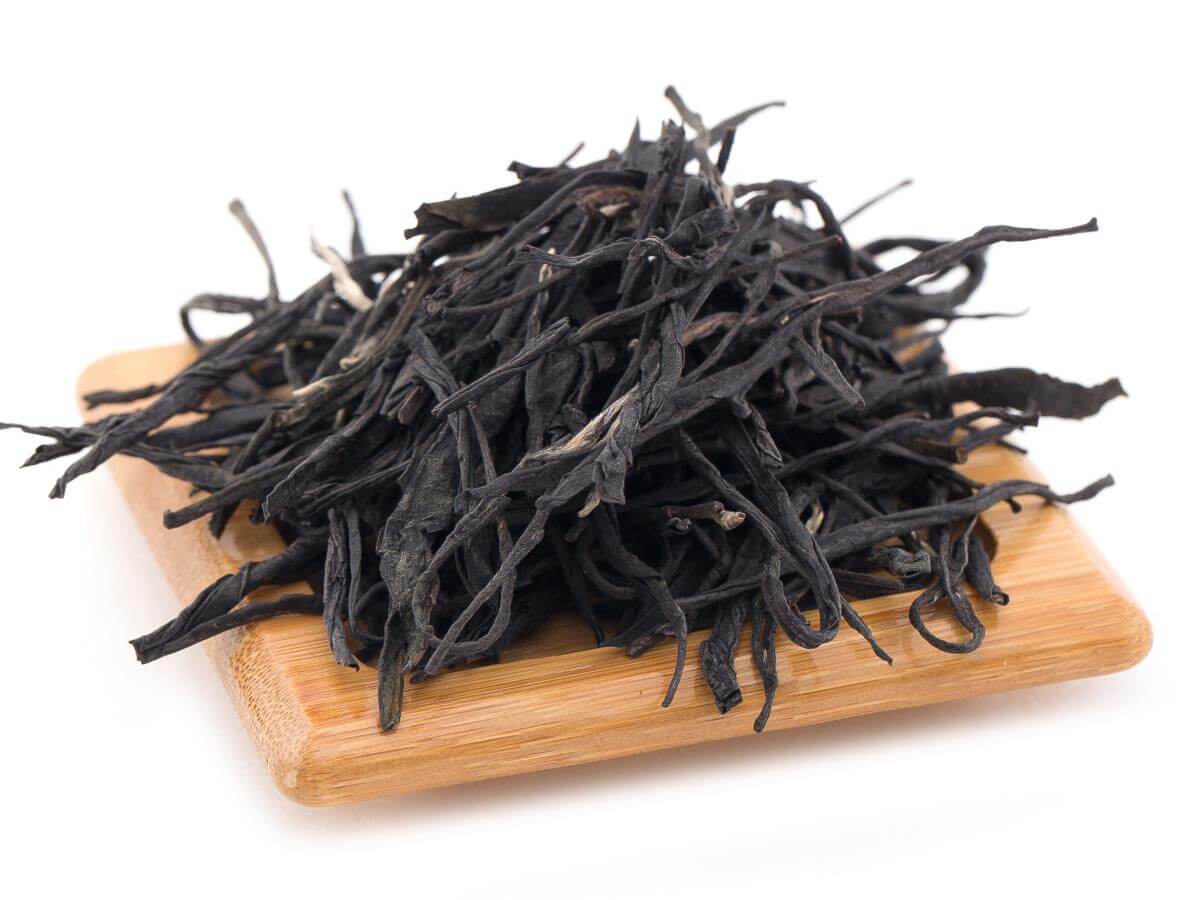
The world of Chinese pu-erh tea is replete with diversity, but among its many varieties, purple sheng pu-erh (紫生普洱, Zǐ Shēng Pǔ'ěr) occupies a special, intriguing place. This tea, presented here in loose leaf maocha (毛茶, Máochá) form, attracts attention with its unusual color and offers a unique flavor experience, distinct from classic sheng pu-erh.
The Mystery of Purple: Anthocyanins and Variations
Purple sheng owes its name and distinctive appearance to the high anthocyanin content of its tea leaves. Anthocyanins are the same natural pigments that give blueberries, blackberries, red cabbage, and other purple or red plants their rich color.
The reason for the high anthocyanin content in tea may be twofold:
- Genetic: There are specific varieties (cultivars) of the tea tree in Yunnan that are genetically predisposed to producing large quantities of these pigments. The most famous cultivar is Zi Juan (紫娟, Zǐ Juān - "Purple Charm"), but there are also other wild or semi-cultivated forms, collectively called Zi Cha (紫茶, Zǐ Chá - "Purple Tea").
- Environmental: Sometimes increased anthocyanin production can be a reaction of the common tea bush to stressful environmental conditions, such as intense ultraviolet radiation at high altitudes.
As a result, the young buds and leaves of these plants have a distinct violet or purple hue. After processing sheng pu'er (withering, fixing the green parts, rolling, and sun-drying), the finished loose tea (maocha) often retains this unusual color—purple or dark violet fragments of leaves and buds interspersed with green, creating a very beautiful and unusual picture. The infusion may also have an unusual hue, sometimes slightly pinkish or lilac-tinged during the first steepings.
Origin and processing
Purple Sheng Pu'er, like all pu'er, originates from Yunnan Province. Purple tea tree varieties are found in various counties within the province, including Lincang, Pu'er (Simao), Dehong, and others. Processing is carried out using standard sheng pu'er technology, which aims to preserve enzymatic activity and the tea's potential for further aging. The maocha (loose tea) format allows for the full appreciation of the leaf's unique color before brewing.
Taste and aroma
The flavor profile of purple sheng often differs from that of standard sheng pu-erh made from regular raw materials:
- Aroma: More floral with lavender or violet notes, fruity (plum, dark berries) and slightly herbaceous-medicinal.
- Taste: Possesses a distinct fruity sweetness and a distinctive sourness. It has a distinctive, memorable bitterness, characteristic of Zi Juan, with a quick, sweet aftertaste.
- Texture: Dense, enveloping.
Beneficial properties
Due to its high anthocyanin content, Purple Sheng is often credited with enhanced antioxidant properties. Anthocyanins are known for their ability to combat free radicals.
Brewing recommendations
- Glassware: A gaiwan or glassware will allow you to evaluate the color of the infusion.
- Water: As with other sheng pu-erh, you can use water at around 90-95°C, but you can also try a slightly lower temperature (85-90°C) to better reveal any subtle floral or fruity notes that may be present.
- Brewing: It is recommended to rinse the tea before the first steeping. Start with short steeping times (10-15 seconds), gradually increasing the time.
Storage and potential
Purple sheng pu'er is also designed for long-term storage and aging. Its evolution over time may differ slightly from that of regular sheng due to its different biochemical composition. It should be stored under standard pu'er conditions: in a dry, ventilated place, away from extraneous odors and light.
Purple sheng pu-erh is a unique phenomenon in the tea world. Its unusual appearance is due to its high anthocyanin content. This tea attracts attention both for its rarity and aesthetic appeal, as well as its potential health benefits. It is an excellent choice for collectors and tea lovers seeking new, unusual flavors and experiences in the boundless world of pu-erh.

|
Name in Chinese
|
紫生普洱 |
|
Country
|
China |
- Reviews
- Vkontakte


