




-
0 Saturation
-
0 Aftertaste
-
0 Aroma
-
0 Effect
-
0 Balance
-
0 Body
Chinese tea Shu Pu'er 2018 "Gongting "
Shu Pu'er "Gongting" 2018 is an elite loose-leaf tea produced from selected raw materials harvested in 2011 in the Bulan region (布朗, Bùlǎng) of Menghai County, Yunnan Province. The name "Gongting" (宫廷, gōngtíng) translates as "palace" or "imperial," emphasizing the exceptional quality and prestige of this tea. Bulan tea is renowned for its rich flavor, deep aroma, and unique energy, making it a true treasure for pu'er connoisseurs.
Features of the Bulan region
Bulan is a picturesque region in Menghai County, renowned for its ancient tea plantations and favorable climate. Clean air, fertile soil, and a moderate climate create ideal conditions for tea tree growth. Bulan teas are distinguished by their rich flavor, vibrant aroma, and balanced character.
What is "Gunting"?
The name "Gongting" (宫廷, gōngtíng) indicates that the tea is made from selected, premium-quality tea leaves, traditionally supplied to the imperial court. Only the most tender buds and young leaves are used to produce this tea, giving the drink a particularly soft and refined flavor.
Characteristics of Gongting tea
- Appearance
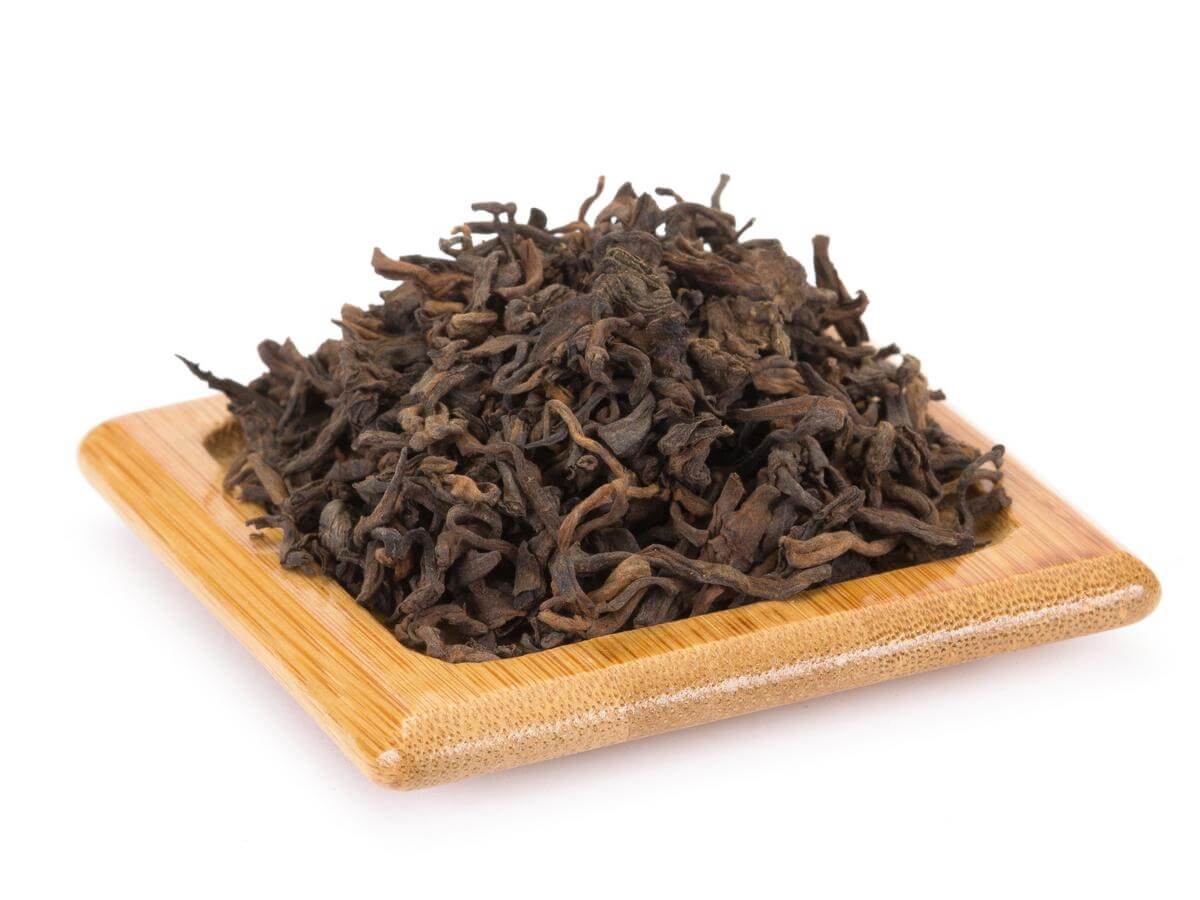
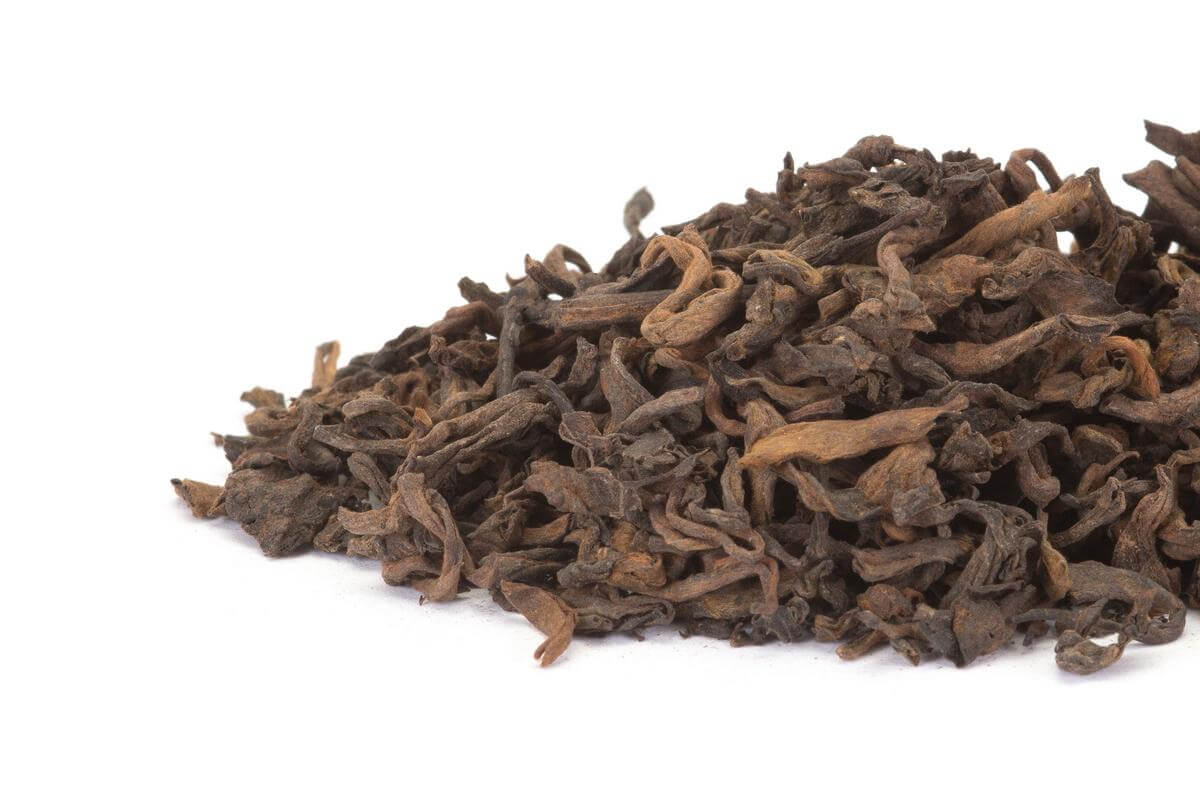
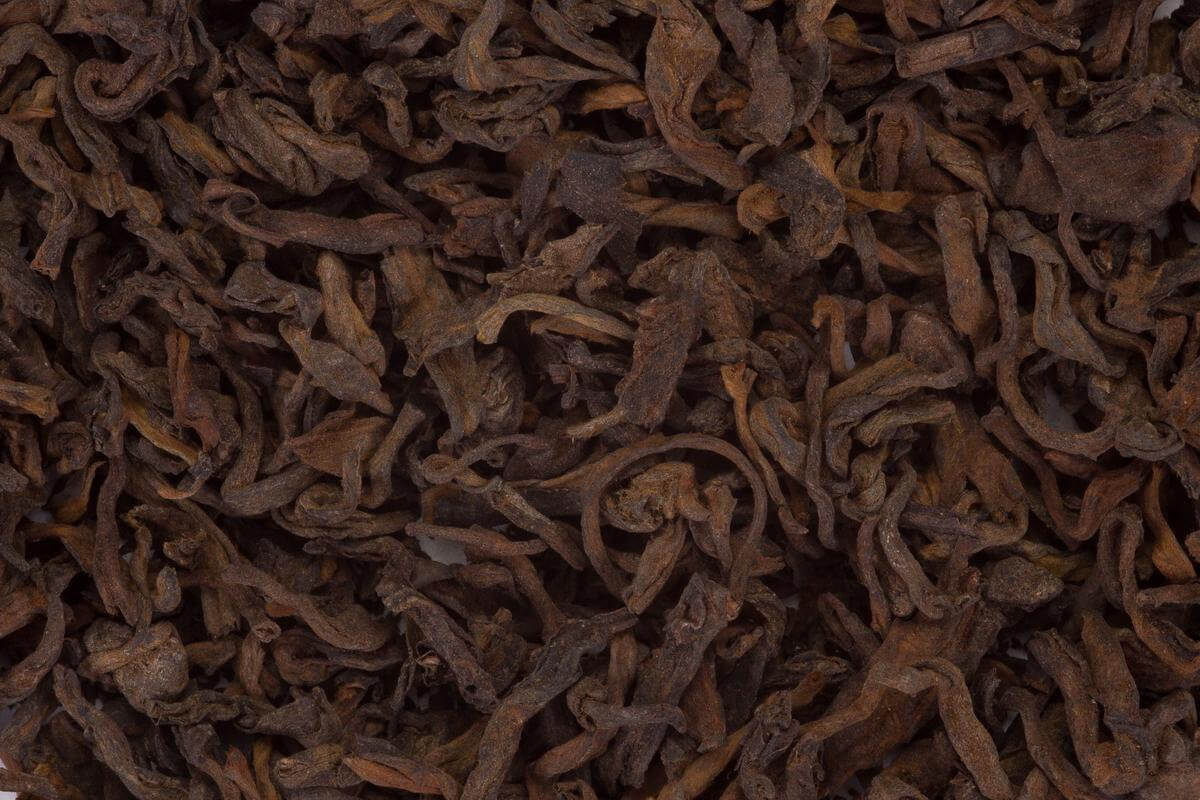
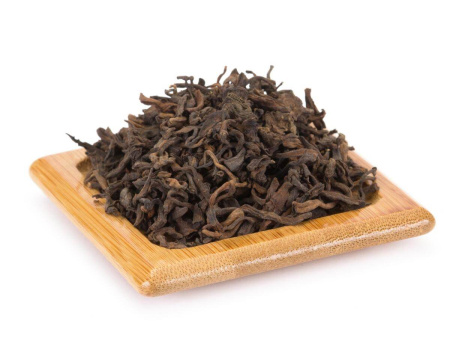
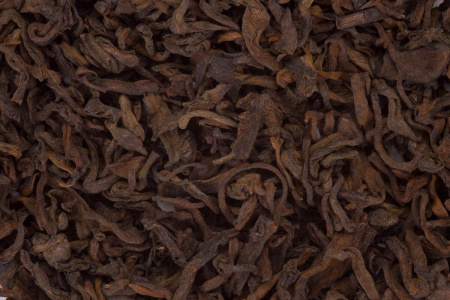
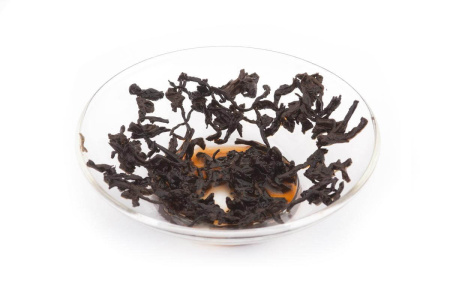
The tea leaves are dark brown with golden flecks of tips. The leaves are evenly fermented, indicating high-quality processing. The loose leaf form of the tea makes it convenient to brew and allows for better control over the strength of the infusion.
- Aroma
Dry tea has a deep, rich aroma with notes of nuttiness, wood, caramel, and a slight earthiness. After brewing, the aroma develops, adding hints of dried fruit, chocolate, and sweet spice.
- Taste
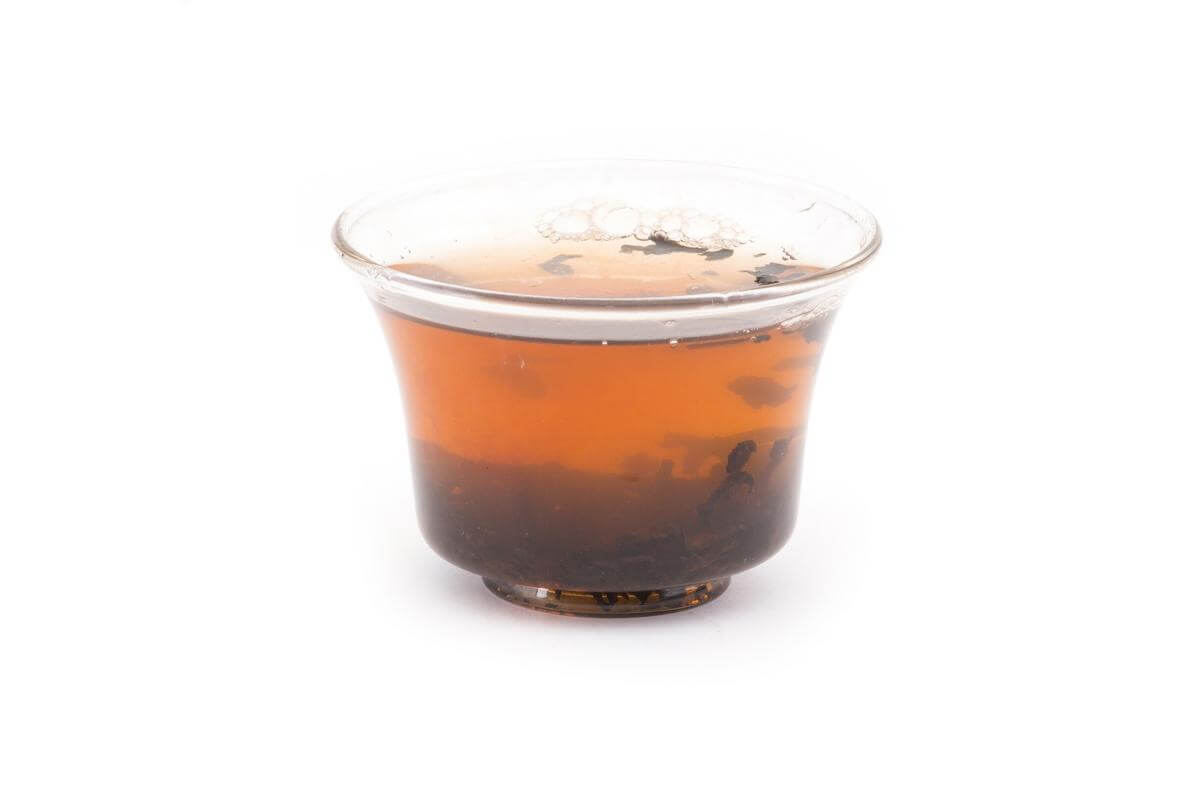
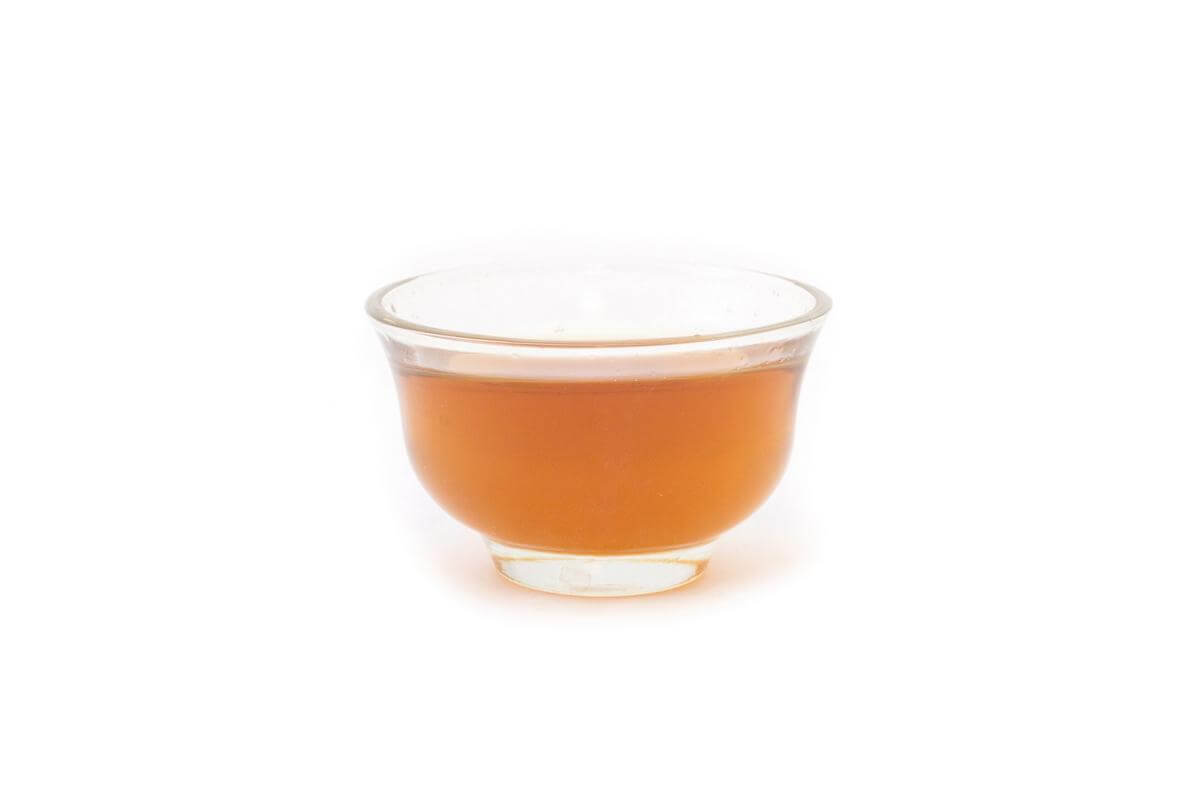
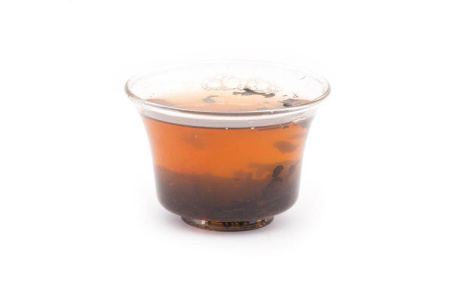
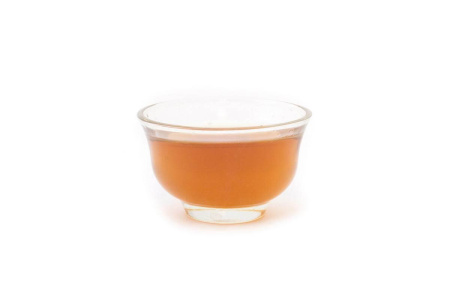
The taste of Gunting tea is soft and velvety. The infusion has a rich dark brown color with ruby highlights. The flavor is dominated by warm notes of nuts, caramel, dried fruits, and a slight woody bitterness. The finish is long, with pleasant sweet and spicy undertones.
- Energy and Impact
Shu Pu-erh "Gongting" has a warming effect and promotes relaxation. This tea is ideal for the cold season and for those who appreciate a calm and meditative tea experience.
Brewing recommendations
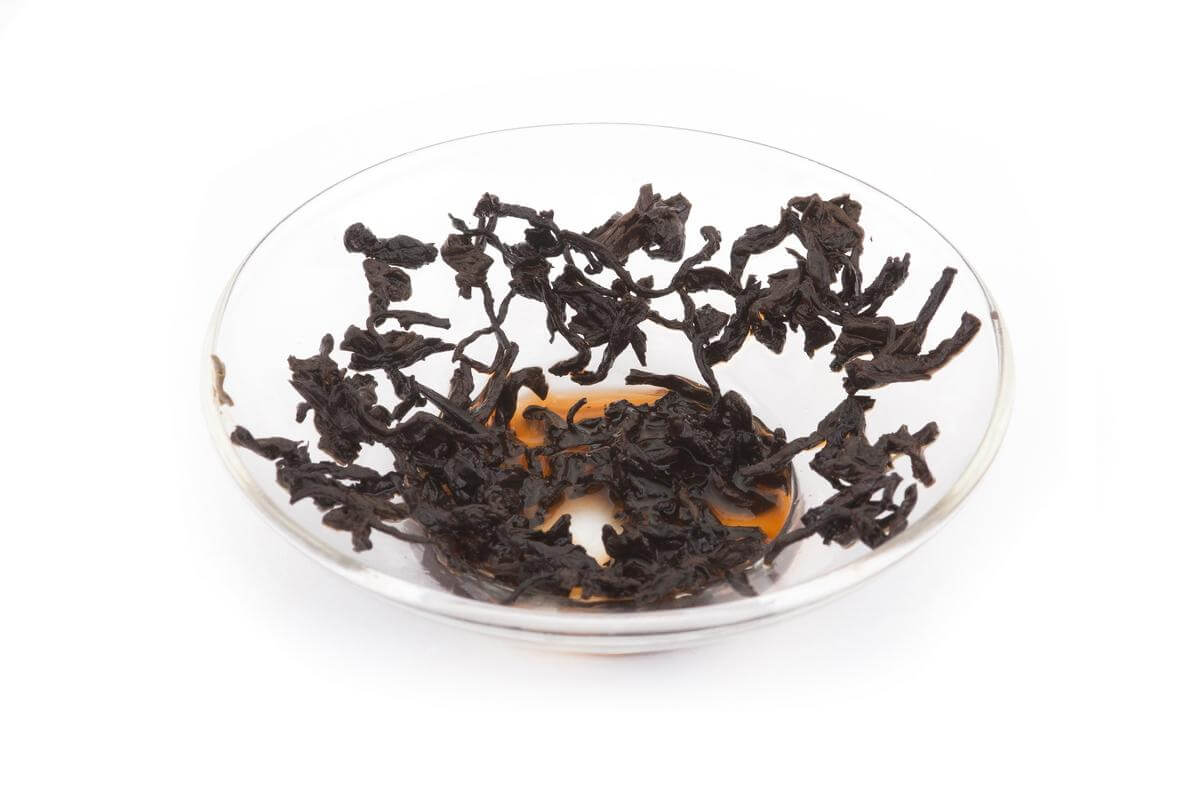
For brewing loose leaf Shu Pu'er "Gongting," we recommend steeping in a gaiwan or Yixing clay teapot. The water temperature should be around 95–100°C. The initial steeps should be short (5–10 seconds) to reveal the aroma and avoid excessive bitterness. Gradually, the steeping time can be increased. The tea can withstand up to 8–10 steeps, each of which reveals new facets of flavor.
Shu Pu'er "Gongting" 2018 is a unique tea that combines a rich flavor, deep aroma, and abundant energy. Originating in the Bulan region and using select 2011 tea leaves, it is a true treasure for pu'er connoisseurs. This tea will offer unforgettable moments of enjoyment and allow you to connect with the ancient traditions of Chinese tea art.
If you're looking for a tea that will surprise you with its versatility and provide warmth and comfort, Shu Pu-erh "Gongting" 2018 is an excellent choice.
|
Name in Chinese
|
宫廷普洱2018年 |
|
Pinyin
|
gōngtíng pǔ'ěr 2018 nián |
|
English name
|
Guntin Pu'er 2018 |
|
Translation
|
Palace Pu'er 2018 |
|
Country
|
Китай |
|
Provinces
|
Юньнань (云南) |
|
Region
|
Мэнхай (勐海) |
|
Habitat
|
Булан (布朗, Bùlǎng) |
|
Date of raw material production
|
2018 |
|
A variety of tea tree (bush)
|
Da Ye Zhong |
- Reviews
- Vkontakte
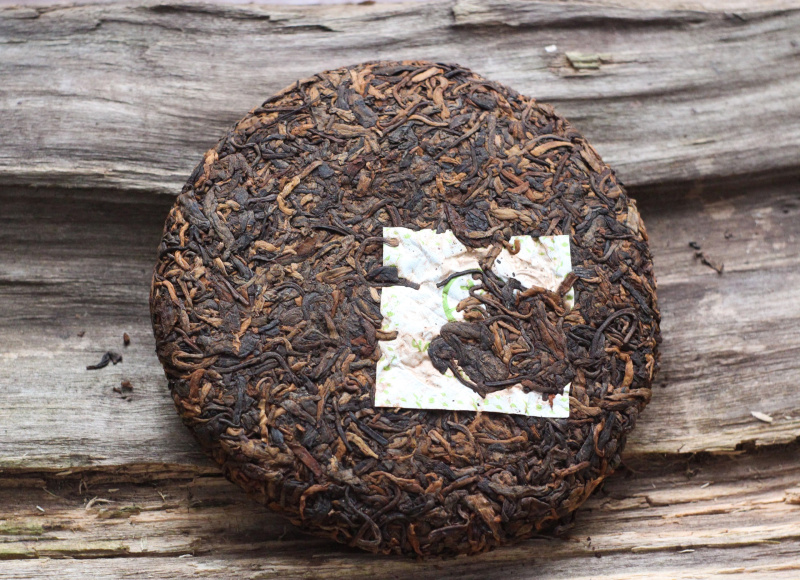
Pu-erh is one of the most unique types of tea, which only gets better with age. Many people, when they first encounter this tea, wondered: why is pu-erh more often found in pressed form (cakes, bricks, tochas), and not in loose form? The reasons for this are related to both history and the practical aspects of storing and fermenting tea. Despite modern technologies that allow the production of loose pu-erh, the shape of pressed cakes remains unchanged. And pu-erh is more often found on sale in pressed form, for example, in the form of cakes or bricks, and loose pu-erh is less common. We will talk about the reasons for pressing pu-erh into cakes in this article.
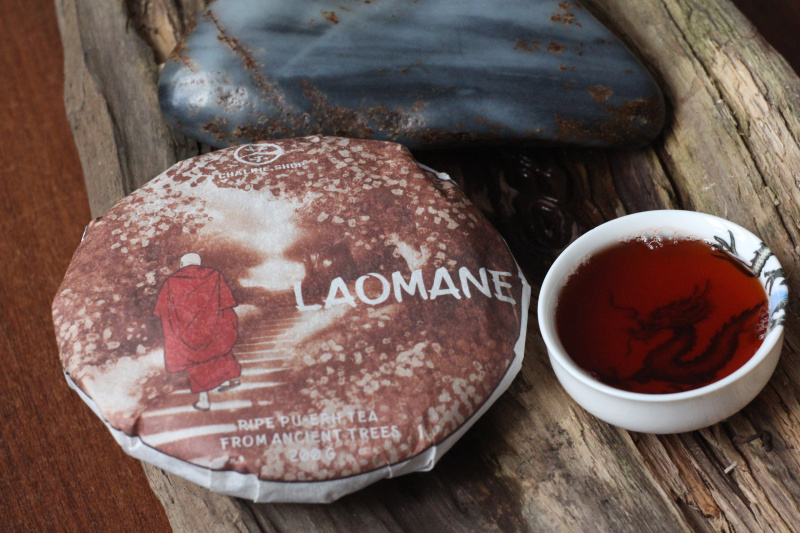
Puer is a unique Chinese tea that is distinguished by its depth of taste, complexity of aromas and versatility of aftertaste. Its taste characteristics are formed under the influence of many factors, from growing conditions to the brewing method. Let's look at the main ones.


