


-
0 Saturation
-
0 Aftertaste
-
0 Aroma
-
0 Effect
-
0 Balance
-
0 Body
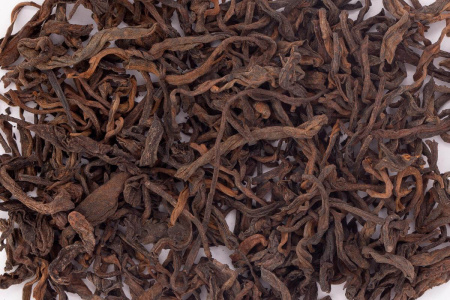
As you warm up, your breath captures a dry, noble aroma with balsamic, attic tones, nuances of ripe nuts and dried herbs.
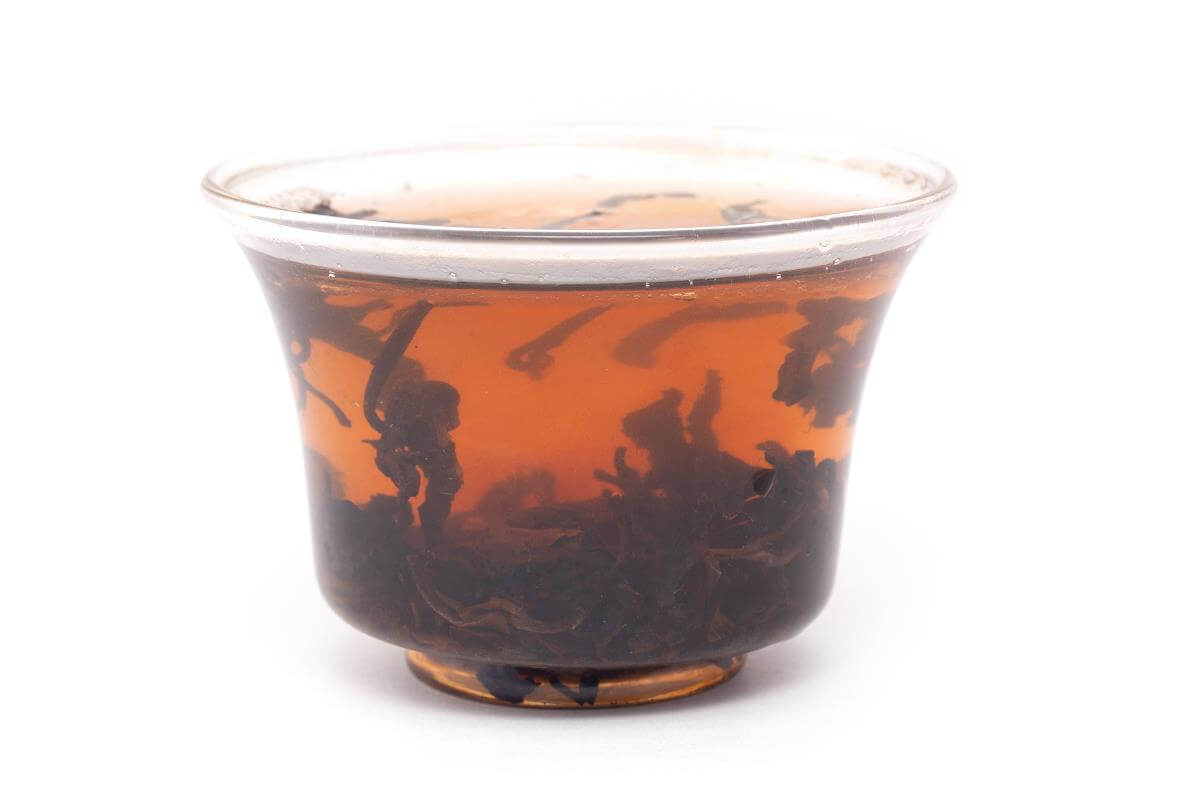
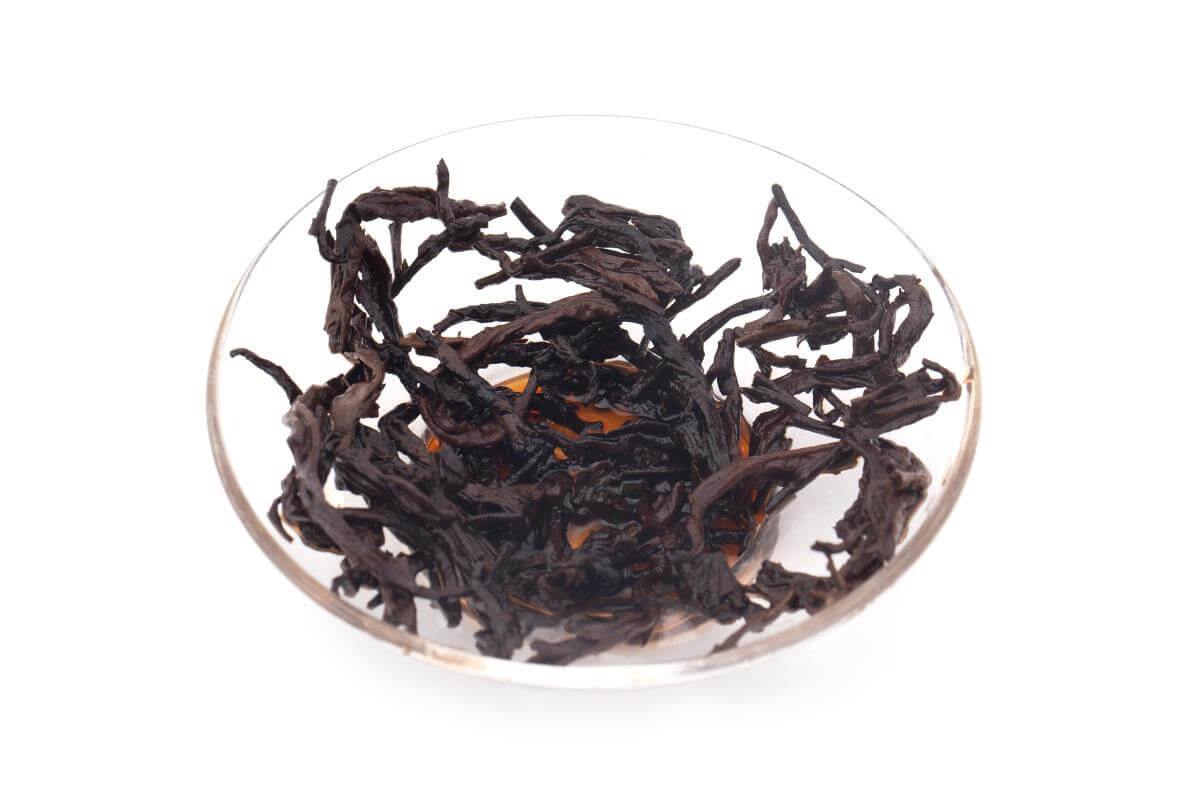
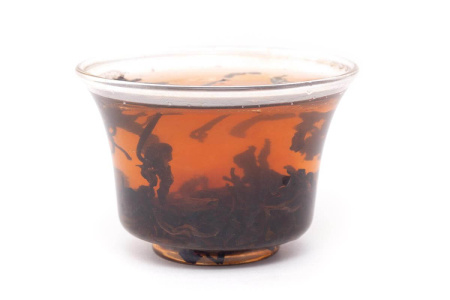
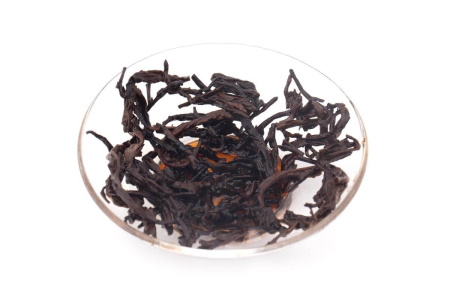
The first infusion reveals the tea: a velvety aroma with notes of fresh hazelnuts, milk chocolate and autumn leaves.
The flavor of brewed pu-erh is very soft, rich, and buttery. The taste features nutty, chocolatey notes, and a warm fruity-menthol note that pairs well with the classic sweetness of high-quality shu pu-erh. Gradually, the sweetness is tempered by a pleasant grapefruit bitterness (often found in shu pu-erh from large trees).
This pu-erh tea will fully develop in a Yixing clay teapot, or gaiwan. The brewing ratio is 8-10 grams per 100 ml of boiling water, with quick steepings.
The aftertaste is sweet, with hints of sweet pastry and chocolate, enveloping and vibrant. The tea warms perfectly, invigorates, dispels drowsiness, sobers, and sets the right mood.
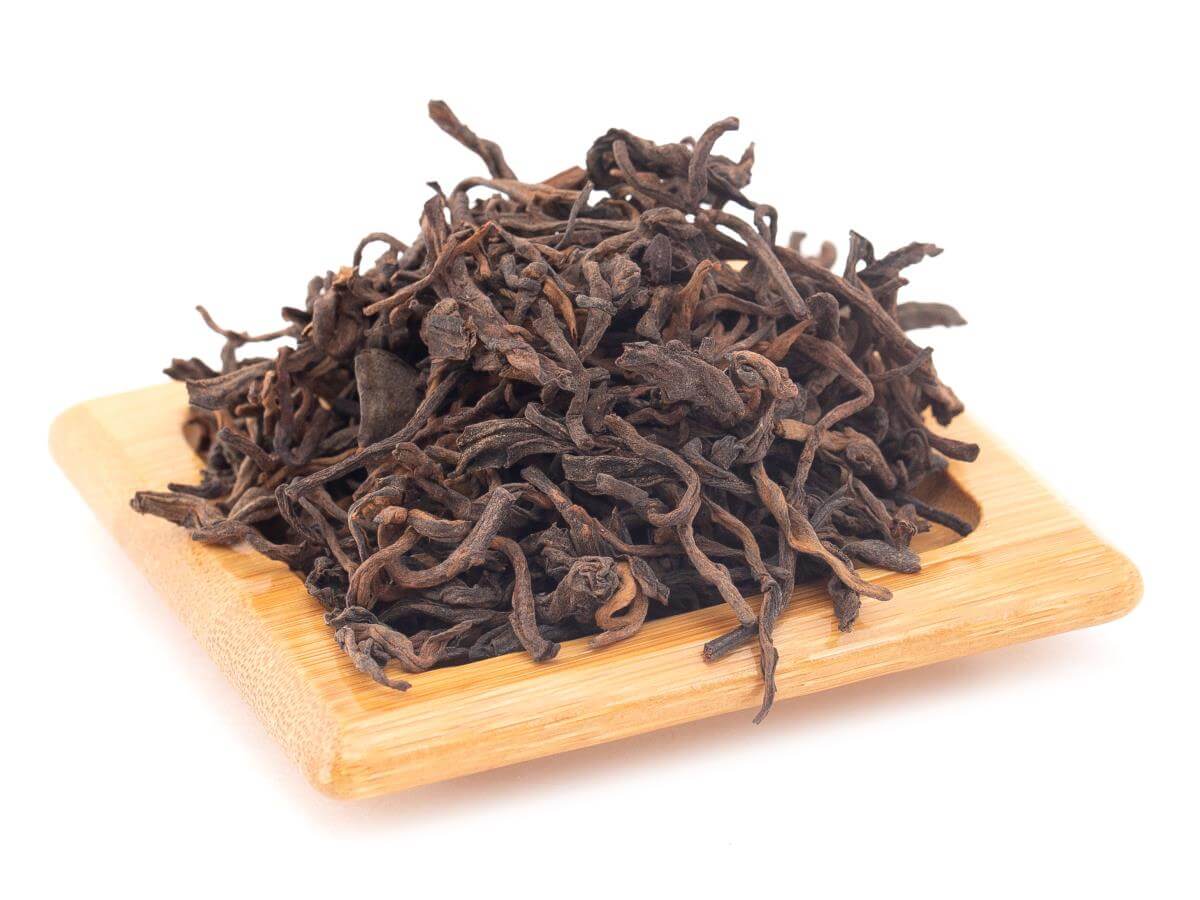
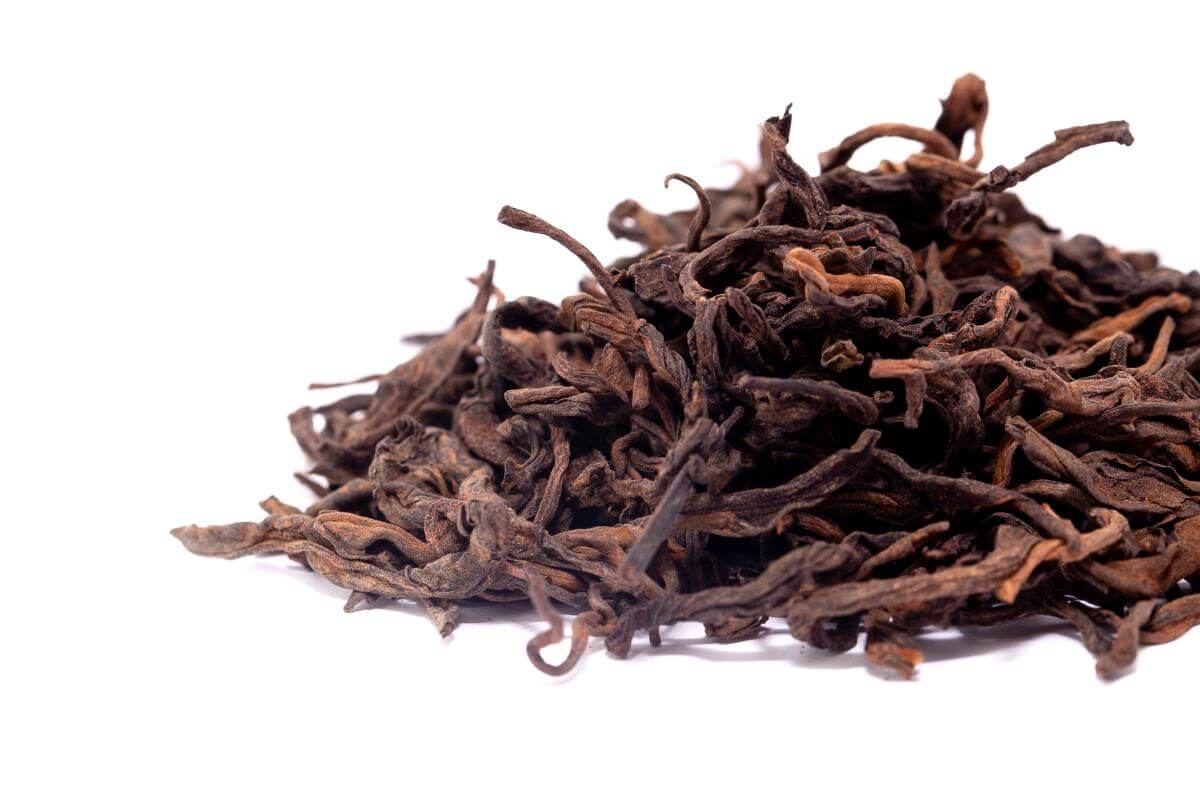
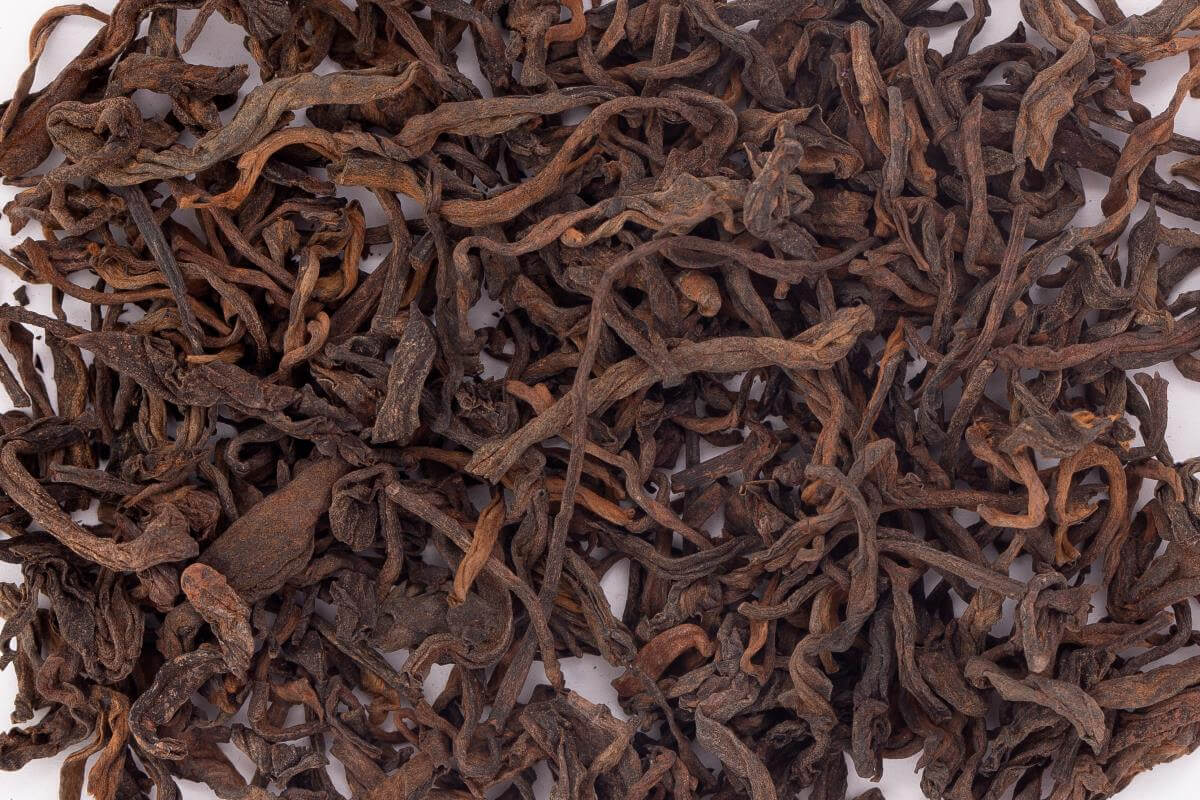
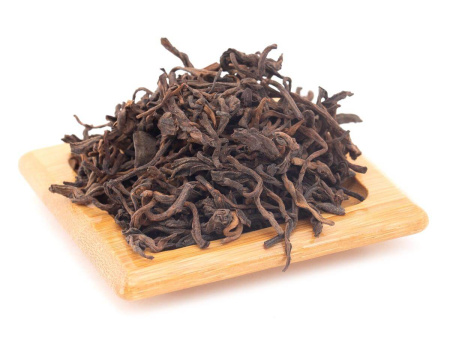
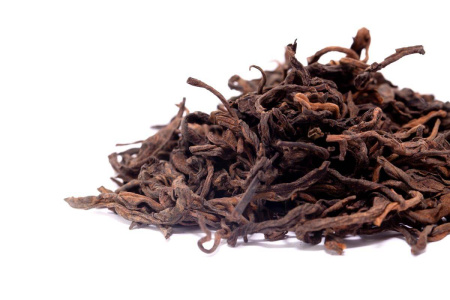
Shu pu-erh 2020 "Hekai da shu" (Large trees of the Hekai Mountains) is an excellent classic pu-erh - high-quality raw materials, a competent fermentation process, excellent taste and a pleasant tea state.
|
Name in Chinese
|
贺开大树熟普洱 |
|
Pinyin
|
hèkāi dà shù shú pǔ'ěr |
|
Translation
|
Big Trees of the Hekai Mountains |
|
Country
|
Китай |
|
Habitat
|
Хэкай (贺开, Hè kāi) |
|
Fermentation method
|
With a lift-off from the ground |
|
Type of tea raw material
|
Large trees (100-300 years) |
- Reviews
- Vkontakte
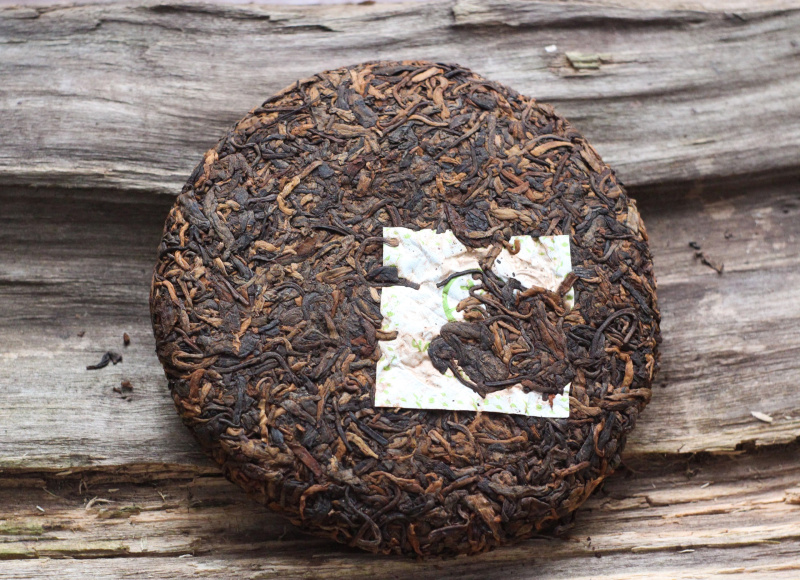
Pu-erh is one of the most unique types of tea, which only gets better with age. Many people, when they first encounter this tea, wondered: why is pu-erh more often found in pressed form (cakes, bricks, tochas), and not in loose form? The reasons for this are related to both history and the practical aspects of storing and fermenting tea. Despite modern technologies that allow the production of loose pu-erh, the shape of pressed cakes remains unchanged. And pu-erh is more often found on sale in pressed form, for example, in the form of cakes or bricks, and loose pu-erh is less common. We will talk about the reasons for pressing pu-erh into cakes in this article.
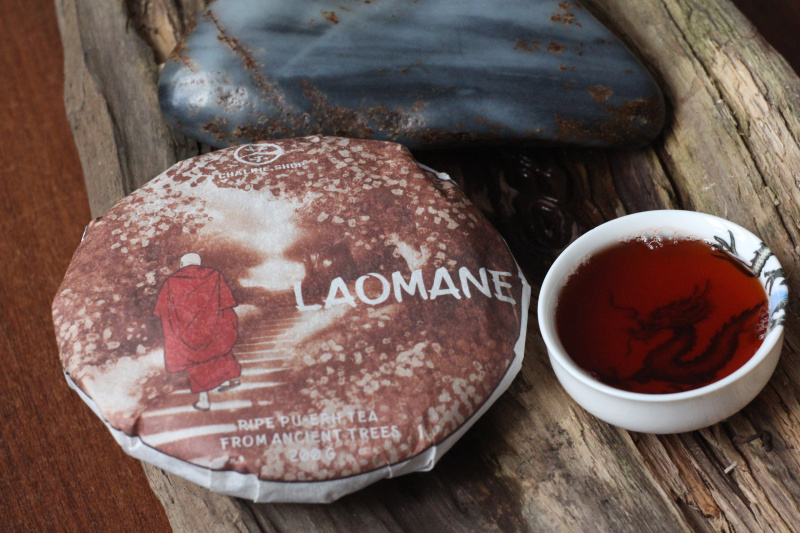
Puer is a unique Chinese tea that is distinguished by its depth of taste, complexity of aromas and versatility of aftertaste. Its taste characteristics are formed under the influence of many factors, from growing conditions to the brewing method. Let's look at the main ones.

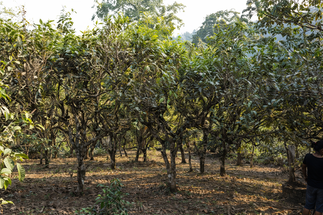
Mount Hekai or He Kai (in Chinese 贺开山, Hèkāi shān) is an area that has been perfectly preserved to this day, it is one of the oldest mountains in Yunnan Province. The age of the local gardens is more than 1500 years, almost the entire area of the area is occupied by mountain ranges. The trees mainly grow in a natural environment, which allows puer from such mountainous places to be rich and rich in nutrients, which it feeds on from nature and the Sun.