




-
9 Saturation
-
9 Aftertaste
-
10 Aroma
-
9 Effect
-
9 Balance
-
9 Body
When warmed, a rich, woody, smoky aroma is felt on the breath. A warmed Yixing clay teapot reveals a powerful camphor aroma. The rinsed tea leaves smell of menthol and dried fruit. The aroma is vibrant, multifaceted, and fragrant.
The flavor is dense, sweet, and rich, with notes of camphor, dried fruit, menthol, and citrus. By the fifth steeping, bitterness and a touch of astringency emerge. The tea lasts for eight full steeps.
The infusion of this tea is pure, the raw material is virtually dust-free. The color is rich and deep, ranging from light yellow to golden.
The aftertaste is slightly tart, refreshing, with notes of dried fruits and citrus.
The ideal vessel for brewing this tea is a thick-walled Yixing clay teapot or gaiwan.
A decidedly powerful tea. Throughout the entire tea session, a noticeable sweat appears on the forehead. The concentration of Cha Qi in the leaves is quite high—the accumulated power of the wild tree is palpable. The tea "invigorates," opens the eyes, and stimulates work. Wild Sheng also lifts the mood, promotes a meditative state, calms the spirit (and nerves), and is a great aid in combating depression. It is strongly recommended not to drink this pu-erh immediately before bed, as it can lead to a sleepless night.
Wild Sheng is well suited as a ceremonial tea, used on special occasions. For example, for a solitary tea party or for a pleasant chat with an old friend. This Sheng is well-suited for those seeking a unique, powerful pu-erh tea made from wild tea trees. It offers a perfect balance of quality, flavor, and effect.
|
Name in Chinese
|
生普洱 |
|
Pinyin
|
shēng pǔěr |
|
Country
|
Китай |
|
Date of raw material production
|
2011 |
- Reviews
- Vkontakte
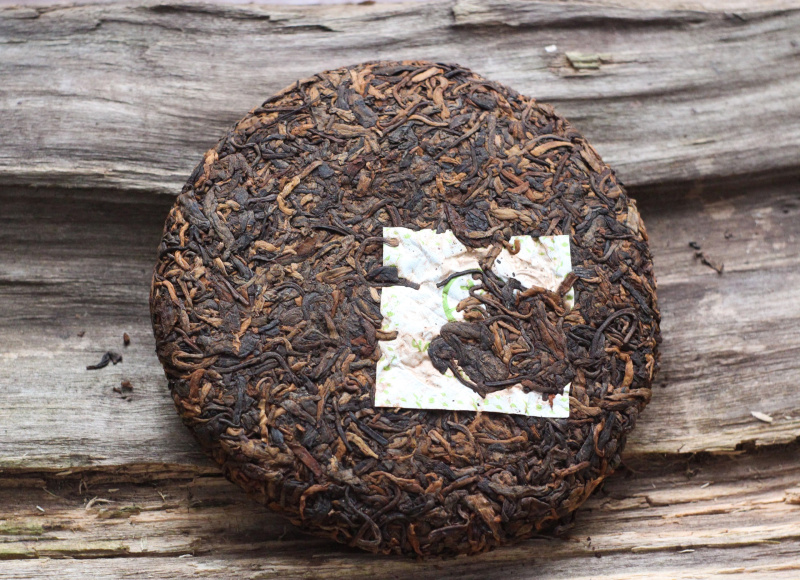
Pu-erh is one of the most unique types of tea, which only gets better with age. Many people, when they first encounter this tea, wondered: why is pu-erh more often found in pressed form (cakes, bricks, tochas), and not in loose form? The reasons for this are related to both history and the practical aspects of storing and fermenting tea. Despite modern technologies that allow the production of loose pu-erh, the shape of pressed cakes remains unchanged. And pu-erh is more often found on sale in pressed form, for example, in the form of cakes or bricks, and loose pu-erh is less common. We will talk about the reasons for pressing pu-erh into cakes in this article.
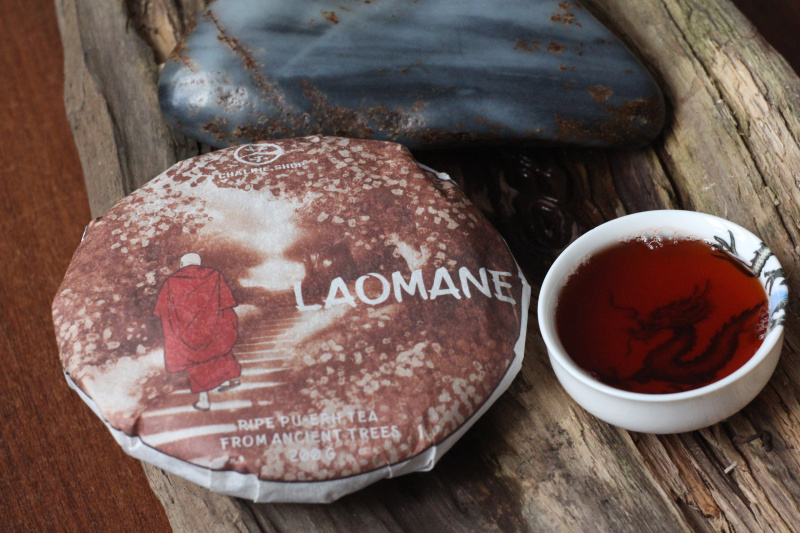
Puer is a unique Chinese tea that is distinguished by its depth of taste, complexity of aromas and versatility of aftertaste. Its taste characteristics are formed under the influence of many factors, from growing conditions to the brewing method. Let's look at the main ones.


