




-
0 Saturation
-
0 Aftertaste
-
0 Aroma
-
0 Effect
-
0 Balance
-
0 Body
Loose leaf sheng pu'er from 2021 from perennial trees in Manno (Manno gushu, 曼糯古树, mànnuò gǔshù).
The Mannuo tea region (曼糯, mànnuò) is located west of Menghai and administratively belongs to this county (Xishuangbanna Dai Autonomous Prefecture, Yunnan Province). The tea trees grow at an altitude of 1,200-1,300 meters above sea level. This gushu sheng pu-erh is harvested from wild, perennial trees, some 300-500 years old.
The spicy and sweet dry aroma of Gushu Sheng evokes associations with ripe, juicy, hairy apricots. The warm aroma features dried fruit compote notes with hints of smoked meats, raisins, and sweet pastries. As the tea is steeped, the compote and smoked notes intensify, leaving a light, sweet taste with a buttery finish. With further steeps, the aroma continues to play with nectarines and apples, and the aftertaste eventually reveals the astringent bitterness of tannins and a lingering sweetness that lingers in the throat.
A complex, interesting sheng for aromatic connoisseurs, which will be especially surprising if you keep it in your collection and store it away.

When warmed by the breath, a multifaceted, bright aroma is felt, with warm camphor notes, fruity and berry nuances in which black currant, dogwood, and blackberry are discernible.
After washing, a balanced aroma is felt, with the addition of young peas, spicy touches, and sweet and herbal tones.
The taste of the brewed tea is surprisingly soft, slightly sweet, delicate in places, and straightforward. The flavor offers fruity, compote-like compositions, camphorous, slightly spicy notes, and the sweetness of ripe melon.
As the tea steeps, its character is revealed, which is felt in the taste: strong, moderately tart, with a slight bitterness that instantly turns into sweetness.
This sheng has a lingering aftertaste that develops after some time. It's a pleasant fruity sweetness with honeyed and herbal tones. The longer the tea is steeped, the more voluminous the aftertaste becomes.
From the first few cups, you can feel the powerful effects of tea. It intoxicates, relaxes, and removes the hustle and bustle of life, anxiety, and rush. It focuses, sobers, and sharpens the senses. It has a strong energizing effect, stimulating the senses to engage in whatever activity they desire.
This tea should be brewed with water no hotter than 90°C (194°F), as it is still young and the leaves are tender, resulting in an infusion that is overly bitter. It can be brewed in either a gaiwan or a Yixing clay teapot. The recommended ratio is 5 grams per 100 ml.
Sheng Pu'er 2021 "Mannogushu" (Perennial Trees from Manno) is a tea made from wild tea trees aged between 300 and 500 years. These trees have extensive root systems that impart maximum vitamins and minerals to the tea leaves. This sheng is ready to drink now, but storing it will undergo dramatic changes, requiring an increase in steeping times.
|
Name in Chinese
|
曼糯古树 |
|
Pinyin
|
mànnuò gǔshù |
|
Translation
|
Perennial trees from Manno |
|
Country
|
Китай |
|
District
|
Xishuangbanna Dai Autonomous Prefecture |
|
Provinces
|
Юньнань (云南) |
|
Type of tea raw material
|
Ancient trees (over 500 years old) |
- Reviews
- Vkontakte
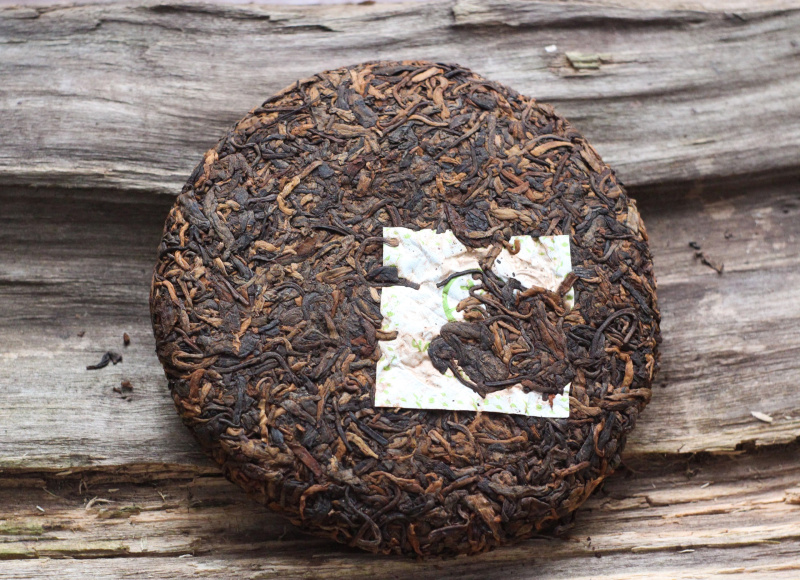
Pu-erh is one of the most unique types of tea, which only gets better with age. Many people, when they first encounter this tea, wondered: why is pu-erh more often found in pressed form (cakes, bricks, tochas), and not in loose form? The reasons for this are related to both history and the practical aspects of storing and fermenting tea. Despite modern technologies that allow the production of loose pu-erh, the shape of pressed cakes remains unchanged. And pu-erh is more often found on sale in pressed form, for example, in the form of cakes or bricks, and loose pu-erh is less common. We will talk about the reasons for pressing pu-erh into cakes in this article.
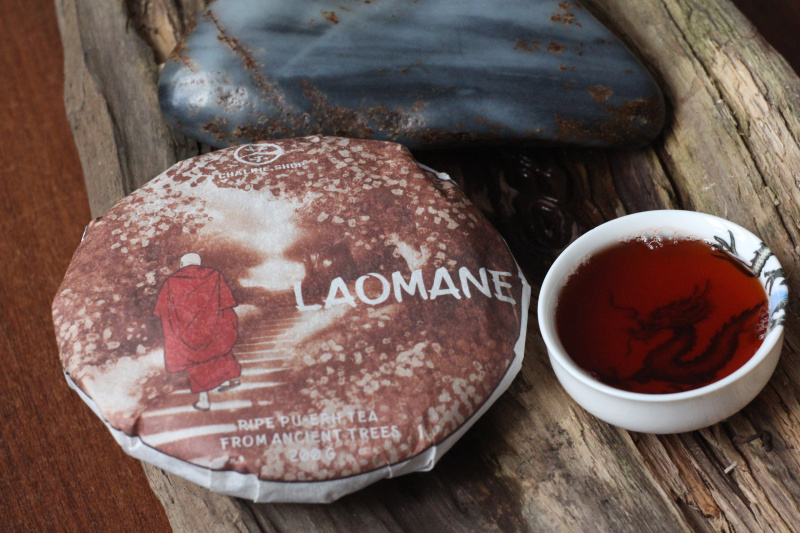
Puer is a unique Chinese tea that is distinguished by its depth of taste, complexity of aromas and versatility of aftertaste. Its taste characteristics are formed under the influence of many factors, from growing conditions to the brewing method. Let's look at the main ones.


